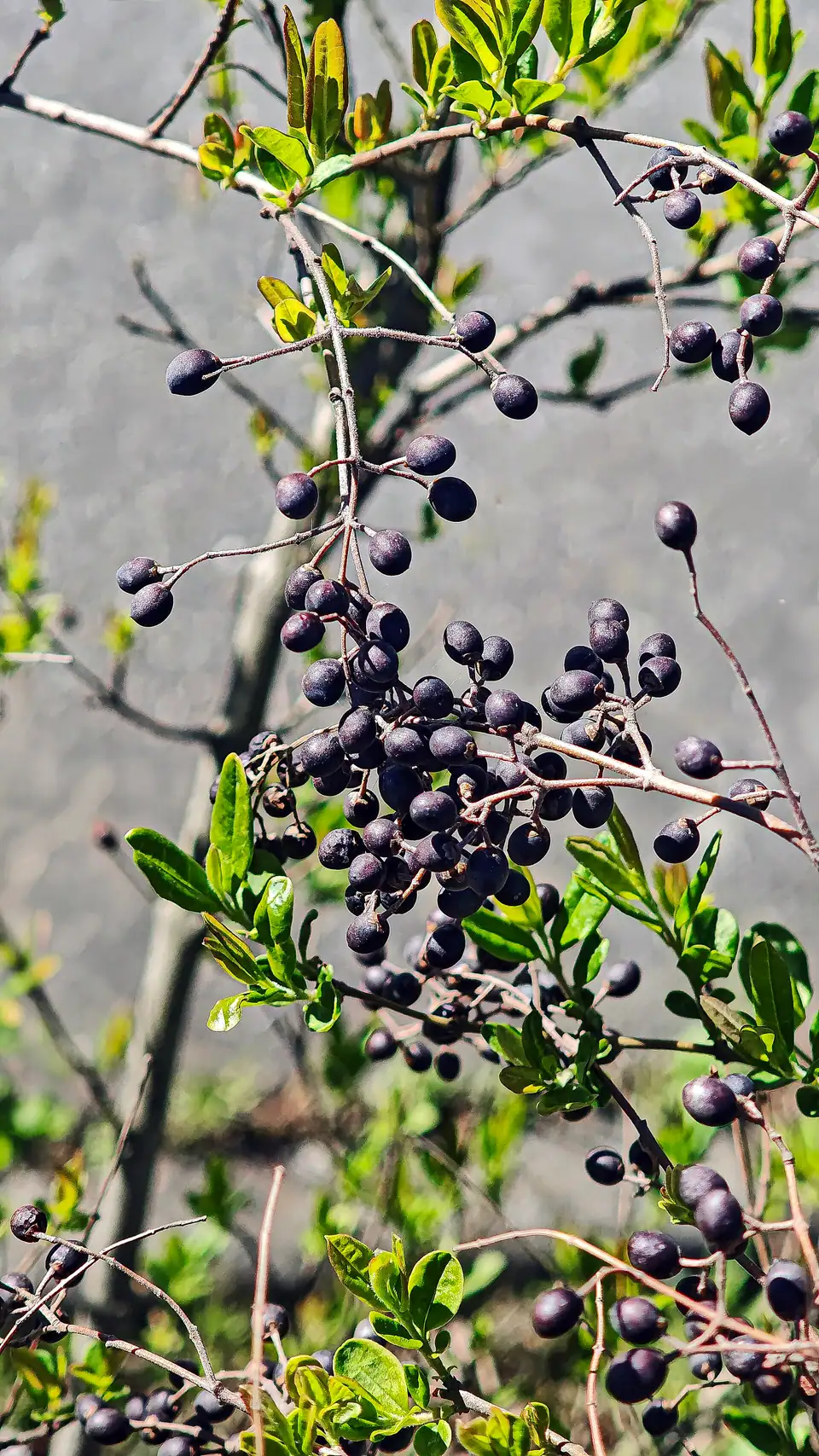


How to Grow and Care for Chinese Privet
Ligustrum sinense
Written by Emilio Marruso · last checked
Toxic to: People · Why
At a glance
Chinese privet is a perennial that is happiest in full sun and still copes well with partial shade. It grows wide, spreading 10 to 15 feet, and prefers alkaline soil. Just keep it in check by pulling young seedlings by hand, because it can form thickets that crowd out the native plants around it.
- Sun
Full sun; also tolerates partial shade
What the sources say (1)
Light: Full sun; tolerates partial shade
This shrub can grow 6 to 15 feet tall and wide and tolerates various soils. It prefers full sun but tolerates partial shade.
— Ligustrum sinense (Chinese Privet) | North Carolina Extension Gardener Plant Toolbox [1] - Cold
Survives winters down to −10 °F (−23.3 °C)
Very hardy · USDA 6a · RHS H7 · Z6
What the sources say (2)
Hardiness, coldest zone: 6a [winter low −23.3 to −20.6 °C (−10 to −5 °F)]
6a, 6b, 7a, 7b, 8a, 8b, 9a, 9b
— Ligustrum sinense (Chinese Privet) | North Carolina Extension Gardener Plant Toolbox [1] Hardiness, warmest zone: 9b [winter low −3.9 to −1.1 °C (25 to 30 °F)]
6a, 6b, 7a, 7b, 8a, 8b, 9a, 9b
— Ligustrum sinense (Chinese Privet) | North Carolina Extension Gardener Plant Toolbox [1] - Soil
Alkaline soil, pH 8.0 or higher
What the sources say (1)
Soil pH, minimum: 8.0
Soil pH: Alkaline (>8.0) USDA Plant Hardiness Zone:
— Ligustrum sinense (Chinese Privet) | North Carolina Extension Gardener Plant Toolbox [1] - Pests
Whiteflies, weevils, scale and rust mites; powdery mildew and root rot
What the sources say (2)
Pests: whiteflies, Japanese weevils, ligustrum weevils, white peach scale, privet rust mites
Whiteflies, Japanese and ligustrum weevils, white peach scale and privet rust mites are common insect problems.
— Ligustrum sinense (Chinese Privet) | North Carolina Extension Gardener Plant Toolbox [1] Diseases: anthracnose, twig blight, cankers, powdery mildew, root rot
Anthracnose, twig blight, cankers, powdery mildew and root rot are common disease problems.
— Ligustrum sinense (Chinese Privet) | North Carolina Extension Gardener Plant Toolbox [1] - Watch out
Invasive: forms thickets that crowd out native plants; pull young seedlings by hand
- Size
10 to 15 ft wide
What the sources say (1)
Mature width: 305-457 cm (10 ft - 15 ft)
Height: 6 ft. 6 in. - 15 ft. 0 in. Width: 10 ft. 0 in. - 15 ft. 0 in.
— Ligustrum sinense (Chinese Privet) | North Carolina Extension Gardener Plant Toolbox [1] - Safety
Harmful if eaten: causes stomach pain, nausea and vomiting
Overview
Chinese privet is an evergreen or semi-evergreen shrub native to Asia that was introduced to the USA as an ornamental and has become invasive. [1] It prefers full sun but tolerates partial shade, and it is not recommended for gardens or landscapes. [1]
This record is incomplete: the sources we read do not cover every field yet.
Not yet covered by our sources: Propagation
Chinese Privet care
How much light Chinese Privet needs
Full sun; tolerates partial shade
What the sources say (1)
This shrub can grow 6 to 15 feet tall and wide and tolerates various soils. It prefers full sun but tolerates partial shade.How much cold Chinese Privet can take
Hardiness, coldest zone
6a [winter low −23.3 to −20.6 °C (−10 to −5 °F)]
What the sources say (1)
6a, 6b, 7a, 7b, 8a, 8b, 9a, 9bHardiness, warmest zone
9b [winter low −3.9 to −1.1 °C (25 to 30 °F)]
What the sources say (1)
6a, 6b, 7a, 7b, 8a, 8b, 9a, 9bBest soil for Chinese Privet
8.0
What the sources say (1)
Soil pH:
Alkaline (>8.0)
USDA Plant Hardiness Zone:How to propagate Chinese Privet
Not stated in the sources we read.
How to grow Chinese Privet
The plant
Life cycle
perennial
What the sources say (1)
Whole Plant Traits:
Plant Type:
Perennial
Poisonous
Shrub
TreeFamily
Oleaceae
What the sources say (1)
Chinese privet is an evergreen or semi-evergreen shrub in the olive family (Oleaceae) and is native to Asia.Mature height
Mature width
305-457 cm (10 ft - 15 ft)
What the sources say (1)
Height: 6 ft. 6 in. - 15 ft. 0 in.
Width: 10 ft. 0 in. - 15 ft. 0 in.Pests and diseases
Pests
whiteflies, Japanese weevils, ligustrum weevils, white peach scale, privet rust mites
What the sources say (1)
Whiteflies, Japanese and ligustrum weevils, white peach scale and privet rust mites are common insect problems.Diseases
anthracnose, twig blight, cankers, powdery mildew, root rot
What the sources say (1)
Anthracnose, twig blight, cankers, powdery mildew and root rot are common disease problems.Chinese Privet pests and problems
Insect and disease problems
Symptom: Whiteflies, Japanese and ligustrum weevils, white peach scale, privet rust mites; anthracnose, twig blight, cankers, powdery mildew, root rot
What to do: Not stated in the sources
What the sources say (1)
Whiteflies, Japanese and ligustrum weevils, white peach scale and privet rust mites are common insect problems. Anthracnose, twig blight, cankers, powdery mildew and root rot are common disease problems.
— Ligustrum sinense (Chinese Privet) | North Carolina Extension Gardener Plant Toolbox [1] Invasiveness
Symptom: Thicket formation that overtakes native plants
What to do: Hand pull young seedlings; treat cut stumps with an appropriate herbicide to prevent regrowth
What the sources say (2)
Hand pulling of young seedlings will prevent future seed production.
— Chinese Privet | Mississippi State University Extension Service [2] any stumps or large shoots that are cut need to be treated with an appropriate herbicide to prevent the regrowth of plants from stumps.
— Chinese Privet | Mississippi State University Extension Service [2]
Remedies
Each remedy shows what official sources say about it; traditional remedies without an official source are marked as such. Harmful ones are listed so you know to avoid them.
Treating the plant
cercospora leaf spot
raking up fallen leaves Works
How: Hand remove spotted leaves on lightly diseased plants and rake up and destroy infected fallen leaves.
Hand remove spotted leaves on lightly diseased plants. Rake up and destroy infected fallen leaves. The removal of this leaf material will minimize the chances of the disease reoccurring the next season.
— Ligustrum | Home & Garden Information Center [4] What the evidence says Rake up and destroy infected fallen leaves. The removal of this leaf material will minimize the chances of the disease reoccurring the next season.
— Ligustrum | Home & Garden Information Center [4]
botryosphaeria canker
pruning cankered branches Official source, not independently tested
Disinfest pruners between every cut with a 70% alcohol or 10% bleach solution.
— Ligustrum | Home & Garden Information Center [4] How: Prune any branches with cankers back to green healthy wood and dispose of all prunings.
Prune any branches with cankers back to green healthy wood.
— Ligustrum | Home & Garden Information Center [4]
Getting rid of it
invasive shrub
hand pulling seedlings Partly works
How: Hand pull young seedlings to prevent future seed production.
Hand pulling of young seedlings will prevent future seed production.
— Chinese Privet | Mississippi State University Extension Service [2] What the evidence says Hand pulling of young seedlings will prevent future seed production.
— Chinese Privet | Mississippi State University Extension Service [2] cutting stumps or large shoots Partly works
How: Cut or mow mature plants before seed production to prevent seed dispersal and subsequent plant growth.
Cutting or mowing mature plants prior to seed production will prevent seed dispersal and subsequent plant growth.
— Chinese Privet | Mississippi State University Extension Service [2] What the evidence says However, any stumps or large shoots that are cut need to be treated with an appropriate herbicide to prevent the regrowth of plants from stumps.
— Chinese Privet | Mississippi State University Extension Service [2] goat grazing Works
How: Goats readily graze privet and can be used for control.
Goats readily graze privet and can be used for control.
— Chinese Privet | Mississippi State University Extension Service [2] What the evidence says Goats readily graze privet and can be used for control.
— Chinese Privet | Mississippi State University Extension Service [2]
Is Chinese Privet poisonous?
Reported by the source, quoted verbatim. This is not medical or veterinary advice: if a person or an animal may have eaten this plant, contact a poison control centre or a veterinarian.
Abdominal pain, nausea, vomiting, diarrhea, headache, weakness, low blood pressure, cold and clammy skin possibly lasting 48 to 72 hours
[1]- Poisonous parts
Causes Contact Dermatitis: No Poison Part: Fruits Leaves Download Print-Friendly
[1]- Toxic principle
Poison Toxic Principle: Glycosides: syringin (ligustrin), a glycoside; shikimic acid (lowest toxic dose 4,000mg); and others
[1]- Symptoms
Abdominal pain, nausea, vomiting, diarrhea, headache, weakness, low blood pressure, cold and clammy skin possibly lasting 48 to 72 hours
[1]- Severity
This plant has low severity poison characteristics. See below This plant is an invasive species in North Carolina
[1]
Similar plants
- Amur privet Ligustrum amurense
- Glossy Privet Ligustrum lucidum
- Privet Ligustrum japonicum
- Privet Ligustrum vulgare
- California privet Ligustrum ovalifolium
- Black ash Fraxinus nigra
- Blue Ash Fraxinus quadrangulata
- Chinese Fringetree Chionanthus retusus
Sources
Every value above is quoted from these documents. Links lead to the original publisher.
- Ligustrum sinense (Chinese Privet) | North Carolina Extension Gardener Plant Toolbox · plants.ces.ncsu.edu, consulted
- Chinese Privet | Mississippi State University Extension Service · extension.msstate.edu, consulted
- Invasive Privet | Invasives | Illinois Extension | Illinois · extension.illinois.edu, consulted
- Ligustrum | Home & Garden Information Center · hgic.clemson.edu, consulted
- Privet | University of Maryland Extension · extension.umd.edu, consulted
Written by Emilio Marruso · last checked