
How to Grow and Care for California privet
Ligustrum ovalifolium
Written by Emilio Marruso · last checked
Toxic to: People · Why
At a glance
Privet is a tough, forgiving hedge plant: it tolerates shade, even succeeding in dark corners, and once established it shrugs off drought. Plant it 15 inches apart for a dense hedge, then trim it two or three times during the growing season. Just remember that every part of the plant is poisonous if eaten.
- Sun
Handles shade well; it even grows in dark corners
What the sources say (2)
Light: Shade tolerant; succeeds in dark corners
Shade tolerant, established plants also tolerate drought[ 200 Title
— Ligustrum ovalifolium - Useful Temperate Plants [1] The oval-leaved privet is a worthy associate of the common one for dark corners or places starved by roots of trees where scarcely anything else will grow.
— Ligustrum ovalifolium - Trees and Shrubs Online [2] - Water
Handles drought once established
What the sources say (1)
Watering: Drought tolerant once established
Shade tolerant, established plants also tolerate drought[ 200 Title
— Ligustrum ovalifolium - Useful Temperate Plants [1] - Spacing
15 in apart in a hedge; a little closer in poor soil
What the sources say (2)
Between plants: In a hedge: 37.5 cm [15 in] apart in average conditions; spacing may need to be slightly reduced in poor soils or difficult conditions.
Ligustrum ovalifolium (common privet) M-L (3): A good choice, but prone to honey fungus
— [7] Numbers denote suggested spacings for planting in average conditions. In poor soils or difficult conditions, spacings may need to be slightly reduced. 1 = 10-15cm (4-6in) apart 2 = 30cm (1ft) apart 3 = 37.5cm (15in) apart
— [7] - Planting
Plant seedlings in late spring or early summer, after the last frosts
What the sources say (1)
Planting: Late spring or early summer, after the last expected frosts (seedlings)
Plant them out into their permanent positions in late spring or early summer, after the last expected frosts.
— Ligustrum ovalifolium - Useful Temperate Plants [1] - Pruning
Trim 2–3 times while it grows; stop in late summer so frost won't hurt new shoots
What the sources say (2)
When to prune: Two or three times during the growing season; stop in late summer to avoid frost damage on new growth. Pruning suppresses flowering.
Pruning suppresses flowering. Prune two or three times during growing season. Cease pruning in late summer avoid frost damage on new growth
— [8] Ligustrum (privet): Twice or three times during growing season
— [9] - Pests
Can be attacked by honey fungus
- Watch out
A greedy plant: it takes more food and water from the soil than most hedges
What the sources say (1)
Watering notes: A greedy plant that takes more nutrients and moisture from the surrounding soil than most hedging plants
though it is also very greedy, robbing the surrounding soil of more nutrients and moisture than most hedging plants[ 200 Title
— Ligustrum ovalifolium - Useful Temperate Plants [1] - Propagation
Cuttings from half-ripe shoots in midsummer or from mature wood in late fall
What the sources say (3)
Propagation: Seed; half-ripe cuttings in midsummer; mature-wood cuttings in late autumn
The seed does not require any pre-treatment and can be sown in the spring in a cold frame[ 113 Title
— Ligustrum ovalifolium - Useful Temperate Plants [1] Cuttings of half-ripe wood, 5 - 10cm with a heel, mid summer in a frame. Very easy[ 78 Title
— Ligustrum ovalifolium - Useful Temperate Plants [1] Cuttings of mature wood, 20 - 30cm in a sheltered outdoor bed in late autumn. High percentage[ 78 Title
— Ligustrum ovalifolium - Useful Temperate Plants [1] - Sowing
Sow seeds in spring in a cold frame
What the sources say (1)
Sowing: Spring, in a cold frame
The seed does not require any pre-treatment and can be sown in the spring in a cold frame[ 113 Title
— Ligustrum ovalifolium - Useful Temperate Plants [1] - Safety
Every part of the plant is poisonous if eaten
Overview
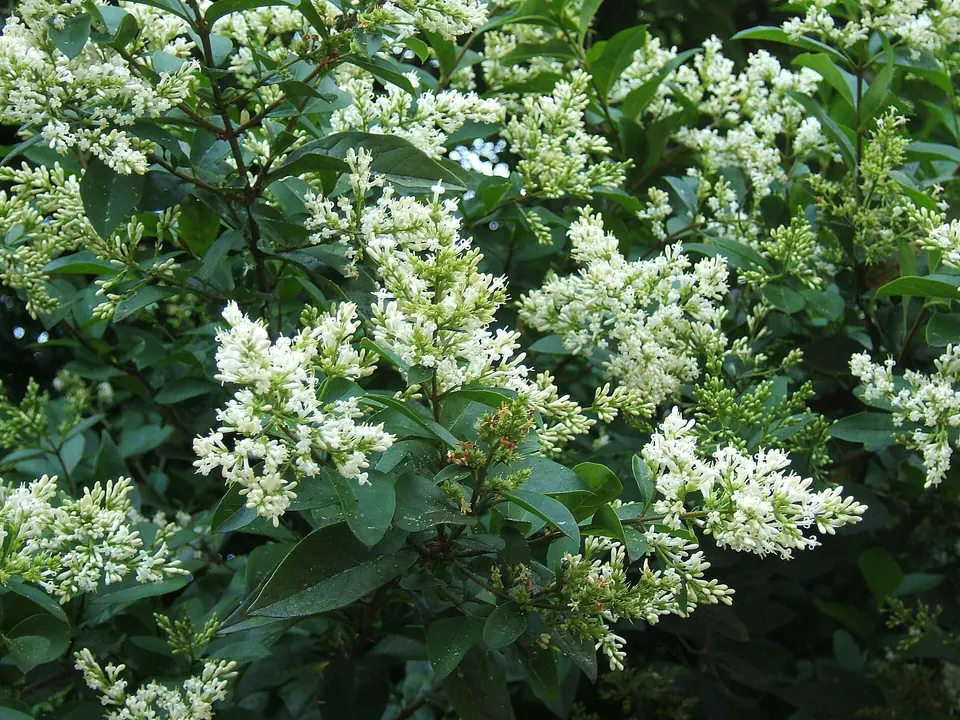
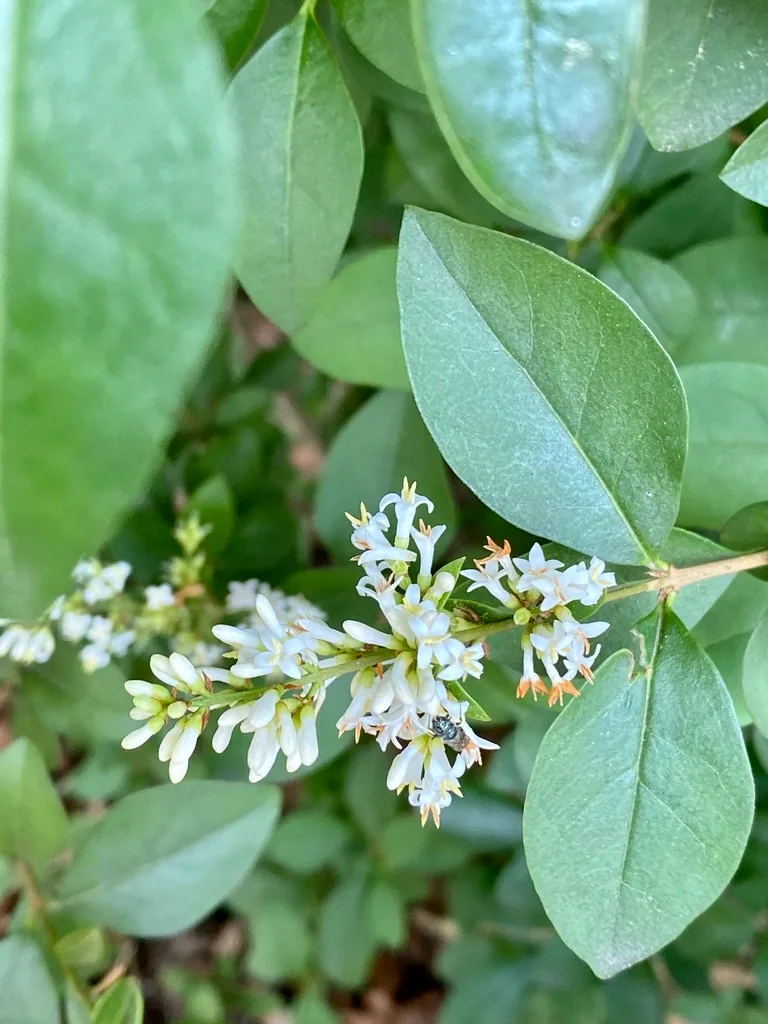
Ligustrum ovalifolium is a semi-evergreen shrub from Japan, widely used for hedges; it becomes deciduous in severe winters or poor soil. [2] It is a very tolerant plant that grows in most soils, tolerates shade and, once established, drought. [1] It has naturalised in many countries and is listed as an environmental weed in New Zealand. [3]
This record is incomplete: the sources we read do not cover every field yet.
Not yet covered by our sources: Hardiness, coldest zone, Hardiness, warmest zone, Pruning
California privet care
How to water California privet
Watering
Drought tolerant once established
What the sources say (1)
Shade tolerant, established plants also tolerate drought[ 200 TitleWatering notes
A greedy plant that takes more nutrients and moisture from the surrounding soil than most hedging plants
What the sources say (1)
though it is also very greedy, robbing the surrounding soil of more nutrients and moisture than most hedging plants[ 200 TitleHow much light California privet needs
Shade tolerant; succeeds in dark corners
What the sources say (2)
Shade tolerant, established plants also tolerate drought[ 200 TitleThe oval-leaved privet is a worthy associate of the common one for dark corners or places starved by roots of trees where scarcely anything else will grow.How much cold California privet can take
Hardiness, coldest zone
Not stated in the sources we read.
Hardiness, warmest zone
Not stated in the sources we read.
How to propagate California privet
Seed; half-ripe cuttings in midsummer; mature-wood cuttings in late autumn
What the sources say (3)
The seed does not require any pre-treatment and can be sown in the spring in a cold frame[ 113 TitleCuttings of half-ripe wood, 5 - 10cm with a heel, mid summer in a frame. Very easy[ 78 TitleCuttings of mature wood, 20 - 30cm in a sheltered outdoor bed in late autumn. High percentage[ 78 TitleHow to grow California privet
Spacing
Between plants
In a hedge: 37.5 cm [15 in] apart in average conditions; spacing may need to be slightly reduced in poor soils or difficult conditions.
What the sources say (2)
Ligustrum ovalifolium (common privet) M-L (3): A good choice, but prone to honey fungusNumbers denote suggested spacings for planting in average conditions. In poor soils or difficult conditions, spacings may need to be slightly reduced. 1 = 10-15cm (4-6in) apart 2 = 30cm (1ft) apart 3 = 37.5cm (15in) apartPruning
When to prune
Two or three times during the growing season; stop in late summer to avoid frost damage on new growth. Pruning suppresses flowering.
California privet pests and problems
Honey fungus
What the sources say (1)
This species is notably susceptible to honey fungus[ 200 Title The New RHS Dictionary of Gardening.
— Ligustrum ovalifolium - Useful Temperate Plants [1]
Remedies
Each remedy shows what official sources say about it; traditional remedies without an official source are marked as such. Harmful ones are listed so you know to avoid them.
First aid
First aid: not a substitute for a doctor
ingestion
removing plant pieces from the mouth and rinsing Official source, not independently tested
Call the NSW Poisons Information Centre on 13 11 26 for immediate support. They will give you information about any first aid you need to do and tell you which emergency department to go to.
— schn.health.nsw.gov.au [10] Seek medical attention if symptoms occur or more than 5 berries are eaten.
— childrens.health.qld.gov.au [11] How: Remove plant pieces from the mouth, then rinse with water.
flushing the eyes with clean, running water for 10-15 minutes - removing plant pieces from your child's mouth, then rinsing with water.
— schn.health.nsw.gov.au [10]
leaves or berries on skin or eyes
washing skin and flushing eyes with running water Official source, not independently tested
Call the NSW Poisons Information Centre on 13 11 26 for immediate support. They will give you information about any first aid you need to do and tell you which emergency department to go to.
— schn.health.nsw.gov.au [10] How: Wash the affected skin with running water; flush the eyes with clean, running water for 10-15 minutes.
washing the affected skin with running water - flushing the eyes with clean, running water for 10-15 minutes
— schn.health.nsw.gov.au [10]
Is California privet poisonous?
Reported by the source, quoted verbatim. This is not medical or veterinary advice: if a person or an animal may have eaten this plant, contact a poison control centre or a veterinarian.
Calendar
Sowing
Spring, in a cold frame
What the sources say (1)
The seed does not require any pre-treatment and can be sown in the spring in a cold frame[ 113 TitlePlanting
Late spring or early summer, after the last expected frosts (seedlings)
What the sources say (1)
Plant them out into their permanent positions in late spring or early summer, after the last expected frosts.Pruning
Not stated in the sources we read.
Months as given by the sources, which are mostly from the United States (northern hemisphere). In the southern hemisphere they shift by about six months.
Similar plants
- Amur privet Ligustrum amurense
- Chinese Privet Ligustrum sinense
- Glossy Privet Ligustrum lucidum
- Privet Ligustrum japonicum
- Privet Ligustrum vulgare
- Aaron's Beard Hypericum calycinum
- Abies grandis Abies grandis
- Abraham Trachystemon orientalis
Sources
Every value above is quoted from these documents. Links lead to the original publisher.
- Ligustrum ovalifolium - Useful Temperate Plants · temperate.theferns.info, consulted
- Ligustrum ovalifolium - Trees and Shrubs Online · treesandshrubsonline.org, consulted
- Ligustrum ovalifolium • New Zealand Plant Conservation Network · nzpcn.org.nz, consulted
- Ligustrum ovalifolium - Calflora · calflora.org, consulted
- privet · poisonousplants.massey.ac.nz, consulted
- Nonnative Privets | Missouri Department of Conservation · mdc.mo.gov, consulted
- rhs.org.uk · rhs.org.uk
- rhs.org.uk · rhs.org.uk
- rhs.org.uk · rhs.org.uk
- schn.health.nsw.gov.au · schn.health.nsw.gov.au
- childrens.health.qld.gov.au · childrens.health.qld.gov.au
Written by Emilio Marruso · last checked