
Cómo cultivar y cuidar California privet
Ligustrum ovalifolium
Escrito por Emilio Marruso · última revisión
Tóxica para: Personas · Por qué
De un vistazo
El aligustre es un seto resistente y agradecido: tolera la sombra, incluso prospera en rincones oscuros, y una vez establecido aguanta bien la sequía. Plántalo a 38 cm de distancia para formar un seto denso y recórtalo dos o tres veces durante la temporada de crecimiento. Eso sí, recuerda que todas sus partes son venenosas si se ingieren.
- Sol
Tolera bien la sombra; crece incluso en rincones oscuros
Qué dicen las fuentes (2)
Luz: Tolerante a la sombra; prospera en rincones oscuros
Shade tolerant, established plants also tolerate drought[ 200 Title
— Ligustrum ovalifolium - Useful Temperate Plants [1] The oval-leaved privet is a worthy associate of the common one for dark corners or places starved by roots of trees where scarcely anything else will grow.
— Ligustrum ovalifolium - Trees and Shrubs Online [2] - Riego
Aguanta la sequía una vez establecido
Qué dicen las fuentes (1)
Riego: Tolerante a la sequía una vez establecido
Shade tolerant, established plants also tolerate drought[ 200 Title
— Ligustrum ovalifolium - Useful Temperate Plants [1] - Distancia
38 cm entre plantas en un seto; algo menos en suelos pobres
Qué dicen las fuentes (2)
Entre plantas: En un seto: 37.5 cm [15 in] de separación en condiciones promedio; el espaciado puede necesitar reducirse ligeramente en suelos pobres o condiciones difíciles.
Ligustrum ovalifolium (common privet) M-L (3): A good choice, but prone to honey fungus
— [7] Numbers denote suggested spacings for planting in average conditions. In poor soils or difficult conditions, spacings may need to be slightly reduced. 1 = 10-15cm (4-6in) apart 2 = 30cm (1ft) apart 3 = 37.5cm (15in) apart
— [7] - Plantación
Planta las plántulas a finales de primavera o principios de verano, tras las últimas heladas
Qué dicen las fuentes (1)
Plantación: Finales de primavera o principios de verano, después de las últimas heladas esperadas (plántulas)
Plant them out into their permanent positions in late spring or early summer, after the last expected frosts.
— Ligustrum ovalifolium - Useful Temperate Plants [1] - Poda
Recorta 2–3 veces durante el crecimiento; para a finales de verano para que la helada no dañe los brotes
Qué dicen las fuentes (2)
Cuándo podar: Dos o tres veces durante la temporada de crecimiento; detén a fines del verano para evitar daños por heladas en el nuevo crecimiento. La poda suprime la floración.
Pruning suppresses flowering. Prune two or three times during growing season. Cease pruning in late summer avoid frost damage on new growth
— [8] Ligustrum (privet): Twice or three times during growing season
— [9] - Plagas
Puede sufrir el ataque de la armilaria
- Atención
Es una planta voraz: quita al suelo más nutrientes y agua que la mayoría de los setos
Qué dicen las fuentes (1)
Notas sobre el riego: Una planta codiciosa que extrae más nutrientes y humedad del suelo circundante que la mayoría de los arbustos de seto
though it is also very greedy, robbing the surrounding soil of more nutrients and moisture than most hedging plants[ 200 Title
— Ligustrum ovalifolium - Useful Temperate Plants [1] - Multiplicación
Esquejes semimaduros en pleno verano o de madera madura a finales de otoño
Qué dicen las fuentes (3)
Propagación: Semilla; esquejes a media madurez a mediados del verano; esquejes de madera madura a finales del otoño
The seed does not require any pre-treatment and can be sown in the spring in a cold frame[ 113 Title
— Ligustrum ovalifolium - Useful Temperate Plants [1] Cuttings of half-ripe wood, 5 - 10cm with a heel, mid summer in a frame. Very easy[ 78 Title
— Ligustrum ovalifolium - Useful Temperate Plants [1] Cuttings of mature wood, 20 - 30cm in a sheltered outdoor bed in late autumn. High percentage[ 78 Title
— Ligustrum ovalifolium - Useful Temperate Plants [1] - Siembra
Siembra en primavera en cajonera fría
Qué dicen las fuentes (1)
Siembra: Primavera, en un marco frío
The seed does not require any pre-treatment and can be sown in the spring in a cold frame[ 113 Title
— Ligustrum ovalifolium - Useful Temperate Plants [1] - Seguridad
Todas las partes de la planta son venenosas si se ingieren
Resumen
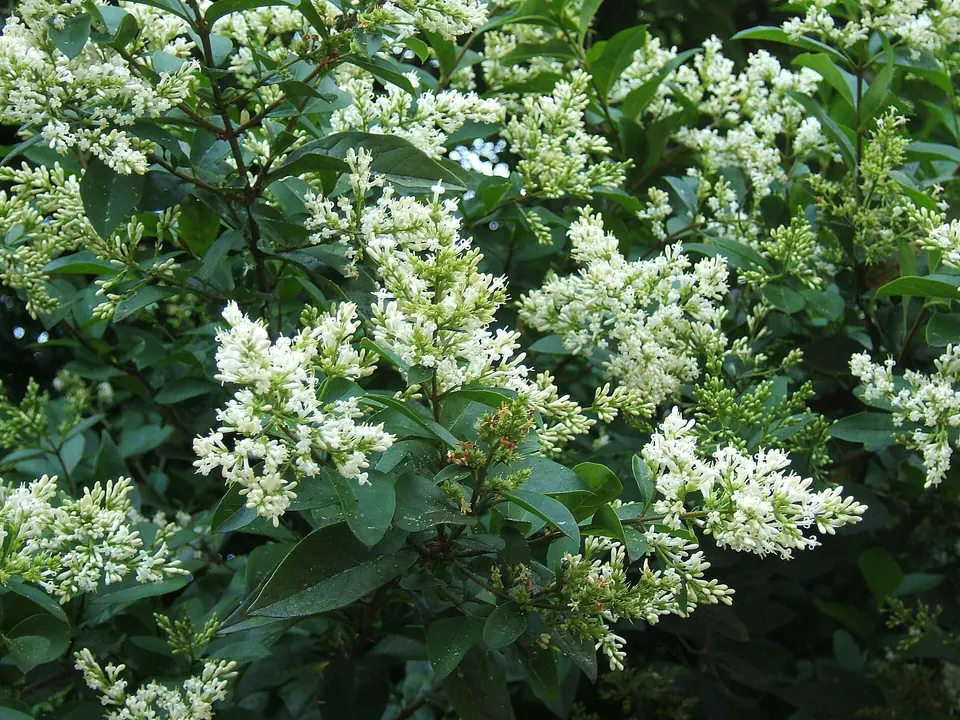
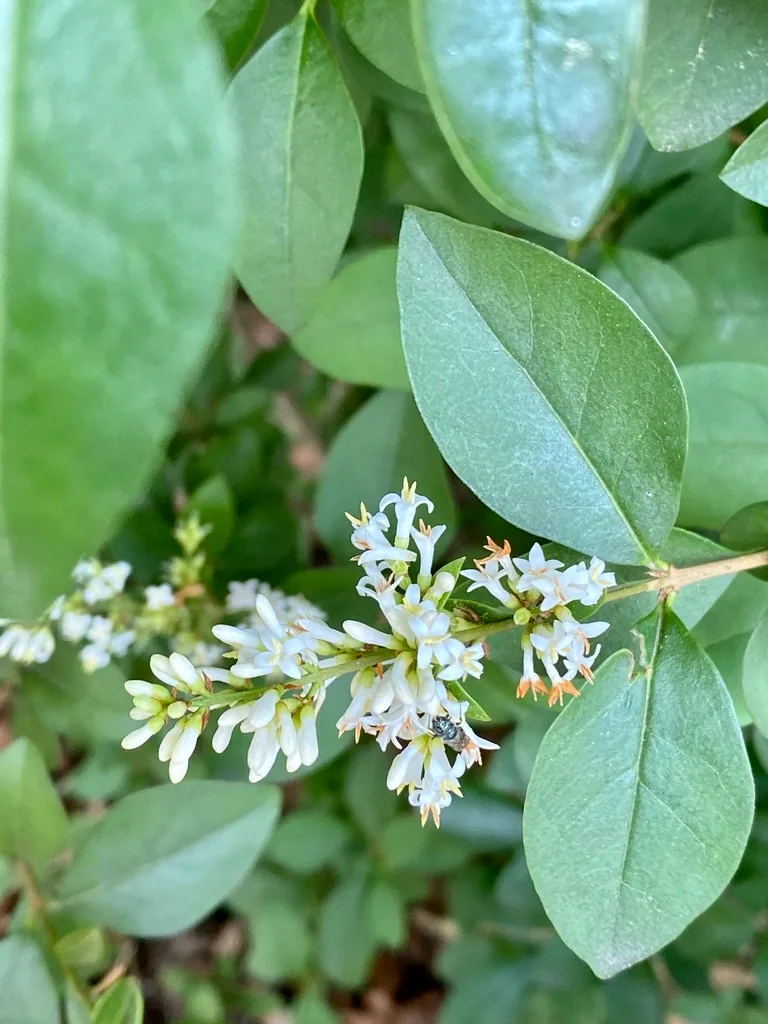
Ligustrum ovalifolium es un arbusto semiperennifolio originario de Japón, muy utilizado para setos; se vuelve caduco en inviernos severos o suelos pobres. [2] Es una planta muy tolerante que crece en la mayoría de los suelos, tolera la sombra y, una vez establecida, la sequía. [1] Se ha naturalizado en muchos países y está catalogada como maleza ambiental en Nueva Zelanda. [3]
Citado en inglés, como en la fuente.
Esta ficha está incompleta: las fuentes consultadas aún no cubren todos los campos.
Aún no cubierto por nuestras fuentes: Rusticidad, zona más fría, Rusticidad, zona más cálida, Poda
Cuidados
Riego
Riego
Tolerante a la sequía una vez establecido
Qué dicen las fuentes (1)
Shade tolerant, established plants also tolerate drought[ 200 TitleNotas sobre el riego
Una planta codiciosa que extrae más nutrientes y humedad del suelo circundante que la mayoría de los arbustos de seto
Qué dicen las fuentes (1)
though it is also very greedy, robbing the surrounding soil of more nutrients and moisture than most hedging plants[ 200 TitleLuz
Tolerante a la sombra; prospera en rincones oscuros
Qué dicen las fuentes (2)
Shade tolerant, established plants also tolerate drought[ 200 TitleThe oval-leaved privet is a worthy associate of the common one for dark corners or places starved by roots of trees where scarcely anything else will grow.Clima y frío
Rusticidad, zona más fría
No figura en las fuentes consultadas.
Rusticidad, zona más cálida
No figura en las fuentes consultadas.
Propagación
Semilla; esquejes a media madurez a mediados del verano; esquejes de madera madura a finales del otoño
Qué dicen las fuentes (3)
The seed does not require any pre-treatment and can be sown in the spring in a cold frame[ 113 TitleCuttings of half-ripe wood, 5 - 10cm with a heel, mid summer in a frame. Very easy[ 78 TitleCuttings of mature wood, 20 - 30cm in a sheltered outdoor bed in late autumn. High percentage[ 78 TitleCultivo
Distancias
Entre plantas
En un seto: 37.5 cm [15 in] de separación en condiciones promedio; el espaciado puede necesitar reducirse ligeramente en suelos pobres o condiciones difíciles.
Qué dicen las fuentes (2)
Ligustrum ovalifolium (common privet) M-L (3): A good choice, but prone to honey fungusNumbers denote suggested spacings for planting in average conditions. In poor soils or difficult conditions, spacings may need to be slightly reduced. 1 = 10-15cm (4-6in) apart 2 = 30cm (1ft) apart 3 = 37.5cm (15in) apartPoda
Cuándo podar
Dos o tres veces durante la temporada de crecimiento; detén a fines del verano para evitar daños por heladas en el nuevo crecimiento. La poda suprime la floración.
Problemas
Hongo de la miel
Qué dicen las fuentes (1)
This species is notably susceptible to honey fungus[ 200 Title The New RHS Dictionary of Gardening.
— Ligustrum ovalifolium - Useful Temperate Plants [1]
Remedios
Cada remedio indica qué dicen las fuentes oficiales; los remedios tradicionales sin fuente oficial aparecen marcados. Los perjudiciales están para que sepas evitarlos.
Primeros auxilios
Primeros auxilios: no sustituyen al médico
ingestión
Retira los trozos de plantas de la boca y enjuaga. Fuente oficial, sin prueba independiente
Call the NSW Poisons Information Centre on 13 11 26 for immediate support. They will give you information about any first aid you need to do and tell you which emergency department to go to.
— schn.health.nsw.gov.au [10] Seek medical attention if symptoms occur or more than 5 berries are eaten.
— childrens.health.qld.gov.au [11] Cómo: Retira los trozos de la planta de la boca y luego enjuaga con agua.
flushing the eyes with clean, running water for 10-15 minutes - removing plant pieces from your child's mouth, then rinsing with water.
— schn.health.nsw.gov.au [10]
hojas o bayas en los ojos o la piel
Lava la piel y enjuaga los ojos con agua corriente. Fuente oficial, sin prueba independiente
Call the NSW Poisons Information Centre on 13 11 26 for immediate support. They will give you information about any first aid you need to do and tell you which emergency department to go to.
— schn.health.nsw.gov.au [10] Cómo: Lava la piel afectada con agua corriente; enjuaga los ojos con agua limpia y corriente durante 10-15 minutos.
washing the affected skin with running water - flushing the eyes with clean, running water for 10-15 minutes
— schn.health.nsw.gov.au [10]
Toxicidad
Según la fuente, citada textualmente. No es un consejo médico ni veterinario: si una persona o un animal pudo haber ingerido esta planta, contacta con un centro de toxicología o con un veterinario.
Calendario
Siembra
Primavera, en un marco frío
Qué dicen las fuentes (1)
The seed does not require any pre-treatment and can be sown in the spring in a cold frame[ 113 TitlePlantación
Finales de primavera o principios de verano, después de las últimas heladas esperadas (plántulas)
Qué dicen las fuentes (1)
Plant them out into their permanent positions in late spring or early summer, after the last expected frosts.Poda
No figura en las fuentes consultadas.
Meses tal como los dan las fuentes, en su mayoría de Estados Unidos (hemisferio norte). En el hemisferio sur se desplazan unos seis meses.
Plantas similares
- Amur privet Ligustrum amurense
- Aligustrina Ligustrum sinense
- Glossy Privet Ligustrum lucidum
- Aligustrón Ligustrum japonicum
- Aligustre Ligustrum vulgare
- Hipérico rastrero Hypericum calycinum
- Abeto de Vancuver Abies grandis
- Abraham Trachystemon orientalis
Fuentes
Cada valor anterior se cita de estos documentos. Los enlaces llevan al editor original.
- Ligustrum ovalifolium - Useful Temperate Plants · temperate.theferns.info, consultado
- Ligustrum ovalifolium - Trees and Shrubs Online · treesandshrubsonline.org, consultado
- Ligustrum ovalifolium • New Zealand Plant Conservation Network · nzpcn.org.nz, consultado
- Ligustrum ovalifolium - Calflora · calflora.org, consultado
- privet · poisonousplants.massey.ac.nz, consultado
- Nonnative Privets | Missouri Department of Conservation · mdc.mo.gov, consultado
- rhs.org.uk · rhs.org.uk
- rhs.org.uk · rhs.org.uk
- rhs.org.uk · rhs.org.uk
- schn.health.nsw.gov.au · schn.health.nsw.gov.au
- childrens.health.qld.gov.au · childrens.health.qld.gov.au
Escrito por Emilio Marruso · última revisión