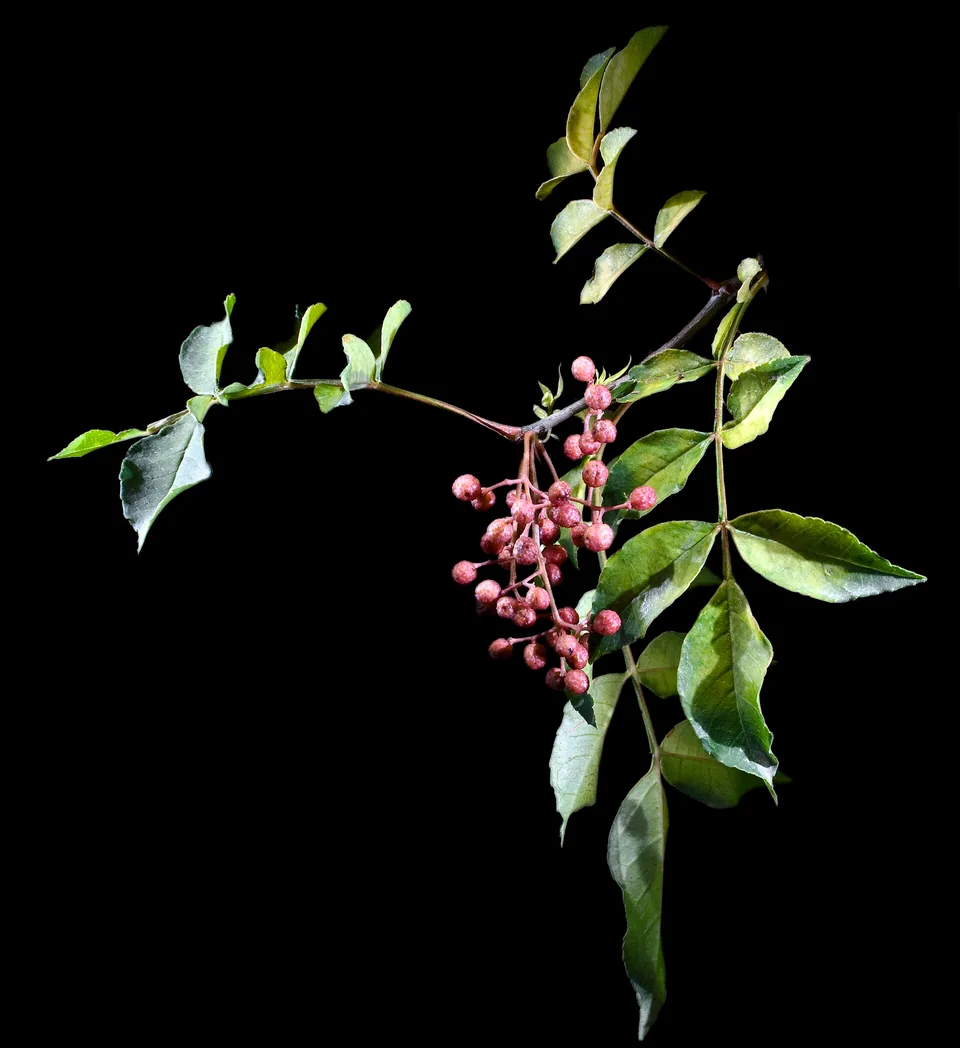
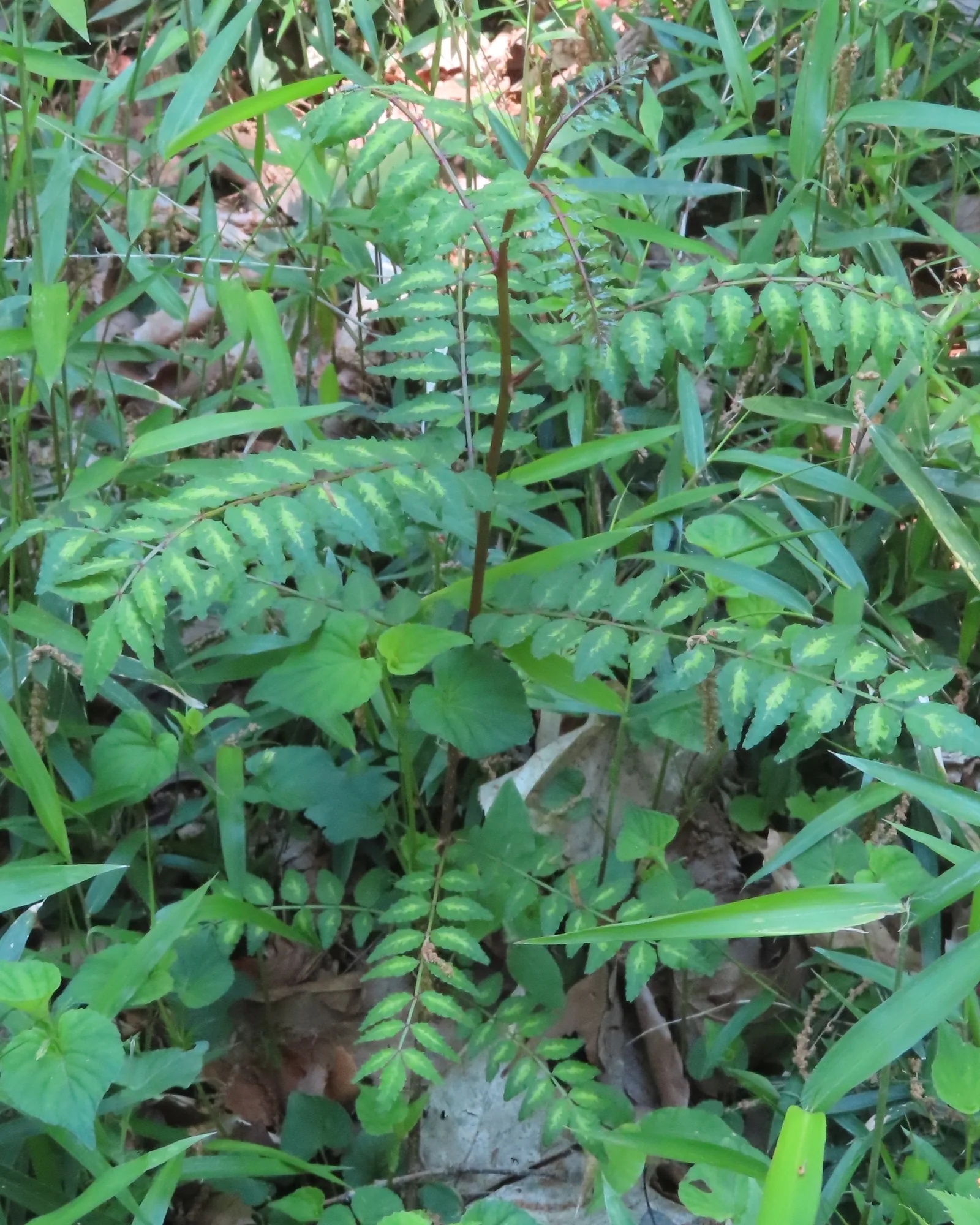

Cómo cultivar y cuidar Pimienta de Sichuan
Zanthoxylum piperitum
Escrito por Emilio Marruso · última revisión
Tóxica para: Personas · Por qué
De un vistazo
La pimienta japonesa te da tu propia especia: sus semillas, cocinadas y molidas, sustituyen a la pimienta, y sus hojas jóvenes, crudas o cocinadas, dan sabor a sopas y ensaladas. Crece a pleno sol o en semisombra, en un suelo profundo, bien drenado y que conserve la humedad. Siémbrala en otoño, en cuanto la semilla esté madura.
- Sol
Sol pleno o semisombra
Qué dicen las fuentes (2)
Luz: Pleno sol a semisombra
but prefers a good deep well-drained moisture retentive soil in full sun or semi-shade
— Zanthoxylum piperitum - Useful Temperate Plants [4] Light Range: Part Sun to Full Sun pH Range: 5 to 7.5 Soil Range: Some Sand to Some Clay Water Range: Normal to Moist
— Zanthoxylum piperitum ( Japanese Prickly Ash ) - Professional Gardening Tips [5] - Riego
Riego normal; le gusta la tierra húmeda
Qué dicen las fuentes (1)
Riego: Normal a húmedo
Light Range: Part Sun to Full Sun pH Range: 5 to 7.5 Soil Range: Some Sand to Some Clay Water Range: Normal to Moist
— Zanthoxylum piperitum ( Japanese Prickly Ash ) - Professional Gardening Tips [5] - Frío
Aguanta inviernos de hasta −28,9 °C (−20 °F)
Muy rústica · USDA 5 · RHS H7 · Z5
Qué dicen las fuentes (2)
Rusticidad, zona más fría: 5 [mínima invernal de −28,9 a −23,3 °C (de −20 a −10 °F)]
Bloomtime Range: Early Spring to Early Spring USDA Hardiness Zone: 5 to 7 AHS Heat Zone: Not defined for this plant
— Zanthoxylum piperitum ( Japanese Prickly Ash ) - Professional Gardening Tips [5] Rusticidad, zona más cálida: 7 [mínima invernal de −17,8 a −12,2 °C (de 0 a 10 °F)]
Bloomtime Range: Early Spring to Early Spring USDA Hardiness Zone: 5 to 7 AHS Heat Zone: Not defined for this plant
— Zanthoxylum piperitum ( Japanese Prickly Ash ) - Professional Gardening Tips [5] - Suelo
Suelo profundo, bien drenado y que retenga la humedad; pH 5,0–7,5
Qué dicen las fuentes (3)
Notas sobre el riego: Prefiere un suelo profundo, bien drenado y que retenga la humedad
but prefers a good deep well-drained moisture retentive soil in full sun or semi-shade
— Zanthoxylum piperitum - Useful Temperate Plants [4] pH del suelo, mínimo: 5.0
Light Range: Part Sun to Full Sun pH Range: 5 to 7.5 Soil Range: Some Sand to Some Clay Water Range: Normal to Moist
— Zanthoxylum piperitum ( Japanese Prickly Ash ) - Professional Gardening Tips [5] pH del suelo, máximo: 7.5
Light Range: Part Sun to Full Sun pH Range: 5 to 7.5 Soil Range: Some Sand to Some Clay Water Range: Normal to Moist
— Zanthoxylum piperitum ( Japanese Prickly Ash ) - Professional Gardening Tips [5] - Plantación
Planta las plántulas a principios de verano, tras su primer invierno; los hijuelos, a finales de invierno
Qué dicen las fuentes (2)
Plantación: Principios del verano (plántulas después de su primer invierno); finales del invierno (chupones)
grow them on in a cold frame for their first winter. Plant them out in early summer.
— Zanthoxylum piperitum - Useful Temperate Plants [4] Suckers, removed in late winter and planted into their permanent positions
— Zanthoxylum piperitum - Useful Temperate Plants [4] - Cosecha
Las semillas cocinadas y molidas sustituyen a la pimienta; las hojas jóvenes, en sopas y ensaladas
- Multiplicación
Por semilla, esquejes a mediados de verano, esquejes de raíz o hijuelos
Qué dicen las fuentes (3)
Propagación: Semilla (necesita estratificación y no debe secarse); esquejes de madera semimadura a mediados del verano; esquejes de raíz; retoños
Cuttings of half-ripe wood, mid summer in a frame. Root cuttings, 3cm long, planted horizontally in pots in a greenhouse.
— Zanthoxylum piperitum - Useful Temperate Plants [4] I’ve now sown the seed (they need stratifying and shouldn’t dry out before sowing) and will also try to propagate by cuttings later in the winter
— Sansho fruiting for the first time in Malvik – Edimentals ! [3] Suckers, removed in late winter and planted into their permanent positions
— Zanthoxylum piperitum - Useful Temperate Plants [4] - Siembra
Siembra la semilla madura en otoño en invernadero; necesita frío y no debe secarse
Qué dicen las fuentes (5)
Siembra: Otoño, tan pronto como la semilla esté madura (invernadero); semilla almacenada lo más temprano posible en el año (cajonera fría)
Seed - best sown in a greenhouse as soon as it is ripe in the autumn.
— Zanthoxylum piperitum - Useful Temperate Plants [4] Sow stored seed in a cold frame as early in the year as possible.
— Zanthoxylum piperitum - Useful Temperate Plants [4] Propagación: Semilla (necesita estratificación y no debe secarse); esquejes de madera semimadura a mediados del verano; esquejes de raíz; retoños
Cuttings of half-ripe wood, mid summer in a frame. Root cuttings, 3cm long, planted horizontally in pots in a greenhouse.
— Zanthoxylum piperitum - Useful Temperate Plants [4] I’ve now sown the seed (they need stratifying and shouldn’t dry out before sowing) and will also try to propagate by cuttings later in the winter
— Sansho fruiting for the first time in Malvik – Edimentals ! [3] Suckers, removed in late winter and planted into their permanent positions
— Zanthoxylum piperitum - Useful Temperate Plants [4] - Seguridad
En grandes dosis, el fruto es tóxico para el sistema nervioso
Resumen
El pimiento japonés es un arbusto caducifolio espinoso que se cultiva en Japón y Corea por su fruto, utilizado como condimento similar a la pimienta. [4] La semilla molida se usa como condimento y las hojas jóvenes como aromatizante. [4] Es dioico, por lo que se necesitan plantas masculinas y femeninas para obtener fruto y semilla. [4]
Citado en inglés, como en la fuente.
Esta ficha está incompleta: las fuentes consultadas aún no cubren todos los campos.
Aún no cubierto por nuestras fuentes: Cosecha
Cuidados
Riego
Riego
Normal a húmedo
Qué dicen las fuentes (1)
Light Range:
Part Sun to Full Sun
pH Range:
5 to 7.5
Soil Range:
Some Sand to Some Clay
Water Range:
Normal to MoistNotas sobre el riego
Prefiere un suelo profundo, bien drenado y que retenga la humedad
Qué dicen las fuentes (1)
but prefers a good deep well-drained moisture retentive soil in full sun or semi-shadeLuz
Pleno sol a semisombra
Qué dicen las fuentes (2)
but prefers a good deep well-drained moisture retentive soil in full sun or semi-shadeLight Range:
Part Sun to Full Sun
pH Range:
5 to 7.5
Soil Range:
Some Sand to Some Clay
Water Range:
Normal to MoistClima y frío
Rusticidad, zona más fría
5 [mínima invernal de −28,9 a −23,3 °C (de −20 a −10 °F)]
Qué dicen las fuentes (1)
Bloomtime Range:
Early Spring to Early Spring
USDA Hardiness Zone:
5 to 7
AHS Heat Zone:
Not defined for this plantRusticidad, zona más cálida
7 [mínima invernal de −17,8 a −12,2 °C (de 0 a 10 °F)]
Qué dicen las fuentes (1)
Bloomtime Range:
Early Spring to Early Spring
USDA Hardiness Zone:
5 to 7
AHS Heat Zone:
Not defined for this plantSuelo
pH del suelo, mínimo
5.0
Qué dicen las fuentes (1)
Light Range:
Part Sun to Full Sun
pH Range:
5 to 7.5
Soil Range:
Some Sand to Some Clay
Water Range:
Normal to MoistpH del suelo, máximo
7.5
Qué dicen las fuentes (1)
Light Range:
Part Sun to Full Sun
pH Range:
5 to 7.5
Soil Range:
Some Sand to Some Clay
Water Range:
Normal to MoistPropagación
Semilla (necesita estratificación y no debe secarse); esquejes de madera semimadura a mediados del verano; esquejes de raíz; retoños
Qué dicen las fuentes (3)
Cuttings of half-ripe wood, mid summer in a frame.
Root cuttings, 3cm long, planted horizontally in pots in a greenhouse.I’ve now sown the seed (they need stratifying and shouldn’t dry out before sowing) and will also try to propagate by cuttings later in the winterSuckers, removed in late winter and planted into their permanent positionsRemedios
Las fuentes consultadas no dan remedios para esta planta.
Toxicidad
Según la fuente, citada textualmente. No es un consejo médico ni veterinario: si una persona o un animal pudo haber ingerido esta planta, contacta con un centro de toxicología o con un veterinario.
Calendario
Siembra
Otoño, tan pronto como la semilla esté madura (invernadero); semilla almacenada lo más temprano posible en el año (cajonera fría)
Plantación
Principios del verano (plántulas después de su primer invierno); finales del invierno (chupones)
Cosecha
No figura en las fuentes consultadas.
Meses tal como los dan las fuentes, en su mayoría de Estados Unidos (hemisferio norte). En el hemisferio sur se desplazan unos seis meses.
Comestibilidad
Según la fuente, citada textualmente. No comas una planta basándote solo en esta página: los errores de identificación pueden ser peligrosos.
Valores orientativos
Valores de una fuente secundaria, no comprobados palabra por palabra como el resto de esta página. Úselos como punto de partida.
- Ciclo de vida
- PerenneValor orientativo, adáptalo a tu clima · Fuente secundaria
- Resiste la sequía
- SíValor orientativo, adáptalo a tu clima · Fuente secundaria
- Nivel de cuidado
- MedioValor orientativo, adáptalo a tu clima · Fuente secundaria
- Crecimiento
- BajoValor orientativo, adáptalo a tu clima · Fuente secundaria
- Poda
- Febrero, marzo, abrilValor orientativo, adáptalo a tu clima · Fuente secundaria
- Plagas
- Mancha foliar fúngica, Mildiu, Roya, Resistente a ciervos, Resistente a conejosValor orientativo, adáptalo a tu clima · Fuente secundaria
Plantas similares
- Hercules Club Zanthoxylum clava-herculis
- Prickly-ash Zanthoxylum americanum
- Szechuan Pepper Zanthoxylum simulans
- Abeto de Vancuver Abies grandis
- Abraham Trachystemon orientalis
- Bananero de Etiopía Ensete ventricosum
- Acacia longifolia Acacia longifolia
- Acanthus hungaricus Acanthus hungaricus
Fuentes
Cada valor anterior se cita de estos documentos. Los enlaces llevan al editor original.
- Ethnobotanical Plant Zanthoxylum piperitum | Dr. Duke's Phytochemical and Ethnobotanical Databases · phytochem.nal.usda.gov, consultado
- TAXON: Zanthoxylum piperitum (L.) · plantpono.org, consultado
- Sansho fruiting for the first time in Malvik – Edimentals ! · edimentals.com, consultado
- Zanthoxylum piperitum - Useful Temperate Plants · temperate.theferns.info, consultado
- Zanthoxylum piperitum ( Japanese Prickly Ash ) - Professional Gardening Tips · backyardgardener.com, consultado
- Japanese peppertree · hosho.ees.hokudai.ac.jp, consultado
Escrito por Emilio Marruso · última revisión