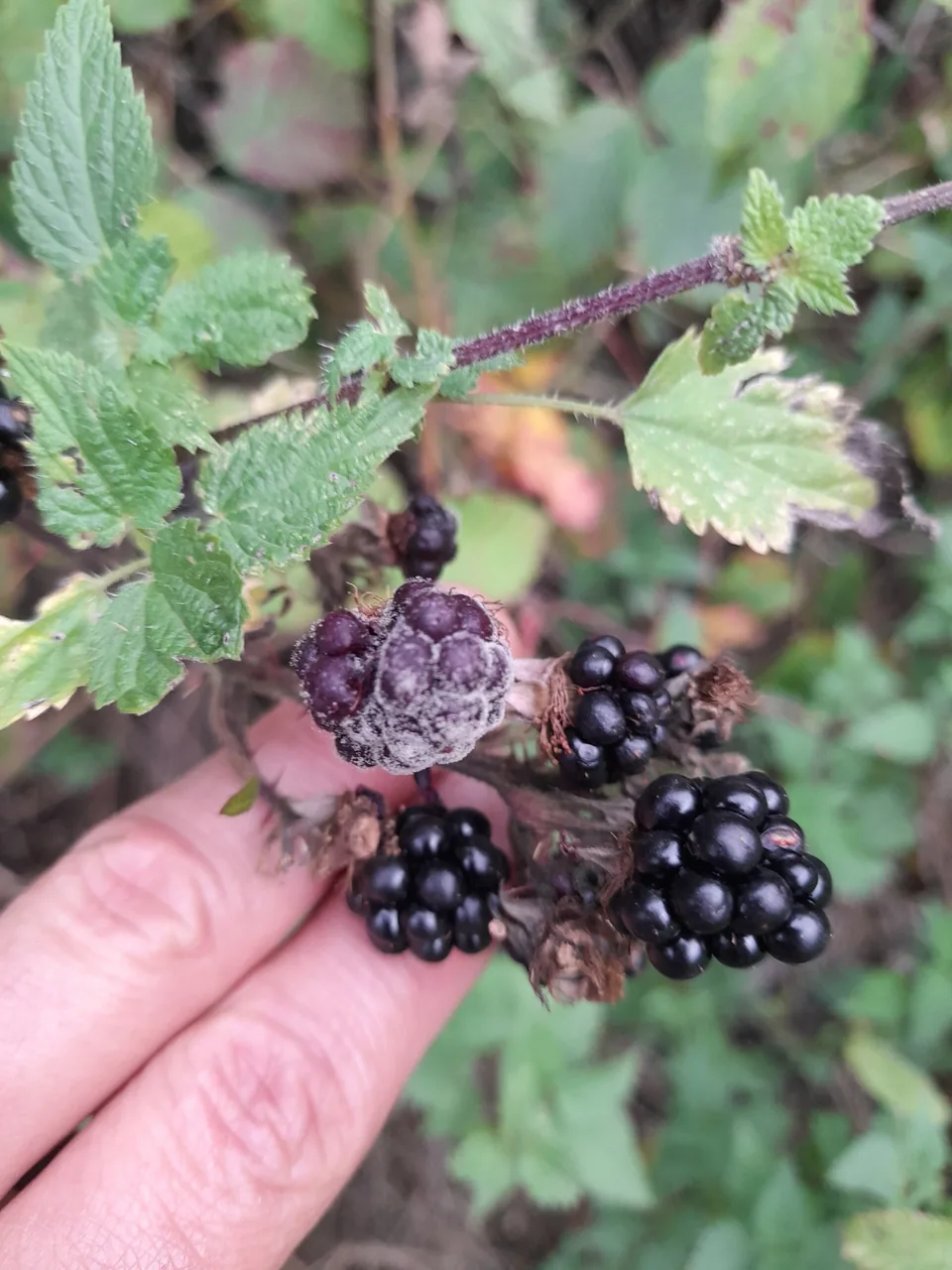
Fungus
Brownish-grey mildew
Botrytis cinerea
Written by Emilio Marruso
Classification: Ascomycota › Pezizomycotina › Leotiomycetes › Helotiales › Sclerotiniaceae › Botrytis
Plants it attacks
Plants in our guide where this problem is reported. Open a plant to see the sources.
- White Fir
Symptom: Listed among fungal diseases
- Jackfruit
Symptom: Male flowers and fruit attacked by Rhizopus fruit rot; fruit attacked by gray mold.
- Japanese Parsley
Symptom: White flies and gray mold in greenhouse settings
- Stromanthe
Symptom: Typically disease and pest-free, but mealybugs, red spider mites, and gray mold can occur.
- Giant Bamburanta
Symptom: The need for high humidity may cause gray mold
- Greek Cyclamen
Symptom: Can be susceptible to mites or cyclamen gray mold
- Coneflower
Symptom: Insect and disease problems; vine weevils may feed on roots
- Persian Violet
Symptom: Gray mold on seeds; broad mite damage; occasional worms and mites
- Globe Amaranth
Symptom: Cultivars are susceptible to powdery mildew, gray mold and fungal leaf spots during prolonged cool, damp weather
- Kalm's St. John's Wort
Symptom: Listed as a fungal disease of this shrub
- Cushion Bush
Symptom: Can be susceptible to grey mold
- Black-eyed Susan
Symptom: Pests and problems that may affect the plant include bacterial and cercospora leaf spot, powdery mildew, botrytis and aphids
Also reported on: African Daisy, Algerian Iris, Bird-Foot Violet, Bloody Cranesbill Geranium, Canadian Violet, Cannabis sativa, Doublefile Viburnum, Downy Lobelia, Easter Lily, Gloxinia, Golden Columbine, Great Blue Lobelia, Hairy Alumroot, Lavender, Metallic Leaf Begonia, Mind-Your-Own-Business, Mock Orange, Musk Mallow, Pale Violet, Rain Lily, Rose Verbena, Scarlett Strawberry, Slender Deutzia, Spiked Lobelia, Statice
Remedies
What our plant sheets report, with the outcome checked against official sources. Traditional remedies without an official source are flagged.
Treat
removing dead flowers Works
How: Remove dead flowers before gray mold develops.
Reported for 3 plants: Golden Columbine, Bloody Cranesbill Geranium, Great Blue Lobelia
picking off diseased fruit Works
How: Pick off diseased fruit and clean up plant debris; destroy or discard diseased materials, do not compost them.
Reported for 1 plant: Scarlett Strawberry
remove dead flowers Works
How: Remove dead flowers before gray mold develops.
Reported for 1 plant: Hairy Alumroot
sanitation, removing dead plant material Works
How: Remove and dispose of dead and dying leaves, buds and flowers promptly, and do not leave dead plant material lying around.
Reported for 1 plant: Cushion Bush
straw mulch beneath plants Works
How: Keep berries from contact with soil: plant in raised beds or use straw mulch beneath the plants.
Reported for 1 plant: Scarlett Strawberry
removing spent flowers Partly works
How: Groom the plants and remove spent or senescing flowers; avoid wetting the flowers when watering and space plants well.
Reported for 3 plants: Greek Cyclamen, Rose Verbena, Canadian Violet
removing spent or senescing flowers Partly works
How: Groom the plants and remove spent flowers; discard them when dry.
Reported for 2 plants: Bird-Foot Violet, Pale Violet
wider plant spacing for air flow Partly works
How: Maximize air flow in the plant canopy with proper row spacing and row orientation.
Reported for 1 plant: Cannabis sativa
avoiding overhead watering and improving air circulation Official source, not independently tested
How: Avoid wetting foliage, for example by using drip or microsprinkler irrigation, and improve air circulation around plants.
Reported for 1 plant: Slender Deutzia
cleaning up plant debris and avoiding overhead irrigation Official source, not independently tested
How: Clean up plant debris, incorporate crop residue into the soil soon after harvest, and avoid overhead irrigation especially when flowers are present.
Reported for 1 plant: Statice
improving air circulation Official source, not independently tested
How: Gray mold (Botrytis) infects flowers and leaves and is best controlled by providing good air circulation among plants.
Reported for 1 plant: Easter Lily
keeping leaves dry Official source, not independently tested
How: Avoid overhead watering and wetting plants, as this fungus is easily spread by splashing water and wind.
Reported for 1 plant: Cushion Bush
remove dead flowers Official source, not independently tested
How: Sanitation is the most important means of control: remove dead flowers before gray mold develops.
Reported for 1 plant: Spiked Lobelia
removing infected leaves Official source, not independently tested
How: Remove leaves showing signs of fungal problems; prune and discard any infected parts as soon as the problem is detected.
Reported for 1 plant: Stromanthe
avoid wetting the foliage Not verified
How: Avoid overwatering or wetting the foliage and flowers.
Reported for 1 plant: African Daisy
baking soda spray Not verified
How: Spray on the leaves; the source says it needs weekly reapplication.
Reported for 1 plant: Lavender
deadheading and removing plant debris Not verified
How: Regularly deadhead spent blooms and remove plant debris; water in the morning so foliage dries during the day.
Reported for 1 plant: Musk Mallow
pruning affected foliage and drying the soil Not verified
How: Cut back watering, allow the soil to completely dry and prune away foliage that has gray mold or lesions.
Reported for 1 plant: Mind-Your-Own-Business
pruning surrounding vegetation for air flow Not verified
How: Prune back the surrounding vegetation to increase air flow and sunlight on the foliage.
Reported for 1 plant: Mock Orange
reducing humidity and ensuring proper airflow Not verified
How: Reduce humidity, avoid condensation on leaves and ensure proper airflow.
Reported for 1 plant: Kalm's St. John's Wort
6 more remedies are reported in single plant sheets.
Where it is found
Regulated as a quarantine pest in: Switzerland, United Kingdom.