

How to Grow and Care for Rain Lily
Zephyranthes drummondii
Written by Emilio Marruso · last checked
Not toxic to cats and dogs, according to the sources · Sources
At a glance
This bulb is happy in full sun or partial shade, so it fits many corners of the garden. Once you have one, you can grow more: divide the clumps, sow the seeds, or plant the little bulbs that form beside the parent. It is also non-toxic to cats and dogs, a welcome choice for a garden shared with pets.
- Sun
Full sun to partial shade
What the sources say (2)
Light: Full sun to partial shade
Light: Full sun (6 or more hours of direct sunlight a day) Partial Shade (Direct sunlight only part of the day, 2-6 hours)
— Zephyranthes drummondii (Evening Rain Lily, Evening Star Rain Lily, Giant rain lily, Hill Country Rain Lily, Praire Lily, Prairie Lily, Rain Lily) | North Carolina Extension Gardener Plant Toolbox [1] Blooming occurs best in full sun, but they can tolerate light shade.
— Zephyranthes drummondii (Evening Rain Lily, Evening Star Rain Lily, Giant rain lily, Hill Country Rain Lily, Praire Lily, Prairie Lily, Rain Lily) | North Carolina Extension Gardener Plant Toolbox [1] - Cold
Survives winters down to 0 °F (−17.8 °C)
Hardy in very cold winters · USDA 7a · RHS H6 · Z7
What the sources say (2)
Hardiness, coldest zone: 7a [winter low −17.8 to −15 °C (0 to 5 °F)]
USDA Plant Hardiness Zone: 7a, 7b, 8a, 8b, 9a, 9b, 10a, 10b
— Zephyranthes drummondii (Evening Rain Lily, Evening Star Rain Lily, Giant rain lily, Hill Country Rain Lily, Praire Lily, Prairie Lily, Rain Lily) | North Carolina Extension Gardener Plant Toolbox [1] Hardiness, warmest zone: 10b [winter low 1.7 to 4.4 °C (35 to 40 °F)]
USDA Plant Hardiness Zone: 7a, 7b, 8a, 8b, 9a, 9b, 10a, 10b
— Zephyranthes drummondii (Evening Rain Lily, Evening Star Rain Lily, Giant rain lily, Hill Country Rain Lily, Praire Lily, Prairie Lily, Rain Lily) | North Carolina Extension Gardener Plant Toolbox [1] - Propagation
Divide the clumps, sow the seeds or plant the small bulbs that form beside the parent
What the sources say (2)
Propagation: Division; seed; bulb offsets
Recommended Propagation Strategy: Division Seed Country Or Region Of Origin:
— Zephyranthes drummondii (Evening Rain Lily, Evening Star Rain Lily, Giant rain lily, Hill Country Rain Lily, Praire Lily, Prairie Lily, Rain Lily) | North Carolina Extension Gardener Plant Toolbox [1] Plant bulbs 2 inches deep in well-drained soil. They spread by bulb offsets and seeds.
— Zephyranthes drummondii (Evening Rain Lily, Evening Star Rain Lily, Giant rain lily, Hill Country Rain Lily, Praire Lily, Prairie Lily, Rain Lily) | North Carolina Extension Gardener Plant Toolbox [1] - Safety
Non-toxic to cats and dogs
Overview
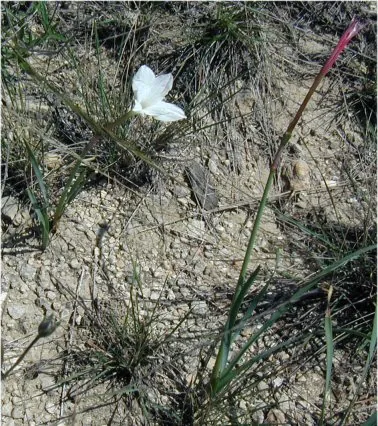
Evening star rain lily is a bulb with fragrant white flowers that open in the evening, suited to a nighttime garden. [1] It blooms best in full sun, tolerates light shade and spreads by bulb offsets and seeds. [1]
This record is incomplete: the sources we read do not cover every field yet.
Not yet covered by our sources: Watering, Pruning
Rain Lily care
How to water Rain Lily
Not stated in the sources we read.
How much light Rain Lily needs
Full sun to partial shade
What the sources say (2)
Light:
Full sun (6 or more hours of direct sunlight a day)
Partial Shade (Direct sunlight only part of the day, 2-6 hours)Blooming occurs best in full sun, but they can tolerate light shade.How much cold Rain Lily can take
Hardiness, coldest zone
7a [winter low −17.8 to −15 °C (0 to 5 °F)]
What the sources say (1)
USDA Plant Hardiness Zone:
7a, 7b, 8a, 8b, 9a, 9b, 10a, 10bHardiness, warmest zone
10b [winter low 1.7 to 4.4 °C (35 to 40 °F)]
What the sources say (1)
USDA Plant Hardiness Zone:
7a, 7b, 8a, 8b, 9a, 9b, 10a, 10bHow to propagate Rain Lily
Division; seed; bulb offsets
What the sources say (2)
Recommended Propagation Strategy:
Division
Seed
Country Or Region Of Origin:Plant bulbs 2 inches deep in well-drained soil. They spread by bulb offsets and seeds.How to grow Rain Lily
The plant
Family
Amaryllidaceae
What the sources say (1)
Evening star rainlily is a bulb with fragrant, dainty white flowers in the amaryllis family (Amaryllidaceae).Remedies
Each remedy shows what official sources say about it; traditional remedies without an official source are marked as such. Harmful ones are listed so you know to avoid them.
Treating the plant
gray mold
removing infected plant parts Official source, not independently tested
How: Remove infected flowers, leaves and stems; bury or compost the infected plant parts.
Remove infected flowers, leaves and stems. Infected plant parts should be buried or composted.
— extension.umn.edu [4]
red blotch
good ventilation and keeping foliage dry Not verified
Traditional remedy, not verified by an official source.
How: Provide ventilation and avoid watering in cool, damp weather.
Is Rain Lily poisonous?
Reported by the source, quoted verbatim. This is not medical or veterinary advice: if a person or an animal may have eaten this plant, contact a poison control centre or a veterinarian.
Calendar
Pruning
Not stated in the sources we read.
Months as given by the sources, which are mostly from the United States (northern hemisphere). In the southern hemisphere they shift by about six months.
Similar plants
- Aztec Lily Zephyranthes formosissima
- Rain Lily Zephyranthes atamasco
- Rain Lily Zephyranthes candida
- African Blood Lily Scadoxus multiflorus
- African Blue Lily Agapanthus praecox
- Allium triquetrum Allium triquetrum
- Amazon Lily Urceolina amazonica
- Blue Globe Onion Allium caeruleum
Sources
Every value above is quoted from these documents. Links lead to the original publisher.
- Zephyranthes drummondii (Evening Rain Lily, Evening Star Rain Lily, Giant rain lily, Hill Country Rain Lily, Praire Lily, Prairie Lily, Rain Lily) | North Carolina Extension Gardener Plant Toolbox · plants.ces.ncsu.edu, consulted
- Evening Star Rain Lily - Zephyranthes drummondii | North Carolina Extension Gardener Plant Toolbox · plants.ces.ncsu.edu, consulted
- Zephyranthes (Atamasco Lily, Fairy Lily, Rainflower, Rain Lily, Zephyr Lily) | North Carolina Extension Gardener Plant Toolbox · plants.ces.ncsu.edu, consulted
- extension.umn.edu · extension.umn.edu
Written by Emilio Marruso · last checked