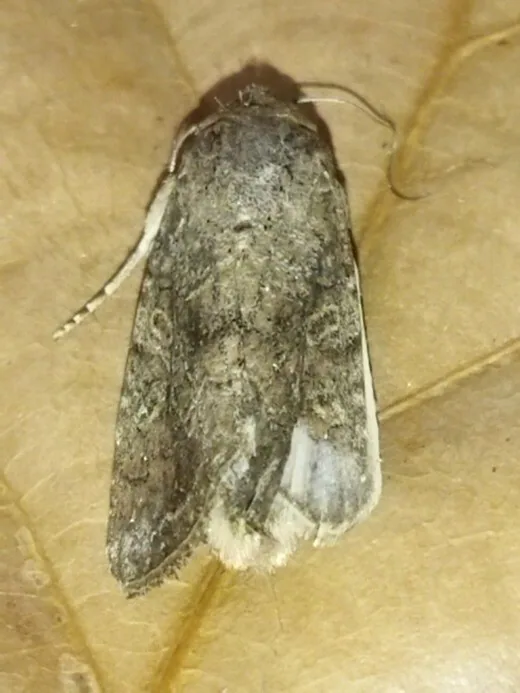
Insect
Armyworms
Spodoptera
Written by Emilio Marruso
Classification: Arthropoda › Hexapoda › Insecta › Lepidoptera › Noctuidae
Plants it attacks
Plants in our guide where this problem is reported. Open a plant to see the sources.
- Blue Maidencane
Symptom: Listed as potential problems; symptoms not described
- Crabgrass
Symptom: Armyworms can reduce yields and establishment.
- Garden lettuce
Symptom: Insect pests; pressure is much greater on summer and fall crops than on spring crops
- Common flax
Symptom: Cutworm larvae cut and consume seedlings at the soil level; armyworm larvae feed on foliage in midseason
Also reported on: Celery, Coriander, Garden pea, Peanut, Vaccinium vitis idaea
Remedies
What our plant sheets report, with the outcome checked against official sources. Traditional remedies without an official source are flagged.
Treat
hand-picking Works
How: Hand-picking the caterpillars.
Reported for 1 plant: Coriander
hand-picking caterpillars Works
How: Handpick caterpillars at dusk.
Reported for 1 plant: Celery
bacillus thuringiensis (bt) powder Not verified
How: Use a powdered form of Bacillus thuringiensis. This bacteria, often abbreviated to BT, will kill off these larvae. You will need to re-dust your berries after rain. Liquid versions of BT may also be effective.
Reported for 1 plant: Vaccinium vitis idaea
diatomaceous earth around seedlings Not verified
How: Sprinkle diatomaceous earth around seedlings.
Reported for 1 plant: Celery
hand-picking Not verified
How: handpick the caterpillars and destroy them
Reported for 1 plant: Garden pea
predators and removing grassy borders Not verified
How: Parasitic predator insects such as beetles, wasps and flies help control armyworms; eliminate grassy borders near peanuts and separate grass crops such as corn and wheat as much as possible.
Reported for 1 plant: Peanut
Where it is found
No distribution data.