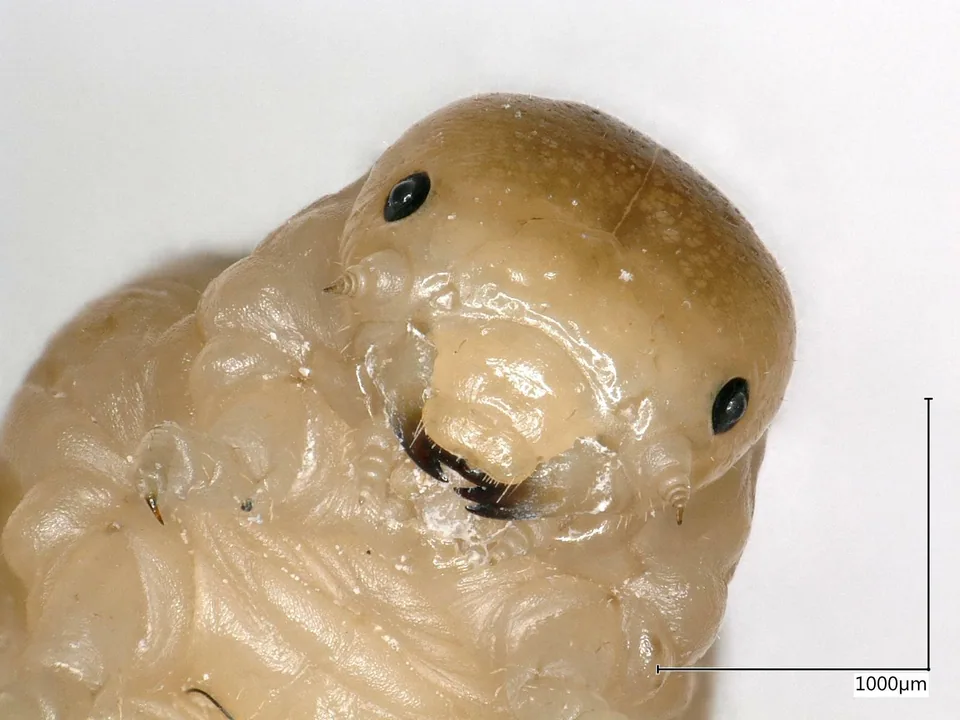
Insect
Sawflies
Tenthredinidae
Written by Emilio Marruso
Classification: Arthropoda › Hexapoda › Insecta › Hymenoptera
Plants it attacks
Plants in our guide where this problem is reported. Open a plant to see the sources.
- Goat's Beard
Symptom: Some susceptibility to sawflies and leaf spot.
- Franklin Tree
Symptom: Sawflies eat the trees; wilt and root rot can be serious problems.
- Black Spruce
Symptom: The spruce budworm, yellowheaded spruce sawfly and greenheaded spruce sawfly are destructive
- Lodgepole Pine
Symptom: Seen on the tree; no serious insect or disease problems are reported.
Also reported on: Apple, Bosnian Pine, Broadleaf Enchanter's Nightshade, European Mountain Ash, Lady Banks, Red-Twig Dogwood, Saskatoon Serviceberry, Slash Pine, Tall Boneset, Turtlehead, Turtlehead, Western Redcedar, White Spruce, White Turtlehead
Remedies
What our plant sheets report, with the outcome checked against official sources. Traditional remedies without an official source are flagged.
Treat
forceful water spray Works
How: A forceful spray of water can knock small sawflies off of a plant; the dislodged insects cannot climb back onto the plant.
Reported for 2 plants: Goat's Beard, Broadleaf Enchanter's Nightshade
hand-picking into soapy water Works
How: Hand-pick larger pests into a bucket of soapy water.
Reported for 1 plant: Saskatoon Serviceberry
hand-picking larvae Works
How: Monitor the tree regularly for signs of sawfly larvae and hand-pick them if found.
Reported for 1 plant: Apple
hand-picking larvae into soapy water Works
How: Pick the larvae off and drop them in soapy water.
Reported for 1 plant: Red-Twig Dogwood
handpicking larvae Works
How: Handpicking the larvae is effective. Inspect all conifers in early to mid-spring for groups of hatching larvae.
Reported for 1 plant: Bosnian Pine
insecticidal soap Works
How: Insecticidal soap sprays can kill sawfly larvae.
Reported for 1 plant: Western Redcedar
horticultural oil spray Partly works
How: Heavier infestations on larger trees may justify foliar sprays of horticultural oil, insecticidal soap or a contact insecticide such as Sevin. Spraying is of greatest benefit when done before the larvae become one-half grown.
Reported for 1 plant: Bosnian Pine
picking larvae into soapy water Official source, not independently tested
How: Pick off sawfly larvae by hand and drop them into a container of soapy water.
Reported for 1 plant: Broadleaf Enchanter's Nightshade
clipping off infested leaves Not verified
How: Clip off the infested leaves and dispose of them in the household waste.
Reported for 1 plant: Lady Banks
handpicking Not verified
How: No prevention available; control by handpicking or spraying with a recommended insecticide.
Reported for 1 plant: White Spruce
hose water blast Not verified
How: rinse plants with a strong blast from the hose
Reported for 1 plant: White Turtlehead
removing egg clusters by hand Not verified
How: Check under the leaves in spring and early summer and remove any clusters of eggs found.
Reported for 1 plant: European Mountain Ash
rinsing plants with a strong blast of water Not verified
How: Rinse plants with a strong blast from a hose.
Reported for 1 plant: Turtlehead
strong blast of water Not verified
How: Spray leaves with a strong blast of water from the hose.
Reported for 1 plant: Tall Boneset
4 more remedies are reported in single plant sheets.
Where it is found
No distribution data.