
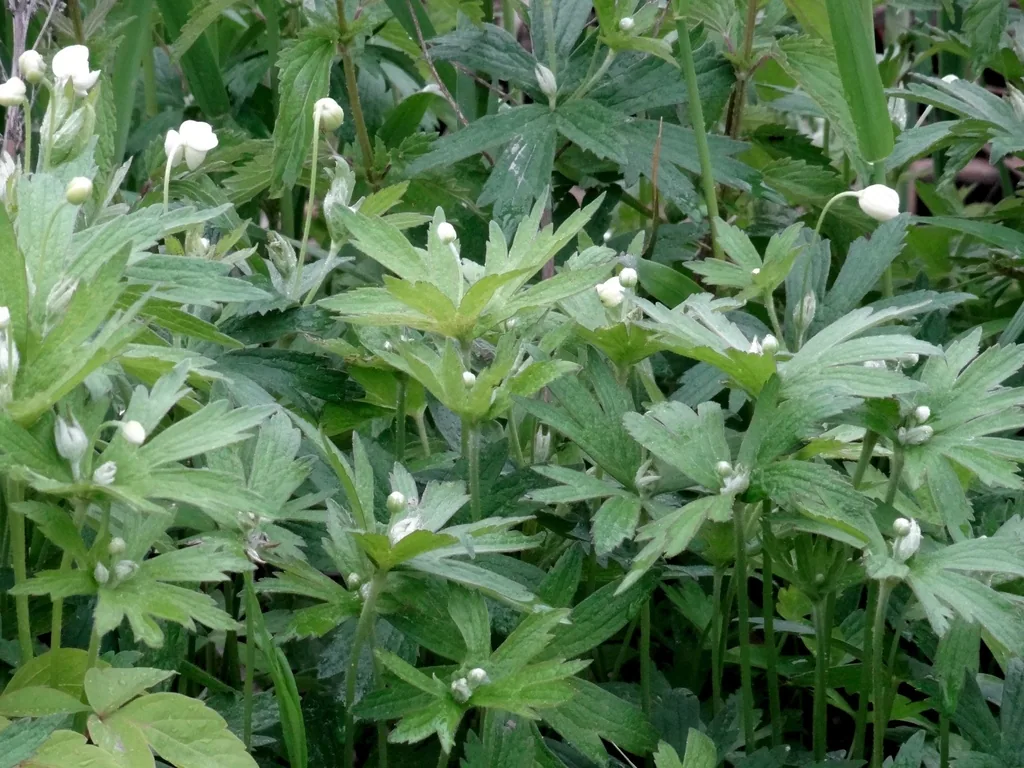

How to Grow and Care for Canadian anemone
Anemone canadensis
Written by Emilio Marruso · last checked
At a glance
Canada anemone is a perennial that comes back year after year, happy in full sun or part shade. Give it soil that stays moderately moist, never dry and never standing in water. You can start it from seed, plant it out in spring, or divide the clumps in late summer or fall to get even more plants.
- Sun
Full sun to part shade
What the sources say (1)
Light: Full sun to part shade
Exposure: Full sun to part shade
— Canada Anemone Is a Spring-Blooming Groundcover with Deer Resistance - Horticulture [4] - Water
Keep the soil moderately moist: never dry, never standing in water
What the sources say (1)
Watering: Moderate to moist soil; avoid dry soil and periodic standing water
well-drained moderate to moist soil. Avoid areas with dry soil or periodic standing water.
— Canada Anemone Is a Spring-Blooming Groundcover with Deer Resistance - Horticulture [4] - Cold
Survives winters down to −40 °F (−40 °C)
Very hardy · USDA 3 · RHS H7 · Z3
What the sources say (2)
Hardiness, coldest zone: 3 [winter low −40 to −34.4 °C (−40 to −30 °F)]
Because this is a spring bloomer, the time for division is fall. USDA Zones 3–8.
— Canada Anemone Is a Spring-Blooming Groundcover with Deer Resistance - Horticulture [4] Hardiness, warmest zone: 8 [winter low −12.2 to −6.7 °C (10 to 20 °F)]
Because this is a spring bloomer, the time for division is fall. USDA Zones 3–8.
— Canada Anemone Is a Spring-Blooming Groundcover with Deer Resistance - Horticulture [4] - Planting
Plant out in spring
What the sources say (1)
Planting: Spring (seedlings raised in the greenhouse)
When the plants are large enough, plant them out in the spring.
— Anemone canadensis - Useful Temperate Plants [3] - Propagation
Divide the clumps in late summer or fall, or move clumps with their roots
What the sources say (3)
Propagation: Seed; division of clumps (fall or late summer); transplanting root clumps
Division in late summer after the plant dies down.
— Anemone canadensis - Useful Temperate Plants [3] If flowering diminishes after a few years, dig and divide clumps to thin the patch.
— Canada Anemone Is a Spring-Blooming Groundcover with Deer Resistance - Horticulture [4] Seed - best sown in a cold frame as soon as it is ripe in the summer
— Anemone canadensis - Useful Temperate Plants [3] - Sowing
Sow fresh seed in summer in a cold frame; stored seed in late winter or early spring
What the sources say (2)
Sowing: Summer as soon as ripe, in a cold frame; stored seed in late winter or early spring
Seed - best sown in a cold frame as soon as it is ripe in the summer
— Anemone canadensis - Useful Temperate Plants [3] Sow stored seed as soon as possible in late winter or early spring.
— Anemone canadensis - Useful Temperate Plants [3]
Overview
Canada anemone is a rhizomatous perennial native to North America that is used as a groundcover. [4][1] It grows in full sun to part shade and spreads vigorously. [4]
This record is incomplete: the sources we read do not cover every field yet.
Not yet covered by our sources: Pruning
Canadian anemone care
How to water Canadian anemone
Moderate to moist soil; avoid dry soil and periodic standing water
What the sources say (1)
well-drained moderate to moist soil. Avoid areas with dry soil or periodic standing water.How much light Canadian anemone needs
Full sun to part shade
What the sources say (1)
Exposure: Full sun to part shadeHow much cold Canadian anemone can take
Hardiness, coldest zone
3 [winter low −40 to −34.4 °C (−40 to −30 °F)]
What the sources say (1)
Because this is a spring bloomer, the time for division is fall. USDA Zones 3–8.Hardiness, warmest zone
8 [winter low −12.2 to −6.7 °C (10 to 20 °F)]
What the sources say (1)
Because this is a spring bloomer, the time for division is fall. USDA Zones 3–8.How to propagate Canadian anemone
Seed; division of clumps (fall or late summer); transplanting root clumps
What the sources say (3)
Division in late summer after the plant dies down.If flowering diminishes after a few years, dig and divide clumps to thin the patch.Seed - best sown in a cold frame as soon as it is ripe in the summerHow to grow Canadian anemone
The plant
Life cycle
perennial
What the sources say (1)
This perennial species is rhizomatous, so it tends to grow in large colonies, often crowding out other vegetation.Family
Ranunculaceae
What the sources say (1)
It is a member of the buttercup family (Ranunculuaceae).Remedies
Each remedy shows what official sources say about it; traditional remedies without an official source are marked as such. Harmful ones are listed so you know to avoid them.
First aid
First aid: not a substitute for a doctor
skin irritation from handling
wash with running water and soap Official source, not independently tested
Observe the area for such signs of infection as red streaks around the area, swelling, pus, or a lot of discharge. If this happens, see your health care provider.
— poison.org [7] How: Wash the area thoroughly with plenty of running water and soap.
Wash the area thoroughly with plenty of running water and soap.
— poison.org [7]
Calendar
Sowing
Summer as soon as ripe, in a cold frame; stored seed in late winter or early spring
Planting
Spring (seedlings raised in the greenhouse)
What the sources say (1)
When the plants are large enough, plant them out in the spring.Pruning
Not stated in the sources we read.
Months as given by the sources, which are mostly from the United States (northern hemisphere). In the southern hemisphere they shift by about six months.
Indicative values
Values from a secondary source, not checked word for word like the rest of this page. Use them as a starting point.
- Mature height
- 30.5-61 cm (1-2 ft)Indicative value, adapt it to your climate · Secondary source
- Drought tolerant
- yesIndicative value, adapt it to your climate · Secondary source
- Soil
- Sandy Loamy Clay Humus RockyIndicative value, adapt it to your climate · Secondary source
- Soil pH
- 5.5-7Indicative value, adapt it to your climate · Secondary source
- Care level
- MediumIndicative value, adapt it to your climate · Secondary source
- Growth rate
- LowIndicative value, adapt it to your climate · Secondary source
- Pruning
- February, MayIndicative value, adapt it to your climate · Secondary source
Similar plants
- Grecian Windflower Anemone blanda
- Poppy Anemone Anemone coronaria
- Tall Anemone Anemone virginiana
- Broad-leaved anemone Anemone hortensis
- Wood Anemone Anemone nemorosa
- Yellow woodland anemone Anemone ranunculoides
- Anemone palmata Anemone palmata
- Blue anemone Anemone apennina
Sources
Every value above is quoted from these documents. Links lead to the original publisher.
- Anemone canadensis (Canada Anemone): Minnesota Wildflowers · minnesotawildflowers.info, consulted
- Canada Anemone · fs.usda.gov, consulted
- Anemone canadensis - Useful Temperate Plants · temperate.theferns.info, consulted
- Canada Anemone Is a Spring-Blooming Groundcover with Deer Resistance - Horticulture · hortmag.com, consulted
- Canada Anemone, Anemone canadensis L. · friendsofeloisebutler.org, consulted
- Canada Anemone - Natural Edge · naturaledge.watersheds.ca, consulted
- poison.org · poison.org
Written by Emilio Marruso · last checked