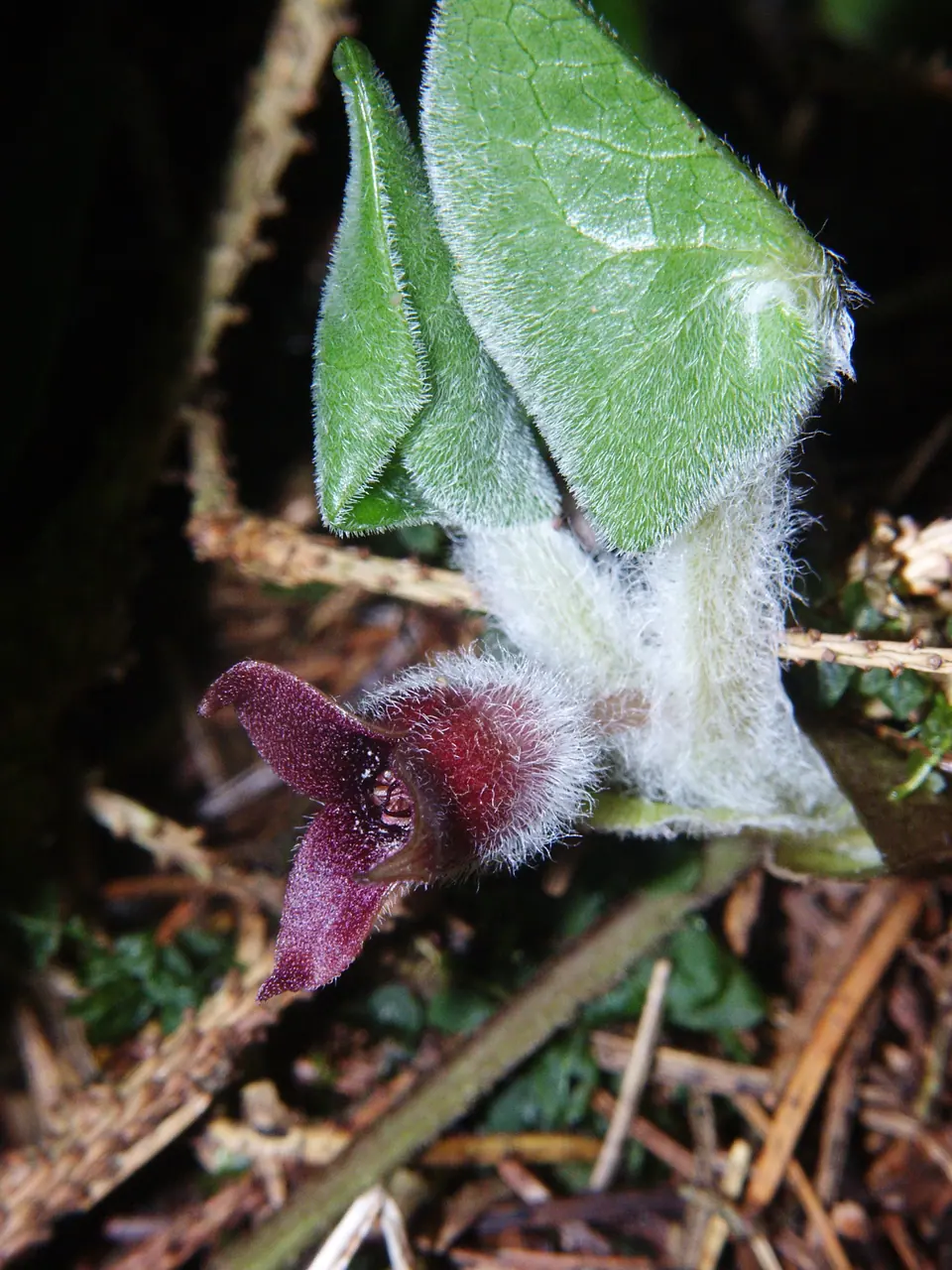
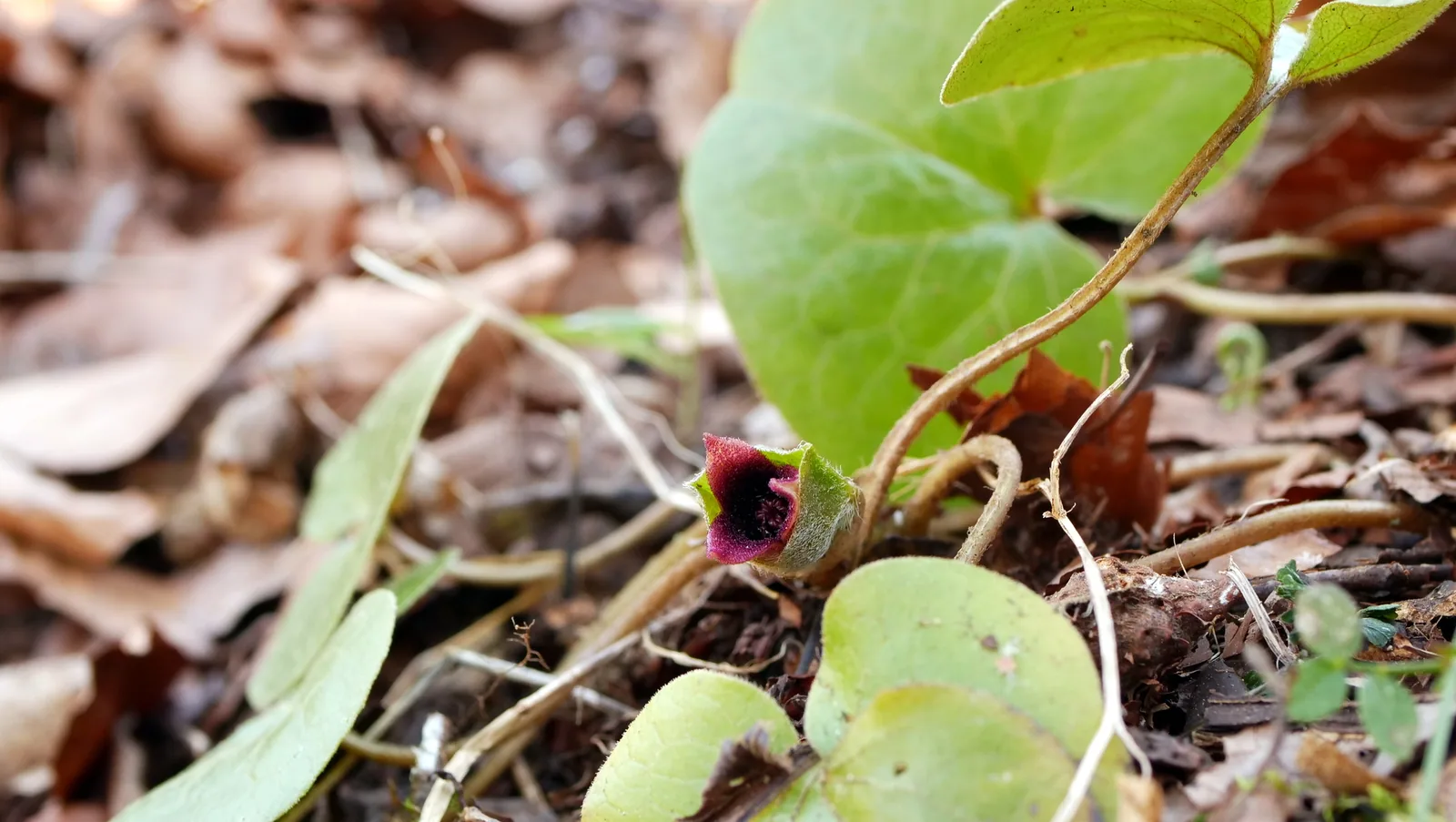

How to Grow and Care for Asarabacca
Asarum europaeum
Written by Emilio Marruso · last checked
Toxic to: People · Why
At a glance
European wild ginger is a perennial made for the shady corners of your garden, happy in part to full shade where many plants struggle. Give it moist, well-drained soil rich in organic matter and set the plants 10–12 inches apart. Enjoy it with your eyes only: it contains a compound that can damage the kidneys, so it should never be eaten.
- Sun
Part shade to full shade
What the sources say (1)
Light: Part to full shade
This plant prefers part to full shade and organic matter rich, moist soil
— Wild Ginger, Asarum spp. – Wisconsin Horticulture [1] - Water
Keep the soil moist, but never soggy
What the sources say (1)
Watering notes: Prefers moist, well-drained soil rich in organic matter
prefer moist, well-drained soils that contain large amounts of organic matter. Sites in partial to heavy shade are best.
— Groundcovers for Shade | Yard and Garden [4] - Cold
Survives winters down to −30 °F (−34.4 °C)
Very hardy · USDA 4a · RHS H7 · Z4
What the sources say (2)
Hardiness, coldest zone: 4a [winter low −34.4 to −31.7 °C (−30 to −25 °F)]
It is hardy from zones 4a to 7b.
— Wild Ginger, Asarum spp. – Wisconsin Horticulture [1] Hardiness, warmest zone: 7b [winter low −15 to −12.2 °C (5 to 10 °F)]
It is hardy from zones 4a to 7b.
— Wild Ginger, Asarum spp. – Wisconsin Horticulture [1] - Soil
Moist, well-drained soil rich in organic matter
What the sources say (1)
Watering notes: Prefers moist, well-drained soil rich in organic matter
prefer moist, well-drained soils that contain large amounts of organic matter. Sites in partial to heavy shade are best.
— Groundcovers for Shade | Yard and Garden [4] - Spacing
10–12 in between plants
What the sources say (1)
Spacing: 25.4-30.5 cm (10-12 in)
Slow grower. Space 10–12 inches apart. Perennial. Hardy in Zone 4.
— European Ginger | Landscaping | Illinois Extension | Illinois [3] - Safety
Never eat it: it contains a compound that damages the kidneys and can cause cancer
Overview
European wild ginger is grown as a shade groundcover. [3] It prefers part to full shade and moist, organic-rich soil. [1]
This record is incomplete: the sources we read do not cover every field yet.
Not yet covered by our sources: Watering, Pruning, Propagation
Asarabacca care
How to water Asarabacca
Watering
Not stated in the sources we read.
Watering notes
Prefers moist, well-drained soil rich in organic matter
What the sources say (1)
prefer moist, well-drained soils that contain large amounts of organic matter. Sites in partial to heavy shade are best.How much light Asarabacca needs
Part to full shade
What the sources say (1)
This plant prefers part to full shade and organic matter rich, moist soilHow much cold Asarabacca can take
Hardiness, coldest zone
4a [winter low −34.4 to −31.7 °C (−30 to −25 °F)]
What the sources say (1)
It is hardy from zones 4a to 7b.Hardiness, warmest zone
7b [winter low −15 to −12.2 °C (5 to 10 °F)]
What the sources say (1)
It is hardy from zones 4a to 7b.Where to grow Asarabacca
25.4-30.5 cm (10-12 in)
What the sources say (1)
Slow grower. Space 10–12 inches apart. Perennial. Hardy in Zone 4.How to propagate Asarabacca
Not stated in the sources we read.
How to grow Asarabacca
The plant
Life cycle
perennial
What the sources say (1)
Slow grower. Space 10–12 inches apart. Perennial. Hardy in Zone 4.Remedies
Each remedy shows what official sources say about it; traditional remedies without an official source are marked as such. Harmful ones are listed so you know to avoid them.
First aid
First aid: not a substitute for a doctor
plant ingestion
skin contact irritation
rinse skin with running water Official source, not independently tested
Call a poison center at 1-800-222-1222 for expert guidance.
— poison.org [6] How: Use lots of room temperature running water and rinse for at least 15 minutes.
Use lots of room temperature running water and rinse for at least 15 minutes.
— poison.org [6]
Is Asarabacca poisonous?
Reported by the source, quoted verbatim. This is not medical or veterinary advice: if a person or an animal may have eaten this plant, contact a poison control centre or a veterinarian.
European wild ginger contains a compound (aristolochic acid) known to be damaging to the kidneys and carcinogenic, so its consumption is not currently recommended
[1]- Toxic principle
European wild ginger contains a compound (aristolochic acid) known to be damaging to the kidneys and carcinogenic, so its consumption is not currently recommended
[1]
Calendar
Pruning
Not stated in the sources we read.
Months as given by the sources, which are mostly from the United States (northern hemisphere). In the southern hemisphere they shift by about six months.
Indicative values
Values from a secondary source, not checked word for word like the rest of this page. Use them as a starting point.
- Hours of sun
- 2-3 hoursIndicative value, adapt it to your climate · Secondary source
- Watering
- FrequentIndicative value, adapt it to your climate · Secondary source
- Soil
- Acidic, Humus richIndicative value, adapt it to your climate · Secondary source
- Soil pH
- 5.5-7Indicative value, adapt it to your climate · Secondary source
- Care level
- MediumIndicative value, adapt it to your climate · Secondary source
- Growth rate
- LowIndicative value, adapt it to your climate · Secondary source
- Pruning
- March, April, May, May, MayIndicative value, adapt it to your climate · Secondary source
- Propagation
- Division, Cutting, Seed Propagation, Layering PropagationIndicative value, adapt it to your climate · Secondary source
- Pests
- Deer resistant, Drought resistantIndicative value, adapt it to your climate · Secondary source
Similar plants
- British Columbia wildginger Asarum caudatum
- Chinese Wild Ginger Asarum splendens
- Virginia Heartleaf Asarum virginicum
- Wild Ginger Asarum canadense
- Little Brown Jugs Asarum arifolium
- Little Heartleaf Asarum minus
- Abraham Trachystemon orientalis
- African Marigold Tagetes erecta
Sources
Every value above is quoted from these documents. Links lead to the original publisher.
- Wild Ginger, Asarum spp. – Wisconsin Horticulture · hort.extension.wisc.edu, consulted
- Wild Ginger | Home & Garden Information Center · hgic.clemson.edu, consulted
- European Ginger | Landscaping | Illinois Extension | Illinois · extension.illinois.edu, consulted
- Groundcovers for Shade | Yard and Garden · yardandgarden.extension.iastate.edu, consulted
- Alternatives to Lawn: Groundcovers – Wisconsin Horticulture · hort.extension.wisc.edu, consulted
- poison.org · poison.org
Written by Emilio Marruso · last checked