
How to Grow and Care for Swamp birch
Betula nana
Written by Emilio Marruso · last checked
At a glance
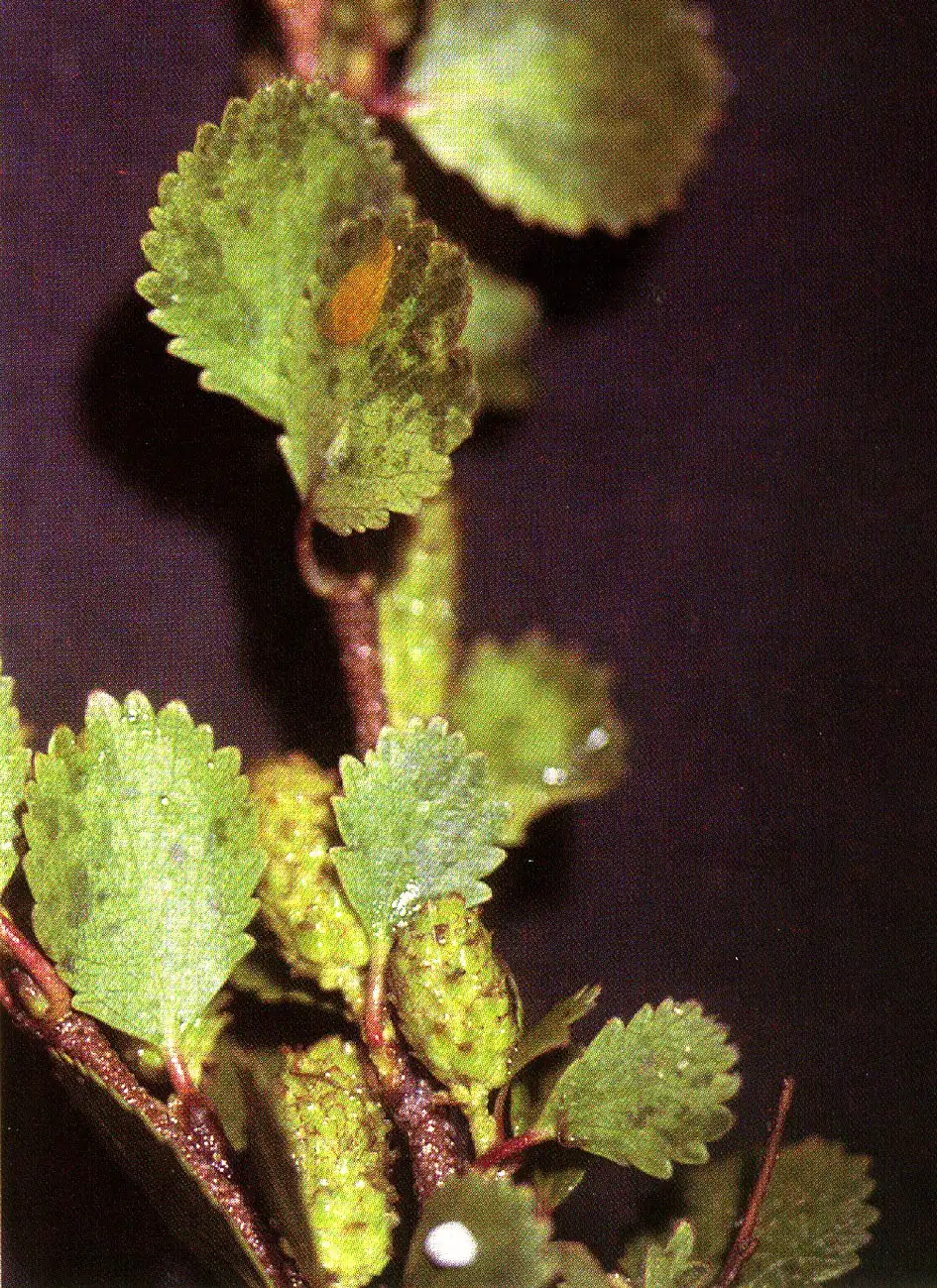
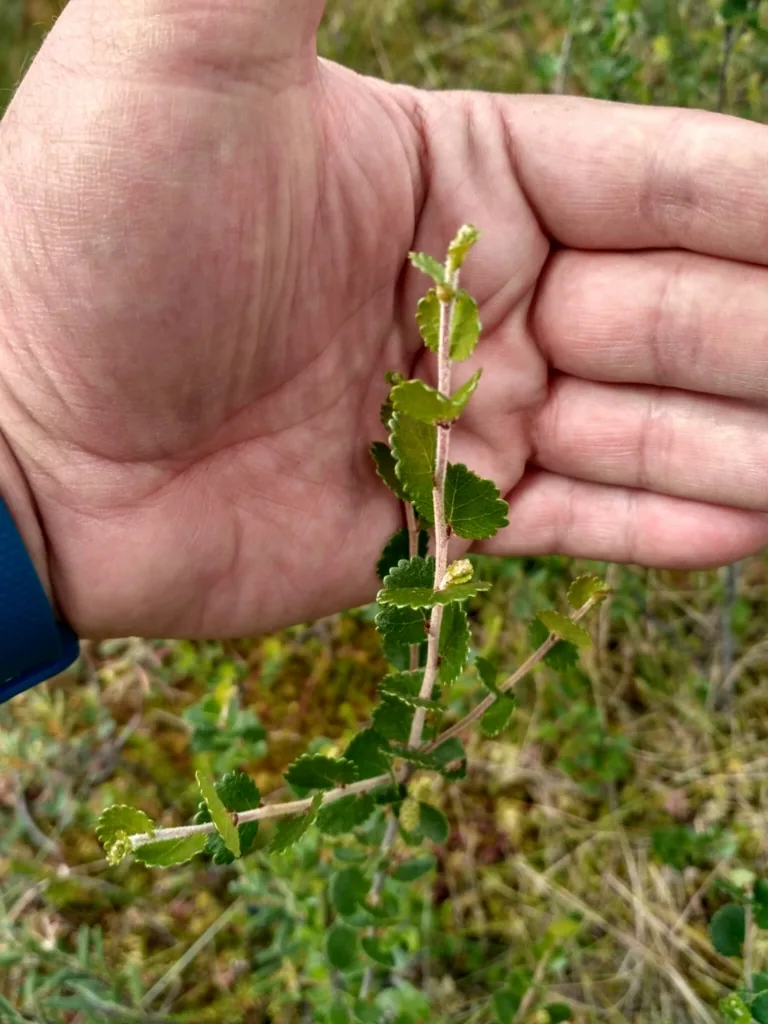
Dwarf birch is a charming little birch, just 2–4 ft tall and wide, that loves moist, even swampy spots in cool areas, yet tolerates dry ground too. Plant it in late spring or early summer, after the last frosts. As a bonus, its young leaves and catkins can be eaten raw, and its buds and twigs add flavor to stews.
- Water
Loves moist, even swampy spots in cool areas, but tolerates dry ones too
What the sources say (1)
Watering notes: Moist and swampy sites in cool areas, but tolerates dry sites
Moist and swampy sites in cool areas, but tolerates dry sites and is used in rock gardens.
— Betula nana | Landscape Plants | Oregon State University [1] - Cold
Survives winters down to −50 °F (−45.6 °C)
Very hardy · USDA 2 · RHS H7 · Z2
What the sources say (1)
Hardiness, coldest zone: 2 [winter low −45.6 to −40 °C (−50 to −40 °F)]
Hardy to USDA Zone 2
— Betula nana | Landscape Plants | Oregon State University [1] - Planting
Plant in late spring or early summer, after the last frosts
What the sources say (1)
Planting: Late spring or early summer, after the last expected frosts
Plant them out into their permanent positions in late spring or early summer, after the last expected frosts.
— Betula nana - Useful Temperate Plants [4] - Harvest
Young leaves and catkins can be eaten raw; buds and twigs flavor stews
- Size
2–4 ft tall and wide
What the sources say (2)
Mature height: 60-120 cm (2-4 ft)
Deciduous shrub, 2-4 ft (0.6-1.2 m) tall, similar width, rounded, branches prostrate to ascending.
— Betula nana | Landscape Plants | Oregon State University [1] Mature width: 60-120 cm (2-4 ft)
Deciduous shrub, 2-4 ft (0.6-1.2 m) tall, similar width, rounded, branches prostrate to ascending.
— Betula nana | Landscape Plants | Oregon State University [1] - Propagation
Grow new plants from seed or cuttings
- Sowing
Sow the seeds as soon as they are ripe, or in early spring
What the sources say (1)
Sowing: As soon as ripe, or in early spring
it can be sown in an outdoor seedbed, either as soon as it is ripe or in the early spring
— Betula nana - Useful Temperate Plants [4]
Overview
It is a major component of arctic tundra vegetation. [2] It is hardy to USDA zone 2. [1]
This record is incomplete: the sources we read do not cover every field yet.
Not yet covered by our sources: Watering, Hardiness, warmest zone, Pruning
Swamp birch care
How to water Swamp birch
Watering
Not stated in the sources we read.
Watering notes
Moist and swampy sites in cool areas, but tolerates dry sites
What the sources say (1)
Moist and swampy sites in cool areas, but tolerates dry sites and is used in rock gardens.How much light Swamp birch needs
The sources give different values depending on region, zone or growing conditions.
What each source says
According to Oregon State University: Part shade
cool climate: Full sun
What the sources say (2)
According to Oregon State University: Part shade. Moist and swampy sites in cool areas, but tolerates dry sites and is used in rock gardens.cool climate: if grown in full sun in a cool climate they make neat, attractive small shrubsHow much cold Swamp birch can take
Hardiness, coldest zone
2 [winter low −45.6 to −40 °C (−50 to −40 °F)]
What the sources say (1)
Hardy to USDA Zone 2Hardiness, warmest zone
Not stated in the sources we read.
How to propagate Swamp birch
How to grow Swamp birch
The plant
Mature height
60-120 cm (2-4 ft)
What the sources say (1)
Deciduous shrub, 2-4 ft (0.6-1.2 m) tall, similar width, rounded, branches prostrate to ascending.Mature width
60-120 cm (2-4 ft)
What the sources say (1)
Deciduous shrub, 2-4 ft (0.6-1.2 m) tall, similar width, rounded, branches prostrate to ascending.Remedies
Each remedy shows what official sources say about it; traditional remedies without an official source are marked as such. Harmful ones are listed so you know to avoid them.
Treating the plant
birch rust
removing fallen leaves Partly works
How: Remove and destroy fallen leaves and debris from beneath the trees in the fall.
Remove fallen leaves and debris from beneath birch trees to reduce reinfection.
— hortsense.cahnrs.wsu.edu [5] What the evidence says Remove fallen leaves and debris from beneath birch trees to reduce reinfection.
— hortsense.cahnrs.wsu.edu [5]
bronze birch borer
keeping the tree healthy and pruning only in fall and winter Official source, not independently tested
How: Keep the plant healthy; do not prune from June into September, prune in fall and winter.
Susceptible birches should not be pruned during the adult flight period from June into September; this releases plant volatiles and may attract more egg-laying females. Reserve pruning for the fall and winter months.
— umass.edu [6]
Calendar
Sowing
As soon as ripe, or in early spring
What the sources say (1)
it can be sown in an outdoor seedbed, either as soon as it is ripe or in the early springPlanting
Late spring or early summer, after the last expected frosts
What the sources say (1)
Plant them out into their permanent positions in late spring or early summer, after the last expected frosts.Pruning
Not stated in the sources we read.
Months as given by the sources, which are mostly from the United States (northern hemisphere). In the southern hemisphere they shift by about six months.
Edibility
Reported by the source, quoted verbatim. Do not eat a plant on the basis of this page alone: identification mistakes can be dangerous.
Indicative values
Values from a secondary source, not checked word for word like the rest of this page. Use them as a starting point.
- Life cycle
- PerennialIndicative value, adapt it to your climate · Secondary source
- Hours of sun
- 6-8 hoursIndicative value, adapt it to your climate · Secondary source
- Watering
- MinimumIndicative value, adapt it to your climate · Secondary source
- Drought tolerant
- yesIndicative value, adapt it to your climate · Secondary source
- Soil
- Sandy, Loamy, Clay, RockyIndicative value, adapt it to your climate · Secondary source
- Soil pH
- 5-6.5Indicative value, adapt it to your climate · Secondary source
- Care level
- LowIndicative value, adapt it to your climate · Secondary source
- Growth rate
- LowIndicative value, adapt it to your climate · Secondary source
- Pruning
- February, March, AprilIndicative value, adapt it to your climate · Secondary source
Similar plants
- Asian White Birch Betula platyphylla
- Black birch Betula occidentalis
- Downy birch Betula pubescens
- European White Birch Betula pendula
- Jacquemontii Birch Tree Betula jacquemontii
- Japanese Cherry Birch Betula grossa
- Monarch Birch Betula maximowicziana
- Paper Birch Betula papyrifera
Sources
Every value above is quoted from these documents. Links lead to the original publisher.
- Betula nana | Landscape Plants | Oregon State University · landscapeplants.oregonstate.edu, consulted
- Betula nana - Trees and Shrubs Online · treesandshrubsonline.org, consulted
- Dwarf birch facts and information | Trees for Life · treesforlife.org.uk, consulted
- Betula nana - Useful Temperate Plants · temperate.theferns.info, consulted
- hortsense.cahnrs.wsu.edu · hortsense.cahnrs.wsu.edu
- umass.edu · umass.edu
Written by Emilio Marruso · last checked