
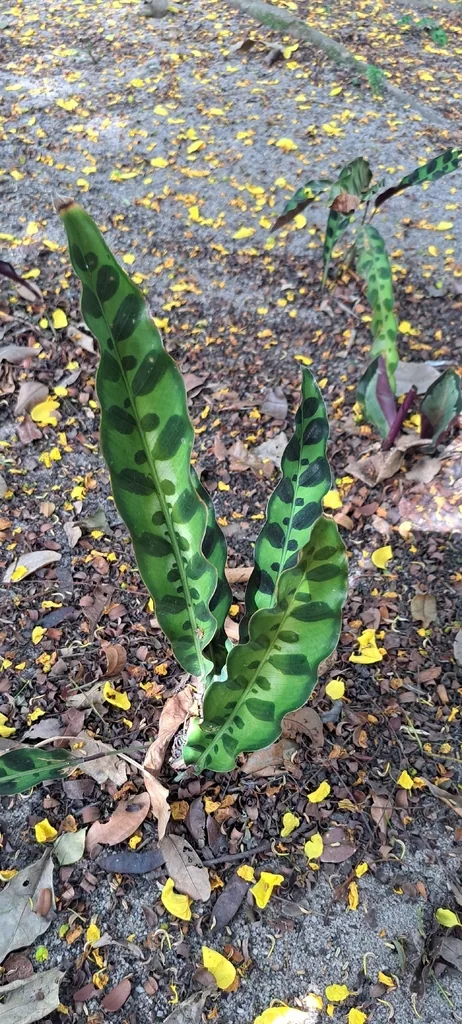

How to Grow and Care for Rattlesnake Plant
Calathea lancifolia
Written by Emilio Marruso · last checked
Not toxic to cats and dogs, according to the sources · Sources
At a glance
This plant is happy indoors and in pots, asking only for bright shade instead of full sun. Keep its soil moist but not wet in spring and summer, give it humid air with a tray of wet pebbles, and feed it monthly while it grows. Best of all, it is non-toxic to cats, dogs and horses, so it is a worry-free pick for homes with pets.
- Sun
Bright shade or soft early morning sun; never full sun
What the sources say (2)
Light: Limited sun to bright shade; tolerates early morning or diffused sun, not full sun
in limited sun to bright shade locations.
— Goeppertia insignis (Prayer Plant, Rattlesnake Calathea, Rattlesnake Plant) | North Carolina Extension Gardener Plant Toolbox [1] It will tolerate early morning sun or diffused sun.
— Goeppertia insignis (Prayer Plant, Rattlesnake Calathea, Rattlesnake Plant) | North Carolina Extension Gardener Plant Toolbox [1] - Water
Moist but not wet in spring and summer, less in winter; stand the pot on wet pebbles
What the sources say (4)
Watering: Keep soil moist but not wet during spring and summer; reduce watering in winter
During the growing season (spring and summer), water regularly to keep soils moist (but not wet)
— Goeppertia insignis (Prayer Plant, Rattlesnake Calathea, Rattlesnake Plant) | North Carolina Extension Gardener Plant Toolbox [1] Reduce watering and fertilization in winter when plant growth typically slows down.
— Goeppertia insignis (Prayer Plant, Rattlesnake Calathea, Rattlesnake Plant) | North Carolina Extension Gardener Plant Toolbox [1] Watering notes: High humidity needed: stand the pot on wet pebbles or use a humidified room; avoid standing water
To provide the required high humidity, consider standing a potted plant in a bed of wet pebbles or growing the plant in a humidified room.
— Goeppertia insignis (Prayer Plant, Rattlesnake Calathea, Rattlesnake Plant) | North Carolina Extension Gardener Plant Toolbox [1] do not allow the plant to sit in standing water.
— Learn About Growing Rattlesnake Plants Indoors | Gardening Know How [2] - Cold
Survives winters down to 45 °F (7.2 °C)
Needs a heated greenhouse · USDA 11b · RHS H1c · Z11
What the sources say (2)
Hardiness, coldest zone: 11b [winter low 7.2 to 10 °C (45 to 50 °F)]
Hardiness zones: 11b - 12b
— Learn About Growing Rattlesnake Plants Indoors | Gardening Know How [2] Hardiness, warmest zone: 12b [winter low 12.8 to 15.6 °C (55 to 60 °F)]
Hardiness zones: 11b - 12b
— Learn About Growing Rattlesnake Plants Indoors | Gardening Know How [2] - Planting
Plant from the end of winter to early spring
What the sources say (1)
Planting: End of winter to early spring
When to plant: End of winter to early spring
— Learn About Growing Rattlesnake Plants Indoors | Gardening Know How [2] - Feeding
Balanced fertilizer once a month in spring and summer; feed less in winter
What the sources say (4)
When: During the growing season, spring and summer
During the growing season (spring and summer), water regularly to keep soils moist (but not wet) and apply a balanced fertilizer monthly.
— Goeppertia insignis (Prayer Plant, Rattlesnake Calathea, Rattlesnake Plant) | North Carolina Extension Gardener Plant Toolbox [1] How often: Monthly
During the growing season (spring and summer), water regularly to keep soils moist (but not wet) and apply a balanced fertilizer monthly.
— Goeppertia insignis (Prayer Plant, Rattlesnake Calathea, Rattlesnake Plant) | North Carolina Extension Gardener Plant Toolbox [1] Mineral fertilizers: Balanced fertilizer
During the growing season (spring and summer), water regularly to keep soils moist (but not wet) and apply a balanced fertilizer monthly.
— Goeppertia insignis (Prayer Plant, Rattlesnake Calathea, Rattlesnake Plant) | North Carolina Extension Gardener Plant Toolbox [1] Avoid: Heavy feeding in winter: reduce fertilization when growth slows
Reduce watering and fertilization in winter when plant growth typically slows down.
— Goeppertia insignis (Prayer Plant, Rattlesnake Calathea, Rattlesnake Plant) | North Carolina Extension Gardener Plant Toolbox [1] - Pests
Aphids, scale, mealybugs and spider mites; use insecticidal soap on spider mites
What the sources say (1)
Pests: aphids, scale, mealybugs, spider mites
Watch for aphids, scale, mealybugs and spider mites. Overwatering can result in root rot, and fungal leaf spots can occur from wetting the leaves when watering.
— Goeppertia insignis (Prayer Plant, Rattlesnake Calathea, Rattlesnake Plant) | North Carolina Extension Gardener Plant Toolbox [1] - Watch out
Too much water rots the roots, wet leaves get spots, and dry air browns the leaf tips
What the sources say (1)
Diseases: root rot, fungal leaf spots
Watch for aphids, scale, mealybugs and spider mites. Overwatering can result in root rot, and fungal leaf spots can occur from wetting the leaves when watering.
— Goeppertia insignis (Prayer Plant, Rattlesnake Calathea, Rattlesnake Plant) | North Carolina Extension Gardener Plant Toolbox [1] - Size
1 1/2 ft tall indoors, up to 2 1/2 ft outdoors; 9 in to 1 1/2 ft wide
What the sources say (2)
Mature height: 46 cm (1 1/2 ft) indoors; up to 76 (2 1/2 ft) outdoors
This plant typically grows to 1 1/2 feet tall indoors but can reach up to 2 1/2 feet tall outdoors.
— Goeppertia insignis (Prayer Plant, Rattlesnake Calathea, Rattlesnake Plant) | North Carolina Extension Gardener Plant Toolbox [1] Mature width: 23-46 cm (9 in-1 ft 6 in)
Dimensions: Height: 0 ft. 9 in. - 1 ft. 8 in. Width: 0 ft. 9 in. - 1 ft. 6 in.
— Goeppertia insignis (Prayer Plant, Rattlesnake Calathea, Rattlesnake Plant) | North Carolina Extension Gardener Plant Toolbox [1] - Propagation
Divide the plant from winter to early spring
What the sources say (1)
Propagation: Division, in winter to early spring
the best option for propagation is division, which should occur in the winter to early spring.
— Learn About Growing Rattlesnake Plants Indoors | Gardening Know How [2] - Containers
Grows well indoors and in pots
What the sources say (2)
Indoors: Yes
it is typically grown as an indoor houseplant in most North American sites.
— Goeppertia insignis (Prayer Plant, Rattlesnake Calathea, Rattlesnake Plant) | North Carolina Extension Gardener Plant Toolbox [1] In containers: Yes
#container plant
— Goeppertia insignis (Prayer Plant, Rattlesnake Calathea, Rattlesnake Plant) | North Carolina Extension Gardener Plant Toolbox [1] - Safety
Non-toxic to cats, dogs and horses
Overview
The rattlesnake plant is a tropical herbaceous perennial from Brazilian rainforests, usually grown as a houseplant. [1] It needs bright shade, high humidity and evenly moist soil, and does not tolerate full sun or drafts. [1]
Rattlesnake Plant care
How to water Rattlesnake Plant
Watering
Keep soil moist but not wet during spring and summer; reduce watering in winter
What the sources say (2)
During the growing season (spring and summer), water regularly to keep soils moist (but not wet)Reduce watering and fertilization in winter when plant growth typically slows down.Watering notes
High humidity needed: stand the pot on wet pebbles or use a humidified room; avoid standing water
What the sources say (2)
To provide the required high humidity, consider standing a potted plant in a bed of wet pebbles or growing the plant in a humidified room.do not allow the plant to sit in standing water.How much light Rattlesnake Plant needs
Limited sun to bright shade; tolerates early morning or diffused sun, not full sun
What the sources say (2)
in limited sun to bright shade locations.It will tolerate early morning sun or diffused sun.How much cold Rattlesnake Plant can take
Hardiness, coldest zone
11b [winter low 7.2 to 10 °C (45 to 50 °F)]
What the sources say (1)
Hardiness zones: 11b - 12bHardiness, warmest zone
12b [winter low 12.8 to 15.6 °C (55 to 60 °F)]
What the sources say (1)
Hardiness zones: 11b - 12bWhere to grow Rattlesnake Plant
Indoors
Yes
What the sources say (1)
it is typically grown as an indoor houseplant in most North American sites.In containers
Yes
What the sources say (1)
#container plantHow to propagate Rattlesnake Plant
Division, in winter to early spring
What the sources say (1)
the best option for propagation is division, which should occur in the winter to early spring.How to grow Rattlesnake Plant
The plant
Life cycle
perennial
What the sources say (1)
The rattlesnake plant is a herbaceous perennial evergreen, native to Southeastern Brazilian rainforests, with striking foliage and showy yellow flowers.Family
Marantaceae
What the sources say (1)
It is a member of the prayer plant family (Marantaceae). The specific epithet, insignis, is Latin and means "remarkable" or "distinguished by a mark"Mature height
46 cm (1 1/2 ft) indoors; up to 76 (2 1/2 ft) outdoors
What the sources say (1)
This plant typically grows to 1 1/2 feet tall indoors but can reach up to 2 1/2 feet tall outdoors.Mature width
23-46 cm (9 in-1 ft 6 in)
What the sources say (1)
Dimensions: Height: 0 ft. 9 in. - 1 ft. 8 in. Width: 0 ft. 9 in. - 1 ft. 6 in.Pests and diseases
Pests
aphids, scale, mealybugs, spider mites
What the sources say (1)
Watch for aphids, scale, mealybugs and spider mites. Overwatering can result in root rot, and fungal leaf spots can occur from wetting the leaves when watering.Diseases
root rot, fungal leaf spots
What the sources say (1)
Watch for aphids, scale, mealybugs and spider mites. Overwatering can result in root rot, and fungal leaf spots can occur from wetting the leaves when watering.Fertilizing
When
During the growing season, spring and summer
What the sources say (1)
During the growing season (spring and summer), water regularly to keep soils moist (but not wet) and apply a balanced fertilizer monthly.How often
Monthly
What the sources say (1)
During the growing season (spring and summer), water regularly to keep soils moist (but not wet) and apply a balanced fertilizer monthly.Mineral fertilizers
Balanced fertilizer
What the sources say (1)
During the growing season (spring and summer), water regularly to keep soils moist (but not wet) and apply a balanced fertilizer monthly.Avoid
Heavy feeding in winter: reduce fertilization when growth slows
What the sources say (1)
Reduce watering and fertilization in winter when plant growth typically slows down.Rattlesnake Plant pests and problems
Root rot and leaf spots
Symptom: Overwatering can result in root rot; fungal leaf spots from wetting the leaves; yellowing from under- or overwatering; browning or curling of leaf edges and tips from low humidity
What to do: Avoid overwatering and wetting the leaves; raise humidity
What the sources say (2)
Overwatering can result in root rot, and fungal leaf spots can occur from wetting the leaves when watering.
— Goeppertia insignis (Prayer Plant, Rattlesnake Calathea, Rattlesnake Plant) | North Carolina Extension Gardener Plant Toolbox [1] Browning or curling of the leaf edges and tips can result from low humidity.
— Goeppertia insignis (Prayer Plant, Rattlesnake Calathea, Rattlesnake Plant) | North Carolina Extension Gardener Plant Toolbox [1] Pests
Symptom: Aphids, scale, mealybugs and spider mites
What to do: Control spider mites with insecticidal soap spray
What the sources say (2)
Watch for aphids, scale, mealybugs and spider mites.
— Goeppertia insignis (Prayer Plant, Rattlesnake Calathea, Rattlesnake Plant) | North Carolina Extension Gardener Plant Toolbox [1] The mites are usually easy to control with insecticidal soap spray.
— Learn About Growing Rattlesnake Plants Indoors | Gardening Know How [2]
Remedies
Each remedy shows what official sources say about it; traditional remedies without an official source are marked as such. Harmful ones are listed so you know to avoid them.
Treating the plant
aphids
insecticidal soap spray or wipe-down Partly works
How: Control aphids and spider mites with a spray or wipe-down of insecticidal soap or Neem oil on all surfaces of the leaves and stems.
Control aphids and spider mites with a spray or wipe-down of insecticidal soap or Neem oil on all surfaces of the leaves and stems.
— thenatureofhome.com [4] What the evidence says Insecticidal soaps (potassium salts of fatty acids) are one of the most commonly available houseplant insecticides. These are used as dilute sprays (one to three percent concentration) and can help control many houseplant insects and spider mites.
— extension.colostate.edu [5] soapy water wash Partly works
Many liquid hand soaps and dishwashing detergents also have insecticidal effects, although there is potential for plant injury with such treatments.
— extension.colostate.edu [5] How: If you spot any pests, wash the foliage with soapy water or use an insecticide like Neem oil or insecticidal soap.
If you spot any pests, wash the foliage with soapy water or use an insecticide like Neem oil or insecticidal soap.
— plantcaretoday.com [7] What the evidence says Many liquid hand soaps and dishwashing detergents also have insecticidal effects, although there is potential for plant injury with such treatments.
— extension.colostate.edu [5]
spider mites
neem oil spray or wipe-down Not verified
Traditional remedy, not verified by an official source.
How: Control aphids and spider mites with a spray or wipe-down of insecticidal soap or Neem oil on all surfaces of the leaves and stems.
washing the plant with water Works
How: Take the plants into a utility sink and wash the plants off with water. Be sure to wash off the leaf undersides.
We recommend that you take the plants into a utility sink and wash the plants off with water. Be sure to wash off the leaf undersides.
— ask.extension.org [6] What the evidence says Many household plant pests can be controlled, at least in part, by washing the plant periodically with a vigorous jet of water. This is particularly effective for spider mites and aphids, which are most readily dislodged.
— extension.colostate.edu [5]
mealybugs
isopropyl alcohol and dish soap spray Partly works
Carefully test a small part of the plant if you attempt to use this method and be cautious to keep the alcohol limited to the insect pest.
— extension.colostate.edu [5] How: Pick the bugs off with tweezers and spray the plant with horticultural soap, Neem oil, or a 3:1 solution of water and 92% isopropyl alcohol.
You can control these bugs by picking them off with tweezers and spraying the plant with horticultural soap, Neem oil, or a 3:1 solution of water and 92% isopropyl alcohol
— thenatureofhome.com [4] What the evidence says A spray of alcohol, or alcohol dabbed onto insects, is well known as a useful control of mealybugs. However, using alcohol on plants may cause injuries such as leaf burn.
— extension.colostate.edu [5]
Is Rattlesnake Plant poisonous?
Reported by the source, quoted verbatim. This is not medical or veterinary advice: if a person or an animal may have eaten this plant, contact a poison control centre or a veterinarian.
Calendar
Planting
End of winter to early spring
What the sources say (1)
When to plant: End of winter to early springMonths as given by the sources, which are mostly from the United States (northern hemisphere). In the southern hemisphere they shift by about six months.
Indicative values
Values from a secondary source, not checked word for word like the rest of this page. Use them as a starting point.
- Soil pH
- 6-7Indicative value, adapt it to your climate · Secondary source
- Care level
- MediumIndicative value, adapt it to your climate · Secondary source
- Growth rate
- LowIndicative value, adapt it to your climate · Secondary source
- Pruning
- March, April, May, June, July, August, September, March, April, May, June, July, September, October, November, OctoberIndicative value, adapt it to your climate · Secondary source
Similar plants
- Peacock Plant Calathea makoyana
- Rattle Snake Plant Calathea crotalifera
- Zebra Plant Calathea zebrina
- Ctenanthe Ctenanthe lubbersiana
- Giant Bamburanta Ctenanthe oppenheimiana
- Hardy Canna Thalia dealbata
- Prayer Plant Maranta leuconeura
- Rose-Painted Calathea Goeppertia roseopicta
Sources
Every value above is quoted from these documents. Links lead to the original publisher.
- Goeppertia insignis (Prayer Plant, Rattlesnake Calathea, Rattlesnake Plant) | North Carolina Extension Gardener Plant Toolbox · plants.ces.ncsu.edu, consulted
- Learn About Growing Rattlesnake Plants Indoors | Gardening Know How · gardeningknowhow.com, consulted
- Calathea Care: Growing and Caring for Calatheas | BBC Gardeners World Magazine · gardenersworld.com, consulted
- thenatureofhome.com · thenatureofhome.com
- extension.colostate.edu · extension.colostate.edu
- ask.extension.org · ask.extension.org
- plantcaretoday.com · plantcaretoday.com
Written by Emilio Marruso · last checked