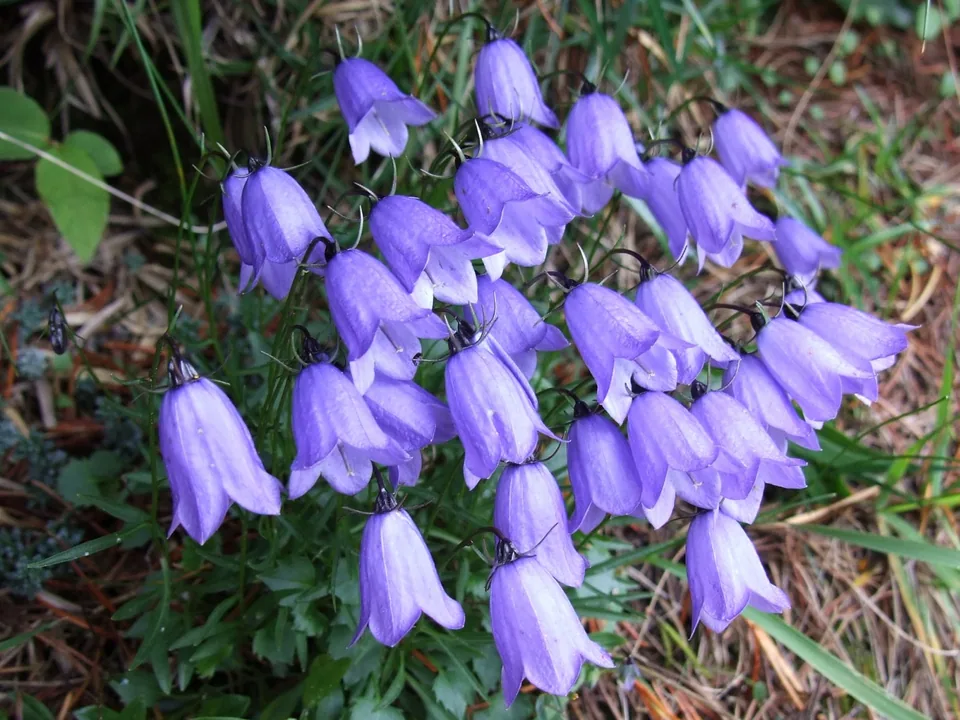
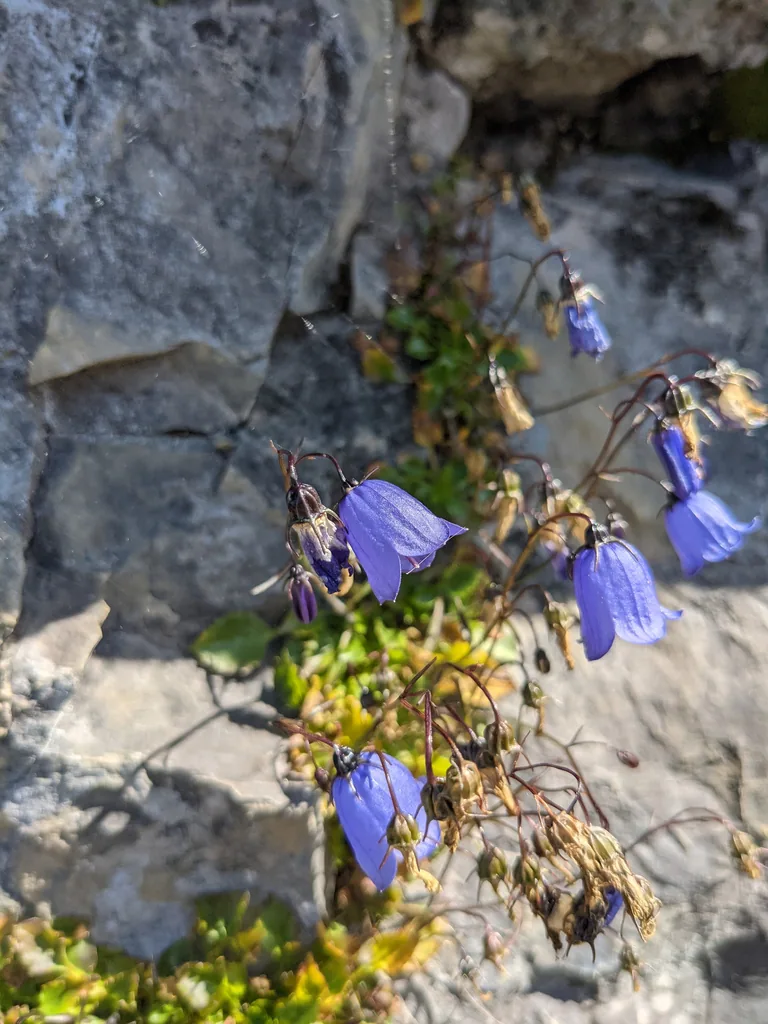

How to Grow and Care for Campanula cochleariifolia
Campanula cochleariifolia
Written by Emilio Marruso · last checked
At a glance
This bellflower is easygoing: it thrives in full sun or partial shade and succeeds in most spots, as long as they are not both hot and dry. Plant it in late spring or early summer, after the last frosts, in moist but well-drained soil. As a bonus, its leaves have a pleasant mild flavor and its flowers taste slightly sweet.
- Sun
Full sun to partial shade
What the sources say (2)
Light: Full sun to partial shade
Growth Rate : Fast - Light : Full Sun to Partial Shade - Maintenance : Low
— Fairies’ thimbles - Fine Gardening [2] Prefers a moist but well-drained sandy loam and a neutral or alkaline soil in sun or partial shade
— Campanula cochleariifolia - Useful Temperate Plants [1] - Water
Keep the soil moist but well drained; avoid spots that are both hot and dry
What the sources say (3)
Watering: Moist but well-drained soil
Care Plant in full sun or partial shade and moist, well-drained soil.
— Fairies’ thimbles - Fine Gardening [2] Prefers a moist but well-drained sandy loam and a neutral or alkaline soil in sun or partial shade
— Campanula cochleariifolia - Useful Temperate Plants [1] Watering notes: Succeeds in most situations so long as they are not both hot and dry
A very easily grown plant that succeeds in most situations so long as they are not both hot and dry
— Campanula cochleariifolia - Useful Temperate Plants [1] - Cold
Survives winters down to −20 °F (−28.9 °C)
Very hardy · USDA 5 · RHS H7 · Z5
What the sources say (2)
Hardiness, coldest zone: 5 [winter low −28.9 to −23.3 °C (−20 to −10 °F)]
Zones : 5, 6, 7 - Plant Width :
— Fairies’ thimbles - Fine Gardening [2] Hardiness, warmest zone: 7 [winter low −17.8 to −12.2 °C (0 to 10 °F)]
Zones : 5, 6, 7 - Plant Width :
— Fairies’ thimbles - Fine Gardening [2] - Planting
Plant in late spring or early summer, after the last frosts
What the sources say (1)
Planting: Late spring or early summer, after the last expected frosts
Plant them out into their permanent positions in late spring or early summer, after the last expected frosts.
— Campanula cochleariifolia - Useful Temperate Plants [1] - Harvest
Leaves and flowers are edible raw or cooked: mild leaves, slightly sweet flowers
- Pests
Watch for slugs, snails, aphids and spider mites; also powdery mildew and rust
- Propagation
By seed, by cuttings from the base in spring, or by dividing in spring or fall
What the sources say (2)
Propagation: Seed, basal cuttings in spring, division in spring or autumn
Propagation Sow seed in containers in a cold frame in spring. Alpine species should be sown in an open frame. Divide in spring or autumn.
— Fairies’ thimbles - Fine Gardening [2] Basal cuttings in spring. Harvest the shoots when they are about 10 - 15cm long with plenty of underground stem.
— Campanula cochleariifolia - Useful Temperate Plants [1] - Sowing
Sow in spring
What the sources say (2)
Sowing: Spring
Seed - surface sow spring in a cold frame. The seed usually germinates in 2 - 4 weeks at 18°c.
— Campanula cochleariifolia - Useful Temperate Plants [1] Propagation Sow seed in containers in a cold frame in spring. Alpine species should be sown in an open frame. Divide in spring or autumn.
— Fairies’ thimbles - Fine Gardening [2]
Overview
Campanula cochleariifolia is a low, mat-forming perennial grown as an ornamental and ground cover, well suited to rockeries. [1][3] It grows in sun or partial shade in moist but well-drained soil, and its running rootstalk can become invasive. [2] Its leaves and flowers are reported as edible raw or cooked. [1]
This record is incomplete: the sources we read do not cover every field yet.
Not yet covered by our sources: Pruning
Campanula cochleariifolia care
How to water Campanula cochleariifolia
Watering
Moist but well-drained soil
Watering notes
Succeeds in most situations so long as they are not both hot and dry
What the sources say (1)
A very easily grown plant that succeeds in most situations so long as they are not both hot and dryHow much light Campanula cochleariifolia needs
Full sun to partial shade
How much cold Campanula cochleariifolia can take
Hardiness, coldest zone
5 [winter low −28.9 to −23.3 °C (−20 to −10 °F)]
What the sources say (1)
Zones :
5, 6, 7
-
Plant Width :Hardiness, warmest zone
7 [winter low −17.8 to −12.2 °C (0 to 10 °F)]
What the sources say (1)
Zones :
5, 6, 7
-
Plant Width :How to propagate Campanula cochleariifolia
Seed, basal cuttings in spring, division in spring or autumn
What the sources say (2)
Propagation Sow seed in containers in a cold frame in spring. Alpine species should be sown in an open frame. Divide in spring or autumn.Basal cuttings in spring. Harvest the shoots when they are about 10 - 15cm long with plenty of underground stem.Campanula cochleariifolia pests and problems
Pests and diseases
Symptom: Slugs, snails, vine weevils, spider mites, aphids; powdery mildew, rust, Septoria and Ramularia leaf spot, southern blight
What the sources say (1)
Problems Slugs, snails, vine weevils, spider mites, and aphids. Powdery mildew, rust, Septoria and Ramularia leaf spot, and Southern blight.
— Fairies’ thimbles - Fine Gardening [2]
Remedies
The sources we checked give no remedies for this plant.
Calendar
Sowing
Spring
What the sources say (2)
Seed - surface sow spring in a cold frame. The seed usually germinates in 2 - 4 weeks at 18°c.Propagation Sow seed in containers in a cold frame in spring. Alpine species should be sown in an open frame. Divide in spring or autumn.Planting
Late spring or early summer, after the last expected frosts
What the sources say (1)
Plant them out into their permanent positions in late spring or early summer, after the last expected frosts.Pruning
Not stated in the sources we read.
Months as given by the sources, which are mostly from the United States (northern hemisphere). In the southern hemisphere they shift by about six months.
Edibility
Reported by the source, quoted verbatim. Do not eat a plant on the basis of this page alone: identification mistakes can be dangerous.
Similar plants
- Appalachian Bellflower Campanula divaricata
- Bellflower Campanula glomerata
- Campanula poscharskyana Campanula poscharskyana
- Canterbury Bells Campanula medium
- Creeping Bellflower Campanula rapunculoides
- Harebell Campanula rotundifolia
- Italian Bellflower Campanula isophylla
- Nettle-leaved Bellflower Campanula trachelium
Sources
Every value above is quoted from these documents. Links lead to the original publisher.
- Campanula cochleariifolia - Useful Temperate Plants · temperate.theferns.info, consulted
- Fairies’ thimbles - Fine Gardening · finegardening.com, consulted
- Campanula cochleariifolia - Monaco Nature Encyclopedia · monaconatureencyclopedia.com, consulted
Written by Emilio Marruso · last checked