
How to Grow and Care for Buttonweed
Diodia virginiana
Written by Emilio Marruso · last checked
At a glance
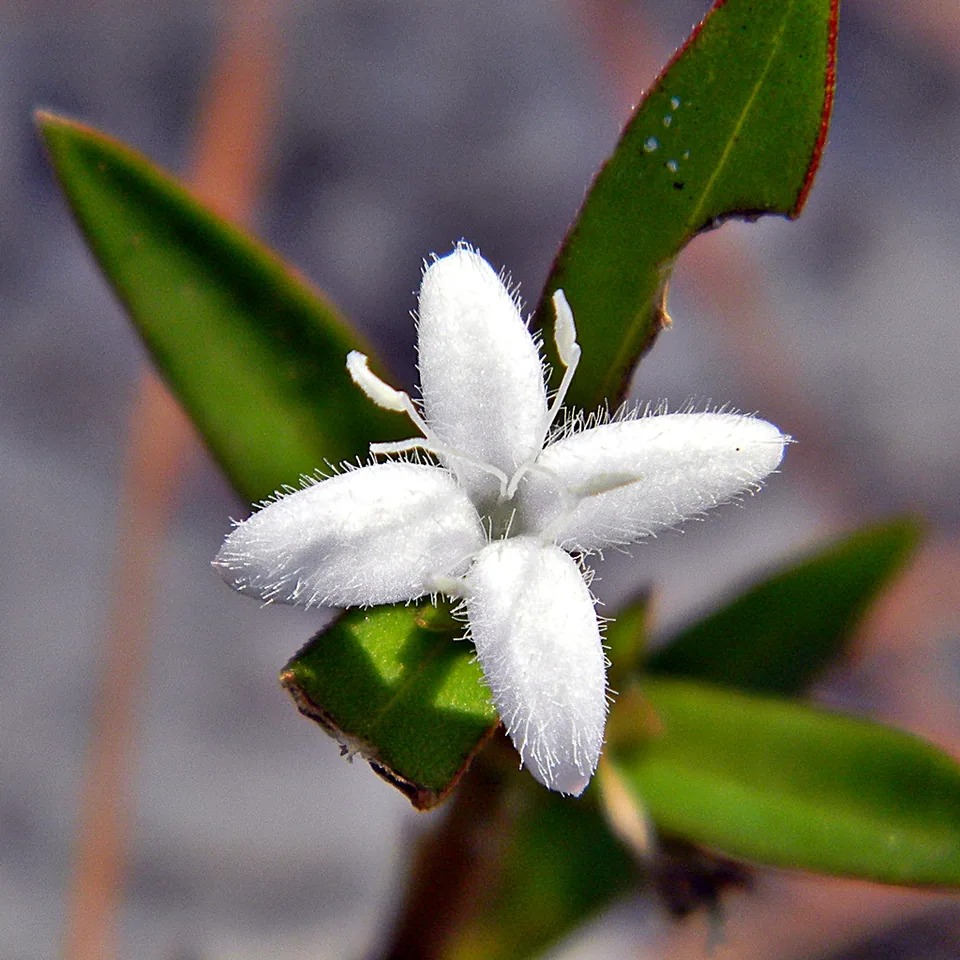
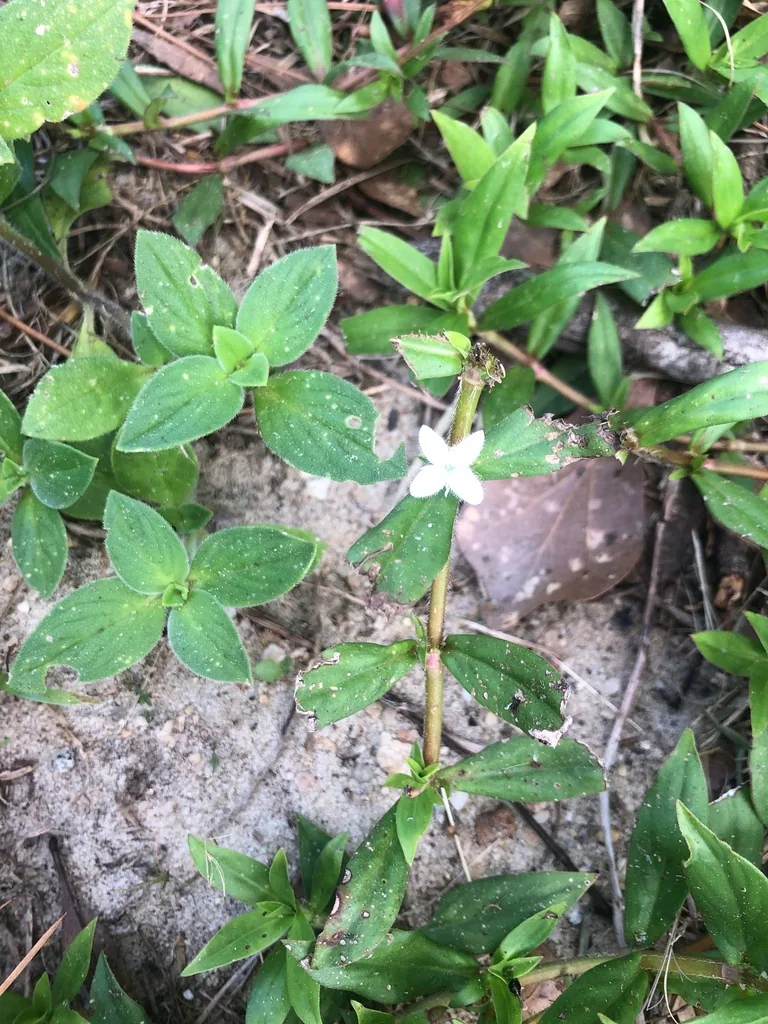
Virginia buttonweed is a tough perennial that thrives where many plants struggle: in moist, wet, even poorly drained soil, in full or partial sun. It spreads by seed, stem pieces and underground stems, weaving a dense green mat. That vigor is also its catch: it's hard to remove, so think carefully before planting it near a lawn.
- Sun
Full sun to partial sun
What the sources say (2)
Light: Full to partial sun
thrives in full to partial sun. Propagated by
— Diodia virginiana (Buttonweed, Large Buttonweed, Poor Joe, Virginia Buttonweed) | North Carolina Extension Gardener Plant Toolbox [1] Light: Full sun (6 or more hours of direct sunlight a day) Partial Shade (Direct sunlight only part of the day, 2-6 hours)
— Diodia virginiana (Buttonweed, Large Buttonweed, Poor Joe, Virginia Buttonweed) | North Carolina Extension Gardener Plant Toolbox [1] - Water
Likes moist to wet soil; never let it dry out
What the sources say (2)
Watering notes: Prefers moist to wet soil; thrives in poorly drained or overly moist conditions
prefers moist to wet soil and thrives in full to partial sun.
— Diodia virginiana (Buttonweed, Large Buttonweed, Poor Joe, Virginia Buttonweed) | North Carolina Extension Gardener Plant Toolbox [1] thrives in poorly drained areas or under excessively moist soil conditions in lawns.
— Virginia Buttonweed | Home & Garden Information Center [2] - Cold
Survives winters down to −10 °F (−23.3 °C)
Very hardy · USDA 6a · RHS H7 · Z6
What the sources say (2)
Hardiness, coldest zone: 6a [winter low −23.3 to −20.6 °C (−10 to −5 °F)]
USDA Plant Hardiness Zone: 6a, 6b, 7a, 7b, 8a, 8b, 9a, 9b
— Diodia virginiana (Buttonweed, Large Buttonweed, Poor Joe, Virginia Buttonweed) | North Carolina Extension Gardener Plant Toolbox [1] Hardiness, warmest zone: 9b [winter low −3.9 to −1.1 °C (25 to 30 °F)]
USDA Plant Hardiness Zone: 6a, 6b, 7a, 7b, 8a, 8b, 9a, 9b
— Diodia virginiana (Buttonweed, Large Buttonweed, Poor Joe, Virginia Buttonweed) | North Carolina Extension Gardener Plant Toolbox [1] - Soil
Thrives in poorly drained, soggy spots
What the sources say (2)
Watering notes: Prefers moist to wet soil; thrives in poorly drained or overly moist conditions
prefers moist to wet soil and thrives in full to partial sun.
— Diodia virginiana (Buttonweed, Large Buttonweed, Poor Joe, Virginia Buttonweed) | North Carolina Extension Gardener Plant Toolbox [1] thrives in poorly drained areas or under excessively moist soil conditions in lawns.
— Virginia Buttonweed | Home & Garden Information Center [2] - Pests
Hosts flea beetles; a virus can mottle leaves yellow-green in late summer
What the sources say (2)
Pests: flea beetle (host)
It is also the host of the flea beetle, which can also damage your lawn and garden.
— Diodia virginiana (Buttonweed, Large Buttonweed, Poor Joe, Virginia Buttonweed) | North Carolina Extension Gardener Plant Toolbox [1] Diseases: unknown virus (yellow-green mottled leaves in late summer)
During the late summer, many of the Virginia buttonweed ( Diodia virginiana ) leaves will become yellow-green and mottled because of an infection by an unknown virus.
— Virginia Buttonweed | Home & Garden Information Center [2] - Watch out
Forms a dense mat that is hard to remove; leftover bits of root and stem grow back
What the sources say (2)
Propagation: Seed; stem cutting; rhizomes and stem fragments spread the plant
Recommended Propagation Strategy: Seed Stem Cutting Country Or
— Diodia virginiana (Buttonweed, Large Buttonweed, Poor Joe, Virginia Buttonweed) | North Carolina Extension Gardener Plant Toolbox [1] spreads by rhizomes (underground stems), as well as by stem pieces cut and distributed during mowing
— Virginia Buttonweed | Home & Garden Information Center [2] - Propagation
From seed or stem cuttings; it also spreads by underground stems
What the sources say (2)
Propagation: Seed; stem cutting; rhizomes and stem fragments spread the plant
Recommended Propagation Strategy: Seed Stem Cutting Country Or
— Diodia virginiana (Buttonweed, Large Buttonweed, Poor Joe, Virginia Buttonweed) | North Carolina Extension Gardener Plant Toolbox [1] spreads by rhizomes (underground stems), as well as by stem pieces cut and distributed during mowing
— Virginia Buttonweed | Home & Garden Information Center [2]
Overview
Virginia buttonweed is a native, mat-forming herbaceous perennial treated as a weed in lawns of the southern United States. [1] It prefers moist to wet soil, grows in full to partial sun, and spreads by seed and stem fragments. [1] It is difficult to eradicate from established lawns because of its extensive root system and ease of reproduction. [1]
Buttonweed care
How to water Buttonweed
Prefers moist to wet soil; thrives in poorly drained or overly moist conditions
What the sources say (2)
prefers moist to wet soil and thrives in full to partial sun.thrives in poorly drained areas or under excessively moist soil conditions in lawns.How much light Buttonweed needs
Full to partial sun
What the sources say (2)
thrives in full to partial sun. Propagated byLight:
Full sun (6 or more hours of direct sunlight a day)
Partial Shade (Direct sunlight only part of the day, 2-6 hours)How much cold Buttonweed can take
Hardiness, coldest zone
6a [winter low −23.3 to −20.6 °C (−10 to −5 °F)]
What the sources say (1)
USDA Plant Hardiness Zone:
6a, 6b, 7a, 7b, 8a, 8b, 9a, 9bHardiness, warmest zone
9b [winter low −3.9 to −1.1 °C (25 to 30 °F)]
What the sources say (1)
USDA Plant Hardiness Zone:
6a, 6b, 7a, 7b, 8a, 8b, 9a, 9bHow to propagate Buttonweed
Seed; stem cutting; rhizomes and stem fragments spread the plant
What the sources say (2)
Recommended Propagation Strategy:
Seed
Stem Cutting
Country Orspreads by rhizomes (underground stems), as well as by stem pieces cut and distributed during mowingHow to grow Buttonweed
The plant
Life cycle
perennial
What the sources say (1)
Virginia buttonweed, is a native, warm-season, mat-forming, herbaceous perennial, broadleaf weedFamily
Rubiaceae
What the sources say (1)
It is a member of the madder or coffee family (Rubiaceae).Pests and diseases
Pests
flea beetle (host)
What the sources say (1)
It is also the host of the flea beetle, which can also damage your lawn and garden.Diseases
unknown virus (yellow-green mottled leaves in late summer)
What the sources say (1)
During the late summer, many of the Virginia buttonweed ( Diodia virginiana ) leaves will become yellow-green and mottled because of an infection by an unknown virus.Buttonweed pests and problems
Hard to control in established lawns
Symptom: Dense mat with deep roots and rhizomes that is hard to eradicate.
What to do: Maintain a healthy lawn; weed management should start in early spring as the plant begins to emerge; herbicide application may be necessary.
What the sources say (2)
Maintaining a healthy lawn will help prevent or reduce the presence of this weed. In some cases, an herbicide application may be necessary for weed control. Weed management should start in early spring as the plant begins to emerge.
— Diodia virginiana (Buttonweed, Large Buttonweed, Poor Joe, Virginia Buttonweed) | North Carolina Extension Gardener Plant Toolbox [1] Its extensive root system and ease of reproduction can make it hard to eradicate.
— Diodia virginiana (Buttonweed, Large Buttonweed, Poor Joe, Virginia Buttonweed) | North Carolina Extension Gardener Plant Toolbox [1] Flea beetle host
Symptom: Host of the flea beetle, which can damage lawn and garden.
What to do: Not recommended for the home landscape.
What the sources say (1)
It is also the host of the flea beetle, which can also damage your lawn and garden.
— Diodia virginiana (Buttonweed, Large Buttonweed, Poor Joe, Virginia Buttonweed) | North Carolina Extension Gardener Plant Toolbox [1] Hand pulling ineffective
Symptom: Pieces of roots and stems that remain re-sprout.
What to do: Combine cultural controls such as deep, infrequent watering and drainage correction with herbicides.
What the sources say (2)
Hand pulling Virginia buttonweed is ineffective as a control because pieces of roots and stems that remain can re-sprout.
— Virginia Buttonweed | Home & Garden Information Center [2] Water the lawn deeply but infrequently to allow the surface soils to dry between watering,
— Virginia Buttonweed | Home & Garden Information Center [2]
Remedies
Each remedy shows what official sources say about it; traditional remedies without an official source are marked as such. Harmful ones are listed so you know to avoid them.
Getting rid of it
virginia buttonweed
cardboard and mulch Not verified
Traditional remedy, not verified by an official source.
How: Lay plain uncoated cardboard soaked thoroughly, then cover with a layer of natural mulch.
deep infrequent watering Official source, not independently tested
How: Water the lawn deeply but infrequently so the surface soil dries between waterings.
Water the lawn deeply but infrequently to allow the surface soils to dry between watering, thus improving turfgrass root depth.
— Virginia Buttonweed | Home & Garden Information Center [2] mowing at the correct height Official source, not independently tested
How: Mow at the correct height for the turfgrass; mowing too low spreads pieces of the weed stems.
Mowing excessively low both stresses the turfgrass and causes the mower to cut and spread pieces of the weed’s stems.
— Virginia Buttonweed | Home & Garden Information Center [2]
Similar plants
- Buttonbush Cephalanthus occidentalis
- Cleavers Galium aparine
- Sweet Woodruff Galium odoratum
- Azure Bluet Houstonia caerulea
- Chinese Buttonbush Adina rubella
- Coffee Coffea arabica
- Firebush Hamelia patens
- Gardenia Gardenia jasminoides
Sources
Every value above is quoted from these documents. Links lead to the original publisher.
- Diodia virginiana (Buttonweed, Large Buttonweed, Poor Joe, Virginia Buttonweed) | North Carolina Extension Gardener Plant Toolbox · plants.ces.ncsu.edu, consulted
- Virginia Buttonweed | Home & Garden Information Center · hgic.clemson.edu, consulted
- Virginia Buttonweed Control | Mississippi State University Extension Service · extension.msstate.edu, consulted
- Virginia Buttonweed | NC State Extension Publications · content.ces.ncsu.edu, consulted
- Virginia Buttonweed Identification and Control in Turfgrass | CAES Field Report · extension.uga.edu, consulted
- Virginia Buttonweed · lsuagcenter.com, consulted
Written by Emilio Marruso · last checked