
How to Grow and Care for Alpine honeysuckle
Lonicera alpigena
Written by Emilio Marruso · last checked
Classified as poisonous · Why
At a glance
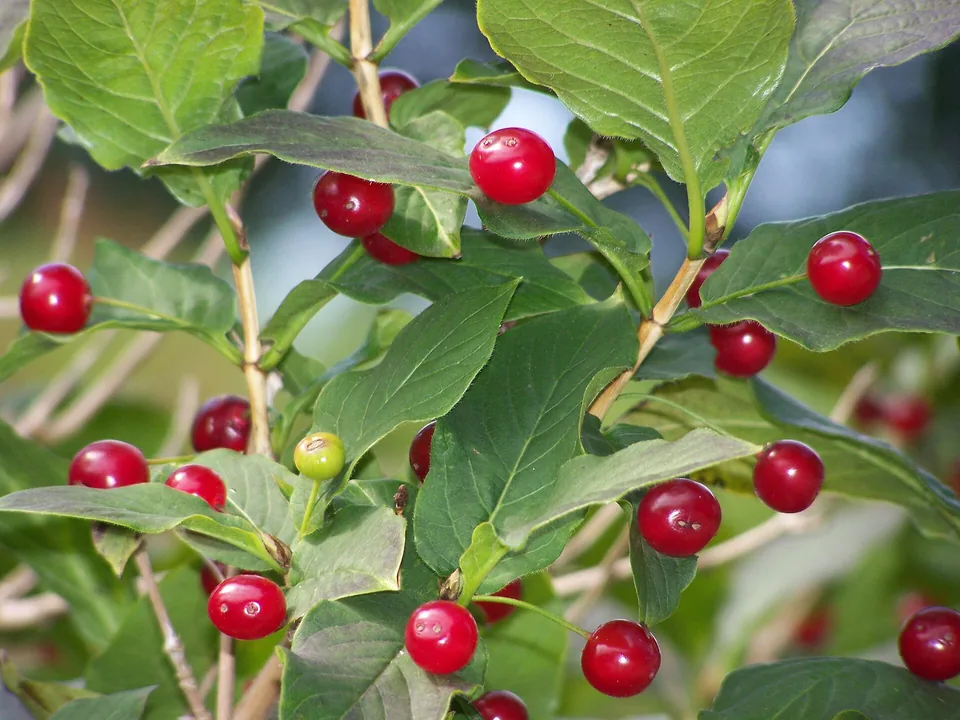
This easygoing honeysuckle grows happily in full sun or partial shade and copes with soil that runs from dry to moist, so it forgives a forgetful gardener. It reaches up to 7 ft tall and brightens the garden with juicy red berries, lovely to look at, though they are not for eating. It's a relaxed, rewarding plant to welcome into your yard.
- Sun
Full sun to partial shade
What the sources say (1)
Light: Full sun to partial shade
grows to height of about six feet in full sun to partial shade and dry to moist soil conditions
— Lonicera alpigena | Chicago Botanic Garden [2] - Water
Handles soil that is dry or moist
What the sources say (1)
Watering notes: Tolerates dry to moist soil
grows to height of about six feet in full sun to partial shade and dry to moist soil conditions
— Lonicera alpigena | Chicago Botanic Garden [2] - Cold
Survives winters down to −30 °F (−34.4 °C)
Very hardy · USDA 4 · RHS H7 · Z4
What the sources say (2)
Hardiness, coldest zone: 4 [winter low −34.4 to −28.9 °C (−30 to −20 °F)]
Resistant To Deer Plant Type: Shrub Hardiness Zone: 4 - 8
— Lonicera alpigena | Chicago Botanic Garden [2] Hardiness, warmest zone: 8 [winter low −12.2 to −6.7 °C (10 to 20 °F)]
Resistant To Deer Plant Type: Shrub Hardiness Zone: 4 - 8
— Lonicera alpigena | Chicago Botanic Garden [2] - Harvest
Juicy red berries, but people can't eat them
- Size
Up to 7 ft tall
What the sources say (1)
Mature height: up to 200 cm (2 m)
Bis 2 m hoher Strauch. Blätter eilanzettlich , 2-3mal so lang wie breit, bis 11 cm lang, ganzrandig
— Lonicera alpigena L. [3]
Overview
Alpine honeysuckle is a deciduous shrub 4 to 8 ft [1.2–2.4 m] high with erect branches. [4] It grows in full sun to partial shade and dry to moist soil conditions. [2]
This record is incomplete: the sources we read do not cover every field yet.
Not yet covered by our sources: Watering, Pruning, Propagation
Alpine honeysuckle care
Measurements in square brackets are our conversion into the other unit system; the quoted text is unchanged.
How to water Alpine honeysuckle
Watering
Not stated in the sources we read.
Watering notes
Tolerates dry to moist soil
What the sources say (1)
grows to height of about six feet in full sun to partial shade and dry to moist soil conditionsHow much light Alpine honeysuckle needs
Full sun to partial shade
What the sources say (1)
grows to height of about six feet in full sun to partial shade and dry to moist soil conditionsHow much cold Alpine honeysuckle can take
Hardiness, coldest zone
4 [winter low −34.4 to −28.9 °C (−30 to −20 °F)]
What the sources say (1)
Resistant To Deer
Plant Type:
Shrub
Hardiness Zone:
4 - 8Hardiness, warmest zone
8 [winter low −12.2 to −6.7 °C (10 to 20 °F)]
What the sources say (1)
Resistant To Deer
Plant Type:
Shrub
Hardiness Zone:
4 - 8How to propagate Alpine honeysuckle
Not stated in the sources we read.
How to grow Alpine honeysuckle
The plant
Family
Caprifoliaceae
What the sources say (1)
Checklist: 1027370
- Caprifoliaceae
- Lonicera
- Lonicera alpigena L.Mature height
up to 200 cm (2 m)
What the sources say (1)
Bis 2 m hoher Strauch. Blätter eilanzettlich , 2-3mal so lang wie breit, bis 11 cm lang, ganzrandigFertilizing
When
The sources give different values depending on region, zone or growing conditions.
What each source says
Lonicera in general (shrubby honeysuckles): In spring, only if the leaves are yellow and growth is poor
What the sources say (1)
Lonicera in general (shrubby honeysuckles): Feed once a year in spring if the leaves are yellow and growth is poorHow often
The sources give different values depending on region, zone or growing conditions.
What each source says
Lonicera in general (shrubby honeysuckles): Once a year
What the sources say (1)
Lonicera in general (shrubby honeysuckles): Feed once a year in spring if the leaves are yellow and growth is poorNatural fertilizers
The sources give different values depending on region, zone or growing conditions.
What each source says
Lonicera in general (shrubby honeysuckles): Mulch of leaf mould or garden compost
What the sources say (1)
Lonicera in general (shrubby honeysuckles): Mulch with leaf mould or garden compost to help improve the soil and retain moistureMineral fertilizers
The sources give different values depending on region, zone or growing conditions.
What each source says
Lonicera in general (shrubby honeysuckles): General-purpose fertilizer
What the sources say (1)
Lonicera in general (shrubby honeysuckles): Feed once a year in spring if the leaves are yellow and growth is poor
- Apply a general fertiliser,Remedies
The sources we checked give no remedies for this plant.
Calendar
Pruning
Not stated in the sources we read.
Months as given by the sources, which are mostly from the United States (northern hemisphere). In the southern hemisphere they shift by about six months.
Edibility
Reported by the source, quoted verbatim. Do not eat a plant on the basis of this page alone: identification mistakes can be dangerous.
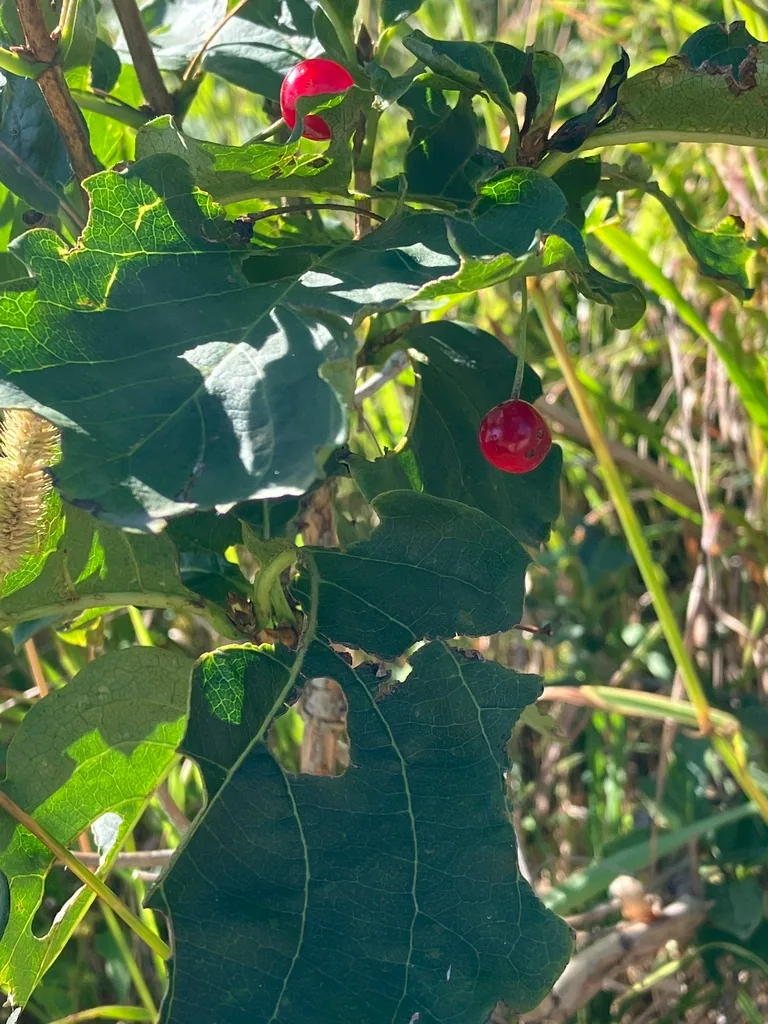
These are followed by juicy red berries, inedible to humans.
[2]
Similar plants
- Dwarf honeysuckle Lonicera xylosteum
- European Honeysuckle Lonicera periclymenum
- Grape Honysuckle Lonicera reticulata
- Honeysuckle Lonicera japonica
- Honeysuckle Lonicera sempervirens
- Italian woodbine Lonicera caprifolium
- Limber Honeysuckle Lonicera dioica
- Lonicera implexa Lonicera implexa
Sources
Every value above is quoted from these documents. Links lead to the original publisher.
- Phylogenetic tree - Alpen-Heckenkirsche (Lonicera alpigena L.) · i-flora.com, consulted
- Lonicera alpigena | Chicago Botanic Garden · chicagobotanic.org, consulted
- Lonicera alpigena L. · infoflora.ch, consulted
- Lonicera alpigena - Trees and Shrubs Online · treesandshrubsonline.org, consulted
- rhs.org.uk · rhs.org.uk
Written by Emilio Marruso · last checked