
How to Grow and Care for Norway Spruce
Picea abies
Written by Emilio Marruso · last checked
At a glance
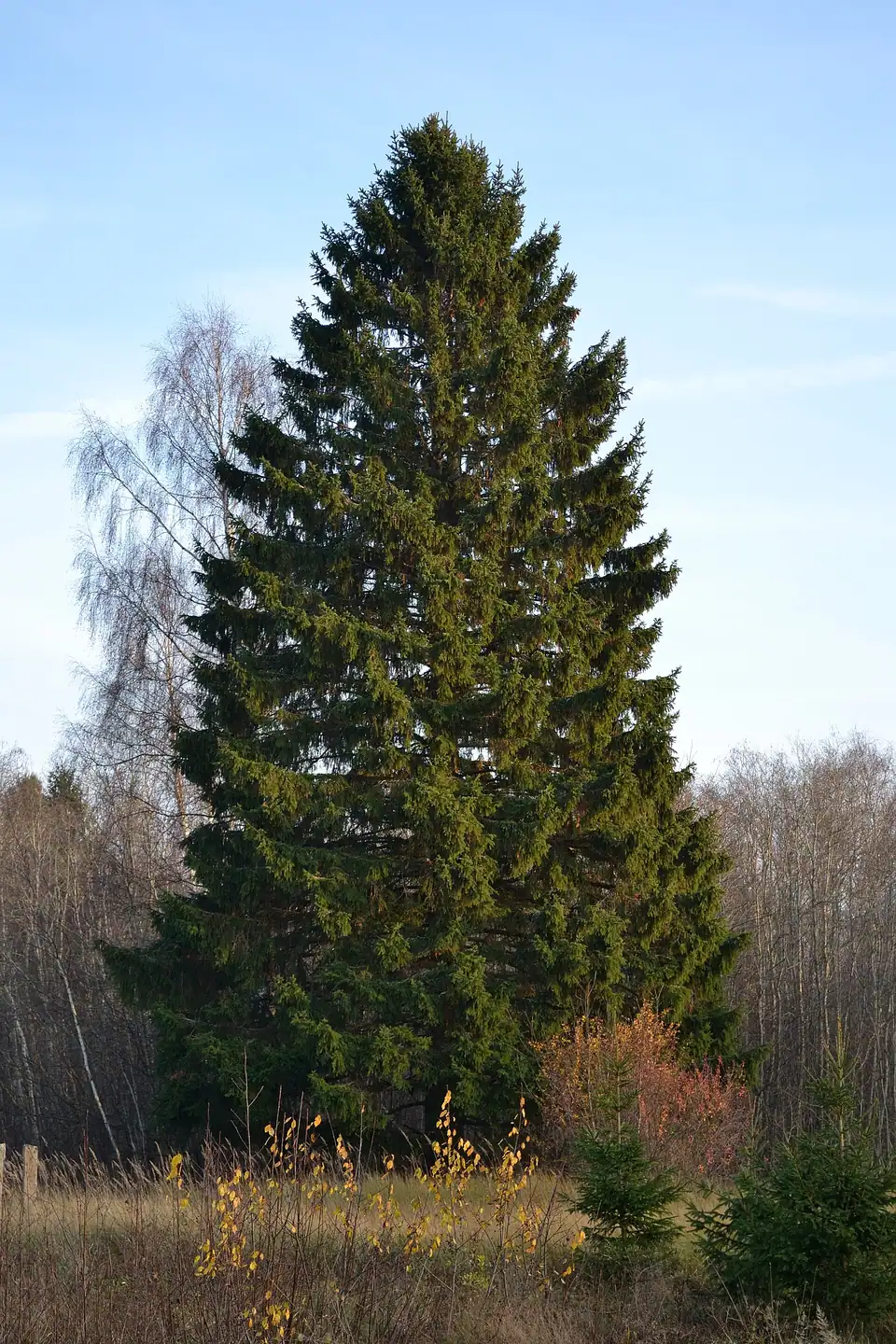
Norway spruce is a needled evergreen tree that loves full sun and is a classic Christmas tree in Great Britain. Its leafy twigs are even used to make herbal teas. Water young trees during severe heat and drought while they settle in, keep their roots out of soggy soil, and feed with care so growth doesn't run late into the season.
- Sun
Full sun
What the sources say (2)
Light: Full sun
Full sun (6 or more hours of direct sunlight a day)
— Picea abies (Baltic Whitewood, Common Spruce, European Spruce, Norway Spruce) | North Carolina Extension Gardener Plant Toolbox [1] The light requirements are full sun, and the tree is very useful as a windbreak in wide open spaces.
— The Hope in the Norway Spruce Tree — Westmoreland County — Master Gardener [7] - Water
Hates soggy soil; water young trees during severe heat and drought
What the sources say (2)
Watering notes: Dislikes wet feet and hot, dry summers; young trees recovering from transplant shock may need irrigation under severe heat and drought stress
Norway spruce dislikes heat, wet feet, and hot, dry summers.
— Picea abies (Baltic Whitewood, Common Spruce, European Spruce, Norway Spruce) | North Carolina Extension Gardener Plant Toolbox [1] although it is very drought tolerant, some young trees will exhibit dieback or death under severe heat and drought stress if not irrigated when recovering from transplant shock
— Picea abies [6] - Feeding
Feed with care: growth that runs late into the season gets frost damage
What the sources say (1)
Avoid: Improper fertilizer application that prolongs growth late into the season, which promotes frost damage
Improper fertilizer application on a Norway spruce can promote frost damage by prolonging its growth late into the season.
— The Hope in the Norway Spruce Tree — Westmoreland County — Master Gardener [7] - Harvest
Leafy twigs are used for herbal teas; a classic Christmas tree
- Pests
Aphids, bagworms, budworms, borers and spider mites; also canker, needle cast and rust
What the sources say (2)
Pests: aphids, bagworms, budworms, borers, red spider mites
Potential insect pests include aphids, bagworms, budworms, borers, and red spider mites.
— Picea abies (Baltic Whitewood, Common Spruce, European Spruce, Norway Spruce) | North Carolina Extension Gardener Plant Toolbox [1] Diseases: cytospora canker, wood decay, needle cast, rust
It is also susceptible to cytospora canker, wood decay, needle cast, and rust.
— Picea abies (Baltic Whitewood, Common Spruce, European Spruce, Norway Spruce) | North Carolina Extension Gardener Plant Toolbox [1] - Watch out
Young trees can die back in hot, dry summers: water them while they settle in
What the sources say (2)
Watering notes: Dislikes wet feet and hot, dry summers; young trees recovering from transplant shock may need irrigation under severe heat and drought stress
Norway spruce dislikes heat, wet feet, and hot, dry summers.
— Picea abies (Baltic Whitewood, Common Spruce, European Spruce, Norway Spruce) | North Carolina Extension Gardener Plant Toolbox [1] although it is very drought tolerant, some young trees will exhibit dieback or death under severe heat and drought stress if not irrigated when recovering from transplant shock
— Picea abies [6] - Propagation
From seed; named varieties from cuttings or grafting
What the sources say (1)
Propagation: Seed; cultivars by cuttings and grafting
Propagation is by seed, but cultivars are propagated from cuttings and grafting.
— The Hope in the Norway Spruce Tree — Westmoreland County — Master Gardener [7]
Overview
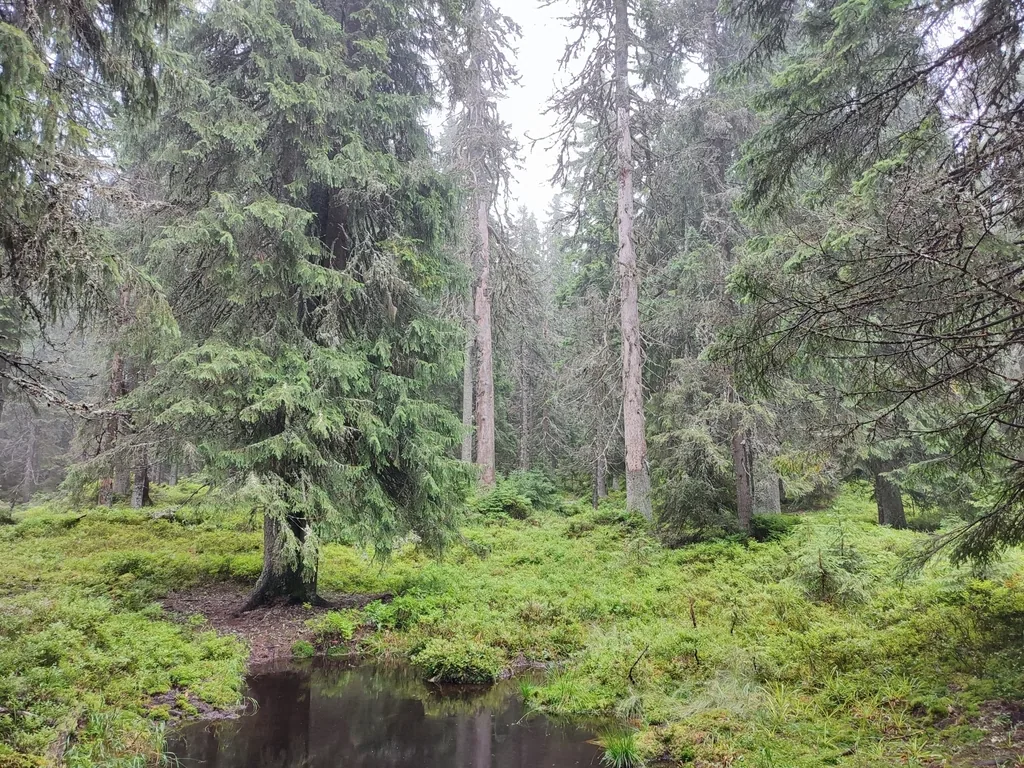
Norway spruce is a rapidly growing needled evergreen tree native to Europe, used as a windbreak or screen in colder climates. [1] It prefers full sun and moderately moist, well-drained soil, and dislikes wet feet and hot, dry summers. [1] Seed is the recommended propagation method, with cultivars propagated from cuttings and grafting. [7]
This record is incomplete: the sources we read do not cover every field yet.
Not yet covered by our sources: Pruning
Norway Spruce care
How to water Norway Spruce
Watering
The sources give different values depending on region, zone or growing conditions.
What each source says
According to NC State Extension: Moderately moist, well-drained soil
According to Virginia Tech Extension: Average to somewhat dry
According to Iowa State University Extension: Fertile, moist soil
What the sources say (5)
According to NC State Extension: This tree has a shallow root system, and it prefers full sun and moderately moist, well-drained, sandy, acidic soils.According to Virginia Tech Extension: Moisture: Average to somewhat dryAccording to Iowa State University Extension: It is a large, fast-growing tree requiring a fertile, moist soil.This tree has a shallow root system, and it prefers full sun and moderately moist, well-drained, sandy, acidic soils.although it is very drought tolerant, some young trees will exhibit dieback or death under severe heat and drought stress if not irrigated when recovering from transplant shockWatering notes
Dislikes wet feet and hot, dry summers; young trees recovering from transplant shock may need irrigation under severe heat and drought stress
What the sources say (2)
Norway spruce dislikes heat, wet feet, and hot, dry summers.although it is very drought tolerant, some young trees will exhibit dieback or death under severe heat and drought stress if not irrigated when recovering from transplant shockHow much light Norway Spruce needs
Full sun
What the sources say (2)
Full sun (6 or more hours of direct sunlight a day)The light requirements are full sun, and the tree is very useful as a windbreak in wide open spaces.How much cold Norway Spruce can take
Hardiness, coldest zone
The sources give different values depending on region, zone or growing conditions.
What each source says
According to NC State Extension: 2a [winter low −45.6 to −42.8 °C (−50 to −45 °F)]
According to Penn State Extension: 2 [winter low −45.6 to −40 °C (−50 to −40 °F)]
According to Iowa State University Extension: 3b [winter low −37.2 to −34.4 °C (−35 to −30 °F)]
What the sources say (4)
According to NC State Extension: 2a, 2b, 3a, 3b, 4a, 4b, 5a, 5b, 6a, 6b, 7a, 7bAccording to Penn State Extension: This European native is successful in USDA Plant Hardiness Zones 2 through 7.According to Iowa State University Extension: Hardiness: Zones 3b through 7 (can survive zone 8, but is not well adapted to those conditions)2a, 2b, 3a, 3b, 4a, 4b, 5a, 5b, 6a, 6b, 7a, 7bHardiness, warmest zone
7b [winter low −15 to −12.2 °C (5 to 10 °F)]
What the sources say (1)
2a, 2b, 3a, 3b, 4a, 4b, 5a, 5b, 6a, 6b, 7a, 7bBest soil for Norway Spruce
The sources give different values depending on region, zone or growing conditions.
What each source says
According to NC State Extension: 6.0
According to Virginia Tech Extension: Acid to somewhat alkaline
What the sources say (3)
According to NC State Extension: Soil pH:
Acid (<6.0)
Soil Drainage:According to Virginia Tech Extension: pH range: Acid to somewhat alkalineSoil Texture:
Sand
Soil pH:
Acid (<6.0)
Soil Drainage:How to propagate Norway Spruce
Seed; cultivars by cuttings and grafting
What the sources say (1)
Propagation is by seed, but cultivars are propagated from cuttings and grafting.How to grow Norway Spruce
The plant
Life cycle
woody (needled evergreen tree)
What the sources say (1)
Life Cycle:
WoodyFamily
Pinaceae
What the sources say (1)
The Norway spruce is a rapidly growing woody, needled evergreen tree in the pine family (Pinaceae).Mature height
Pests and diseases
Pests
aphids, bagworms, budworms, borers, red spider mites
What the sources say (1)
Potential insect pests include aphids, bagworms, budworms, borers, and red spider mites.Diseases
cytospora canker, wood decay, needle cast, rust
What the sources say (1)
It is also susceptible to cytospora canker, wood decay, needle cast, and rust.Fertilizing
Avoid
Improper fertilizer application that prolongs growth late into the season, which promotes frost damage
What the sources say (1)
Improper fertilizer application on a Norway spruce can promote frost damage by prolonging its growth late into the season.Norway Spruce pests and problems
Insect pests and diseases
Symptom: Aphids, bagworms, budworms, borers, red spider mites; cytospora canker, wood decay, needle cast and rust
What to do: Not stated in sources
What the sources say (1)
Potential insect pests include aphids, bagworms, budworms, borers, and red spider mites. It is also susceptible to cytospora canker, wood decay, needle cast, and rust.
— Picea abies (Baltic Whitewood, Common Spruce, European Spruce, Norway Spruce) | North Carolina Extension Gardener Plant Toolbox [1] Frost damage from improper fertilizing
Symptom: Frost damage when growth is prolonged late into the season
What to do: Maintain tree vigor with the right amount of watering and mulching
What the sources say (2)
Improper fertilizer application on a Norway spruce can promote frost damage by prolonging its growth late into the season.
— The Hope in the Norway Spruce Tree — Westmoreland County — Master Gardener [7] The best prescription for a healthy Norway spruce is maintaining tree vigor with just the right amount of watering and mulching.
— The Hope in the Norway Spruce Tree — Westmoreland County — Master Gardener [7] Heat and drought dieback in young trees
Symptom: Dieback or death of young trees under severe heat and drought stress
What to do: Irrigate while recovering from transplant shock
What the sources say (1)
although it is very drought tolerant, some young trees will exhibit dieback or death under severe heat and drought stress if not irrigated when recovering from transplant shock
— Picea abies [6]
Remedies
Each remedy shows what official sources say about it; traditional remedies without an official source are marked as such. Harmful ones are listed so you know to avoid them.
Treating the plant
drought stress
extra irrigation for stressed trees Partly works
How: Ensure your trees are well watered if no rain has fallen in 5 days. You can place a hose at the base of the tree and allow it to run at a trickle for 30 minutes or so.
best recommendation is to ensure your trees are well watered if no rain has fallen in 5 days. You can place a hose at the base of the tree and allow it to run at a trickle for 30 minutes or so.
— ask.extension.org [9] What the evidence says I think that most of the declining trees can recover with more irrigation, but the worst ones may not.
— extension.usu.edu [10]
cytospora canker
prune infected branches Works
How: Prune infected branches.
Prune infected branches. Blue, white, red, black, Engelmann, and Norway spruces are all susceptible to this disease.
— extension.psu.edu [11] What the evidence says Prune infected branches. Blue, white, red, black, Engelmann, and Norway spruces are all susceptible to this disease.
— extension.psu.edu [11]
poor vigor
watering and mulching Works
How: Maintaining tree vigor with just the right amount of watering and mulching.
The best prescription for a healthy Norway spruce is maintaining tree vigor with just the right amount of watering and mulching.
— The Hope in the Norway Spruce Tree — Westmoreland County — Master Gardener [7] What the evidence says The best prescription for a healthy Norway spruce is maintaining tree vigor with just the right amount of watering and mulching.
— The Hope in the Norway Spruce Tree — Westmoreland County — Master Gardener [7]
needle cast
space trees and weed control Works
How: Space trees and provide good weed control to ensure free air circulation around the tree.
Space trees and provide good weed control to ensure free air circulation around the tree.
— extension.psu.edu [11] What the evidence says Space trees and provide good weed control to ensure free air circulation around the tree.
— extension.psu.edu [11]
Calendar
Pruning
Not stated in the sources we read.
Months as given by the sources, which are mostly from the United States (northern hemisphere). In the southern hemisphere they shift by about six months.
Edibility
Reported by the source, quoted verbatim. Do not eat a plant on the basis of this page alone: identification mistakes can be dangerous.
It is commonly used as a Christmas tree in Great Britain. Herbal teas are made from leafy twigs.
[1]
Indicative values
Values from a secondary source, not checked word for word like the rest of this page. Use them as a starting point.
- Soil
- Acidic, Well-drainedIndicative value, adapt it to your climate · Secondary source
- Care level
- MediumIndicative value, adapt it to your climate · Secondary source
- Growth rate
- HighIndicative value, adapt it to your climate · Secondary source
- Pruning
- February, March, AprilIndicative value, adapt it to your climate · Secondary source
Similar plants
- Black Spruce Picea mariana
- Blue spruce Picea pungens
- Dragon Spruce Picea asperata
- Himalayan Spruce Picea smithiana
- Oriental Spruce Picea orientalis
- Serbian Spruce Picea omorika
- Sitka Spruce Picea sitchensis
- White Spruce Picea laxa
Sources
Every value above is quoted from these documents. Links lead to the original publisher.
- Picea abies (Baltic Whitewood, Common Spruce, European Spruce, Norway Spruce) | North Carolina Extension Gardener Plant Toolbox · plants.ces.ncsu.edu, consulted
- Common Spruce - Picea abies | North Carolina Extension Gardener Plant Toolbox · plants.ces.ncsu.edu, consulted
- European Spruce - Picea abies | North Carolina Extension Gardener Plant Toolbox · plants.ces.ncsu.edu, consulted
- Norway Spruce - Picea abies | North Carolina Extension Gardener Plant Toolbox · plants.ces.ncsu.edu, consulted
- Norway Spruce, Picea abies | VCE Publications | Virginia Tech · pubs.ext.vt.edu, consulted
- Picea abies · hvp.osu.edu, consulted
- The Hope in the Norway Spruce Tree — Westmoreland County — Master Gardener · extension.psu.edu, consulted
- Norway Spruce | Natural Resources · naturalresources.extension.iastate.edu, consulted
- ask.extension.org · ask.extension.org
- extension.usu.edu · extension.usu.edu
- extension.psu.edu · extension.psu.edu
Written by Emilio Marruso · last checked