
How to Grow and Care for Sitka Spruce
Picea sitchensis
Written by Emilio Marruso · last checked
At a glance
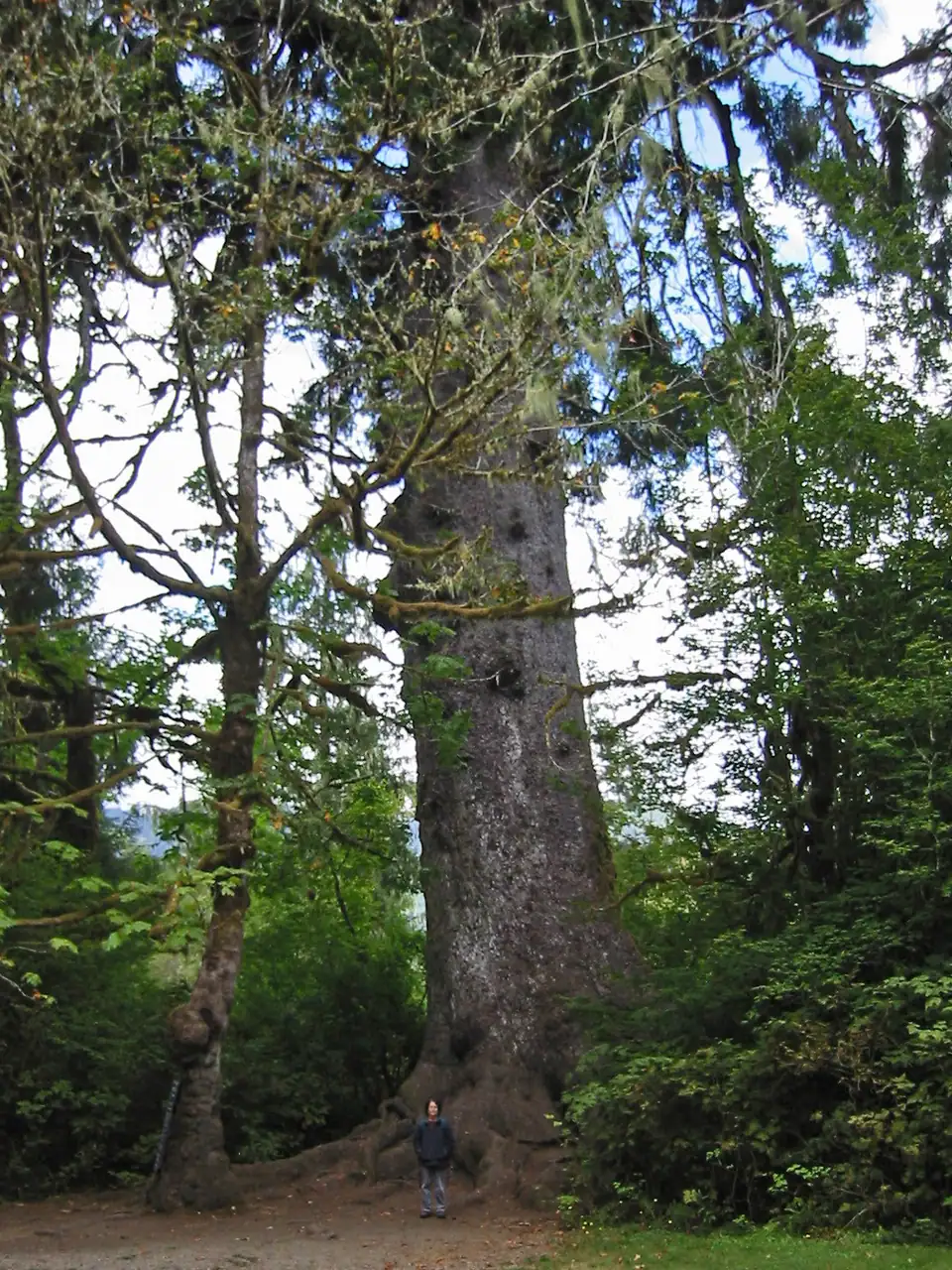
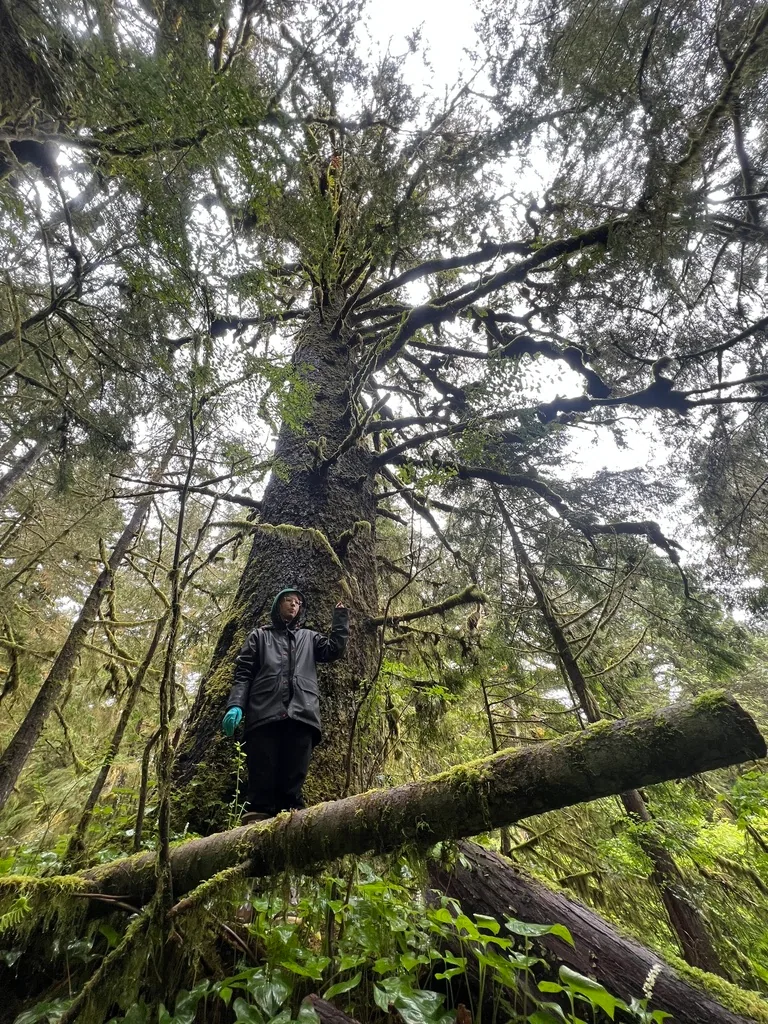
Sitka spruce is a true giant, growing 40 to 230 feet tall and 20 to 30 feet wide. It thrives in full sun or partial shade and loves moist soil rich in organic matter, in cool, damp coastal climates. Its woody cones ripen from late August through September, and in October you can gather the seeds to grow new trees.
- Sun
Full sun to partial shade
What the sources say (1)
Light: Full sun to partial shade
This tree prefers full sun to partial shade. It performs best in cool and moist coastal climates
— Picea sitchensis (Coast Spruce, Sitka Spruce, Tideland Spruce) | North Carolina Extension Gardener Plant Toolbox [1] - Water
Likes moist to wet soil; happiest in cool, damp coastal climates
What the sources say (1)
Watering notes: Performs best in moist to wet soils with a high organic matter content, in cool and moist coastal climates
It performs best in cool and moist coastal climates and moist to wet soils with a high organic matter content.
— Picea sitchensis (Coast Spruce, Sitka Spruce, Tideland Spruce) | North Carolina Extension Gardener Plant Toolbox [1] - Cold
Survives winters down to 0 °F (−17.8 °C)
Hardy in very cold winters · USDA 7a · RHS H6 · Z7
What the sources say (2)
Hardiness, coldest zone: 7a [winter low −17.8 to −15 °C (0 to 5 °F)]
USDA Plant Hardiness Zone: 7a, 7b, 8a, 8b
— Picea sitchensis (Coast Spruce, Sitka Spruce, Tideland Spruce) | North Carolina Extension Gardener Plant Toolbox [1] Hardiness, warmest zone: 8b [winter low −9.4 to −6.7 °C (15 to 20 °F)]
USDA Plant Hardiness Zone: 7a, 7b, 8a, 8b
— Picea sitchensis (Coast Spruce, Sitka Spruce, Tideland Spruce) | North Carolina Extension Gardener Plant Toolbox [1] - Soil
Soil rich in organic matter
What the sources say (1)
Watering notes: Performs best in moist to wet soils with a high organic matter content, in cool and moist coastal climates
It performs best in cool and moist coastal climates and moist to wet soils with a high organic matter content.
— Picea sitchensis (Coast Spruce, Sitka Spruce, Tideland Spruce) | North Carolina Extension Gardener Plant Toolbox [1] - Harvest
Gather the seeds in October; young shoots and inner bark were once used as food
What the sources say (2)
Harvest: Seeds may be harvested in October
Woody seed cones mature in late August through September and seeds may be harvested in October
— Picea sitchensis (Coast Spruce, Sitka Spruce, Tideland Spruce) | North Carolina Extension Gardener Plant Toolbox [1] Saving seeds: Woody seed cones mature in late August through September and seeds may be harvested in October
Woody seed cones mature in late August through September and seeds may be harvested in October
— Picea sitchensis (Coast Spruce, Sitka Spruce, Tideland Spruce) | North Carolina Extension Gardener Plant Toolbox [1] - Pests
Aphids, weevils, bark beetles, scales, adelgids and spider mites; fungi can rot roots and stems
What the sources say (4)
Pests: green spruce aphid, white pine weevil, ambrosia beetle, spruce beetle, scales, adelgids, spider mites, Cooley spruce gall adelgid (causes galls)
The Sitka spruce is susceptible to the green spruce aphid.
— Picea sitchensis (Coast Spruce, Sitka Spruce, Tideland Spruce) | North Carolina Extension Gardener Plant Toolbox [1] The tree is also vulnerable to the white pine weevil, ambrosia beetle, spruce beetle, scales, adelgids, and spider mites.
— Picea sitchensis (Coast Spruce, Sitka Spruce, Tideland Spruce) | North Carolina Extension Gardener Plant Toolbox [1] Galls are caused by the Cooley spruce gall adelgid and are frequently seen.
— Picea sitchensis (Coast Spruce, Sitka Spruce, Tideland Spruce) | North Carolina Extension Gardener Plant Toolbox [1] Diseases: fungal diseases causing root and stem rots
Other potential problems include fungal diseases resulting in root and stem rots.
— Picea sitchensis (Coast Spruce, Sitka Spruce, Tideland Spruce) | North Carolina Extension Gardener Plant Toolbox [1] - Watch out
Severe storms can blow the whole tree over
- Size
40 to 230 ft tall and 20 to 30 ft wide
What the sources say (2)
Mature height: 1219-7010 cm (40-230 ft)
Sitka spruce is a large, coniferous, needled evergreen tree that can grow from 40 to 230 feet tall.
— Picea sitchensis (Coast Spruce, Sitka Spruce, Tideland Spruce) | North Carolina Extension Gardener Plant Toolbox [1] Mature width: 610-914 cm (20-30 ft)
Dimensions: Height: 40 ft. 0 in. - 230 ft. 0 in. Width: 20 ft. 0 in. - 30 ft. 0 in.
— Picea sitchensis (Coast Spruce, Sitka Spruce, Tideland Spruce) | North Carolina Extension Gardener Plant Toolbox [1] - Propagation
From seed, cuttings or layering
What the sources say (1)
Propagation: Seed; cuttings and layering
They are propagated by seeds, but cuttings and layering are other options.
— Picea sitchensis (Coast Spruce, Sitka Spruce, Tideland Spruce) | North Carolina Extension Gardener Plant Toolbox [1]
Overview
Sitka spruce is a large needled evergreen conifer native to the Pacific Coast from Alaska to California. [1] It prefers full sun to partial shade and cool, moist coastal climates. [1]
This record is incomplete: the sources we read do not cover every field yet.
Not yet covered by our sources: Watering, Pruning
Sitka Spruce care
How to water Sitka Spruce
Watering
Not stated in the sources we read.
Watering notes
Performs best in moist to wet soils with a high organic matter content, in cool and moist coastal climates
What the sources say (1)
It performs best in cool and moist coastal climates and moist to wet soils with a high organic matter content.How much light Sitka Spruce needs
Full sun to partial shade
What the sources say (1)
This tree prefers full sun to partial shade. It performs best in cool and moist coastal climatesHow much cold Sitka Spruce can take
Hardiness, coldest zone
7a [winter low −17.8 to −15 °C (0 to 5 °F)]
What the sources say (1)
USDA Plant Hardiness Zone:
7a, 7b, 8a, 8bHardiness, warmest zone
8b [winter low −9.4 to −6.7 °C (15 to 20 °F)]
What the sources say (1)
USDA Plant Hardiness Zone:
7a, 7b, 8a, 8bHow to propagate Sitka Spruce
Seed; cuttings and layering
What the sources say (1)
They are propagated by seeds, but cuttings and layering are other options.How to grow Sitka Spruce
The plant
Family
Pinaceae
What the sources say (1)
The Sitka Spruce is a member of the Pinaceae or pine family.Mature height
1219-7010 cm (40-230 ft)
What the sources say (1)
Sitka spruce is a large, coniferous, needled evergreen tree that can grow from 40 to 230 feet tall.Mature width
610-914 cm (20-30 ft)
What the sources say (1)
Dimensions:
Height: 40 ft. 0 in. - 230 ft. 0 in.
Width: 20 ft. 0 in. - 30 ft. 0 in.Harvest and storage
Saving seeds
Woody seed cones mature in late August through September and seeds may be harvested in October
What the sources say (1)
Woody seed cones mature in late August through September and seeds may be harvested in OctoberPests and diseases
Pests
green spruce aphid, white pine weevil, ambrosia beetle, spruce beetle, scales, adelgids, spider mites, Cooley spruce gall adelgid (causes galls)
What the sources say (3)
The Sitka spruce is susceptible to the green spruce aphid.The tree is also vulnerable to the white pine weevil, ambrosia beetle, spruce beetle, scales, adelgids, and spider mites.Galls are caused by the Cooley spruce gall adelgid and are frequently seen.Diseases
fungal diseases causing root and stem rots
What the sources say (1)
Other potential problems include fungal diseases resulting in root and stem rots.Fertilizing
When
The sources give different values depending on region, zone or growing conditions.
What each source says
Picea in general: In fall, at a low nitrogen rate
What the sources say (1)
Picea in general: Otherwise, fertilizing at a low rate of N using a slow release fertilizer in the Fall will be fine.How often
The sources give different values depending on region, zone or growing conditions.
What each source says
Picea in general: Only when a soil test shows the need; test the soil every 5 years
What the sources say (1)
Picea in general: Evergreen trees require even less fertilization than deciduous trees- test your soil every 5 years to determine needMineral fertilizers
The sources give different values depending on region, zone or growing conditions.
What each source says
Picea in general: Slow-release fertilizer, since all fertilizers are salts
Picea in general: Nitrogen at the lowest recommended rate
Micronutrients
The sources give different values depending on region, zone or growing conditions.
What each source says
Picea in general: Iron applied to the soil or sprayed on the foliage for iron chlorosis on high-pH soils, often only a temporary fix
What the sources say (1)
Picea in general: Adding iron to the soil or spraying on the foliage may provide a solution but it may be only temporary.Avoid
The sources give different values depending on region, zone or growing conditions.
What each source says
Picea in general: Fertilizing newly planted trees
Picea in general: Fertilizing stressed trees or trees infested by insects or diseases
Picea in general: Fertilizing after new growth emerges in spring or before the trees harden off in fall
Picea in general: Fertilizer in the backfill, which can burn the needles
What the sources say (4)
Picea in general: Never fertilize newly planted trees, only established treesPicea in general: Never fertilize insect or disease infested or stressed treesPicea in general: Never fertilize after new leaves have emerged in spring or before hardening in fallPicea in general: Use the lowest rate of recommended Nitrogen and never put in the back fill or leaves may burnSigns of deficiency
The sources give different values depending on region, zone or growing conditions.
What each source says
Picea in general: Chlorotic needles from iron deficiency on high-pH soils
What the sources say (1)
Picea in general: Sometimes with a high pH such as yours, iron gets tied up in the soil and cant be taken up by plants. This makes the leaves (needles in this case) chlorotic.Signs of excess
The sources give different values depending on region, zone or growing conditions.
What each source says
Picea in general: Top growth at the expense of root growth
What the sources say (1)
Picea in general: Fertilizing results in top growth at the expense of root growthSitka Spruce pests and problems
Green spruce aphid and other pests
Symptom: Susceptible to green spruce aphid, white pine weevil, ambrosia beetle, spruce beetle, scales, adelgids and spider mites; Cooley spruce gall adelgid causes galls
What to do: Not stated in the sources
What the sources say (1)
The tree is also vulnerable to the white pine weevil, ambrosia beetle, spruce beetle, scales, adelgids, and spider mites.
— Picea sitchensis (Coast Spruce, Sitka Spruce, Tideland Spruce) | North Carolina Extension Gardener Plant Toolbox [1] Root and stem rots; windthrow
Symptom: Fungal root and stem rots; vulnerable to windthrow during severe storms
What to do: Not stated in the sources
What the sources say (1)
Other potential problems include fungal diseases resulting in root and stem rots. The tree is also vulnerable to windthrow during severe storms.
— Picea sitchensis (Coast Spruce, Sitka Spruce, Tideland Spruce) | North Carolina Extension Gardener Plant Toolbox [1]
Remedies
The sources we checked give no remedies for this plant.
Calendar
Seeds may be harvested in October
What the sources say (1)
Woody seed cones mature in late August through September and seeds may be harvested in OctoberNot stated in the sources we read.
Months as given by the sources, which are mostly from the United States (northern hemisphere). In the southern hemisphere they shift by about six months.
Edibility
Reported by the source, quoted verbatim. Do not eat a plant on the basis of this page alone: identification mistakes can be dangerous.
They used the young shoots and inner bark as a food
[1]
Similar plants
- Black Spruce Picea mariana
- Blue spruce Picea pungens
- Dragon Spruce Picea asperata
- Himalayan Spruce Picea smithiana
- Norway Spruce Picea abies
- Oriental Spruce Picea orientalis
- Serbian Spruce Picea omorika
- White Spruce Picea laxa
Sources
Every value above is quoted from these documents. Links lead to the original publisher.
- Picea sitchensis (Coast Spruce, Sitka Spruce, Tideland Spruce) | North Carolina Extension Gardener Plant Toolbox · plants.ces.ncsu.edu, consulted
- Sitka Spruce - Picea sitchensis | North Carolina Extension Gardener Plant Toolbox · plants.ces.ncsu.edu, consulted
- ask.extension.org · ask.extension.org
Written by Emilio Marruso · last checked