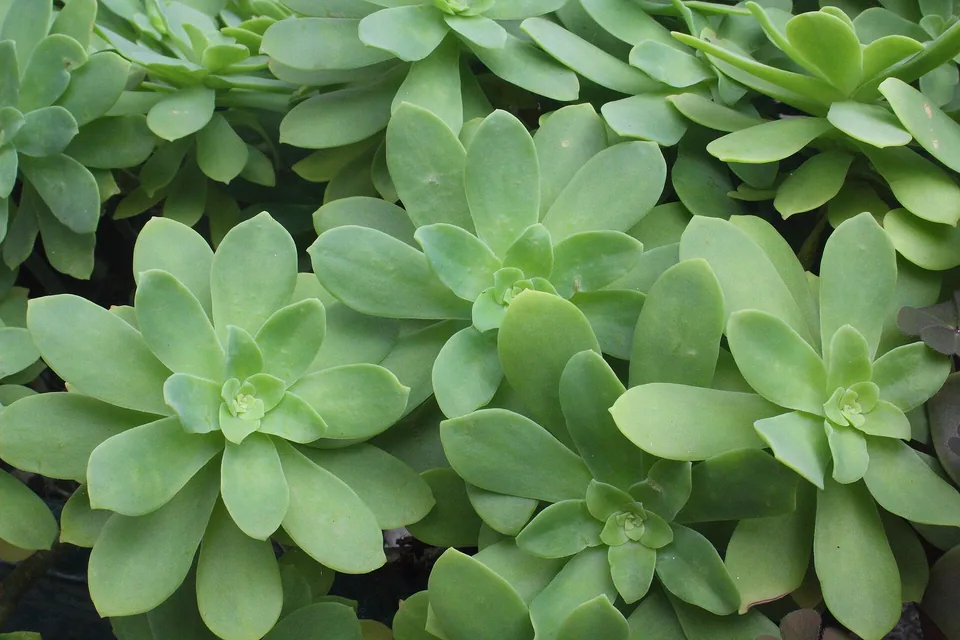
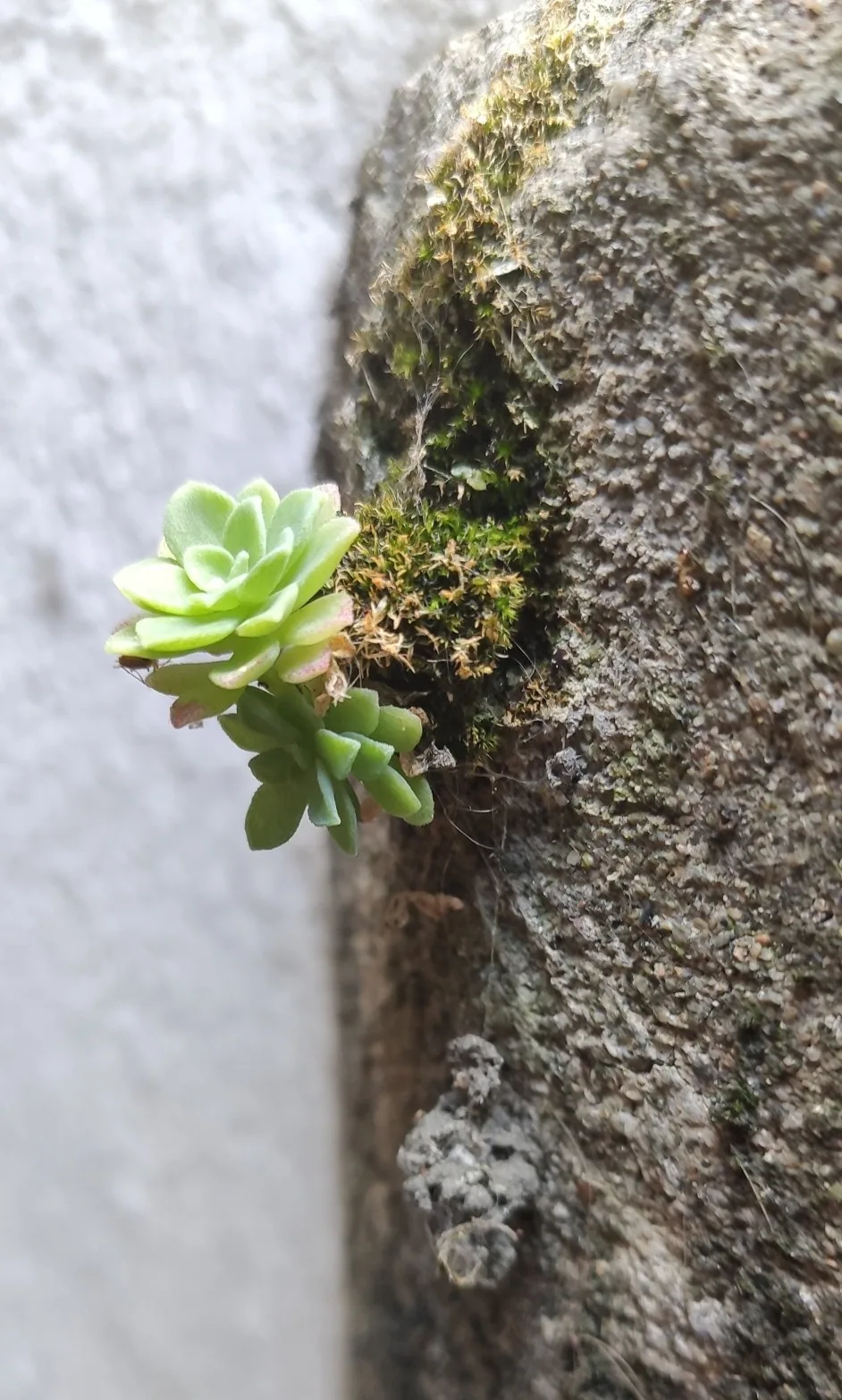

How to Grow and Care for Sedum palmeri
Sedum palmeri
Written by Emilio Marruso · last checked
Toxic to: Animals, People · Why
At a glance
This sedum is a forgiving plant that handles dry spells better than too much water, so it suits busy gardeners. Give it gritty, fast-draining soil on a slope, in a raised spot or in a pot, and it can even live indoors. A light trim after flowering keeps it tidy, and in spring you can cut it back to refresh it.
- Water
Better dry than soggy; in winter water just enough to keep the leaves from shriveling
What the sources say (3)
Watering notes: Suffers excess water more than drought; rots if the soil is not elevated; in winter water just enough to stop leaves shrivelling
It rotted easily if the soil was not elevated. All recommended a raised area, a slope, or pot culture.
— Sedum palmeri Palmer’s sedum [1] Il sedum palmeri soffre molto di più l’eccesso idrico che non la siccità.
— Sedum palmeri, cura e coltivazione - Cose di Casa [5] annaffiare molto sporadicamente, una volta al mese o anche meno , e solo nelle giornate meno fredde.
— Sedum palmeri, cura e coltivazione - Cose di Casa [5] - Cold
Survives winters down to 0 °F (−17.8 °C)
Hardy in very cold winters · USDA 7a · RHS H6 · Z7
What the sources say (2)
Hardiness, coldest zone: 7a [winter low −17.8 to −15 °C (0 to 5 °F)]
Sedum palmeri can withstand temperatures from 0°F to 40°F (-17.8°C to 4.4°C), USDA hardiness zones 7a to 10b.
— Sedum palmeri (Palmer's Sedum) - World of Succulents [2] Hardiness, warmest zone: 10b [winter low 1.7 to 4.4 °C (35 to 40 °F)]
Sedum palmeri can withstand temperatures from 0°F to 40°F (-17.8°C to 4.4°C), USDA hardiness zones 7a to 10b.
— Sedum palmeri (Palmer's Sedum) - World of Succulents [2] - Soil
Gritty, fast-draining soil, raised or on a slope; soggy soil rots the roots
What the sources say (3)
Watering notes: Suffers excess water more than drought; rots if the soil is not elevated; in winter water just enough to stop leaves shrivelling
It rotted easily if the soil was not elevated. All recommended a raised area, a slope, or pot culture.
— Sedum palmeri Palmer’s sedum [1] Il sedum palmeri soffre molto di più l’eccesso idrico che non la siccità.
— Sedum palmeri, cura e coltivazione - Cose di Casa [5] annaffiare molto sporadicamente, una volta al mese o anche meno , e solo nelle giornate meno fredde.
— Sedum palmeri, cura e coltivazione - Cose di Casa [5] - Pruning
Trim after flowering, late spring to early summer; cut back in spring to refresh it
What the sources say (2)
Pruning: After flowering (late spring to early summer); rejuvenation pruning in spring
si effettua principalmente dopo la fioritura (fine primavera/inizio estate)
— Sedum palmeri, cura e coltivazione - Cose di Casa [5] va fatta in primavera (inizio del periodo di crescita)
— Sedum palmeri, cura e coltivazione - Cose di Casa [5] - Pests
Watch for aphids
What the sources say (1)
Pests: aphids
Three locations had aphids on the plants for at least two months, though only one location found them to disfigure the plants.
— Sedum palmeri Palmer’s sedum [1] - Watch out
Stems snap easily: plant it away from paths and animals
- Containers
Does well in pots, even indoors
What the sources say (3)
In containers: Yes
This is a lovely, very slowly growing groundcover for partially shaded slopes, raised beds, or pots.
— Sedum palmeri Palmer’s sedum [1] Sedum palmeri è una pianta molto versatile che si adatta perfettamente alla coltivazione sia in vaso che in piena terra
— Sedum palmeri, cura e coltivazione - Cose di Casa [5] Indoors: Yes
Sedum palmeri si può coltivare all’esterno o all’interno a seconda delle condizioni climatiche
— Sedum palmeri, cura e coltivazione - Cose di Casa [5] - Safety
Not listed as toxic to people, but can be mildly toxic to pets and children
Overview
In California Master Gardener trials Palmer's sedum was a slow groundcover that rotted unless planted on raised or sloped ground. [1] It is a succulent subshrub from Mexico with golden yellow star-shaped flowers in late winter or early spring. [2] It can be propagated by cuttings or division and needs very well-drained soil. [2]
Sedum palmeri care
How to water Sedum palmeri
Watering
The sources give different values depending on region, zone or growing conditions.
What each source says
According to Consulta Plantas: Once a week in spring and summer, every 2 weeks in autumn, once a month in winter
According to Cose di Casa (spring-summer, potted): Every 10-15 days, only when the soil is completely dry
What the sources say (4)
According to Consulta Plantas: Water moderately, waiting until the soil has dried; for example once a week in spring and summer, every 2 weeks in autumn and once a month in winter.According to Cose di Casa (spring-summer, potted): Annaffiare solo quando il terriccio è completamente asciutto. A seconda del caldo e della dimensione del vaso, questo può significare ogni 10-15 giorni circaWater thoroughly, then wait for the soil to dry before watering again.This species prefers dry conditions and it is best to refrain from watering it until the rootball has dried out completely.Watering notes
Suffers excess water more than drought; rots if the soil is not elevated; in winter water just enough to stop leaves shrivelling
What the sources say (3)
It rotted easily if the soil was not elevated. All recommended a raised area, a slope, or pot culture.Il sedum palmeri soffre molto di più l’eccesso idrico che non la siccità.annaffiare molto sporadicamente, una volta al mese o anche meno , e solo nelle giornate meno fredde.How much light Sedum palmeri needs
The sources give different values depending on region, zone or growing conditions.
What each source says
According to UC Master Gardeners (California trials): Partial or filtered shade (performed better than full sun)
According to World of Succulents: Full sun, at least 6 hours daily
According to Cose di Casa: Full sun; bright partial shade also tolerated
According to Llifle: Filtered light; tolerates full shade
What the sources say (4)
According to UC Master Gardeners (California trials): The plants grown in partial or filtered shade performed consistently better than those in full sun.According to World of Succulents: These succulents grow best in full sun for at least 6 hours daily.According to Cose di Casa: L’esposizione ideale per il sedum palmeri è il pieno soleAccording to Llifle: These plants like filtered light and can tolerate full shadow.How much cold Sedum palmeri can take
Hardiness, coldest zone
7a [winter low −17.8 to −15 °C (0 to 5 °F)]
What the sources say (1)
Sedum palmeri can withstand temperatures from 0°F to 40°F (-17.8°C to 4.4°C), USDA hardiness zones 7a to 10b.Hardiness, warmest zone
10b [winter low 1.7 to 4.4 °C (35 to 40 °F)]
What the sources say (1)
Sedum palmeri can withstand temperatures from 0°F to 40°F (-17.8°C to 4.4°C), USDA hardiness zones 7a to 10b.Where to grow Sedum palmeri
Indoors
Yes
What the sources say (1)
Sedum palmeri si può coltivare all’esterno o all’interno a seconda delle condizioni climaticheIn containers
Yes
What the sources say (2)
This is a lovely, very slowly growing groundcover for partially shaded slopes, raised beds, or pots.Sedum palmeri è una pianta molto versatile che si adatta perfettamente alla coltivazione sia in vaso che in piena terraHow to propagate Sedum palmeri
The sources give different values depending on region, zone or growing conditions.
What each source says
According to Llifle: Division in spring and late summer; cuttings in summer
According to Consulta Plantas: Cuttings in early spring
What the sources say (4)
According to Llifle: division of old plant can be made in spring and late summer; cuttings in summer.According to Consulta Plantas: Mexican Hens and Chickens is propagated from cuttings in early spring.Once you have one Sedum, it is easy to make more by taking stems or leaf cuttings and dividing the plant.division of old plant can be made in spring and late summer; cuttings in summer.How to grow Sedum palmeri
Pests and diseases
Pests
aphids
What the sources say (1)
Three locations had aphids on the plants for at least two months, though only one location found them to disfigure the plants.Sedum palmeri pests and problems
Aphids
Symptom: Aphids on the plants for at least two months at three trial locations; disfigurement at one
What to do: No management stated in the source
What the sources say (1)
Three locations had aphids on the plants for at least two months, though only one location found them to disfigure the plants.
— Sedum palmeri Palmer’s sedum [1] Fragile stems
Symptom: Stems easily broken by passersby and animals
What to do: Not stated; the source suggests a spot away from walkways
What the sources say (1)
The main complaint with all gardens was how fragile the stems were.
— Sedum palmeri Palmer’s sedum [1] Root rot
Symptom: Rotting when the soil is not elevated or is waterlogged
What to do: Raised area, slope or pot culture with gritty, well-draining soil
What the sources say (2)
It rotted easily if the soil was not elevated. All recommended a raised area, a slope, or pot culture.
— Sedum palmeri Palmer’s sedum [1] Sedum s do not tolerate waterlogged soil, so drainage is essential to prevent root rot.
— Sedum palmeri (Palmer's Sedum) - World of Succulents [2]
Remedies
The sources we checked give no remedies for this plant.
Is Sedum palmeri toxic to pets?
Reported by the source, quoted verbatim. This is not medical or veterinary advice: if a person or an animal may have eaten this plant, contact a poison control centre or a veterinarian.
Calendar
Pruning
After flowering (late spring to early summer); rejuvenation pruning in spring
Months as given by the sources, which are mostly from the United States (northern hemisphere). In the southern hemisphere they shift by about six months.
Similar plants
- Broadleaf stonecrop Sedum spathulifolium
- Carpet Sedum Sedum lineare
- Moss Stonecrop Sedum acre
- Sedum caeruleum Sedum caeruleum
- Stonecrop Sedum album
- Stonecrop Sedum ternatum
- Stringy Stonecrop Sedum sarmentosum
- Thick-leaf stonecrop Sedum dasyphyllum
Sources
Every value above is quoted from these documents. Links lead to the original publisher.
- Sedum palmeri Palmer’s sedum · ucanr.edu, consulted
- Sedum palmeri (Palmer's Sedum) - World of Succulents · worldofsucculents.com, consulted
- Sedum palmeri · llifle.info, consulted
- Sedum palmeri or Palmer's Sedum | Care and Growing · consultaplantas.com, consulted
- Sedum palmeri, cura e coltivazione - Cose di Casa · cosedicasa.com, consulted
Written by Emilio Marruso · last checked