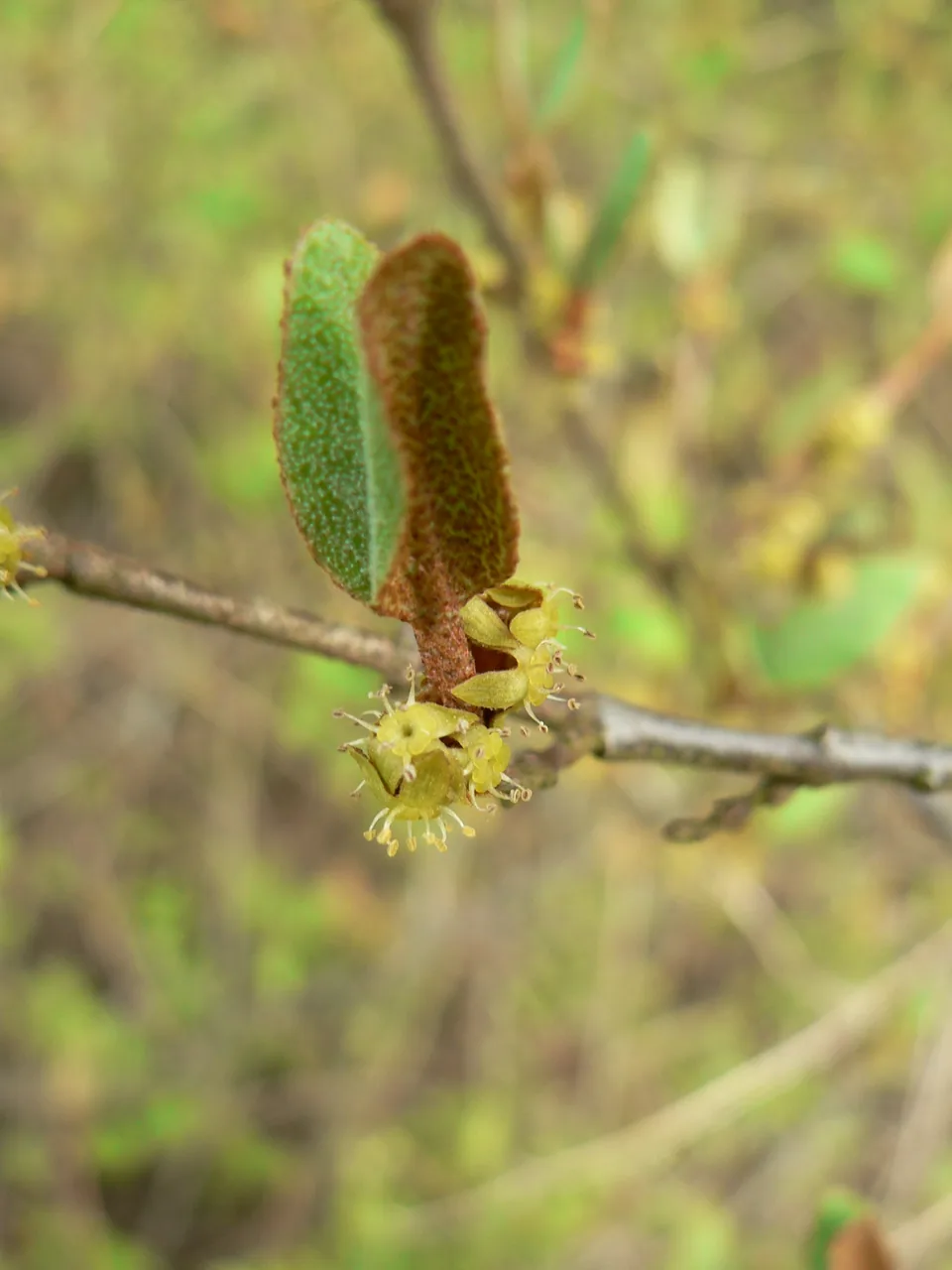
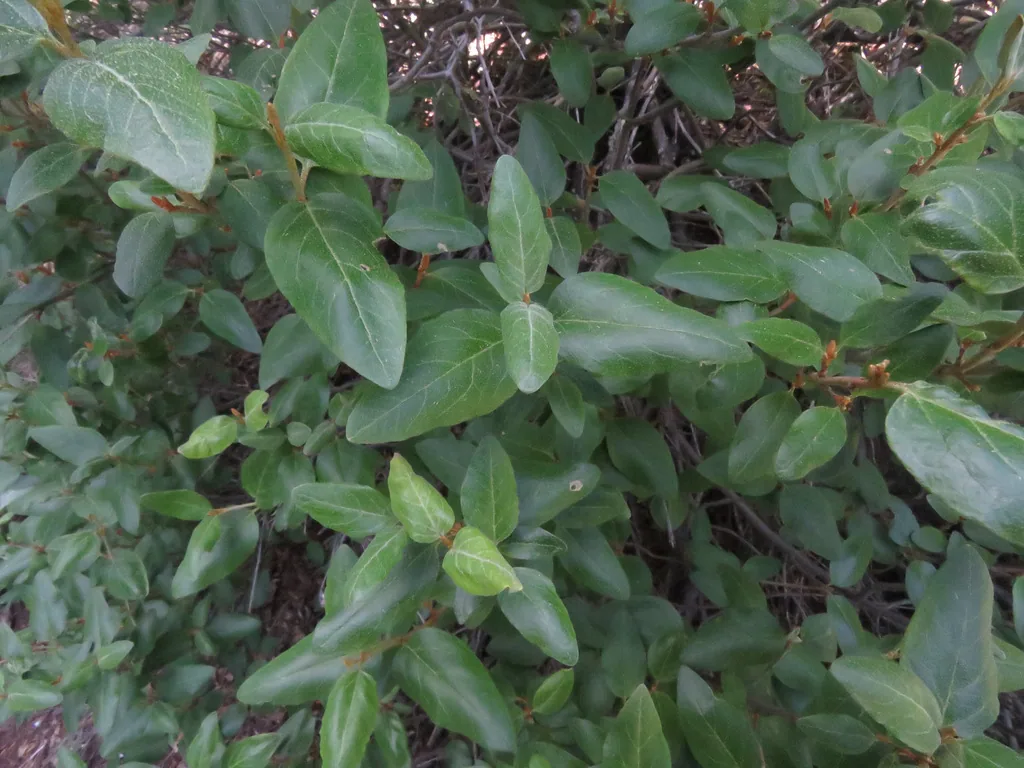

How to Grow and Care for Russet buffaloberry
Shepherdia canadensis
Written by Emilio Marruso · last checked
Toxic to: People · Why
At a glance
This hardy plant asks for very little: it succeeds in ordinary, well-drained soil that holds some moisture, and it even tolerates poor, dry ground. Plant nursery-grown seedlings in spring or summer, and it can spread 6–8 feet wide. In July and August it rewards you with fruit you can eat raw or cooked.
- Water
Likes soil that stays a little moist but drains well; it also copes with dry soil
What the sources say (2)
- Cold
Survives winters down to −50 °F (−45.6 °C)
Very hardy · USDA 2 · RHS H7 · Z2
- Soil
Alkaline soil, pH 7.2 or higher; it even grows in poor soil
What the sources say (3)
Soil pH, minimum: 7.2
Soil pH: Alkaline (pH>7.2)
— Lady Bird Johnson Wildflower Center - The University of Texas at Austin [2] - Planting
Plant nursery-grown seedlings in spring or summer
What the sources say (1)
Planting: Spring or summer (nursery-grown seedlings)
planted in spring or summer
— Plant Data Sheet [4] - Harvest
Pick the fruit in July and August; eat it raw or cooked
What the sources say (1)
Harvest: July-August (fruit)
Edible, (Accessory tissue), Red, Jul-Aug
— Shepherdia canadensis - Kwantlen Polytechnic University, School of Horticulture - Plant Database [8] - Pests
Watch the leaves for diseases
What the sources say (1)
Diseases: foliar diseases
Landscape Use - for poor sites - salt tolerant Liabilities - foliar diseases
— Plant Database [1] - Size
6 to 8 ft wide
What the sources say (1)
Mature width: 182.88-243.84 cm (6-8 ft)
a small, deciduous shrub - open, rounded crown - 6' to 8' tall - equally as wide
— Plant Database [1] - Propagation
From cuttings, or from seed given a cold period before sowing
- Safety
The fruit contains small amounts of saponins
Overview
Shepherdia canadensis is a small deciduous shrub native to North America and hardy to zone 2. [1] The fruit contains low concentrations of saponins and can be eaten raw or cooked. [7]
This record is incomplete: the sources we read do not cover every field yet.
Not yet covered by our sources: Hardiness, warmest zone, Pruning
Russet buffaloberry care
How to water Russet buffaloberry
Watering
The sources give different values depending on region, zone or growing conditions.
What each source says
According to Lady Bird Johnson Wildflower Center: Water use: Medium; drought tolerance: High
According to University of Washington: Resistant to drought, so water sparingly
Watering notes
Succeeds in an ordinary well-drained moisture retentive soil; tolerates poor dry soils
How much light Russet buffaloberry needs
The sources disagree:
generally does best in partial shade, nutrient poor soils, and dry to moist
[4]
How much cold Russet buffaloberry can take
Hardiness, coldest zone
2 [winter low −45.6 to −40 °C (−50 to −40 °F)]
Hardiness, warmest zone
Not stated in the sources we read.
Best soil for Russet buffaloberry
7.2
What the sources say (1)
Soil pH: Alkaline (pH>7.2)How to propagate Russet buffaloberry
How to grow Russet buffaloberry
The plant
Family
Elaeagnaceae
What the sources say (1)
Shepherdia canadensis
## Russet Buffaloberry
## Elaeagnaceae
Expand
Habitat
- native to North AmericaMature height
Mature width
182.88-243.84 cm (6-8 ft)
What the sources say (1)
a small, deciduous shrub
- open, rounded crown
- 6' to 8' tall
- equally as widePests and diseases
Diseases
foliar diseases
What the sources say (1)
Landscape
Use
- for poor sites
- salt tolerant
Liabilities
- foliar diseasesRemedies
The sources we checked give no remedies for this plant.
Is Russet buffaloberry poisonous?
Reported by the source, quoted verbatim. This is not medical or veterinary advice: if a person or an animal may have eaten this plant, contact a poison control centre or a veterinarian.
Calendar
Spring or summer (nursery-grown seedlings)
What the sources say (1)
planted in spring or summerJuly-August (fruit)
What the sources say (1)
Edible, (Accessory tissue), Red, Jul-AugNot stated in the sources we read.
Months as given by the sources, which are mostly from the United States (northern hemisphere). In the southern hemisphere they shift by about six months.
Edibility
Reported by the source, quoted verbatim. Do not eat a plant on the basis of this page alone: identification mistakes can be dangerous.
Fruit - raw or cooked
[7]
Indicative values
Values from a secondary source, not checked word for word like the rest of this page. Use them as a starting point.
- Life cycle
- PerennialIndicative value, adapt it to your climate · Secondary source
- Soil
- Sandy, Loamy, Clay, Humus, RockyIndicative value, adapt it to your climate · Secondary source
- Care level
- MediumIndicative value, adapt it to your climate · Secondary source
- Growth rate
- ModerateIndicative value, adapt it to your climate · Secondary source
- Pruning
- February, March, AprilIndicative value, adapt it to your climate · Secondary source
Similar plants
- Silver Buffaloberry Shepherdia argentea
- Autumn Olive Elaeagnus umbellata
- Elaeagnus ebbingei Elaeagnus ebbingei
- Russian Olive Elaeagnus angustifolia
- Seaberry Hippophae rhamnoides
- Silverberry Elaeagnus commutata
- Thorny Olive Elaeagnus pungens
- Aaron's Beard Hypericum calycinum
Sources
Every value above is quoted from these documents. Links lead to the original publisher.
- Plant Database · plantdatabase.uconn.edu, consulted
- Lady Bird Johnson Wildflower Center - The University of Texas at Austin · wildflower.org, consulted
- Shepherdia canadensis (Canada Buffaloberry): Minnesota Wildflowers · minnesotawildflowers.info, consulted
- Plant Data Sheet · depts.washington.edu, consulted
- Virginia Tech Dendrology Fact Sheet · dendro.cnre.vt.edu, consulted
- Shepherdia canadensis - Trees and Shrubs Online · treesandshrubsonline.org, consulted
- Shepherdia canadensis - Useful Temperate Plants · temperate.theferns.info, consulted
- Shepherdia canadensis - Kwantlen Polytechnic University, School of Horticulture - Plant Database · plantdatabase.kpu.ca, consulted
Written by Emilio Marruso · last checked