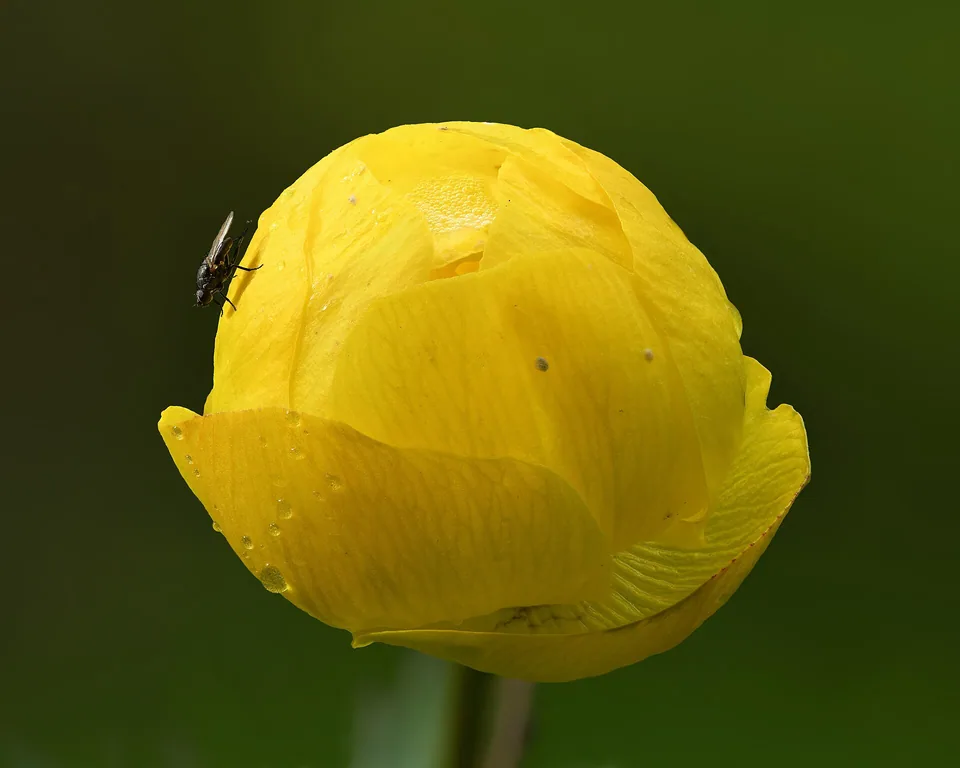
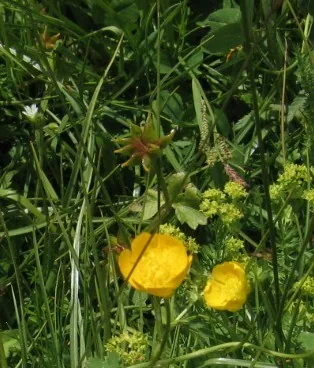

How to Grow and Care for Trollius europaeus
Trollius europaeus
Written by Emilio Marruso · last checked
Toxic to: People · Why
At a glance
Globeflower is a perennial that comes back year after year, happy as long as its soil stays evenly moist. Plant it in spring or fall, cut the flowered stems back to the base after blooming, and divide the clumps to make new plants for free. It grows to 2 feet tall and is usually trouble free.
- Water
Keep the soil evenly moist; in dry spells water deeply once or twice a week and mulch
What the sources say (2)
Watering: Keep the soil evenly moist; do not let it dry out
Keep the soil evenly moist; do not let it dry out.
— How to Grow Trollius - Globeflower [3] Watering notes: Water deeply once or twice a week in dry spells rather than sprinkling daily; mulch to stem soil moisture evaporation
Mulch around Trollius to stem soil moisture evaporation.
— How to Grow Trollius - Globeflower [3] - Planting
Plant in spring or fall
What the sources say (1)
Planting: Spring or autumn
Plant Trollius in spring or autumn. - Start seeds
— How to Grow Trollius - Globeflower [3] - Pruning
After flowering, cut the flowered stems back to the base
What the sources say (1)
Pruning: After flowering (cut flowered stems back to the base)
Trim back the plant's foliage when blooming has stopped.
— What Are Globeflowers - Information About Trollius Globeflower Plants | Gardening Know How [4] - Pests
Mice and voles may eat leaves and buds in early summer; sometimes powdery mildew
- Size
Grows 2 ft tall
What the sources say (1)
Mature height: 60 cm [24 in]
Bis 60 cm hoch. Blätter handförmig geteilt , mit rautenförmigen, 3spitzigen Abschnitten.
— Trollius europaeus L. [2] - Propagation
Divide the clumps as new growth starts or right after flowering
What the sources say (2)
- Sowing
Sow in pots in spring, or in a cold frame as soon as the seed is ripe
What the sources say (2)
Sowing: Spring, in containers; or as soon as the seed is ripe, in a cold frame
Start seeds in containers in spring; seeds can take 2 years to germinate.
— How to Grow Trollius - Globeflower [3] Seed - best sown as soon as it is ripe in a cold frame.
— Globeflower (Trollius europaeus) — Practical Plants [6] - Safety
Mildly poisonous to people unless dried: don't eat it
Overview
European globeflower is a perennial of wet pastures, scrub and woods in mountain districts, especially near streams and avoiding acid soils. [6] The plant is described as mildly poisonous unless dried. [6]
This record is incomplete: the sources we read do not cover every field yet.
Not yet covered by our sources: Light
Trollius europaeus care
How to water Trollius europaeus
Watering
Keep the soil evenly moist; do not let it dry out
What the sources say (1)
Keep the soil evenly moist; do not let it dry out.Watering notes
Water deeply once or twice a week in dry spells rather than sprinkling daily; mulch to stem soil moisture evaporation
What the sources say (1)
Mulch around Trollius to stem soil moisture evaporation.How much light Trollius europaeus needs
Not stated in the sources we read.
How much cold Trollius europaeus can take
Hardiness, coldest zone
The sources give different values depending on region, zone or growing conditions.
What each source says
According to Harvest to Table: 3 [winter low −40 to −34.4 °C (−40 to −30 °F)]
According to Gardening Know How: 3 [winter low −40 to −34.4 °C (−40 to −30 °F)]
According to Desert-Tropicals: 4 [winter low −34.4 to −28.9 °C (−30 to −20 °F)]
According to Practical Plants: 5 [winter low −28.9 to −23.3 °C (−20 to −10 °F)]
What the sources say (4)
According to Harvest to Table: Growing zones and range: Zones 3 to 7According to Gardening Know How: in USDA plant hardiness zones 3 through 7According to Desert-Tropicals: USDA: 4-8
Sun Exposure: Light shade to shade
Origin:According to Practical Plants: Hardiness
Zone 5+
Soil textures
loamy, clay, heavy clayHardiness, warmest zone
The sources give different values depending on region, zone or growing conditions.
What each source says
According to Harvest to Table: 7 [winter low −17.8 to −12.2 °C (0 to 10 °F)]
According to Desert-Tropicals: 8 [winter low −12.2 to −6.7 °C (10 to 20 °F)]
Where to grow Trollius europaeus
The sources give different values depending on region, zone or growing conditions.
What each source says
According to Harvest to Table: 61 cm (24 in)
What the sources say (1)
According to Harvest to Table: Space Trollius 24 inches (61cm) apart.
## How toHow to propagate Trollius europaeus
How to grow Trollius europaeus
The plant
Life cycle
perennial
What the sources say (1)
Life form
Perennial hemicryptophyte
## Habitats
## Habitats © Delarze & al. 2015Family
Ranunculaceae
What the sources say (1)
Species
SIFS: 430600
Checklist: 1048030
- Ranunculaceae
- Trollius
- Trollius europaeus L.Mature height
60 cm [24 in]
What the sources say (1)
Bis 60 cm hoch. Blätter handförmig geteilt , mit rautenförmigen, 3spitzigen Abschnitten.Trollius europaeus pests and problems
Mice and voles; powdery mildew
Symptom: Leaves and buds eaten in early summer; occasional powdery mildew
What to do: Usually trouble free
What the sources say (1)
Usually trouble free although mice and voles sometimes eat the leaves and buds in early summer.
— How to Grow Trollius - Globeflower [3]
Remedies
The sources we checked give no remedies for this plant.
Is Trollius europaeus poisonous?
Reported by the source, quoted verbatim. This is not medical or veterinary advice: if a person or an animal may have eaten this plant, contact a poison control centre or a veterinarian.
The plant is mildly poisonous unless it is dried
[6]
Calendar
Sowing
Spring, in containers; or as soon as the seed is ripe, in a cold frame
Planting
Spring or autumn
What the sources say (1)
Plant Trollius in spring or autumn.
- Start seedsPruning
After flowering (cut flowered stems back to the base)
What the sources say (1)
Trim back the plant's foliage when blooming has stopped.Months as given by the sources, which are mostly from the United States (northern hemisphere). In the southern hemisphere they shift by about six months.
Indicative values
Values from a secondary source, not checked word for word like the rest of this page. Use them as a starting point.
- Light
- Deep shade, Filtered shade, Part sun/part shadeIndicative value, adapt it to your climate · Secondary source
- Soil pH
- 5.5-7Indicative value, adapt it to your climate · Secondary source
- Care level
- MediumIndicative value, adapt it to your climate · Secondary source
- Growth rate
- HighIndicative value, adapt it to your climate · Secondary source
- Pests
- Mildew, Pest resistant, Disease resistant, Rabbit resistantIndicative value, adapt it to your climate · Secondary source
Similar plants
- Aconite Aconitum napellus
- Arctic violet Pulsatilla vernalis
- Baneberry Actaea pachypoda
- Black caraway Nigella sativa
- Black Cohosh Actaea racemosa
- Blooddrops Adonis annua
- Blue Jasmine Clematis crispa
- Bugbane Actaea podocarpa
Sources
Every value above is quoted from these documents. Links lead to the original publisher.
- Trollius europaeus (TLUEU)[Overview]| EPPO Global Database · gd.eppo.int, consulted
- Trollius europaeus L. · infoflora.ch, consulted
- How to Grow Trollius - Globeflower · harvesttotable.com, consulted
- What Are Globeflowers - Information About Trollius Globeflower Plants | Gardening Know How · gardeningknowhow.com, consulted
- Globe Flower (Trollius europaeus) · desert-tropicals.com, consulted
- Globeflower (Trollius europaeus) — Practical Plants · practicalplants.org, consulted
Written by Emilio Marruso · last checked