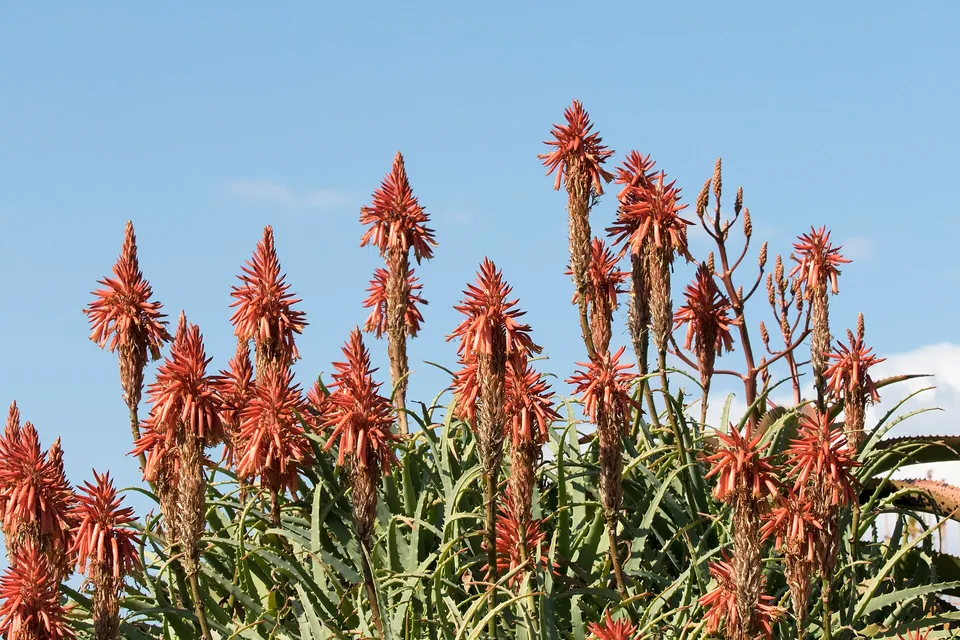
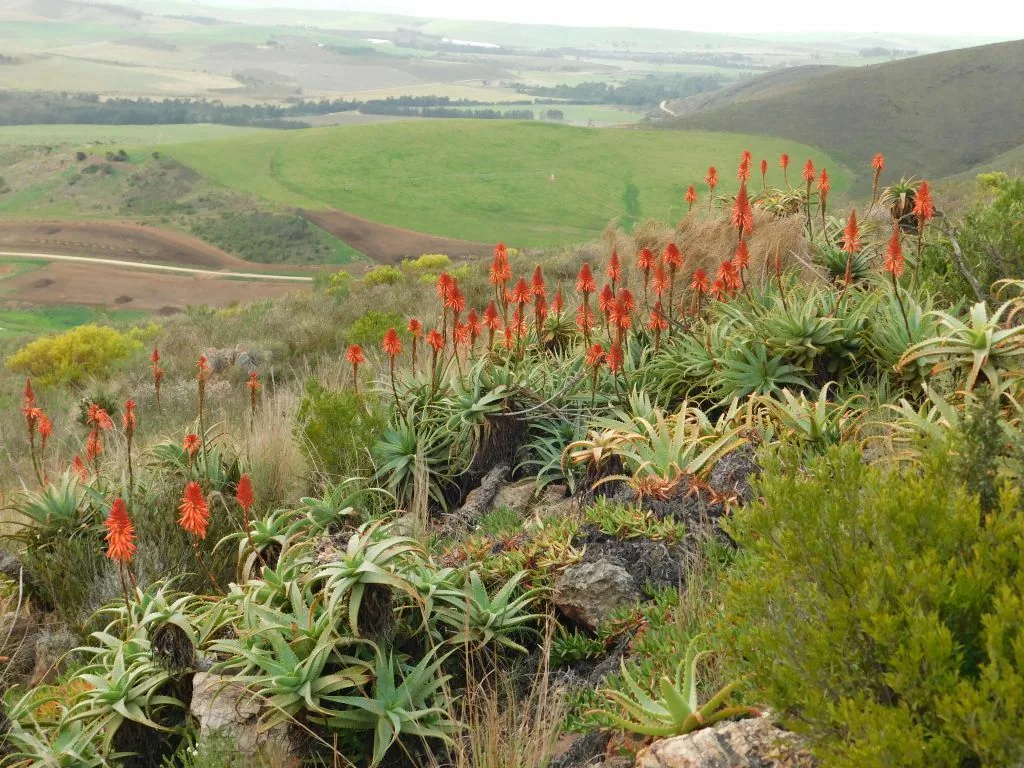

Cómo cultivar y cuidar Planta pulpo
Aloe arborescens
Escrito por Emilio Marruso · última revisión
Tóxica para: Gatos, Perros · Por qué
De un vistazo
El aloe arborescens es una planta generosa para compartir: da hijuelos, enraíza de esquejes de tallo y crece de semilla, así que una sola planta puede convertirse en muchas. Vive feliz en maceta o en interior y pide poco: riégalo solo cuando la tierra esté completamente seca. Empieza nuevas plantas en primavera y dales un sustrato con muy buen drenaje.
- Riego
Riega solo cuando la tierra esté completamente seca; no dejes agua en las rosetas
Qué dicen las fuentes (3)
Notas sobre el riego: Riega solo cuando la tierra esté completamente seca, evita que el agua se acumule en las rosetas y nunca dejes la maceta en un plato con agua
Come tutte le succulente, è molto resistente alla siccità ma teme mortalmente i ristagni idrici, per cui va bagnata solo ed esclusivamente quando il terriccio è completamente asciutto in profondità.
— Aloe arborescens, cura e coltivazione - Cose di Casa [7] Don’t ever sit the pot in a saucer of water.
— Aloe Arborescens: Benefits, Care, and Medicinal Uses [5] Water deeply, but only when the soil is dry to the touch, and avoid allowing water to stand in the rosettes.
— Aloe arborescens (Torch Aloe) - World of Succulents [3] - Suelo
Suelo neutro o alcalino, pH 7,0–8,5
Qué dicen las fuentes (2)
pH del suelo, mínimo: 7.0
Will grow in a wide range of soils, prefers well-draining soils with a loamy soil texture, enriched with compost, with a soil pH 7.0 to 8.5.
— Aloe Arborescens: Benefits, Care, and Medicinal Uses [5] pH del suelo, máximo: 8.5
Will grow in a wide range of soils, prefers well-draining soils with a loamy soil texture, enriched with compost, with a soil pH 7.0 to 8.5.
— Aloe Arborescens: Benefits, Care, and Medicinal Uses [5] - Plantación
Planta hijuelos y esquejes en primavera
Qué dicen las fuentes (2)
Plantación: Primavera (hijuelos y esquejes)
these can be carefully removed with as much roots as possible and transplanted in spring.
— Aloe Arborescens: Benefits, Care, and Medicinal Uses [5] Stem or branch cuttings can be taken in spring. First remove the lower leaves from the cutting
— Aloe Arborescens: Benefits, Care, and Medicinal Uses [5] - Plagas
Las raíces se pudren si siguen mojadas mucho tiempo: usa un sustrato con muy buen drenaje
- Multiplicación
Se multiplica fácilmente por hijuelos, esquejes de tallo o semillas
Qué dicen las fuentes (2)
Propagación: Hijuelos (pups u offsets), esquejes de tallo y semillas
Aloe arborescens is easily propagated from sideshoots, stem cuttings and seeds.
— Aloe Arborescens: Benefits, Care, and Medicinal Uses [5] Aloe arborescens “Torch Aloe” can be propagated from stem cuttings, offsets, or seed.
— Aloe arborescens "Torch Aloe" | Succulents and Sunshine [4] - Siembra
Siembra en primavera, en los meses cálidos
Qué dicen las fuentes (2)
Siembra: Primavera (meses cálidos)
Sow seeds in spring, they should take three to four weeks to germinate. Protect the seedlings from early spring frosts.
— Aloe Arborescens: Benefits, Care, and Medicinal Uses [5] For best results, sow the seeds during the warm months.
— Aloe arborescens (Torch Aloe) - World of Succulents [3] - Maceta
Crece en maceta y en interior; nunca dejes la maceta en un plato con agua
Qué dicen las fuentes (7)
En maceta: Sí
For best results grow Aloe arborescens in cactus compost in a large container and water sparingly.
— Aloe arborescens | BBC Gardeners World Magazine [2] This Aloe can be grown perfectly in pots and containers, and this will keep the plant down to a manageable size
— Aloe Arborescens: Benefits, Care, and Medicinal Uses [5] En interior: Sí
Light: When growing Aloe arborescens indoors, place it in a window with plenty of bright, indirect sunlight.
— Aloe arborescens (Torch Aloe) - World of Succulents [3] Torch aloe Cactus or succulent, Conservatory, House plant, Perennial Family: Liliaceae
— Aloe arborescens | BBC Gardeners World Magazine [2] Notas sobre el riego: Riega solo cuando la tierra esté completamente seca, evita que el agua se acumule en las rosetas y nunca dejes la maceta en un plato con agua
Come tutte le succulente, è molto resistente alla siccità ma teme mortalmente i ristagni idrici, per cui va bagnata solo ed esclusivamente quando il terriccio è completamente asciutto in profondità.
— Aloe arborescens, cura e coltivazione - Cose di Casa [7] Don’t ever sit the pot in a saucer of water.
— Aloe Arborescens: Benefits, Care, and Medicinal Uses [5] Water deeply, but only when the soil is dry to the touch, and avoid allowing water to stand in the rosettes.
— Aloe arborescens (Torch Aloe) - World of Succulents [3] - Seguridad
Ligeramente tóxico para gatos y perros si lo comen; en general no es tóxico para las personas
Resumen
La sábila antorcha es un arbusto suculento tierno que se cultiva en compost de cactus en un contenedor grande y se riega con moderación. [2] Necesita un buen drenaje, porque la humedad excesiva durante un período prolongado puede causar pudrición de las raíces. [3] Se puede propagar a partir de brotes laterales, esquejes de tallo y semillas, y se describe como levemente tóxico para gatos y perros. [5][3]
Citado en inglés, como en la fuente.
Esta ficha está incompleta: las fuentes consultadas aún no cubren todos los campos.
Aún no cubierto por nuestras fuentes: Poda
Cuidados
Riego
Riego
Las fuentes dan valores distintos según la región, la zona o las condiciones de cultivo.
Lo que dice cada fuente
Según World of Succulents: Riego regular, tolera períodos cortos de sequía; reduce en invierno
Según Deep Green Permaculture: Infrecuente; sin agua en invierno
Qué dicen las fuentes (4)
Según World of Succulents: Watering: This plant requires regular watering but can tolerate short periods of drought.Según Deep Green Permaculture: Light – Prefers full sun but will tolerate light shade.
Watering – Infrequent, don’t water in winter.Watering: This plant requires regular watering but can tolerate short periods of drought.Light – Prefers full sun but will tolerate light shade.
Watering – Infrequent, don’t water in winter.Notas sobre el riego
Riega solo cuando la tierra esté completamente seca, evita que el agua se acumule en las rosetas y nunca dejes la maceta en un plato con agua
Qué dicen las fuentes (3)
Come tutte le succulente, è molto resistente alla siccità ma teme mortalmente i ristagni idrici, per cui va bagnata solo ed esclusivamente quando il terriccio è completamente asciutto in profondità.Don’t ever sit the pot in a saucer of water.Water deeply, but only when the soil is dry to the touch, and avoid allowing water to stand in the rosettes.Luz
Las fuentes dan valores distintos según la región, la zona o las condiciones de cultivo.
Lo que dice cada fuente
Según World of Succulents: Prefiere semisombra al aire libre, especialmente en las horas más calurosas del día
Según Deep Green Permaculture: Prefiere pleno sol pero tolera semisombra
Según Succulents and Sunshine: Pleno sol a semisombra; unas 6 horas de luz solar al día
Qué dicen las fuentes (5)
Según World of Succulents: Outdoors, the plant prefers light shade, especially during the hottest parts of the day.Según Deep Green Permaculture: Light – Prefers full sun but will tolerate light shade.Según Succulents and Sunshine: Plant in an area of your garden that gets 6 hours of sunlight a day.Outdoors, the plant prefers light shade, especially during the hottest parts of the day.Light – Prefers full sun but will tolerate light shade.Clima y frío
Rusticidad, zona más fría
Las fuentes dan valores distintos según la región, la zona o las condiciones de cultivo.
Lo que dice cada fuente
Según World of Succulents: 9b [mínima invernal de −3,9 a −1,1 °C (de 25 a 30 °F)]
Según Succulents and Sunshine: 9a [mínima invernal de −6,7 a −3,9 °C (de 20 a 25 °F)]
Qué dicen las fuentes (4)
Según World of Succulents: Aloe arborescens grows best in USDA Plant Hardiness Zones 9b to 11b, with average minimum winter temperatures ranging from 25°F to 50°F (-3.9°C to 10°C).Según Succulents and Sunshine: Zone 9a (Minimum 20° F | -6.7° C)Aloe arborescens grows best in USDA Plant Hardiness Zones 9b to 11b, with average minimum winter temperatures ranging from 25°F to 50°F (-3.9°C to 10°C).Zone 9a (Minimum 20° F | -6.7° C)Rusticidad, zona más cálida
11b [mínima invernal de 7,2 a 10 °C (de 45 a 50 °F)]
Qué dicen las fuentes (1)
Aloe arborescens grows best in USDA Plant Hardiness Zones 9b to 11b, with average minimum winter temperatures ranging from 25°F to 50°F (-3.9°C to 10°C).Suelo
pH del suelo, mínimo
7.0
Qué dicen las fuentes (1)
Will grow in a wide range of soils, prefers well-draining soils with a loamy soil texture, enriched with compost, with a soil pH 7.0 to 8.5.pH del suelo, máximo
8.5
Qué dicen las fuentes (1)
Will grow in a wide range of soils, prefers well-draining soils with a loamy soil texture, enriched with compost, with a soil pH 7.0 to 8.5.Dónde cultivarla
En interior
Sí
Qué dicen las fuentes (2)
Light: When growing Aloe arborescens indoors, place it in a window with plenty of bright, indirect sunlight.Torch aloe Cactus or succulent, Conservatory, House plant, Perennial Family: LiliaceaeEn maceta
Sí
Qué dicen las fuentes (2)
For best results grow Aloe arborescens in cactus compost in a large container and water sparingly.This Aloe can be grown perfectly in pots and containers, and this will keep the plant down to a manageable sizePropagación
Hijuelos (pups u offsets), esquejes de tallo y semillas
Qué dicen las fuentes (2)
Aloe arborescens is easily propagated from sideshoots, stem cuttings and seeds.Aloe arborescens “Torch Aloe” can be propagated from stem cuttings, offsets, or seed.Problemas
Podredumbre de la raíz
Síntoma: Las raíces se pudren cuando la humedad excesiva persiste durante un período prolongado
Qué hacer: Usa una mezcla de suelo con muy buen drenaje y evita el agua estancada alrededor de las raíces
Qué dicen las fuentes (1)
Soil: Great drainage is essential for growing this plant, as excessive moisture for an extended period can cause root rot.
— Aloe arborescens (Torch Aloe) - World of Succulents [3]
Remedios
Las fuentes consultadas no dan remedios para esta planta.
Venenosa para los animales
Según la fuente, citada textualmente. No es un consejo médico ni veterinario: si una persona o un animal pudo haber ingerido esta planta, contacta con un centro de toxicología o con un veterinario.
Animales
it can be mildly toxic to cats and dogs when ingested.
[3]- Partes venenosas
Aloe ‘Arborescens’ causes an upset stomach. Its foliage, roots and sap are toxic.
[2]- Principio tóxico
La tossicità per cani e gatti di aloe arborescens è dovuta principalmente all’ aloina e ad altri antrachinoni
[7]- Síntomas
L’ingestione di queste sostanze può causare disturbi gastrointestinali anche gravi, tra cui: vomito, diarrea, dolore o crampi addominali, letargia.
[7]
Personas
Zone 9a (Minimum 20° F | -6.7° C) - Not cold hardy - Propagation by stem cuttings, offsets, and seeds - Generally non-toxic to humans
[4]
Calendario
Siembra
Primavera (meses cálidos)
Qué dicen las fuentes (2)
Sow seeds in spring, they should take three to four weeks to germinate. Protect the seedlings from early spring frosts.For best results, sow the seeds during the warm months.Plantación
Primavera (hijuelos y esquejes)
Qué dicen las fuentes (2)
these can be carefully removed with as much roots as possible and transplanted in spring.Stem or branch cuttings can be taken in spring. First remove the lower leaves from the cuttingPoda
No figura en las fuentes consultadas.
Meses tal como los dan las fuentes, en su mayoría de Estados Unidos (hemisferio norte). En el hemisferio sur se desplazan unos seis meses.
Plantas similares
- Aloe aristata Aloe aristata
- Aloe coral Aloe striata
- Sábila Aloe vera
- Áloe feroz Aloe ferox
- Soap aloe Aloe maculata
- Hipérico rastrero Hypericum calycinum
- Abeto de Vancuver Abies grandis
- Abraham Trachystemon orientalis
Fuentes
Cada valor anterior se cita de estos documentos. Los enlaces llevan al editor original.
- Aloe arborescens Mill. | Plants of the World Online | Kew Science · powo.science.kew.org, consultado
- Aloe arborescens | BBC Gardeners World Magazine · gardenersworld.com, consultado
- Aloe arborescens (Torch Aloe) - World of Succulents · worldofsucculents.com, consultado
- Aloe arborescens "Torch Aloe" | Succulents and Sunshine · succulentsandsunshine.com, consultado
- Aloe Arborescens: Benefits, Care, and Medicinal Uses · deepgreenpermaculture.com, consultado
- How to Grow Aloe · harvesttotable.com, consultado
- Aloe arborescens, cura e coltivazione - Cose di Casa · cosedicasa.com, consultado
- Aloe arborescens: come curarla e come si pianta - GreenStyle · greenstyle.it, consultado
Escrito por Emilio Marruso · última revisión