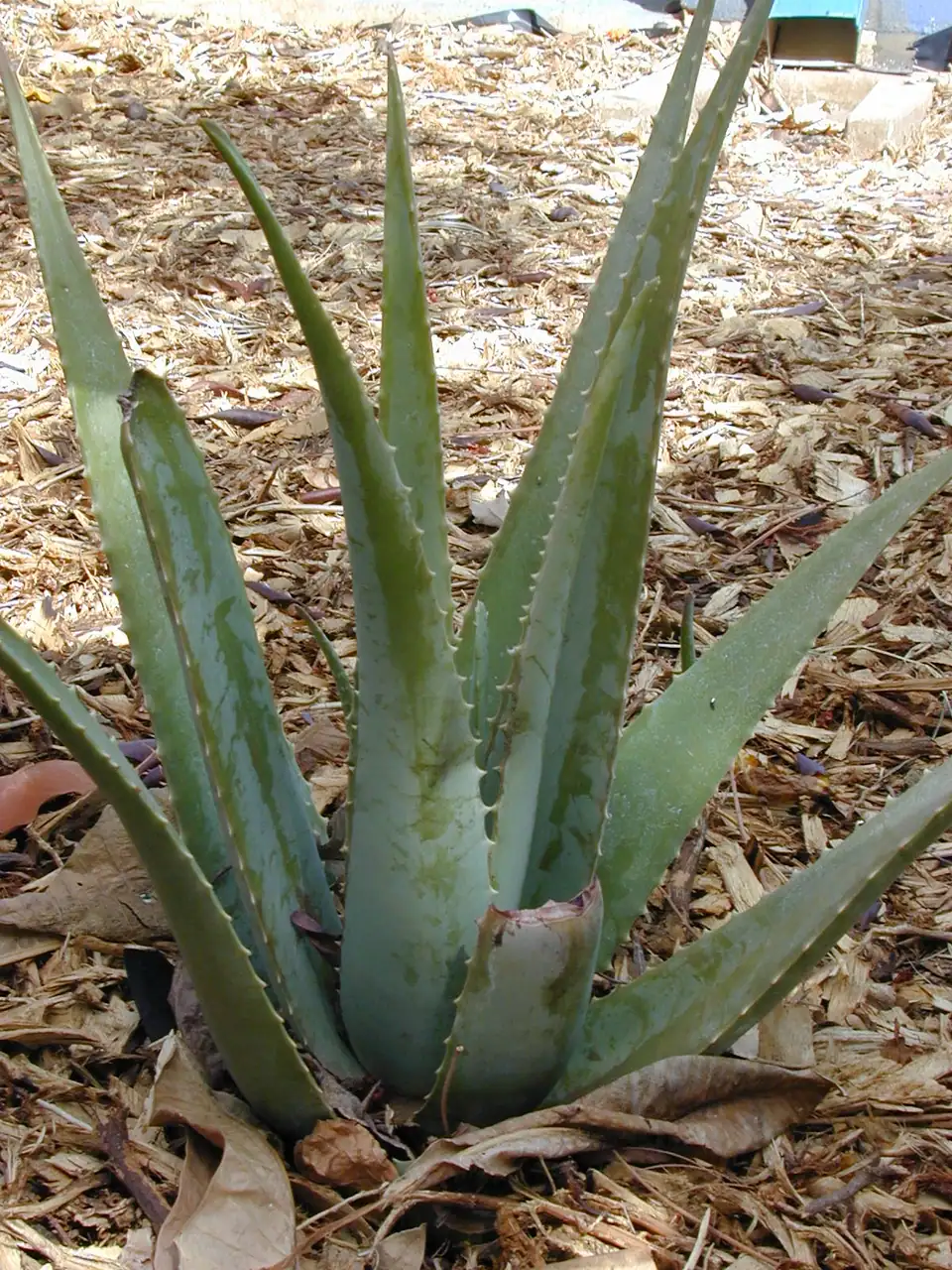
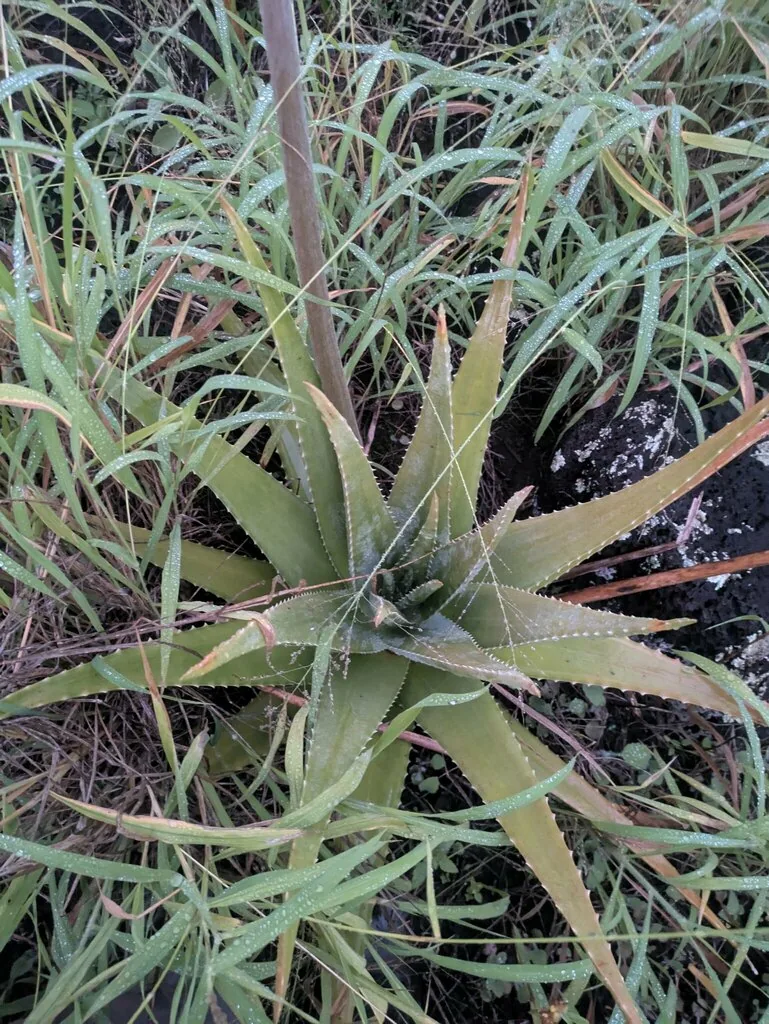
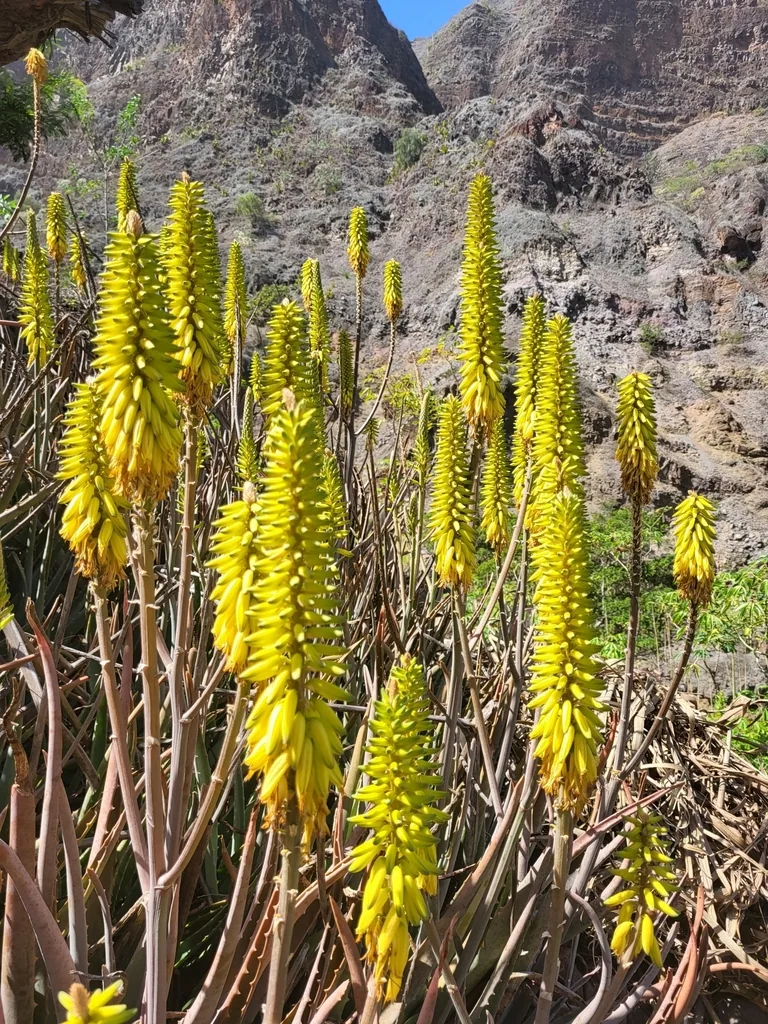

Cómo cultivar y cuidar Sábila
Aloe vera
Escrito por Emilio Marruso · última revisión
Tóxica para: Gatos, Perros, Caballos, Personas · Por qué
De un vistazo
El aloe vera es una planta perenne que vive feliz dentro de casa o en maceta, y pide muy poco: normalmente no necesita abono. Deja que la tierra se seque del todo entre riegos y nunca la dejes encharcada. Y lo mejor: produce hijuelos que puedes separar de la planta madre para tener plantas nuevas.
- Riego
Deja que la tierra se seque del todo entre riegos; riega menos en invierno y nunca la dejes encharcada
Qué dicen las fuentes (3)
Notas sobre el riego: Nunca dejes que la planta quede en agua; usa macetas con agujeros de drenaje; reduce el riego en los meses de dormancia invernal; al aire libre en Florida, riega para establecer y luego solo agua de lluvia.
If the plant sits in water, it be susceptible to root rot.
— Aloe Vera: Houseplant How-To [3] Since the plant goes dormant during the winter months, it is best to reduce watering.
— Aloe Vera: Houseplant How-To [3] Water to establish the plants, but from then on allow them to survive on rainwater alone.
— One of the most popular houseplants – aloe – easy-going growing! - UF/IFAS Extension Charlotte County [7] - Abonado
Normalmente no necesita abono
Qué dicen las fuentes (1)
Frecuencia: Por lo general no es necesario para mantener la planta sana
No fertilizer is usually required to keep the plant healthy.
— Aloe Vera: Houseplant How-To [3] - Plagas
Cochinilla algodonosa, pulgón y cochinilla; el exceso de agua pudre las raíces y puede matarla
Qué dicen las fuentes (4)
Plagas: cochinillas harinosas, pulgones, cochinilla del aloe, ácaro del aloe
Mealybugs and aphids are insects that may affect the health of your aloe plant.
— Aloe vera (Aloe, Aloe Vera, Barbados Aloe, Medicinal Aloe, Medicine Plant, True Aloe) | North Carolina Extension Gardener Plant Toolbox [1] Mealybugs, aloe scale, and aloe mite may be a problem.
— Aloe Vera: Houseplant How-To [3] Enfermedades: mancha foliar, roya del aloe, moho fuliginoso, pudrición de raíz, enfermedad fúngica
Diseases include scale, leaf spot, aloe rust, and sooty mold. Overwatering should be avoided, it can lead to the roots rotting.
— Aloe vera (Aloe, Aloe Vera, Barbados Aloe, Medicinal Aloe, Medicine Plant, True Aloe) | North Carolina Extension Gardener Plant Toolbox [1] Aloe rust, root rot, and fungal disease may appear.
— Aloe Vera: Houseplant How-To [3] - Atención
Pásala a la luz intensa poco a poco: un cambio brusco la quema
- Tamaño
De 30 a 76 cm de ancho
Qué dicen las fuentes (1)
Anchura adulta: 30-76 cm (1 pie a 2 pies 6 pulgadas)
Height: 1 ft. 0 in. - 2 ft. 0 in. Width: 1 ft. 0 in. - 2 ft. 6 in.
— Aloe vera (Aloe, Aloe Vera, Barbados Aloe, Medicinal Aloe, Medicine Plant, True Aloe) | North Carolina Extension Gardener Plant Toolbox [1] - Multiplicación
Separa los hijuelos de la planta madre o divide la mata
Qué dicen las fuentes (2)
Propagación: División; hijuelos (pups) separados de la planta madre
It will grow 2 to 3 feet tall and spread by offsets. Propagation can be done by division.
— Aloe vera (Aloe, Aloe Vera, Barbados Aloe, Medicinal Aloe, Medicine Plant, True Aloe) | North Carolina Extension Gardener Plant Toolbox [1] you can divide the pups from the mother plant and repot them to share with friends.
— What Should I Know About Growing Aloe at Home? | Extension [5] - Maceta
Crece bien en interior y en macetas con agujeros de drenaje
Qué dicen las fuentes (6)
En maceta: Sí
can be grown for years in a pot; just be sure to let the soil dry between waterings.
— Aloe Vera – Gardening Solutions [8] The pot used should also have several drainage holes and clay is best.
— Aloe vera (Aloe, Aloe Vera, Barbados Aloe, Medicinal Aloe, Medicine Plant, True Aloe) | North Carolina Extension Gardener Plant Toolbox [1] En interior: Sí
It is often grown indoors as a houseplant, but it can be an outdoor perennial in zones 10 and higher.
— Aloe vera (Aloe, Aloe Vera, Barbados Aloe, Medicinal Aloe, Medicine Plant, True Aloe) | North Carolina Extension Gardener Plant Toolbox [1] Notas sobre el riego: Nunca dejes que la planta quede en agua; usa macetas con agujeros de drenaje; reduce el riego en los meses de dormancia invernal; al aire libre en Florida, riega para establecer y luego solo agua de lluvia.
If the plant sits in water, it be susceptible to root rot.
— Aloe Vera: Houseplant How-To [3] Since the plant goes dormant during the winter months, it is best to reduce watering.
— Aloe Vera: Houseplant How-To [3] Water to establish the plants, but from then on allow them to survive on rainwater alone.
— One of the most popular houseplants – aloe – easy-going growing! - UF/IFAS Extension Charlotte County [7] - Seguridad
No la comas: puede causar náuseas; es tóxica para gatos, perros y caballos
Resumen
El aloe vera es una suculenta de hoja perenne que a menudo se cultiva en interiores como planta de casa y se puede mover al exterior en verano. [1][4] Necesita un suelo muy bien drenado adecuado para suculentas y debe secarse entre riegos, ya que el exceso de riego provoca pudrición de raíces. [1][3] Se propaga por hijuelos, que se pueden dividir de la planta madre. [1]
Citado en inglés, como en la fuente.
Cuidados
Riego
Riego
Las fuentes dan valores distintos según la región, la zona o las condiciones de cultivo.
Lo que dice cada fuente
Según NC State Extension: Deja que el suelo se seque completamente entre riegos.
Según UF/IFAS Gardening Solutions: Riega solo cuando la pulgada superior del suelo esté seca al tacto.
temporada de crecimiento, desde principios de primavera hasta principios de otoño (Extensión de Penn State): Riega abundantemente cuando la superficie del suelo esté seca.
período de reposo, desde otoño hasta invierno (Extensión de Penn State): Reduce el riego para que el suelo quede apenas húmedo.
al aire libre, Florida (UF/IFAS Condado de Charlotte): Riega para establecer, luego solo agua de lluvia.
Qué dicen las fuentes (8)
Según NC State Extension: Allow the soil to completely dry between waterings.Según UF/IFAS Gardening Solutions: only water your plant when the top inch of soil is dry to the touch.temporada de crecimiento, desde principios de primavera hasta principios de otoño (Extensión de Penn State): During the growing season, from early spring to early fall, water thoroughly when the soil's surface is dry.período de reposo, desde otoño hasta invierno (Extensión de Penn State): During the dormant period, from fall through winter, reduce watering so the soil is barely moist, and the leaves don't shrivel.al aire libre, Florida (UF/IFAS Condado de Charlotte): Water to establish the plants, but from then on allow them to survive on rainwater alone.Allow the soil to completely dry between waterings.Regular, thorough watering is best, making sure that the soil dries out completely before watering again.only water your plant when the top inch of soil is dry to the touch.Notas sobre el riego
Nunca dejes que la planta quede en agua; usa macetas con agujeros de drenaje; reduce el riego en los meses de dormancia invernal; al aire libre en Florida, riega para establecer y luego solo agua de lluvia.
Qué dicen las fuentes (3)
If the plant sits in water, it be susceptible to root rot.Since the plant goes dormant during the winter months, it is best to reduce watering.Water to establish the plants, but from then on allow them to survive on rainwater alone.Luz
Las fuentes dan valores distintos según la región, la zona o las condiciones de cultivo.
Lo que dice cada fuente
al aire libre (Extensión de NC State): Pleno sol a semisombra
al aire libre, Florida (UF/IFAS Condado de Charlotte): Pleno sol
en interiores (Extensión SDSU): Luz indirecta brillante; la luz solar directa puede quemar.
en interiores (Extensión Penn State): Pleno sol a luz indirecta brillante, cerca de ventanas soleadas
en interiores (Extensión UNH): Lugar brillante y soleado; el alféizar orientado al sur es ideal, una ventana orientada al este u oeste sin obstrucciones también funciona
Qué dicen las fuentes (7)
al aire libre (Extensión de NC State): Grow this plant in full sun to partial shade in very well-drained soils suitable for succulents.al aire libre, Florida (UF/IFAS Condado de Charlotte): can be planted outdoors and does well in full sun areas with well-drained soil.en interiores (Extensión SDSU): It requires bright, indirect sunlight. Direct sunlight can burn its tender skin.en interiores (Extensión Penn State): When growing indoors, place them near sunny windows so they can receive full sun to bright indirect light.en interiores (Extensión UNH): A south facing windowsill is perfect for growing aloe, but an unobstructed east or west facing window will also work.Grow this plant in full sun to partial shade in very well-drained soils suitable for succulents.It requires bright, indirect sunlight. Direct sunlight can burn its tender skin.Clima y frío
Rusticidad, zona más fría
Las fuentes dan valores distintos según la región, la zona o las condiciones de cultivo.
Lo que dice cada fuente
Según NC State Extension: 10a [mínima invernal de −1,1 a 1,7 °C (de 30 a 35 °F)]
Según UF/IFAS Gardening Solutions: 8 [mínima invernal de −12,2 a −6,7 °C (de 10 a 20 °F)]
Qué dicen las fuentes (2)
Según NC State Extension: USDA Plant Hardiness Zone: 10a, 10b, 11a, 11b, 12a, 12bSegún UF/IFAS Gardening Solutions: plants can be grown outside year-round in zones 8-11Rusticidad, zona más cálida
Las fuentes dan valores distintos según la región, la zona o las condiciones de cultivo.
Lo que dice cada fuente
Según NC State Extension: 12b [mínima invernal de 12,8 a 15,6 °C (de 55 a 60 °F)]
Según UF/IFAS Gardening Solutions: 11 [mínima invernal de 4,4 a 10 °C (de 40 a 50 °F)]
Qué dicen las fuentes (2)
Según NC State Extension: USDA Plant Hardiness Zone: 10a, 10b, 11a, 11b, 12a, 12bSegún UF/IFAS Gardening Solutions: plants can be grown outside year-round in zones 8-11Dónde cultivarla
En interior
Sí
Qué dicen las fuentes (1)
It is often grown indoors as a houseplant, but it can be an outdoor perennial in zones 10 and higher.En maceta
Sí
Qué dicen las fuentes (2)
can be grown for years in a pot; just be sure to let the soil dry between waterings.The pot used should also have several drainage holes and clay is best.Propagación
División; hijuelos (pups) separados de la planta madre
Qué dicen las fuentes (2)
It will grow 2 to 3 feet tall and spread by offsets. Propagation can be done by division.you can divide the pups from the mother plant and repot them to share with friends.Cultivo
La planta
Ciclo de vida
perenne
Qué dicen las fuentes (1)
It is often grown indoors as a houseplant, but it can be an outdoor perennial in zones 10 and higher.Familia
Asphodelaceae
Qué dicen las fuentes (2)
Aloe Vera is an evergreen succulent plant in the daylily family (Asphodelaceae) native to the Arabian Peninsula that has spread to many other regions and is considered invasive in some counties.Originating in Africa, aloes are members of the Asphodelaceae family, and some species have been cultivated for over 2,000 years.Altura adulta
Anchura adulta
30-76 cm (1 pie a 2 pies 6 pulgadas)
Qué dicen las fuentes (1)
Height: 1 ft. 0 in. - 2 ft. 0 in.
Width: 1 ft. 0 in. - 2 ft. 6 in.Plagas y enfermedades
Plagas
cochinillas harinosas, pulgones, cochinilla del aloe, ácaro del aloe
Qué dicen las fuentes (2)
Mealybugs and aphids are insects that may affect the health of your aloe plant.Mealybugs, aloe scale, and aloe mite may be a problem.Enfermedades
mancha foliar, roya del aloe, moho fuliginoso, pudrición de raíz, enfermedad fúngica
Qué dicen las fuentes (2)
Diseases include scale, leaf spot, aloe rust, and sooty mold. Overwatering should be avoided, it can lead to the roots rotting.Aloe rust, root rot, and fungal disease may appear.Abonado
Frecuencia
Por lo general no es necesario para mantener la planta sana
Qué dicen las fuentes (1)
No fertilizer is usually required to keep the plant healthy.Problemas
Pudrición de raíces por exceso de riego
Síntoma: Las raíces se pudren cuando la planta está en agua o se riega en exceso; la condición puede ser fatal.
Qué hacer: Deja que el suelo se seque completamente entre riegos y nunca dejes que la planta quede en agua.
Qué dicen las fuentes (2)
Root rot is due to overwatering. There is no treatment, and this can be fatal if not caught early enough.
— Aloe Vera: Houseplant How-To [3] Overwatering should be avoided, it can lead to the roots rotting.
— Aloe vera (Aloe, Aloe Vera, Barbados Aloe, Medicinal Aloe, Medicine Plant, True Aloe) | North Carolina Extension Gardener Plant Toolbox [1] Cochinillas harinosas y otras plagas
Síntoma: Las cochinillas harinosas se agrupan en la base y dejan una secreción pegajosa sobre la que se desarrolla moho; también pueden aparecer pulgones y cochinillas del aloe.
Qué hacer: El jabón insecticida se puede usar para controlar las cochinillas harinosas, siguiendo la etiqueta del producto.
Qué dicen las fuentes (2)
Mealybugs usually congregate at the base of the plant. They leave behind a sticky secretion.
— Aloe Vera: Houseplant How-To [3] Insecticidal soap can be used to control mealybugs. Make sure you follow the label on the product for the best results.
— Aloe Vera: Houseplant How-To [3] Roya del aloe y enfermedad fúngica
Síntoma: Manchas amarillas que se vuelven marrones en las hojas; causadas por temperaturas frías y alta humedad.
Qué hacer: Por lo general no necesita tratamiento.
Qué dicen las fuentes (1)
Yellow spots that turn brown on the leaves are the sign of Aloe rust. It usually does not need treatment.
— Aloe Vera: Houseplant How-To [3] Muy poca agua
Síntoma: Hojas amarillas, marchitas y arrugadas.
Qué hacer: La planta debería recuperarse una vez que se riega de nuevo.
Qué dicen las fuentes (1)
Too little water will give you yellow, shriveled, and puckered leaves. The plant should recover once it is watered again.
— Aloe Vera: Houseplant How-To [3] Quemadura por sol después de un cambio repentino a luz brillante
Síntoma: La planta se quema con el sol cuando se mueve repentinamente de poca luz a luz brillante.
Qué hacer: Haz el traslado al exterior gradual.
Qué dicen las fuentes (1)
make the move gradual as the plant can sunburn when moved from low to bright light too quickly
— Aloe Vera – Gardening Solutions [8]
Remedios
Cada remedio indica qué dicen las fuentes oficiales; los remedios tradicionales sin fuente oficial aparecen marcados. Los perjudiciales están para que sepas evitarlos.
Cuidar la planta
cochinillas harinosas
spray de jabón insecticida Funciona
Cómo: Usa jabón insecticida y sigue la etiqueta del producto.
Insecticidal soap can be used to control mealybugs. Make sure you follow the label on the product for the best results.
— Aloe Vera: Houseplant How-To [3] Qué dicen las pruebas insecticidal soap is a safe, effective organic insecticide with minimal environmental impact.
— extension.psu.edu [9]
mosquitos de los hongos
dejando secar la tierra No verificado
Remedio tradicional, no verificado por una fuente oficial.
Cómo: Deja secar la tierra, lo que mata a los mosquitos y evita que se propaguen; evita el riego excesivo.
óxido del aloe
rociado con bicarbonato de sodio No verificado
Remedio tradicional, no verificado por una fuente oficial.
Penn State Extension does not recommend using home remedies for many reasons. They do not come with precise instructions on how to use; they may not be effective; they have the potential to harm humans, pets, and plants; and their use can violate federal law.
— extension.psu.edu [10] Cómo: Rocía una solución de una cucharadita de bicarbonato de sodio en un cuarto de galón de agua para ayudar a combatir el óxido.
espolvoreo con azufre en polvo No verificado
Remedio tradicional, no verificado por una fuente oficial.
Penn State Extension does not recommend using home remedies for many reasons. They do not come with precise instructions on how to use; they may not be effective; they have the potential to harm humans, pets, and plants; and their use can violate federal law.
— extension.psu.edu [10] Cómo: Espolvorea las plantas con azufre en polvo cada una o dos semanas; esto no mata el óxido pero evita la germinación de nuevas esporas.
moho fuliginoso
lavando la melaza No verificado
Remedio tradicional, no verificado por una fuente oficial.
Cómo: Lava la melaza, que puede ser dura y reduce la luz que llega a las hojas.
gorgojos picudos
cortando el tallo por encima de la infestación No verificado
Remedio tradicional, no verificado por una fuente oficial.
Cómo: Si la planta es grande, corta el tallo por encima de la infestación, cortando de nuevo hasta que no aparezcan más agujeros de perforación.
Venenosa para los animales
Según la fuente, citada textualmente. No es un consejo médico ni veterinario: si una persona o un animal pudo haber ingerido esta planta, contacta con un centro de toxicología o con un veterinario.
Alternativas seguras para gatos y perros
Animales
#poisonous #interiorscape #drought tolerant #tropical herbaceous perennial #problem for cats #problem for dogs #problem for horses
[1]La fuente señala el riesgo para este animal pero no explica por qué.
Personas
A word of caution, people or pets should not ingest the plant. It can cause nausea and indigestion if taken in large quantities.
[3]- Partes venenosas
Causes Contact Dermatitis: Yes Poison Part: Leaves
[1]- Principio tóxico
Poison Toxic Principle: Anthraquinone glycoside Causes Contact Dermatitis: Yes
[1]- Síntomas
Symptoms may include: Abdominal cramping, diarrhea, red urine; skin irritation from latex.
[1]- Gravedad
Poison Severity: Low Poison Symptoms: Poisonous through ingestion or dermatitis.
[1]
Causes low toxicity if eaten. Used medicinally and in drinks when properly prepared.
[1]- Partes venenosas
Causes Contact Dermatitis: Yes Poison Part: Leaves
[1]- Principio tóxico
Poison Toxic Principle: Anthraquinone glycoside Causes Contact Dermatitis: Yes
[1]- Síntomas
Symptoms may include: Abdominal cramping, diarrhea, red urine; skin irritation from latex.
[1]- Gravedad
Poison Severity: Low Poison Symptoms: Poisonous through ingestion or dermatitis.
[1]
Comestibilidad
Según la fuente, citada textualmente. No comas una planta basándote solo en esta página: los errores de identificación pueden ser peligrosos.
Causes low toxicity if eaten. Used medicinally and in drinks when properly prepared.
[1]
Valores orientativos
Valores de una fuente secundaria, no comprobados palabra por palabra como el resto de esta página. Úselos como punto de partida.
- Horas de sol
- 4-6 horasValor orientativo, adáptalo a tu clima · Fuente secundaria
- Resiste la sequía
- SíValor orientativo, adáptalo a tu clima · Fuente secundaria
- Suelo
- Bien drenadoValor orientativo, adáptalo a tu clima · Fuente secundaria
- pH del suelo
- 6-8Valor orientativo, adáptalo a tu clima · Fuente secundaria
- Crecimiento
- AltaValor orientativo, adáptalo a tu clima · Fuente secundaria
- Poda
- Marzo, abrilValor orientativo, adáptalo a tu clima · Fuente secundaria
Plantas similares
- Aloe aristata Aloe aristata
- Aloe coral Aloe striata
- Áloe feroz Aloe ferox
- Planta pulpo Aloe arborescens
- Soap aloe Aloe maculata
- Asphodeline lutea Asphodeline lutea
- Bulbine frutescens Bulbine frutescens
- Lirios de día Hemerocallis fulva
Fuentes
Cada valor anterior se cita de estos documentos. Los enlaces llevan al editor original.
- Aloe vera (Aloe, Aloe Vera, Barbados Aloe, Medicinal Aloe, Medicine Plant, True Aloe) | North Carolina Extension Gardener Plant Toolbox · plants.ces.ncsu.edu, consultado
- Aloe Vera - Aloe vera | North Carolina Extension Gardener Plant Toolbox · plants.ces.ncsu.edu, consultado
- Aloe Vera: Houseplant How-To · extension.sdstate.edu, consultado
- Aloe, a Hardy Houseplant · extension.psu.edu, consultado
- What Should I Know About Growing Aloe at Home? | Extension · extension.unh.edu, consultado
- Aloe (Aloe) | North Carolina Extension Gardener Plant Toolbox · plants.ces.ncsu.edu, consultado
- One of the most popular houseplants – aloe – easy-going growing! - UF/IFAS Extension Charlotte County · blogs.ifas.ufl.edu, consultado
- Aloe Vera – Gardening Solutions · gardeningsolutions.ifas.ufl.edu, consultado
- extension.psu.edu · extension.psu.edu
- extension.psu.edu · extension.psu.edu
Escrito por Emilio Marruso · última revisión