

Cómo cultivar y cuidar Amaranto
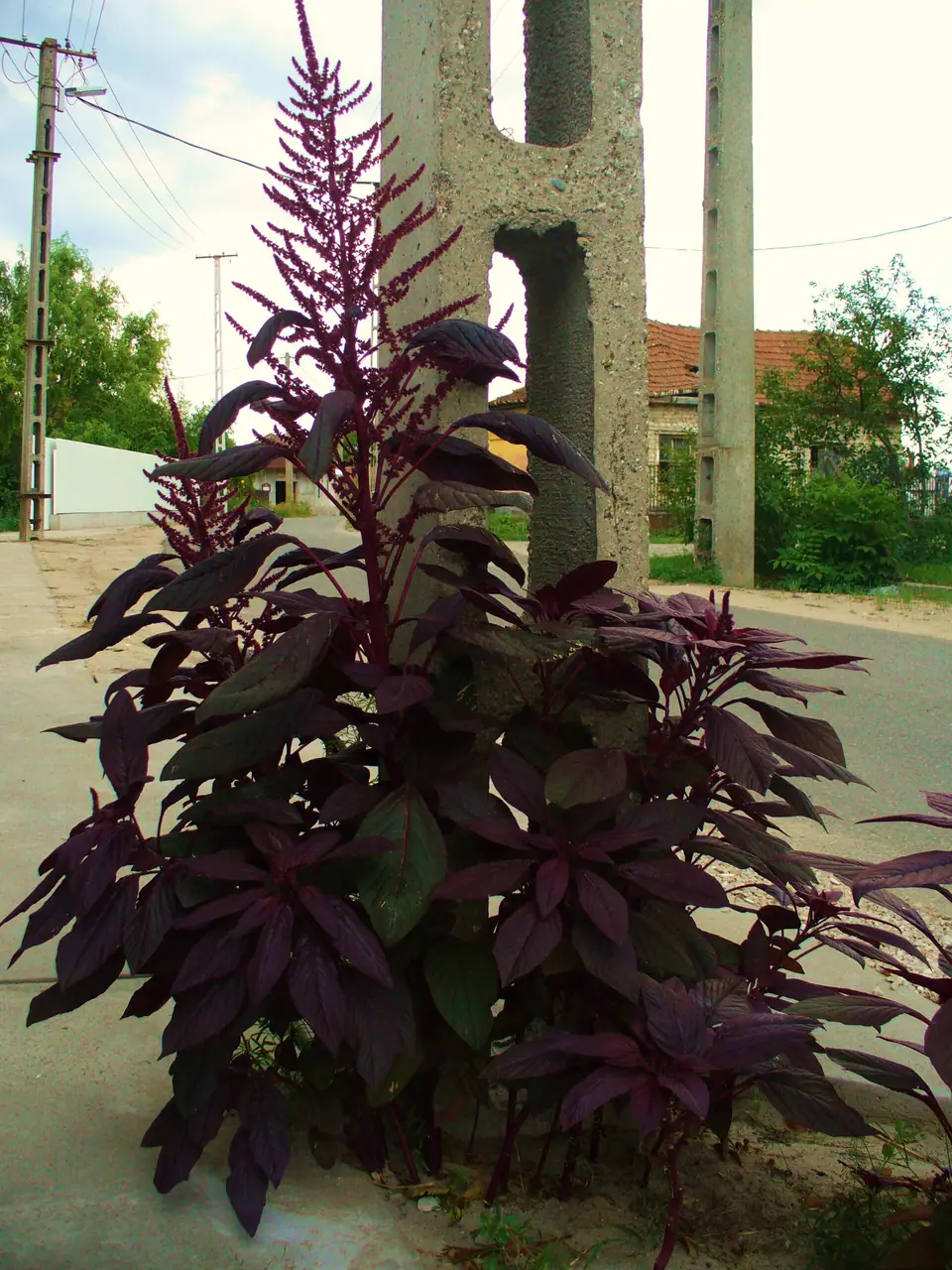
Amaranthus hypochondriacus
Escrito por Emilio Marruso · última revisión
Tóxica para: Personas · Por qué
De un vistazo
Este amaranto te da dos cosechas en una sola planta: hojas tiernas de sabor suave que se cocinan como espinacas y semillas que puedes comer crudas, cocidas o reventadas como palomitas. Dale sol pleno, siembra las semillas a solo 1 cm de profundidad y déjalo crecer. Es un cultivo divertido y generoso, y no es tóxico para gatos, perros ni caballos.
- Sol
Sol pleno
Qué dicen las fuentes (1)
Luz: Pleno sol
Prince's Feather prefers well-drained fertile soil in full sun.
— Amaranthus hypochondriacus (Cocks Comb, Lady Bleeding, Love Lies Bleeding, Pile Wort, Prince-of-Wales Feather, Prince's Feather, Prince's-feather, Red Cocks Comb) | North Carolina Extension Gardener Plant Toolbox [1] - Frío
Aguanta inviernos de hasta −40 °C (−40 °F)
Muy rústica · USDA 3a · RHS H7 · Z3
Qué dicen las fuentes (2)
Rusticidad, zona más fría: 3a [mínima invernal de −40 a −37,2 °C (de −40 a −35 °F)]
USDA Plant Hardiness Zone: 3a, 3b, 4a, 4b, 5a, 5b, 6a, 6b, 7a, 7b, 8a, 8b, 9a, 9b, 10a, 10b
— Amaranthus hypochondriacus (Cocks Comb, Lady Bleeding, Love Lies Bleeding, Pile Wort, Prince-of-Wales Feather, Prince's Feather, Prince's-feather, Red Cocks Comb) | North Carolina Extension Gardener Plant Toolbox [1] Rusticidad, zona más cálida: 10b [mínima invernal de 1,7 a 4,4 °C (de 35 a 40 °F)]
USDA Plant Hardiness Zone: 3a, 3b, 4a, 4b, 5a, 5b, 6a, 6b, 7a, 7b, 8a, 8b, 9a, 9b, 10a, 10b
— Amaranthus hypochondriacus (Cocks Comb, Lady Bleeding, Love Lies Bleeding, Pile Wort, Prince-of-Wales Feather, Prince's Feather, Prince's-feather, Red Cocks Comb) | North Carolina Extension Gardener Plant Toolbox [1] - Distancia
76 cm entre hileras
Qué dicen las fuentes (1)
Distancia entre hileras: 76 cm (30 pulgadas)
Row widths of 30 inches have been the standard with amaranth trials in Missouri.
— Amaranth | Iowa State University Extension and Outreach Alternative Agriculture [2] - Abonado
Antes de plantar, entierra trébol, veza o estiércol; con poco nitrógeno basta
Qué dicen las fuentes (5)
Cuándo: Antes de plantar, cuando se incorpora un cultivo de cobertura de leguminosas al suelo
To get full benefit from the nitrogen in the residue of a cover crop, it is best to incorporate it into the soil prior to planting the amaranth.
— Amaranth | Iowa State University Extension and Outreach Alternative Agriculture [2] Abonos naturales: Un cultivo de cobertura leguminoso como la arveja velluda o los tréboles, incorporado antes de la siembra, o estiércol animal
Using a leguminous cover crop such as hairy vetch or one of the clovers can provide adequate organic nitrogen for amaranth, or animal manure can be used.
— Amaranth | Iowa State University Extension and Outreach Alternative Agriculture [2] To get full benefit from the nitrogen in the residue of a cover crop, it is best to incorporate it into the soil prior to planting the amaranth.
— Amaranth | Iowa State University Extension and Outreach Alternative Agriculture [2] Abonos minerales: Dosis moderadas, 4.49 a 8.98 g/m² de nitrógeno, la dosis más baja después de soja u otras leguminosas; fósforo y potasio solo según lo indique un análisis de suelo
If fertilizer nitrogen is used, rates should be moderate, around 40 to 80 pounds per acre, with the lower figure used following soybeans or other legumes.
— Amaranth | Iowa State University Extension and Outreach Alternative Agriculture [2] Phosphorous and potassium can be applied at soil test recommended levels for sorghum; some soils may not need P or K prior to amaranth planting.
— Amaranth | Iowa State University Extension and Outreach Alternative Agriculture [2] - Cosecha
Cocina las hojas tiernas como espinacas; las semillas, crudas, cocidas o como palomitas
- Plagas
Pulgones, carralejas y chinches; las plántulas y las raíces pueden pudrirse
Qué dicen las fuentes (6)
Plagas: pulgones, escarabajos ampolladores, gusano de la alfalfa, chinche manchada
Aphids may be a problem.
— Amaranthus hypochondriacus (Cocks Comb, Lady Bleeding, Love Lies Bleeding, Pile Wort, Prince-of-Wales Feather, Prince's Feather, Prince's-feather, Red Cocks Comb) | North Carolina Extension Gardener Plant Toolbox [1] Blister beetles and alfalfa webworm are the only two leaf feeders that have caused economic yield loss in Missouri so far
— Amaranth | Iowa State University Extension and Outreach Alternative Agriculture [2] Tarnished plant bug (Lygus) is often the worst insect pest on amaranth
— Amaranth | Iowa State University Extension and Outreach Alternative Agriculture [2] Enfermedades: marchitamiento, pudriciones de raíz y tallo, enfermedades fúngicas
Amaranth does get fungal diseases, some of which can be significant, but no fungicides are labeled.
— Amaranth | Iowa State University Extension and Outreach Alternative Agriculture [2] In wet soils, seedlings may die from soil pathogens causing "damping off."
— Amaranth | Iowa State University Extension and Outreach Alternative Agriculture [2] Various root and stem rots can contribute to lodging late in the season if soils are wet in August.
— Amaranth | Iowa State University Extension and Outreach Alternative Agriculture [2] - Atención
En climas fríos, cosecha una semana después de la primera helada fuerte; si esperas mucho, se caen las semillas
Qué dicen las fuentes (2)
Cómo cosechar: En los estados del norte, los cultivadores generalmente esperan a cosechar hasta aproximadamente una semana después de la primera helada fuerte, que mata la planta y seca el cultivo; la semilla puede desgranarse si el cultivo se deja en pie demasiado tiempo.
In northern states, amaranth growers usually wait to harvest until about a week after the first hard frost, letting the frost completely kill the plant and make the crop drier for harvesting.
— Amaranth | Iowa State University Extension and Outreach Alternative Agriculture [2] Amaranth seeds may also start to shatter and fall to the ground if the crop is left standing too long
— Amaranth | Iowa State University Extension and Outreach Alternative Agriculture [2] - Multiplicación
Se multiplica por semilla o por esquejes de raíz
Qué dicen las fuentes (1)
Propagación: Corte de raíz; semilla
Recommended Propagation Strategy: Root Cutting Seed Country Or Region Of Origin: Central United States, Mexico
— Amaranthus hypochondriacus (Cocks Comb, Lady Bleeding, Love Lies Bleeding, Pile Wort, Prince-of-Wales Feather, Prince's Feather, Prince's-feather, Red Cocks Comb) | North Carolina Extension Gardener Plant Toolbox [1] - Siembra
Siembra las semillas a 1 cm de profundidad
Qué dicen las fuentes (1)
Profundidad de siembra: 1.3 cm (1/2 pulgada)
Amaranth should be planted about 1/2 inch deep.
— Amaranth | Iowa State University Extension and Outreach Alternative Agriculture [2] - Seguridad
No es tóxica para gatos, perros ni caballos; no comas hojas cultivadas con abonos químicos
Resumen
Amaranthus hypochondriacus, o Pluma de Príncipe, es una herbácea anual o perenne de vida corta con llamativas flores rojas plumosas, a menudo cultivada como ornamental. [1] Se cultiva por sus hojas y semillas comestibles, especialmente en áreas tropicales. [1] Comúnmente se considera una maleza en terrenos baldíos y también en tierras agrícolas. [1]
Citado en inglés, como en la fuente.
Esta ficha está incompleta: las fuentes consultadas aún no cubren todos los campos.
Aún no cubierto por nuestras fuentes: Riego, Poda
Cuidados
Riego
No figura en las fuentes consultadas.
Luz
Pleno sol
Qué dicen las fuentes (1)
Prince's Feather prefers well-drained fertile soil in full sun.Clima y frío
Rusticidad, zona más fría
3a [mínima invernal de −40 a −37,2 °C (de −40 a −35 °F)]
Qué dicen las fuentes (1)
USDA Plant Hardiness Zone:
3a, 3b, 4a, 4b, 5a, 5b, 6a, 6b, 7a, 7b, 8a, 8b, 9a, 9b, 10a, 10bRusticidad, zona más cálida
10b [mínima invernal de 1,7 a 4,4 °C (de 35 a 40 °F)]
Qué dicen las fuentes (1)
USDA Plant Hardiness Zone:
3a, 3b, 4a, 4b, 5a, 5b, 6a, 6b, 7a, 7b, 8a, 8b, 9a, 9b, 10a, 10bDónde cultivarla
Las fuentes dan valores distintos según la región, la zona o las condiciones de cultivo.
Lo que dice cada fuente
Misuri (cultivo de grano): Ancho de hilera de 76.2 cm (30 pulgadas)
Qué dicen las fuentes (1)
Misuri (cultivo de grano): Row widths of 30 inches have been the standard with amaranth trials in Missouri.Propagación
Corte de raíz; semilla
Qué dicen las fuentes (1)
Recommended Propagation Strategy:
Root Cutting
Seed
Country Or Region Of Origin:
Central United States, MexicoCultivo
La planta
Ciclo de vida
anual o perenne de vida corta
Qué dicen las fuentes (1)
is an herbaceous annual or short-lived perennial plant with showy feathery red flowers often grown as a ornamental.Familia
Amaranthaceae
Qué dicen las fuentes (1)
Family: AmaranthaceaeAltura adulta
Las fuentes dan valores distintos según la región, la zona o las condiciones de cultivo.
Lo que dice cada fuente
amarantos de grano (tres especies): 61-244 cm (2 a 8 pies)
Qué dicen las fuentes (1)
amarantos de grano (tres especies): Grain amaranths can vary from 2 to 8 feet tallSiembra y crecimiento
Profundidad de siembra
1.3 cm (1/2 pulgada)
Qué dicen las fuentes (1)
Amaranth should be planted about 1/2 inch deep.Distancia entre hileras
76 cm (30 pulgadas)
Qué dicen las fuentes (1)
Row widths of 30 inches have been the standard with amaranth trials in Missouri.Cosecha y conservación
Cómo cosechar
En los estados del norte, los cultivadores generalmente esperan a cosechar hasta aproximadamente una semana después de la primera helada fuerte, que mata la planta y seca el cultivo; la semilla puede desgranarse si el cultivo se deja en pie demasiado tiempo.
Qué dicen las fuentes (2)
In northern states, amaranth growers usually wait to harvest until about a week after the first hard frost, letting the frost completely kill the plant and make the crop drier for harvesting.Amaranth seeds may also start to shatter and fall to the ground if the crop is left standing too longConservación
El grano debe almacenarse a aproximadamente 10-12% (el contenido de humedad no se indica en el texto).
Qué dicen las fuentes (1)
Grain should be stored at about 10-12%.Plagas y enfermedades
Plagas
pulgones, escarabajos ampolladores, gusano de la alfalfa, chinche manchada
Qué dicen las fuentes (3)
Aphids may be a problem.Blister beetles and alfalfa webworm are the only two leaf feeders that have caused economic yield loss in Missouri so farTarnished plant bug (Lygus) is often the worst insect pest on amaranthEnfermedades
marchitamiento, pudriciones de raíz y tallo, enfermedades fúngicas
Qué dicen las fuentes (3)
Amaranth does get fungal diseases, some of which can be significant, but no fungicides are labeled.In wet soils, seedlings may die from soil pathogens causing "damping off."Various root and stem rots can contribute to lodging late in the season if soils are wet in August.Abonado
Cuándo
Antes de plantar, cuando se incorpora un cultivo de cobertura de leguminosas al suelo
Qué dicen las fuentes (1)
To get full benefit from the nitrogen in the residue of a cover crop, it is best to incorporate it into the soil prior to planting the amaranth.Abonos naturales
Un cultivo de cobertura leguminoso como la arveja velluda o los tréboles, incorporado antes de la siembra, o estiércol animal
Qué dicen las fuentes (2)
Using a leguminous cover crop such as hairy vetch or one of the clovers can provide adequate organic nitrogen for amaranth, or animal manure can be used.To get full benefit from the nitrogen in the residue of a cover crop, it is best to incorporate it into the soil prior to planting the amaranth.Abonos minerales
Dosis moderadas, 4.49 a 8.98 g/m² de nitrógeno, la dosis más baja después de soja u otras leguminosas; fósforo y potasio solo según lo indique un análisis de suelo
Qué dicen las fuentes (2)
If fertilizer nitrogen is used, rates should be moderate, around 40 to 80 pounds per acre, with the lower figure used following soybeans or other legumes.Phosphorous and potassium can be applied at soil test recommended levels for sorghum; some soils may not need P or K prior to amaranth planting.Evitar
Suelos ricos en nitrógeno y fertilizantes químicos donde se van a comer las hojas, ya que las hojas pueden concentrar nitratos
Qué dicen las fuentes (2)
Amaranthus are not poisonous, but when grown on nitrogen-rich soils they can concentrate nitrates in the leaves.It is inadvisable, therefore, to eat this plant if it is grown on land where chemical fertilizers are used.Remedios
Cada remedio indica qué dicen las fuentes oficiales; los remedios tradicionales sin fuente oficial aparecen marcados. Los perjudiciales están para que sepas evitarlos.
Cuidar la planta
pulgones
spray de agua jabonosa No verificado
Remedio tradicional, no verificado por una fuente oficial.
Cómo: Rocía solo las plantas afectadas con biopesticidas que respeten a los enemigos naturales, como agua jabonosa.
spray de neem No verificado
Remedio tradicional, no verificado por una fuente oficial.
Cómo: Rocía solo las plantas afectadas con neem, un biopesticida que respeta a los enemigos naturales.
ceniza No verificado
Remedio tradicional, no verificado por una fuente oficial.
Cómo: Las cenizas se enumeran entre los biopesticidas que respetan a los enemigos naturales; rocía puntualmente solo las plantas afectadas.
Minadores de hojas
spray de neem No verificado
Remedio tradicional, no verificado por una fuente oficial.
Cómo: Rocía el cultivo con productos de neem cuando sea necesario.
ácaros araña
fuerte chorro de agua No verificado
Remedio tradicional, no verificado por una fuente oficial.
Cómo: Lava las plantas con un chorro fuerte de agua, incluyendo el envés de las hojas, temprano en el día para que el follaje pueda secarse.
Toxicidad
Según la fuente, citada textualmente. No es un consejo médico ni veterinario: si una persona o un animal pudo haber ingerido esta planta, contacta con un centro de toxicología o con un veterinario.
Animales
#non-toxic for cats #non-toxic for horses #non-toxic for dogs
[1]La fuente señala el riesgo para este animal pero no explica por qué.
Personas
Amaranthus are not poisonous, but when grown on nitrogen-rich soils they can concentrate nitrates in the leaves.
[1]Nitrates are implicated in stomach cancers, blue babies and other health problems. It is inadvisable, therefore, to eat this plant if it is grown on land where chemical fertilizers are used.
[1]
Calendario
Siembra
Las fuentes dan valores distintos según la región, la zona o las condiciones de cultivo.
Lo que dice cada fuente
Misuri: Óptimo a principios de junio; segunda semana de mayo hasta mediados de junio
Qué dicen las fuentes (1)
Misuri: The optimum time is early June, but it can be planted with little yield difference from the second week in May until mid-June.Cosecha
Las fuentes dan valores distintos según la región, la zona o las condiciones de cultivo.
Lo que dice cada fuente
estados del norte: Aproximadamente una semana después de la primera helada fuerte
Misuri: Hojas caídas a principios o mediados de octubre (Plainsman)
Qué dicen las fuentes (2)
estados del norte: In northern states, amaranth growers usually wait to harvest until about a week after the first hard frostMisuri: In Missouri, Plainsman amaranth, the most common variety, will almost always drop its leaves prior to frost, usually by early or mid-October.Poda
No figura en las fuentes consultadas.
Meses tal como los dan las fuentes, en su mayoría de Estados Unidos (hemisferio norte). En el hemisferio sur se desplazan unos seis meses.
Respecto a las heladas
Estimación menos precisa: no hay ninguna estación meteorológica a menos de 300 km.
Busca las fechas de heladas por código postal o ciudad
Cosecha: 1 semana después de la primera helada
In northern states, amaranth growers usually wait to harvest until about a week after the first hard frost, letting the frost completely kill the plant
— Amaranth | Iowa State University Extension and Outreach Alternative Agriculture [2]
Cuenta desde las fechas medias de las heladas de tu zona.
Comestibilidad
Según la fuente, citada textualmente. No comas una planta basándote solo en esta página: los errores de identificación pueden ser peligrosos.
Plantas similares
- Bledo Amaranthus hybridus
- Carelessweed Amaranthus palmeri
- Quihuicha Amaranthus caudatus
- Ala de loro Amaranthus tricolor
- Bledo Amaranthus blitum
- Pigweed Amaranthus retroflexus
- Amaranth Amaranthus cruentus
- Lagunilla Alternanthera philoxeroides
Fuentes
Cada valor anterior se cita de estos documentos. Los enlaces llevan al editor original.
- Amaranthus hypochondriacus (Cocks Comb, Lady Bleeding, Love Lies Bleeding, Pile Wort, Prince-of-Wales Feather, Prince's Feather, Prince's-feather, Red Cocks Comb) | North Carolina Extension Gardener Plant Toolbox · plants.ces.ncsu.edu, consultado
- Amaranth | Iowa State University Extension and Outreach Alternative Agriculture · extension.iastate.edu, consultado
- Lady Bleeding - Amaranthus hypochondriacus | North Carolina Extension Gardener Plant Toolbox · plants.ces.ncsu.edu, consultado
Escrito por Emilio Marruso · última revisión