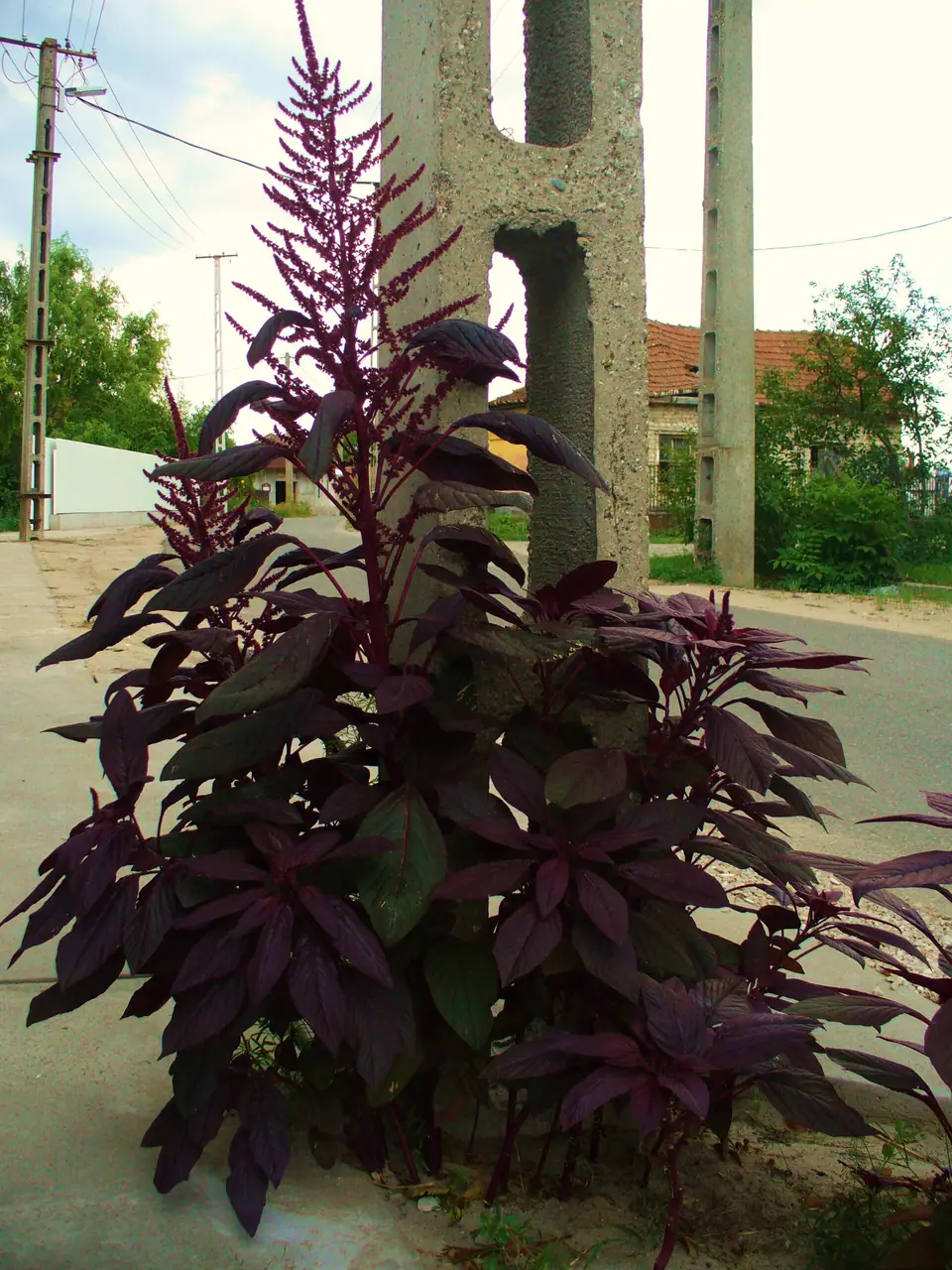


How to Grow and Care for Prince's Feather
Amaranthus hypochondriacus
Written by Emilio Marruso · last checked
Toxic to: People · Why
At a glance
This amaranth gives you two harvests in one plant: young leaves that cook up mild like spinach, and seeds you can eat raw, cooked, or popped like popcorn. Give it full sun, sow the seeds just 1/2 inch deep, and let it grow. It's a fun, generous crop, and it's safe around cats, dogs and horses too.
- Sun
Full sun
What the sources say (1)
Light: Full sun
Prince's Feather prefers well-drained fertile soil in full sun.
— Amaranthus hypochondriacus (Cocks Comb, Lady Bleeding, Love Lies Bleeding, Pile Wort, Prince-of-Wales Feather, Prince's Feather, Prince's-feather, Red Cocks Comb) | North Carolina Extension Gardener Plant Toolbox [1] - Cold
Survives winters down to −40 °F (−40 °C)
Very hardy · USDA 3a · RHS H7 · Z3
What the sources say (2)
Hardiness, coldest zone: 3a [winter low −40 to −37.2 °C (−40 to −35 °F)]
USDA Plant Hardiness Zone: 3a, 3b, 4a, 4b, 5a, 5b, 6a, 6b, 7a, 7b, 8a, 8b, 9a, 9b, 10a, 10b
— Amaranthus hypochondriacus (Cocks Comb, Lady Bleeding, Love Lies Bleeding, Pile Wort, Prince-of-Wales Feather, Prince's Feather, Prince's-feather, Red Cocks Comb) | North Carolina Extension Gardener Plant Toolbox [1] Hardiness, warmest zone: 10b [winter low 1.7 to 4.4 °C (35 to 40 °F)]
USDA Plant Hardiness Zone: 3a, 3b, 4a, 4b, 5a, 5b, 6a, 6b, 7a, 7b, 8a, 8b, 9a, 9b, 10a, 10b
— Amaranthus hypochondriacus (Cocks Comb, Lady Bleeding, Love Lies Bleeding, Pile Wort, Prince-of-Wales Feather, Prince's Feather, Prince's-feather, Red Cocks Comb) | North Carolina Extension Gardener Plant Toolbox [1] - Spacing
30 inches between rows
What the sources say (1)
Row spacing: 76 cm (30 inches)
Row widths of 30 inches have been the standard with amaranth trials in Missouri.
— Amaranth | Iowa State University Extension and Outreach Alternative Agriculture [2] - Feeding
Before planting, dig in clover, vetch or manure; go easy on nitrogen
What the sources say (5)
When: Before planting, when a legume cover crop is incorporated into the soil
To get full benefit from the nitrogen in the residue of a cover crop, it is best to incorporate it into the soil prior to planting the amaranth.
— Amaranth | Iowa State University Extension and Outreach Alternative Agriculture [2] Natural fertilizers: A leguminous cover crop such as hairy vetch or clovers, incorporated before planting, or animal manure
Using a leguminous cover crop such as hairy vetch or one of the clovers can provide adequate organic nitrogen for amaranth, or animal manure can be used.
— Amaranth | Iowa State University Extension and Outreach Alternative Agriculture [2] To get full benefit from the nitrogen in the residue of a cover crop, it is best to incorporate it into the soil prior to planting the amaranth.
— Amaranth | Iowa State University Extension and Outreach Alternative Agriculture [2] Mineral fertilizers: Moderate rates, 4.49 to 8.98 g/m² of nitrogen, the lower rate after soybeans or other legumes; phosphorus and potassium only as a soil test indicates
If fertilizer nitrogen is used, rates should be moderate, around 40 to 80 pounds per acre, with the lower figure used following soybeans or other legumes.
— Amaranth | Iowa State University Extension and Outreach Alternative Agriculture [2] Phosphorous and potassium can be applied at soil test recommended levels for sorghum; some soils may not need P or K prior to amaranth planting.
— Amaranth | Iowa State University Extension and Outreach Alternative Agriculture [2] - Harvest
Cook young leaves like spinach; eat seeds raw, cooked or popped like popcorn
- Pests
Aphids, blister beetles and plant bugs; seedlings and roots can rot
What the sources say (6)
Pests: aphids, blister beetles, alfalfa webworm, tarnished plant bug
Aphids may be a problem.
— Amaranthus hypochondriacus (Cocks Comb, Lady Bleeding, Love Lies Bleeding, Pile Wort, Prince-of-Wales Feather, Prince's Feather, Prince's-feather, Red Cocks Comb) | North Carolina Extension Gardener Plant Toolbox [1] Blister beetles and alfalfa webworm are the only two leaf feeders that have caused economic yield loss in Missouri so far
— Amaranth | Iowa State University Extension and Outreach Alternative Agriculture [2] Tarnished plant bug (Lygus) is often the worst insect pest on amaranth
— Amaranth | Iowa State University Extension and Outreach Alternative Agriculture [2] Diseases: damping off, root and stem rots, fungal diseases
Amaranth does get fungal diseases, some of which can be significant, but no fungicides are labeled.
— Amaranth | Iowa State University Extension and Outreach Alternative Agriculture [2] In wet soils, seedlings may die from soil pathogens causing "damping off."
— Amaranth | Iowa State University Extension and Outreach Alternative Agriculture [2] Various root and stem rots can contribute to lodging late in the season if soils are wet in August.
— Amaranth | Iowa State University Extension and Outreach Alternative Agriculture [2] - Watch out
In cold climates, harvest a week after the first hard frost; wait too long and the seeds scatter
What the sources say (2)
How to harvest: In northern states growers usually wait to harvest until about a week after the first hard frost, which kills the plant and dries the crop; the seed can shatter if the crop is left standing too long.
In northern states, amaranth growers usually wait to harvest until about a week after the first hard frost, letting the frost completely kill the plant and make the crop drier for harvesting.
— Amaranth | Iowa State University Extension and Outreach Alternative Agriculture [2] Amaranth seeds may also start to shatter and fall to the ground if the crop is left standing too long
— Amaranth | Iowa State University Extension and Outreach Alternative Agriculture [2] - Propagation
Grow new plants from seed or root cuttings
What the sources say (1)
Propagation: Root cutting; seed
Recommended Propagation Strategy: Root Cutting Seed Country Or Region Of Origin: Central United States, Mexico
— Amaranthus hypochondriacus (Cocks Comb, Lady Bleeding, Love Lies Bleeding, Pile Wort, Prince-of-Wales Feather, Prince's Feather, Prince's-feather, Red Cocks Comb) | North Carolina Extension Gardener Plant Toolbox [1] - Sowing
Sow the seeds 1/2 inch deep
What the sources say (1)
Sowing depth: 1.3 cm (1/2 inch)
Amaranth should be planted about 1/2 inch deep.
— Amaranth | Iowa State University Extension and Outreach Alternative Agriculture [2] - Safety
Safe for cats, dogs and horses; don't eat leaves grown with chemical fertilizers
Overview
Amaranthus hypochondriacus, or Prince's Feather, is an herbaceous annual or short-lived perennial with showy feathery red flowers, often grown as an ornamental. [1] It is cultivated for its edible leaves and seeds, especially in tropical areas. [1] It is commonly viewed as a weed on wasteland as well as on agricultural land. [1]
This record is incomplete: the sources we read do not cover every field yet.
Not yet covered by our sources: Watering, Pruning
Prince's Feather care
How to water Prince's Feather
Not stated in the sources we read.
How much light Prince's Feather needs
Full sun
What the sources say (1)
Prince's Feather prefers well-drained fertile soil in full sun.How much cold Prince's Feather can take
Hardiness, coldest zone
3a [winter low −40 to −37.2 °C (−40 to −35 °F)]
What the sources say (1)
USDA Plant Hardiness Zone:
3a, 3b, 4a, 4b, 5a, 5b, 6a, 6b, 7a, 7b, 8a, 8b, 9a, 9b, 10a, 10bHardiness, warmest zone
10b [winter low 1.7 to 4.4 °C (35 to 40 °F)]
What the sources say (1)
USDA Plant Hardiness Zone:
3a, 3b, 4a, 4b, 5a, 5b, 6a, 6b, 7a, 7b, 8a, 8b, 9a, 9b, 10a, 10bWhere to grow Prince's Feather
The sources give different values depending on region, zone or growing conditions.
What each source says
Missouri (grain crop): 76.2 cm (30 in) row width
What the sources say (1)
Missouri (grain crop): Row widths of 30 inches have been the standard with amaranth trials in Missouri.How to propagate Prince's Feather
Root cutting; seed
What the sources say (1)
Recommended Propagation Strategy:
Root Cutting
Seed
Country Or Region Of Origin:
Central United States, MexicoHow to grow Prince's Feather
The plant
Life cycle
annual or short-lived perennial
What the sources say (1)
is an herbaceous annual or short-lived perennial plant with showy feathery red flowers often grown as a ornamental.Family
Amaranthaceae
What the sources say (1)
Family: AmaranthaceaeMature height
The sources give different values depending on region, zone or growing conditions.
What each source says
grain amaranths (three species): 61-244 cm (2 to 8 ft)
What the sources say (1)
grain amaranths (three species): Grain amaranths can vary from 2 to 8 feet tallSowing and growth
Sowing depth
1.3 cm (1/2 inch)
What the sources say (1)
Amaranth should be planted about 1/2 inch deep.Row spacing
76 cm (30 inches)
What the sources say (1)
Row widths of 30 inches have been the standard with amaranth trials in Missouri.Harvest and storage
How to harvest
In northern states growers usually wait to harvest until about a week after the first hard frost, which kills the plant and dries the crop; the seed can shatter if the crop is left standing too long.
What the sources say (2)
In northern states, amaranth growers usually wait to harvest until about a week after the first hard frost, letting the frost completely kill the plant and make the crop drier for harvesting.Amaranth seeds may also start to shatter and fall to the ground if the crop is left standing too longStorage
Grain should be stored at about 10-12% (moisture content not stated in the source).
What the sources say (1)
Grain should be stored at about 10-12%.Pests and diseases
Pests
aphids, blister beetles, alfalfa webworm, tarnished plant bug
What the sources say (3)
Aphids may be a problem.Blister beetles and alfalfa webworm are the only two leaf feeders that have caused economic yield loss in Missouri so farTarnished plant bug (Lygus) is often the worst insect pest on amaranthDiseases
damping off, root and stem rots, fungal diseases
What the sources say (3)
Amaranth does get fungal diseases, some of which can be significant, but no fungicides are labeled.In wet soils, seedlings may die from soil pathogens causing "damping off."Various root and stem rots can contribute to lodging late in the season if soils are wet in August.Fertilizing
When
Before planting, when a legume cover crop is incorporated into the soil
What the sources say (1)
To get full benefit from the nitrogen in the residue of a cover crop, it is best to incorporate it into the soil prior to planting the amaranth.Natural fertilizers
A leguminous cover crop such as hairy vetch or clovers, incorporated before planting, or animal manure
What the sources say (2)
Using a leguminous cover crop such as hairy vetch or one of the clovers can provide adequate organic nitrogen for amaranth, or animal manure can be used.To get full benefit from the nitrogen in the residue of a cover crop, it is best to incorporate it into the soil prior to planting the amaranth.Mineral fertilizers
Moderate rates, 4.49 to 8.98 g/m² of nitrogen, the lower rate after soybeans or other legumes; phosphorus and potassium only as a soil test indicates
What the sources say (2)
If fertilizer nitrogen is used, rates should be moderate, around 40 to 80 pounds per acre, with the lower figure used following soybeans or other legumes.Phosphorous and potassium can be applied at soil test recommended levels for sorghum; some soils may not need P or K prior to amaranth planting.Avoid
Nitrogen-rich soils and chemical fertilizers where the leaves are to be eaten, since the leaves can concentrate nitrates
What the sources say (2)
Amaranthus are not poisonous, but when grown on nitrogen-rich soils they can concentrate nitrates in the leaves.It is inadvisable, therefore, to eat this plant if it is grown on land where chemical fertilizers are used.Remedies
Each remedy shows what official sources say about it; traditional remedies without an official source are marked as such. Harmful ones are listed so you know to avoid them.
Treating the plant
aphids
soapy water spray Not verified
Traditional remedy, not verified by an official source.
How: Spray only the affected plants with biopesticides that spare natural enemies, such as soapy water.
neem spray Not verified
Traditional remedy, not verified by an official source.
How: Spray only the affected plants with neem, a biopesticide that spares natural enemies.
ash Not verified
Traditional remedy, not verified by an official source.
How: Ashes are listed among biopesticides that spare natural enemies; spot spray only affected plants.
leafminers
neem spray Not verified
Traditional remedy, not verified by an official source.
How: Spray the crop with neem products when necessary.
spider mites
strong jet of water Not verified
Traditional remedy, not verified by an official source.
How: Wash plants with a strong jet of water, including the underside of the leaves, early in the day so the foliage can dry.
Is Prince's Feather poisonous?
Reported by the source, quoted verbatim. This is not medical or veterinary advice: if a person or an animal may have eaten this plant, contact a poison control centre or a veterinarian.
Animals
#non-toxic for cats #non-toxic for horses #non-toxic for dogs
[1]The source flags the risk for this animal but does not explain why.
People
Amaranthus are not poisonous, but when grown on nitrogen-rich soils they can concentrate nitrates in the leaves.
[1]Nitrates are implicated in stomach cancers, blue babies and other health problems. It is inadvisable, therefore, to eat this plant if it is grown on land where chemical fertilizers are used.
[1]
Calendar
Sowing
The sources give different values depending on region, zone or growing conditions.
What each source says
Missouri: Optimum early June; second week of May to mid-June
What the sources say (1)
Missouri: The optimum time is early June, but it can be planted with little yield difference from the second week in May until mid-June.Harvest
The sources give different values depending on region, zone or growing conditions.
What each source says
northern states: About a week after the first hard frost
Missouri: Leaves dropped by early or mid-October (Plainsman)
What the sources say (2)
northern states: In northern states, amaranth growers usually wait to harvest until about a week after the first hard frostMissouri: In Missouri, Plainsman amaranth, the most common variety, will almost always drop its leaves prior to frost, usually by early or mid-October.Pruning
Not stated in the sources we read.
Months as given by the sources, which are mostly from the United States (northern hemisphere). In the southern hemisphere they shift by about six months.
Relative to frost
Less precise estimate: there is no weather station within 300 km.
Find frost dates by ZIP code or city
Harvest: 1 week after the first frost
In northern states, amaranth growers usually wait to harvest until about a week after the first hard frost, letting the frost completely kill the plant
— Amaranth | Iowa State University Extension and Outreach Alternative Agriculture [2]
Count from the average frost dates where you live.
Edibility
Reported by the source, quoted verbatim. Do not eat a plant on the basis of this page alone: identification mistakes can be dangerous.
Similar plants
- Amaranth pigweed Amaranthus hybridus
- Carelessweed Amaranthus palmeri
- Foxtail amaranth Amaranthus caudatus
- Joseph's Coat Amaranthus tricolor
- Livid Amaranth Amaranthus blitum
- Pigweed Amaranthus retroflexus
- Amaranth Amaranthus cruentus
- Alligatorweed Alternanthera philoxeroides
Sources
Every value above is quoted from these documents. Links lead to the original publisher.
- Amaranthus hypochondriacus (Cocks Comb, Lady Bleeding, Love Lies Bleeding, Pile Wort, Prince-of-Wales Feather, Prince's Feather, Prince's-feather, Red Cocks Comb) | North Carolina Extension Gardener Plant Toolbox · plants.ces.ncsu.edu, consulted
- Amaranth | Iowa State University Extension and Outreach Alternative Agriculture · extension.iastate.edu, consulted
- Lady Bleeding - Amaranthus hypochondriacus | North Carolina Extension Gardener Plant Toolbox · plants.ces.ncsu.edu, consulted
Written by Emilio Marruso · last checked