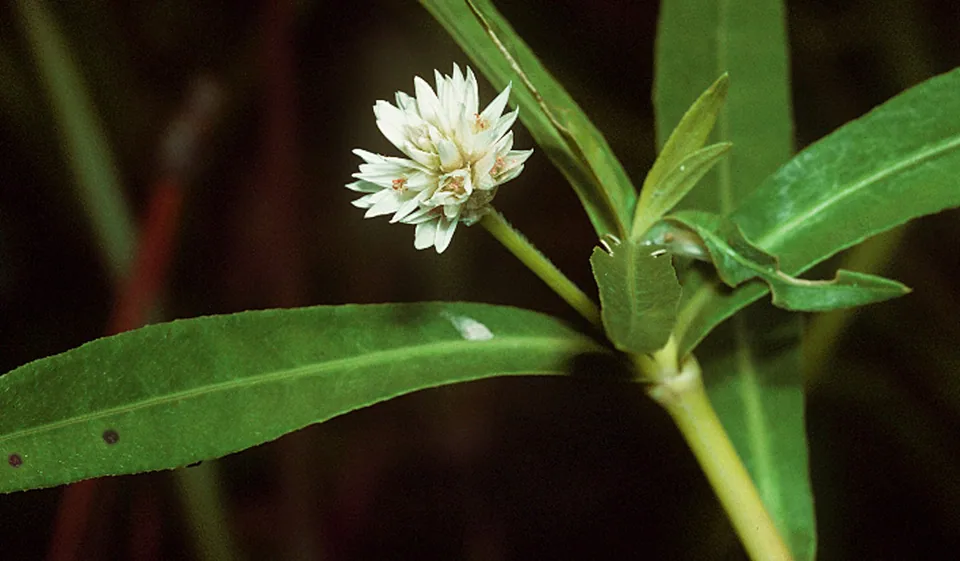
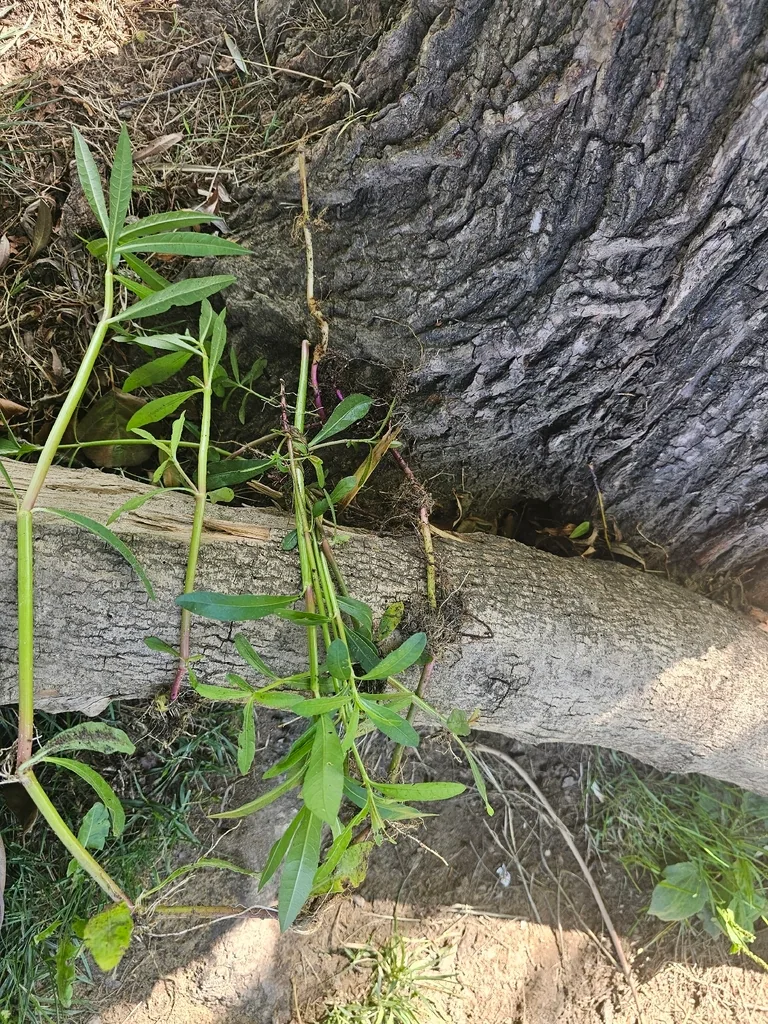

How to Grow and Care for Alligatorweed
Alternanthera philoxeroides
Written by Emilio Marruso · last checked
At a glance
This perennial from the amaranth family adapts easily, growing in full sun or partial shade. That easygoing nature has a downside: it can spread into mats more than 30 feet wide along shorelines and across rivers, getting in the way of fishing, swimming and boats. For your garden, a native or less troublesome plant will bring you the same joy without the worry.
- Sun
Full sun to partial shade
What the sources say (1)
Light: Full sun to partial shade
Light: Full sun (6 or more hours of direct sunlight a day) Partial Shade (Direct sunlight only part of the day, 2-6 hours)
— Alternanthera philoxeroides (Alligatorweed, Alligator Weed, Pig Weed) | North Carolina Extension Gardener Plant Toolbox [1] - Cold
Survives winters down to 0 °F (−17.8 °C)
Hardy in very cold winters · USDA 7a · RHS H6 · Z7
What the sources say (2)
Hardiness, coldest zone: 7a [winter low −17.8 to −15 °C (0 to 5 °F)]
USDA Plant Hardiness Zone: 7a, 7b, 8a, 8b, 9a, 9b, 10a, 10b
— Alternanthera philoxeroides (Alligatorweed, Alligator Weed, Pig Weed) | North Carolina Extension Gardener Plant Toolbox [1] Hardiness, warmest zone: 10b [winter low 1.7 to 4.4 °C (35 to 40 °F)]
USDA Plant Hardiness Zone: 7a, 7b, 8a, 8b, 9a, 9b, 10a, 10b
— Alternanthera philoxeroides (Alligatorweed, Alligator Weed, Pig Weed) | North Carolina Extension Gardener Plant Toolbox [1] - Watch out
Invasive: forms mats over 30 ft wide in water that shelter mosquitoes; choose a native plant
Overview
Alligatorweed is an annual or herbaceous perennial weed found on moist to wet sites and in standing water. [1] It is an invasive species in North Carolina and spreads from small plant fragments, typically through water. [1]
This record is incomplete: the sources we read do not cover every field yet.
Not yet covered by our sources: Propagation
Alligatorweed care
How much light Alligatorweed needs
Full sun to partial shade
What the sources say (1)
Light:
Full sun (6 or more hours of direct sunlight a day)
Partial Shade (Direct sunlight only part of the day, 2-6 hours)How much cold Alligatorweed can take
Hardiness, coldest zone
7a [winter low −17.8 to −15 °C (0 to 5 °F)]
What the sources say (1)
USDA Plant Hardiness Zone:
7a, 7b, 8a, 8b, 9a, 9b, 10a, 10bHardiness, warmest zone
10b [winter low 1.7 to 4.4 °C (35 to 40 °F)]
What the sources say (1)
USDA Plant Hardiness Zone:
7a, 7b, 8a, 8b, 9a, 9b, 10a, 10bHow to propagate Alligatorweed
Not stated in the sources we read.
How to grow Alligatorweed
The plant
Life cycle
perennial
What the sources say (1)
Family:
Amaranthaceae
Life Cycle:
PerennialFamily
Amaranthaceae
What the sources say (1)
Alligatorweed is an annual or herbaceous perennial weed in the Amaranth family (Amaranthaceae)Alligatorweed pests and problems
Invasive mat formation
Symptom: Mats more than 30 feet wide along shorelines or across rivers that interfere with fishing, swimming and navigation, harbor mosquitoes, and affect row crops
What to do: Choose a native or less problematic plant for landscapes
What the sources say (2)
Alligatorweed can form mats more than 30 feet wide along shorelines or across rivers.
— Alternanthera philoxeroides (Alligatorweed, Alligator Weed, Pig Weed) | North Carolina Extension Gardener Plant Toolbox [1] Please choose a native or less problematic plant for landscapes.
— Alternanthera philoxeroides (Alligatorweed, Alligator Weed, Pig Weed) | North Carolina Extension Gardener Plant Toolbox [1]
Remedies
Each remedy shows what official sources say about it; traditional remedies without an official source are marked as such. Harmful ones are listed so you know to avoid them.
Getting rid of it
weed
horticultural vinegar Partly works
Vinegar contains acetic acid that in concentrations over 11 percent can cause burns if it gets on your skin and permanent corneal injury if it comes in contact with your eyes.
— extension.illinois.edu [3] How: Try remedies like horticultural vinegar, treating in early growth stages; older, thicker mats need multiple treatments.
You may want to try remedies like horticultural vinegar.
— gardeningknowhow.com [2] What the evidence says Vinegar can be effective for weed control, but only if it is a strong enough grade, which the bottle in your kitchen likely isn't.
— extension.illinois.edu [3] hand or mechanical pulling Not verified
Traditional remedy, not verified by an official source.
Even a single piece of stem split away upstream can root much later downstream.
— gardeningknowhow.com [2] How: Hand or mechanical pulling can clear an area, but the weed regrows within months from fragments left behind.
drain and remove from small water feature Not verified
Traditional remedy, not verified by an official source.
How: In a small water feature, drain it and remove the weed before refilling it.
Similar plants
- Brazilian joyweed Alternanthera dentata
- Joseph's Coat Alternanthera ficoidea
- Amaranth pigweed Amaranthus hybridus
- Carelessweed Amaranthus palmeri
- Cockscomb Celosia argentea
- Goosefoot Dysphania botrys
- Lamb's-quarters Chenopodium album
- Livid Amaranth Amaranthus blitum
Sources
Every value above is quoted from these documents. Links lead to the original publisher.
- Alternanthera philoxeroides (Alligatorweed, Alligator Weed, Pig Weed) | North Carolina Extension Gardener Plant Toolbox · plants.ces.ncsu.edu, consulted
- gardeningknowhow.com · gardeningknowhow.com
- extension.illinois.edu · extension.illinois.edu
Written by Emilio Marruso · last checked