
How to Grow and Care for Amaranth
Amaranthus cruentus
Written by Emilio Marruso · last checked
At a glance
Amaranth is an easy annual grown from seed, and its grain is a treat: grind it into flour, pop it like popcorn or flake it like oatmeal. Keep the soil moist while the seeds sprout and the seedlings grow; once established, it handles drought on its own. Harvest the grain a week to 10 days after a killing frost.
- Water
Keep moist while seeds sprout and seedlings grow; once established, it handles drought
What the sources say (2)
Watering: Drought-tolerant once established
Once established, amaranth is drought-tolerant.
— Educational programs of the Kentucky Cooperative Extension Service serve all people regardless of race, color, age, sex, religion, disability, or national origin. [1] Watering notes: Adequate moisture is essential for germination, emergence and early growth of seedlings
Adequate moisture is essential for rapid germination, emergence, and early growth of the small, fragile seedlings.
— Educational programs of the Kentucky Cooperative Extension Service serve all people regardless of race, color, age, sex, religion, disability, or national origin. [1] - Harvest
Harvest grain a week to 10 days after a killing frost; grind into flour or pop like popcorn
What the sources say (1)
Harvest: Grain: a week to 10 days after a killing frost
Amaranth grain is usually harvested with a combine a week to 10 days following a killing frost.
— Educational programs of the Kentucky Cooperative Extension Service serve all people regardless of race, color, age, sex, religion, disability, or national origin. [1] - Pests
Seedlings can rot and collapse; a good spot and good care keep them healthy
- Propagation
An annual grown from seed
What the sources say (2)
Propagation: Seed
Seeding rates vary from ½ to 4 pounds per acre; 2 pounds per acre is most often recommended.
— Educational programs of the Kentucky Cooperative Extension Service serve all people regardless of race, color, age, sex, religion, disability, or national origin. [1] Life cycle: annual
The native range of this species is Central Mexico to Nicaragua. It is an annual and grows primarily in the seasonally dry tropical biome. It is used as animal food and a medicine, has environmental uses and for food.
— Amaranthus cruentus L. | Plants of the World Online | Kew Science [2]
Overview
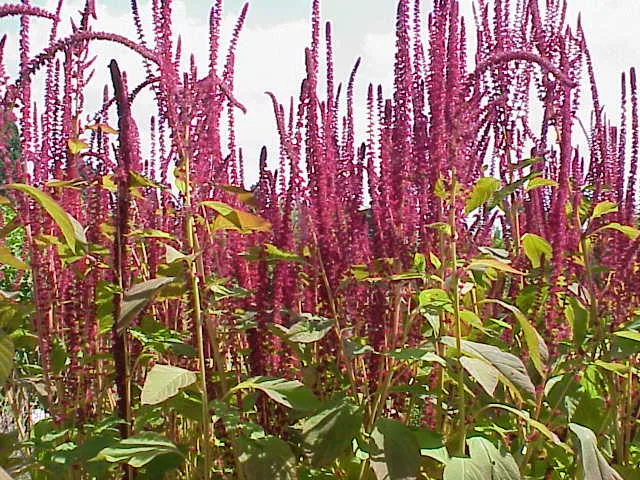
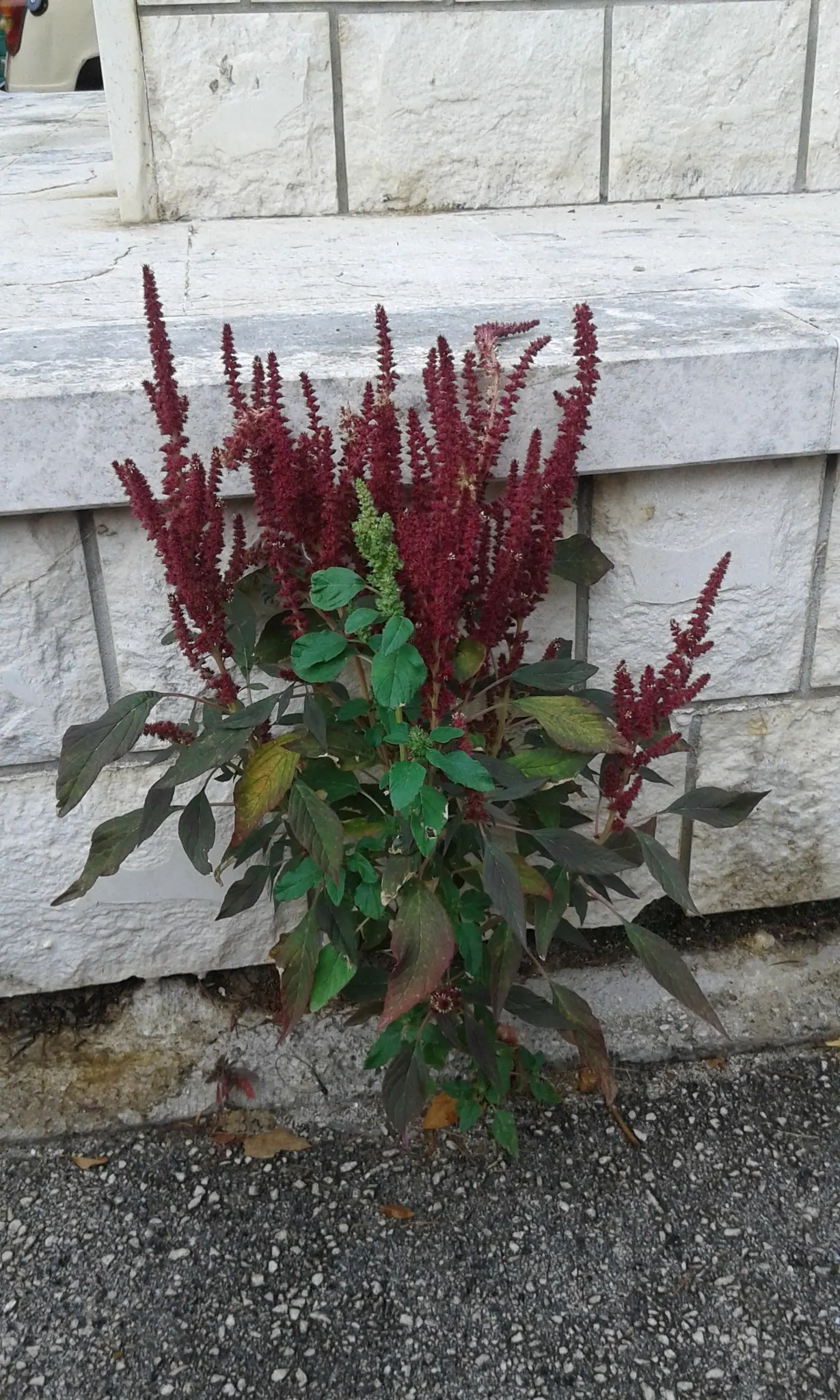
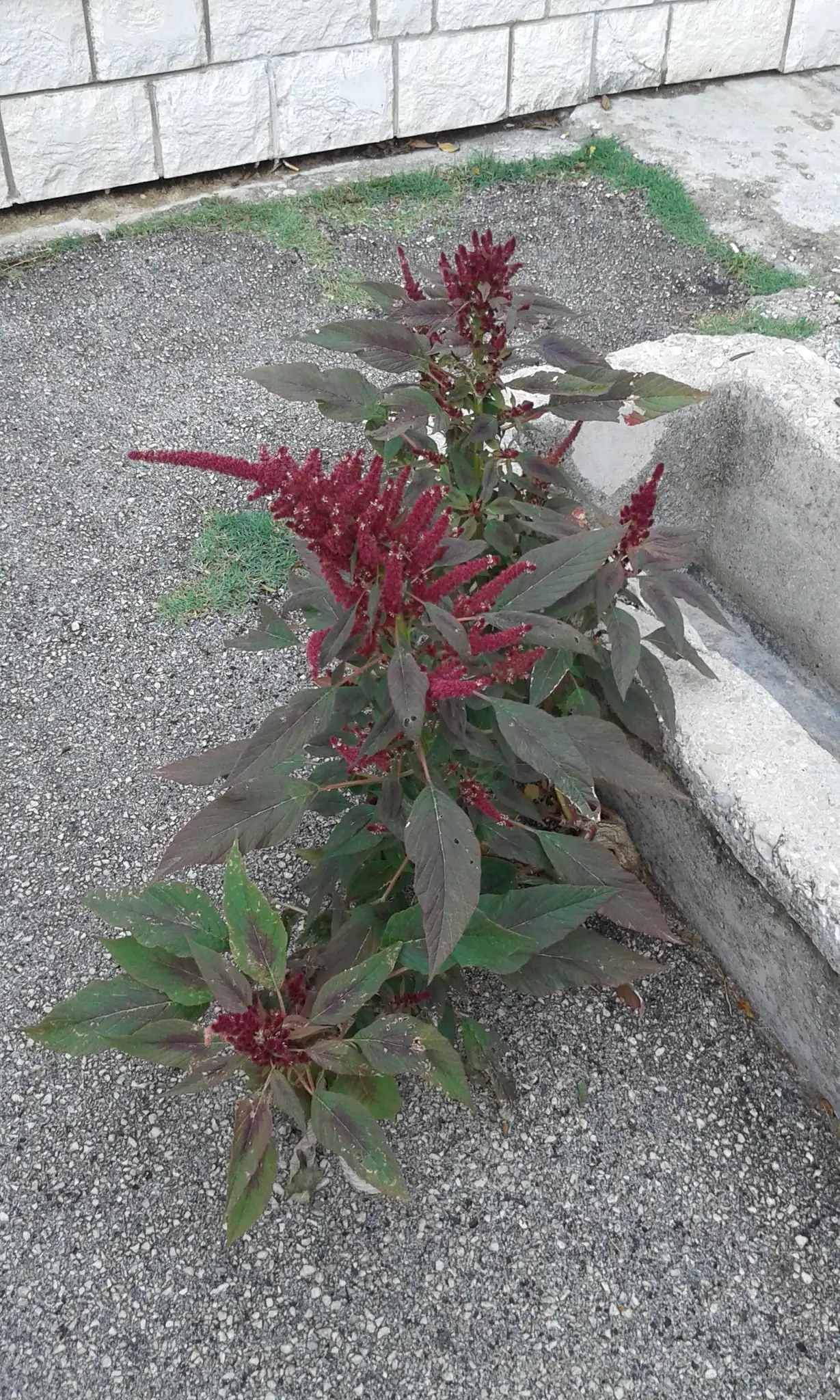
Amaranth is a warm-season broadleaf plant that can be grown as a grain, ornamental, leafy vegetable or forage crop. [1] It is drought-tolerant once established but needs adequate moisture for germination and early seedling growth. [1]
This record is incomplete: the sources we read do not cover every field yet.
Not yet covered by our sources: Light, Sowing / Planting, Spacing
Amaranth care
How to water Amaranth
Watering
Drought-tolerant once established
What the sources say (1)
Once established, amaranth is drought-tolerant.Watering notes
Adequate moisture is essential for germination, emergence and early growth of seedlings
What the sources say (1)
Adequate moisture is essential for rapid germination, emergence, and early growth of the small, fragile seedlings.How much light Amaranth needs
Not stated in the sources we read.
Where to grow Amaranth
Not stated in the sources we read.
How to propagate Amaranth
Seed
What the sources say (1)
Seeding rates vary from ½ to 4 pounds per acre; 2 pounds per acre is most often recommended.How to grow Amaranth
The plant
Life cycle
annual
What the sources say (1)
The native range of this species is Central Mexico to Nicaragua. It is an annual and grows primarily in the seasonally dry tropical biome. It is used as animal food and a medicine, has environmental uses and for food.Amaranth pests and problems
Damping-off and seedling blights
Symptom: Seedling blights and damping-off caused by Pythium, Aphanomyces and Rhizoctonia
What to do: Diseases are managed through proper site selection and good cultural practices
What the sources say (1)
The most commonly reported diseases include damping-off and seedling blights due to Pythium, Aphanomyces, and Rhizoctonia.
— Educational programs of the Kentucky Cooperative Extension Service serve all people regardless of race, color, age, sex, religion, disability, or national origin. [1]
Remedies
The sources we checked give no remedies for this plant.
Calendar
Sowing
Not stated in the sources we read.
Planting
Not stated in the sources we read.
Harvest
Grain: a week to 10 days after a killing frost
What the sources say (1)
Amaranth grain is usually harvested with a combine a week to 10 days following a killing frost.Months as given by the sources, which are mostly from the United States (northern hemisphere). In the southern hemisphere they shift by about six months.
Edibility
Reported by the source, quoted verbatim. Do not eat a plant on the basis of this page alone: identification mistakes can be dangerous.
Amaranth can be ground into flour, popped like popcorn, or flaked like oatmeal.
[1]
Similar plants
- Amaranth pigweed Amaranthus hybridus
- Carelessweed Amaranthus palmeri
- Foxtail amaranth Amaranthus caudatus
- Joseph's Coat Amaranthus tricolor
- Livid Amaranth Amaranthus blitum
- Pigweed Amaranthus retroflexus
- Prince's Feather Amaranthus hypochondriacus
- Aaron's Beard Hypericum calycinum
Sources
Every value above is quoted from these documents. Links lead to the original publisher.
- Educational programs of the Kentucky Cooperative Extension Service serve all people regardless of race, color, age, sex, religion, disability, or national origin. · publications.ca.uky.edu, consulted
- Amaranthus cruentus L. | Plants of the World Online | Kew Science · powo.science.kew.org, consulted
Written by Emilio Marruso · last checked