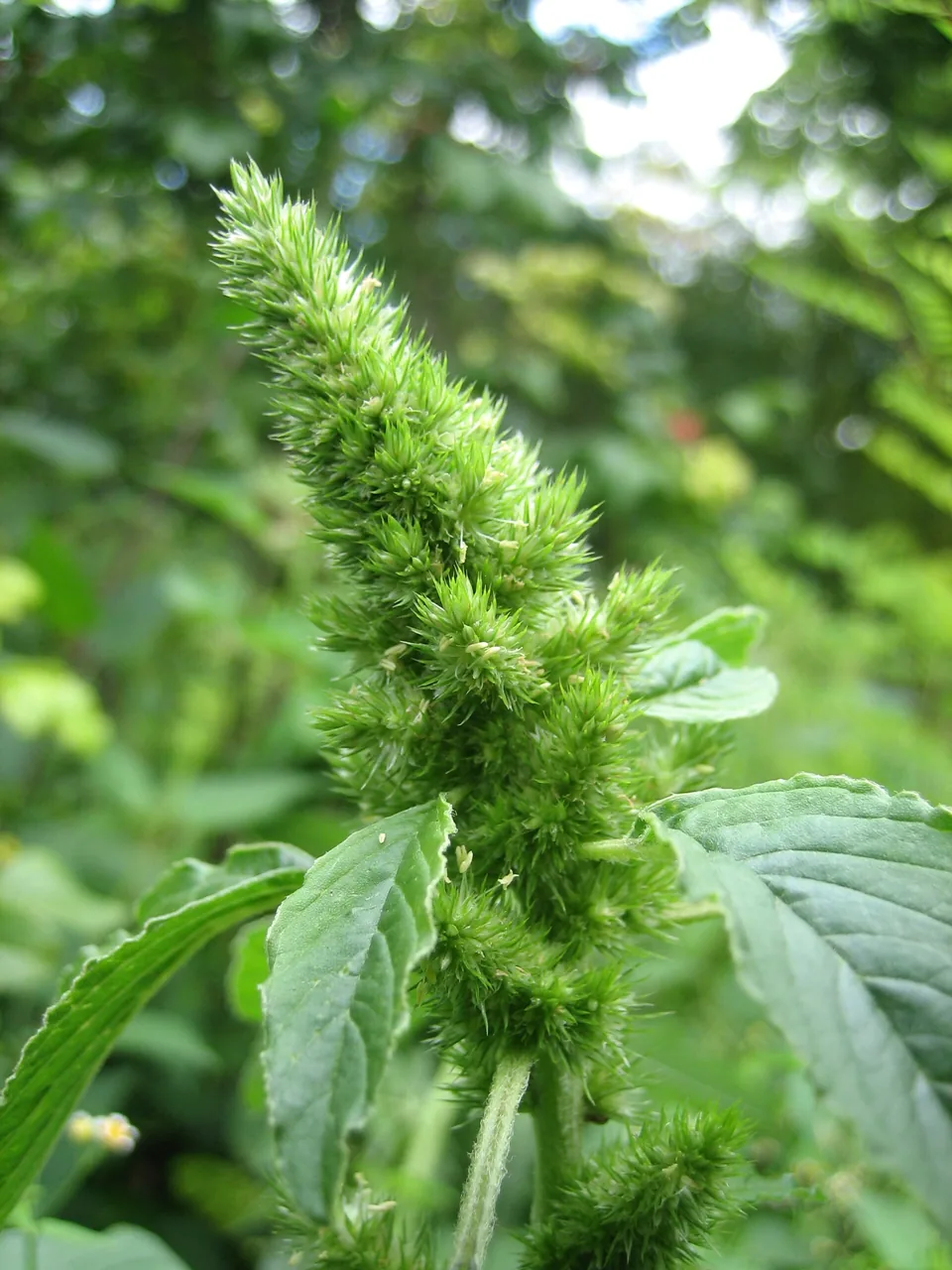


Cómo cultivar y cuidar Pigweed
Amaranthus retroflexus
Escrito por Emilio Marruso · última revisión
Tóxica para: Caballos, Ganado vacuno, Ovejas, Cabras, Animales · Por qué
De un vistazo
El bledo es una planta anual resistente que adora el sol pleno y puede alcanzar 1,8 m de alto. Sus hojas jóvenes se comen crudas o cocinadas, y sus semillas, maduras de agosto a octubre, se comen crudas, cocinadas o molidas como un cereal. Eso sí, arranca o siega las plantas antes de que echen semilla, porque puede volverse una mala hierba invasora.
- Sol
Sol pleno: 6 horas o más al día
Qué dicen las fuentes (1)
Luz: Pleno sol (6 o más horas de luz solar directa al día)
Light: Full sun (6 or more hours of direct sunlight a day)
— Amaranthus retroflexus (Careless Weed, Common Amaranth, Common Tumbleweed, Pigweed, Pigweed Amaranth, Red Root Amaranth, Red-Root Amaranth, Redroot Amaranth, Red Root Pigweed, Red-Root Pigweed, Redroot Pigweed, Rough Pigweed, Wild Beet Amaranth) | North Carolina Extension Gardener Plant Toolbox [1] - Frío
Aguanta inviernos de hasta −40 °C (−40 °F)
Muy rústica · USDA 3a · RHS H7 · Z3
Qué dicen las fuentes (2)
Rusticidad, zona más fría: 3a [mínima invernal de −40 a −37,2 °C (de −40 a −35 °F)]
USDA Plant Hardiness Zone: 3a, 3b, 4a, 4b, 5a, 5b, 6a, 6b, 7a, 7b, 8a, 8b, 9a, 9b, 10a, 10b, 11a, 11b
— Amaranthus retroflexus (Careless Weed, Common Amaranth, Common Tumbleweed, Pigweed, Pigweed Amaranth, Red Root Amaranth, Red-Root Amaranth, Redroot Amaranth, Red Root Pigweed, Red-Root Pigweed, Redroot Pigweed, Rough Pigweed, Wild Beet Amaranth) | North Carolina Extension Gardener Plant Toolbox [1] Rusticidad, zona más cálida: 11b [mínima invernal de 7,2 a 10 °C (de 45 a 50 °F)]
USDA Plant Hardiness Zone: 3a, 3b, 4a, 4b, 5a, 5b, 6a, 6b, 7a, 7b, 8a, 8b, 9a, 9b, 10a, 10b, 11a, 11b
— Amaranthus retroflexus (Careless Weed, Common Amaranth, Common Tumbleweed, Pigweed, Pigweed Amaranth, Red Root Amaranth, Red-Root Amaranth, Redroot Amaranth, Red Root Pigweed, Red-Root Pigweed, Redroot Pigweed, Rough Pigweed, Wild Beet Amaranth) | North Carolina Extension Gardener Plant Toolbox [1] - Suelo
Suelo de ligeramente ácido a alcalino, pH 6,0–8,0
Qué dicen las fuentes (2)
pH del suelo, mínimo: 6.0
Soil pH: Neutral (6.0-8.0) Soil Drainage: Good Drainage
— Amaranthus retroflexus (Careless Weed, Common Amaranth, Common Tumbleweed, Pigweed, Pigweed Amaranth, Red Root Amaranth, Red-Root Amaranth, Redroot Amaranth, Red Root Pigweed, Red-Root Pigweed, Redroot Pigweed, Rough Pigweed, Wild Beet Amaranth) | North Carolina Extension Gardener Plant Toolbox [1] pH del suelo, máximo: 8.0
Soil pH: Neutral (6.0-8.0) Soil Drainage: Good Drainage
— Amaranthus retroflexus (Careless Weed, Common Amaranth, Common Tumbleweed, Pigweed, Pigweed Amaranth, Red Root Amaranth, Red-Root Amaranth, Redroot Amaranth, Red Root Pigweed, Red-Root Pigweed, Redroot Pigweed, Rough Pigweed, Wild Beet Amaranth) | North Carolina Extension Gardener Plant Toolbox [1] - Cosecha
Come las hojas jóvenes crudas o cocinadas; las semillas maduran de agosto a octubre
Qué dicen las fuentes (1)
Cosecha: Las semillas maduran de agosto a octubre
It will flower from July through September, the seeds ripen from August through October.
— Amaranthus retroflexus (Careless Weed, Common Amaranth, Common Tumbleweed, Pigweed, Pigweed Amaranth, Red Root Amaranth, Red-Root Amaranth, Redroot Amaranth, Red Root Pigweed, Red-Root Pigweed, Redroot Pigweed, Rough Pigweed, Wild Beet Amaranth) | North Carolina Extension Gardener Plant Toolbox [1] - Atención
Mala hierba invasora: arranca o siega las plantas antes de que den semillas
- Tamaño
Hasta 1,8 m de alto
Qué dicen las fuentes (2)
Altura adulta: 183 cm (6 pies)
General description: Erect, branched plant reaching heights of 6 ft.
— Redroot pigweed | Integrated Crop Management [3] Mature pigweeds have a short taproot, can reach up to six feet tall, and produce small green flowers in clusters
— Redroot and Smooth Pigweed Life Cycle Disruptions for Effective Control in Specialty Crops | Rutgers Cooperative Extension [4] - Multiplicación
Se multiplica por semilla
Qué dicen las fuentes (2)
Propagación: Semilla
Recommended Propagation Strategy: Seed Country Or Region Of Origin:
— Amaranthus retroflexus (Careless Weed, Common Amaranth, Common Tumbleweed, Pigweed, Pigweed Amaranth, Red Root Amaranth, Red-Root Amaranth, Redroot Amaranth, Red Root Pigweed, Red-Root Pigweed, Redroot Pigweed, Rough Pigweed, Wild Beet Amaranth) | North Carolina Extension Gardener Plant Toolbox [1] Spreads strictly by seeds. - Growth benefits from nitrogen and phosphorus fertilizers.
— Redroot and Smooth Pigweed Life Cycle Disruptions for Effective Control in Specialty Crops | Rutgers Cooperative Extension [4] - Seguridad
Es dañina para cerdos, vacas, ovejas, cabras y caballos si la comen
Resumen
El quelite o amaranto de raíz roja es una maleza anual de verano de la familia de los amarantos, de la que también se informa que tiene semillas y hojas jóvenes comestibles. [1] Crece a pleno sol y se propaga solo por semilla. [1][4] Se informa que la ingestión de la planta es perjudicial para varios tipos de ganado. [1]
Citado en inglés, como en la fuente.
Cuidados
Luz
Pleno sol (6 o más horas de luz solar directa al día)
Qué dicen las fuentes (1)
Light:
Full sun (6 or more hours of direct sunlight a day)Clima y frío
Rusticidad, zona más fría
3a [mínima invernal de −40 a −37,2 °C (de −40 a −35 °F)]
Qué dicen las fuentes (1)
USDA Plant Hardiness Zone:
3a, 3b, 4a, 4b, 5a, 5b, 6a, 6b, 7a, 7b, 8a, 8b, 9a, 9b, 10a, 10b, 11a, 11bRusticidad, zona más cálida
11b [mínima invernal de 7,2 a 10 °C (de 45 a 50 °F)]
Qué dicen las fuentes (1)
USDA Plant Hardiness Zone:
3a, 3b, 4a, 4b, 5a, 5b, 6a, 6b, 7a, 7b, 8a, 8b, 9a, 9b, 10a, 10b, 11a, 11bSuelo
pH del suelo, mínimo
6.0
Qué dicen las fuentes (1)
Soil pH:
Neutral (6.0-8.0)
Soil Drainage:
Good DrainagepH del suelo, máximo
8.0
Qué dicen las fuentes (1)
Soil pH:
Neutral (6.0-8.0)
Soil Drainage:
Good DrainagePropagación
Semilla
Qué dicen las fuentes (2)
Recommended Propagation Strategy:
Seed
Country Or Region Of Origin:Spreads strictly by seeds.
- Growth benefits from nitrogen and phosphorus fertilizers.Cultivo
La planta
Ciclo de vida
anual
Qué dicen las fuentes (1)
Redroot pigweed - Amaranthus retroflexus L. Family: Amaranthaceae Life cycle: Annual Native status: Native to North AmericaFamilia
Amaranthaceae
Qué dicen las fuentes (1)
Redroot pigweed - Amaranthus retroflexus L. Family: Amaranthaceae Life cycle: Annual Native status: Native to North AmericaAltura adulta
183 cm (6 pies)
Qué dicen las fuentes (2)
General description: Erect, branched plant reaching heights of 6 ft.Mature pigweeds have a short taproot, can reach up to six feet tall, and produce small green flowers in clustersProblemas
Maleza invasiva en cultivos
Síntoma: La invasividad causa pérdida de rendimiento en muchos cultivos de hortalizas en hilera; no se recomienda para la mayoría de los jardines.
Qué hacer: Arranca las plantas más grandes a mano antes de que empiecen a producir semillas maduras; siega o corta las plantas con desbrozadora antes de que produzcan semillas.
Qué dicen las fuentes (3)
Its invasiveness causes yield loss in many vegetable row crops.
— Amaranthus retroflexus (Careless Weed, Common Amaranth, Common Tumbleweed, Pigweed, Pigweed Amaranth, Red Root Amaranth, Red-Root Amaranth, Redroot Amaranth, Red Root Pigweed, Red-Root Pigweed, Redroot Pigweed, Rough Pigweed, Wild Beet Amaranth) | North Carolina Extension Gardener Plant Toolbox [1] Pull larger plants by hand before they start producing mature seeds.
— Redroot and Smooth Pigweed Life Cycle Disruptions for Effective Control in Specialty Crops | Rutgers Cooperative Extension [4] Mow or weed-whack plants before they produce seeds.
— Redroot and Smooth Pigweed Life Cycle Disruptions for Effective Control in Specialty Crops | Rutgers Cooperative Extension [4] Acumulación de nitratos
Síntoma: Los quelites o amarantos acumulan nitratos, lo que puede provocar intoxicación por nitratos en animales de pastoreo.
Qué hacer: No dejes que los animales de pastoreo ingieran la planta.
Qué dicen las fuentes (1)
Pigweeds accumulate nitrates, which can lead to nitrate poisoning in grazing animals such as horses and ruminants.
— Amaranthus retroflexus (Careless Weed, Common Amaranth, Common Tumbleweed, Pigweed, Pigweed Amaranth, Red Root Amaranth, Red-Root Amaranth, Redroot Amaranth, Red Root Pigweed, Red-Root Pigweed, Redroot Pigweed, Rough Pigweed, Wild Beet Amaranth) | North Carolina Extension Gardener Plant Toolbox [1]
Remedios
Cada remedio indica qué dicen las fuentes oficiales; los remedios tradicionales sin fuente oficial aparecen marcados. Los perjudiciales están para que sepas evitarlos.
Cómo eliminarla
bledo rojo
arrancado a mano Funciona
Cómo: Arranca las plantas más grandes a mano antes de que empiecen a producir semillas.
Pull larger plants by hand before they start producing mature seeds.
— Redroot and Smooth Pigweed Life Cycle Disruptions for Effective Control in Specialty Crops | Rutgers Cooperative Extension [4] Qué dicen las pruebas Non-herbicide treatments include hand pulling, removing plants with tools, routine tilling to keep plants from going to seed, and routine mowing to keep plants from seeding.
— extension.arizona.edu [5] Corta el césped antes de que produzca semillas. Funciona
Cómo: Corta o deshierba las plantas con desbrozadora antes de que produzcan semillas.
Mow or weed-whack plants before they produce seeds.
— Redroot and Smooth Pigweed Life Cycle Disruptions for Effective Control in Specialty Crops | Rutgers Cooperative Extension [4] Qué dicen las pruebas Non-herbicide treatments include hand pulling, removing plants with tools, routine tilling to keep plants from going to seed, and routine mowing to keep plants from seeding.
— extension.arizona.edu [5] cartón o cobertura con mantillo Funciona
Cómo: Los cartones, así como los mantillos orgánicos o plásticos, son muy efectivos para suprimir los bledos.
Cardboards as well as organic or plastic mulches are very effective at suppressing pigweeds.
— Redroot and Smooth Pigweed Life Cycle Disruptions for Effective Control in Specialty Crops | Rutgers Cooperative Extension [4] Qué dicen las pruebas Cardboards as well as organic or plastic mulches are very effective at suppressing pigweeds.
— Redroot and Smooth Pigweed Life Cycle Disruptions for Effective Control in Specialty Crops | Rutgers Cooperative Extension [4] cultivo superficial de las plántulas Funciona
Cómo: Cultiva en primavera para favorecer la germinación de las semillas y repite el cultivo con escarificador o azada rotatoria para eliminar las plántulas jóvenes de bledo; el último cultivo debe ser muy superficial.
Cultivate in spring to encourage seed germination and repeat cultivation with tine weeder or rotary hoe to kill young pigweed seedlings before planting or seeding of a crop.
— Redroot and Smooth Pigweed Life Cycle Disruptions for Effective Control in Specialty Crops | Rutgers Cooperative Extension [4] Qué dicen las pruebas Cultivate in spring to encourage seed germination and repeat cultivation with tine weeder or rotary hoe to kill young pigweed seedlings before planting or seeding of a crop.
— Redroot and Smooth Pigweed Life Cycle Disruptions for Effective Control in Specialty Crops | Rutgers Cooperative Extension [4] lonas antes de la siembra Funciona en parte
Cómo: Usa lonas para favorecer la germinación durante un período de dos a tres semanas antes de plantar; puede ser necesario cultivar o quemar con llama una vez que se retire la lona.
Use tarps to encourage germination over a two-to-three-week period before planting.
— Redroot and Smooth Pigweed Life Cycle Disruptions for Effective Control in Specialty Crops | Rutgers Cooperative Extension [4] Qué dicen las pruebas items such as plastic shower curtains or old tarps are good barriers but can be difficult to work with later when it is time to rework the site.
— extension.usu.edu [6] cultivo de cobertura de centeno o avena Fuente oficial, sin prueba independiente
Cómo: Los cultivos de cobertura de alta biomasa se terminan y se enrollan antes de sembrar el cultivo para formar una barrera física.
Cover crops (cereal rye, oat) producing high biomass that are terminated and rolled before seeding the crop may create a physical barrier preventing pigweed emergence.
— Redroot and Smooth Pigweed Life Cycle Disruptions for Effective Control in Specialty Crops | Rutgers Cooperative Extension [4]
Venenosa para los animales
Según la fuente, citada textualmente. No es un consejo médico ni veterinario: si una persona o un animal pudo haber ingerido esta planta, contacta con un centro de toxicología o con un veterinario.
Although portions of this plant are edible, ingestion is detrimental to pigs, cattle, sheep, goats, and horses.
[1]- Partes venenosas
Poison Part: Leaves Stems
[1]- Principio tóxico
Pigweeds accumulate nitrates, which can lead to nitrate poisoning in grazing animals such as horses and ruminants.
[1]- Síntomas
Nitrate poisoning in horses and ruminants is characterized by a bluish cast to the mucous membranes, respiratory distress, weakness and trembling. High oxalate ingestion can result in kidney failure.
[1]- Gravedad
Poison Severity: High
[1]
Nitrate poisoning in horses and ruminants is characterized by a bluish cast to the mucous membranes, respiratory distress, weakness and trembling.
[1]- Partes venenosas
Poison Part: Leaves Stems
[1]- Principio tóxico
Pigweeds accumulate nitrates, which can lead to nitrate poisoning in grazing animals such as horses and ruminants.
[1]- Síntomas
Nitrate poisoning in horses and ruminants is characterized by a bluish cast to the mucous membranes, respiratory distress, weakness and trembling. High oxalate ingestion can result in kidney failure.
[1]- Gravedad
Poison Severity: High
[1]
Calendario
Las semillas maduran de agosto a octubre
Qué dicen las fuentes (1)
It will flower from July through September, the seeds ripen from August through October.Meses tal como los dan las fuentes, en su mayoría de Estados Unidos (hemisferio norte). En el hemisferio sur se desplazan unos seis meses.
Comestibilidad
Según la fuente, citada textualmente. No comas una planta basándote solo en esta página: los errores de identificación pueden ser peligrosos.
The seeds are edible and can be eaten raw or cooked. They are sometimes ground into a powder and eaten as a substitute for cereal.
[1]Young leaves may be eaten raw or cooked.
[1]The seeds are edible and can be eaten raw or cooked. They are sometimes ground into a powder and eaten as a substitute for cereal. Sprouts can be added to salads.
[1]
Valores orientativos
Valores de una fuente secundaria, no comprobados palabra por palabra como el resto de esta página. Úselos como punto de partida.
- Riego
- FrecuenteValor orientativo, adáptalo a tu clima · Fuente secundaria
- Nivel de cuidado
- MedioValor orientativo, adáptalo a tu clima · Fuente secundaria
- Crecimiento
- BajoValor orientativo, adáptalo a tu clima · Fuente secundaria
- Poda
- Marzo, abrilValor orientativo, adáptalo a tu clima · Fuente secundaria
Plantas similares
- Bledo Amaranthus hybridus
- Carelessweed Amaranthus palmeri
- Quihuicha Amaranthus caudatus
- Ala de loro Amaranthus tricolor
- Bledo Amaranthus blitum
- Amaranto Amaranthus hypochondriacus
- Amaranth Amaranthus cruentus
- Lagunilla Alternanthera philoxeroides
Fuentes
Cada valor anterior se cita de estos documentos. Los enlaces llevan al editor original.
- Amaranthus retroflexus (Careless Weed, Common Amaranth, Common Tumbleweed, Pigweed, Pigweed Amaranth, Red Root Amaranth, Red-Root Amaranth, Redroot Amaranth, Red Root Pigweed, Red-Root Pigweed, Redroot Pigweed, Rough Pigweed, Wild Beet Amaranth) | North Carolina Extension Gardener Plant Toolbox · plants.ces.ncsu.edu, consultado
- Common Amaranth - Amaranthus retroflexus | North Carolina Extension Gardener Plant Toolbox · plants.ces.ncsu.edu, consultado
- Redroot pigweed | Integrated Crop Management · crops.extension.iastate.edu, consultado
- Redroot and Smooth Pigweed Life Cycle Disruptions for Effective Control in Specialty Crops | Rutgers Cooperative Extension · njaes.rutgers.edu, consultado
- extension.arizona.edu · extension.arizona.edu
- extension.usu.edu · extension.usu.edu
Escrito por Emilio Marruso · última revisión