
Cómo cultivar y cuidar Jacinto de los bosques
Hyacinthoides non-scripta
Escrito por Emilio Marruso · última revisión
Tóxica para: Gatos, Perros, Personas · Por qué
De un vistazo
El jacinto de los bosques crece a gusto en semisombra o sombra moteada, aunque también tolera el sol pleno. Riégalo cuando la tierra esté seca a 5 cm de profundidad y mantenla húmeda pero sin encharcar. Este bulbo perenne se extiende por semillas y bulbillos hasta formar matas densas, y también se da bien en maceta, así que cabe en cualquier jardín.
- Sol
Semisombra o sombra moteada; también tolera el sol pleno
Qué dicen las fuentes (3)
Luz: Semisombra o sombra moteada; tolera pleno sol
H. non-scripta prefers dappled shade, but will grow in full sun as well.
— How to Plant and Grow English Bluebells | Gardener’s Path [5] Grow Hyacinthoides non-scripta in moist but well-drained soil in sun to partial shade.
— Hyacinthoides non-scripta (English Bluebell) | BBC Gardeners World Magazine [4] bluebells thrive in partial shade, under deciduous trees or shrubs and need moist but well-drained soil.
— How to Grow Native Bluebells in Your Garden - Woodland Trust [3] - Riego
Riega bien al plantar y luego cuando la tierra esté seca a 5 cm; húmeda, nunca encharcada
Qué dicen las fuentes (3)
Riego: Riega cuando el suelo esté seco a una profundidad de dos pulgadas [5,1 cm]; mantén el suelo húmedo pero no mojado
They tolerate a pH range of 5.5 to 7.5 but do best in slightly acidic soils. Water when the soil is dry to a depth of two inches.
— How to Plant and Grow English Bluebells | Gardener’s Path [5] Notas sobre el riego: Riega bien después de plantar; suelo húmedo pero bien drenado; los contenedores se secan más rápido y pueden necesitar riego más frecuente
Choose partial shade and moist but well-drained soil. Enrich soil with leaf mould, manure or garden compost. - Water well after planting.
— How to Grow Native Bluebells in Your Garden - Woodland Trust [3] Containers tend to dry out more quickly than garden soil, so you may need to water more frequently.
— How to Plant and Grow English Bluebells | Gardener’s Path [5] - Suelo
Suelo húmedo y con buen drenaje, pH 5,5–7,5
Qué dicen las fuentes (4)
pH del suelo, mínimo: 5.5
They tolerate a pH range of 5.5 to 7.5 but do best in slightly acidic soils.
— How to Plant and Grow English Bluebells | Gardener’s Path [5] pH del suelo, máximo: 7.5
They tolerate a pH range of 5.5 to 7.5 but do best in slightly acidic soils.
— How to Plant and Grow English Bluebells | Gardener’s Path [5] Notas sobre el riego: Riega bien después de plantar; suelo húmedo pero bien drenado; los contenedores se secan más rápido y pueden necesitar riego más frecuente
Choose partial shade and moist but well-drained soil. Enrich soil with leaf mould, manure or garden compost. - Water well after planting.
— How to Grow Native Bluebells in Your Garden - Woodland Trust [3] Containers tend to dry out more quickly than garden soil, so you may need to water more frequently.
— How to Plant and Grow English Bluebells | Gardener’s Path [5] - Plagas
Babosas y caracoles en primaveras húmedas; las manchas de roya en las hojas apenas la dañan
- Atención
Forma matas densas que ahogan plantas pequeñas; quita las flores pasadas para que no se resiembre
Qué dicen las fuentes (3)
Sistema radicular: Perenne bulbosa; la mayoría de los bulbos se encuentran en los 20 cm [7,9 in] superiores del suelo; se propaga por semillas y bulbillos
Bluebells are bulbous perennials, flowering in mid- to late-spring
— Bluebells in Gardens | RHS Advice [1] Most bulbs will be in the top 20cm (8in) of soil but it is worth checking a bit deeper.
— Bluebells in Gardens | RHS Advice [1] However, bluebells spread readily by seed and bulb offsets
— Bluebells in Gardens | RHS Advice [1] - Multiplicación
Por semillas, bulbillos o dividiendo las matas aún verdes tras la floración
Qué dicen las fuentes (2)
Propagación: Semilla, bulbos hijos, división de matas 'en verde' después de la floración
English bluebell can be propagated by seed or bulb offsets.
— How to Plant and Grow English Bluebells | Gardener’s Path [5] Grow Hyacinthoides non-scripta in moist but well-drained soil in sun to partial shade. Divide and transplant clumps 'in the green' after flowering.
— Hyacinthoides non-scripta (English Bluebell) | BBC Gardeners World Magazine [4] - Siembra
Siembra en verano (junio), en cuanto recojas la semilla
Qué dicen las fuentes (2)
Siembra: Verano, tan pronto como se recolecte la semilla (junio)
Sow the seeds as soon as you collect them in the summer. Broadcast over rich loam that’s high in organic matter
— How to Plant and Grow English Bluebells | Gardener’s Path [5] | | Jan | Feb | Mar | Apr | May | Jun | Jul | Aug | Sep | Oct | Nov | Dec | Sow | | | | | | yes |
— Hyacinthoides non-scripta (English Bluebell) | BBC Gardeners World Magazine [4] - Maceta
Crece también en maceta; se seca antes, así que riega más a menudo
Qué dicen las fuentes (3)
En maceta: Sí
Why not try growing them in containers? As long as the pots have drainage holes and the medium is high in organic matter
— How to Plant and Grow English Bluebells | Gardener’s Path [5] Notas sobre el riego: Riega bien después de plantar; suelo húmedo pero bien drenado; los contenedores se secan más rápido y pueden necesitar riego más frecuente
Choose partial shade and moist but well-drained soil. Enrich soil with leaf mould, manure or garden compost. - Water well after planting.
— How to Grow Native Bluebells in Your Garden - Woodland Trust [3] Containers tend to dry out more quickly than garden soil, so you may need to water more frequently.
— How to Plant and Grow English Bluebells | Gardener’s Path [5] - Seguridad
Toda la planta es venenosa para personas y animales; a gatos y perros les provoca problemas de estómago
Resumen
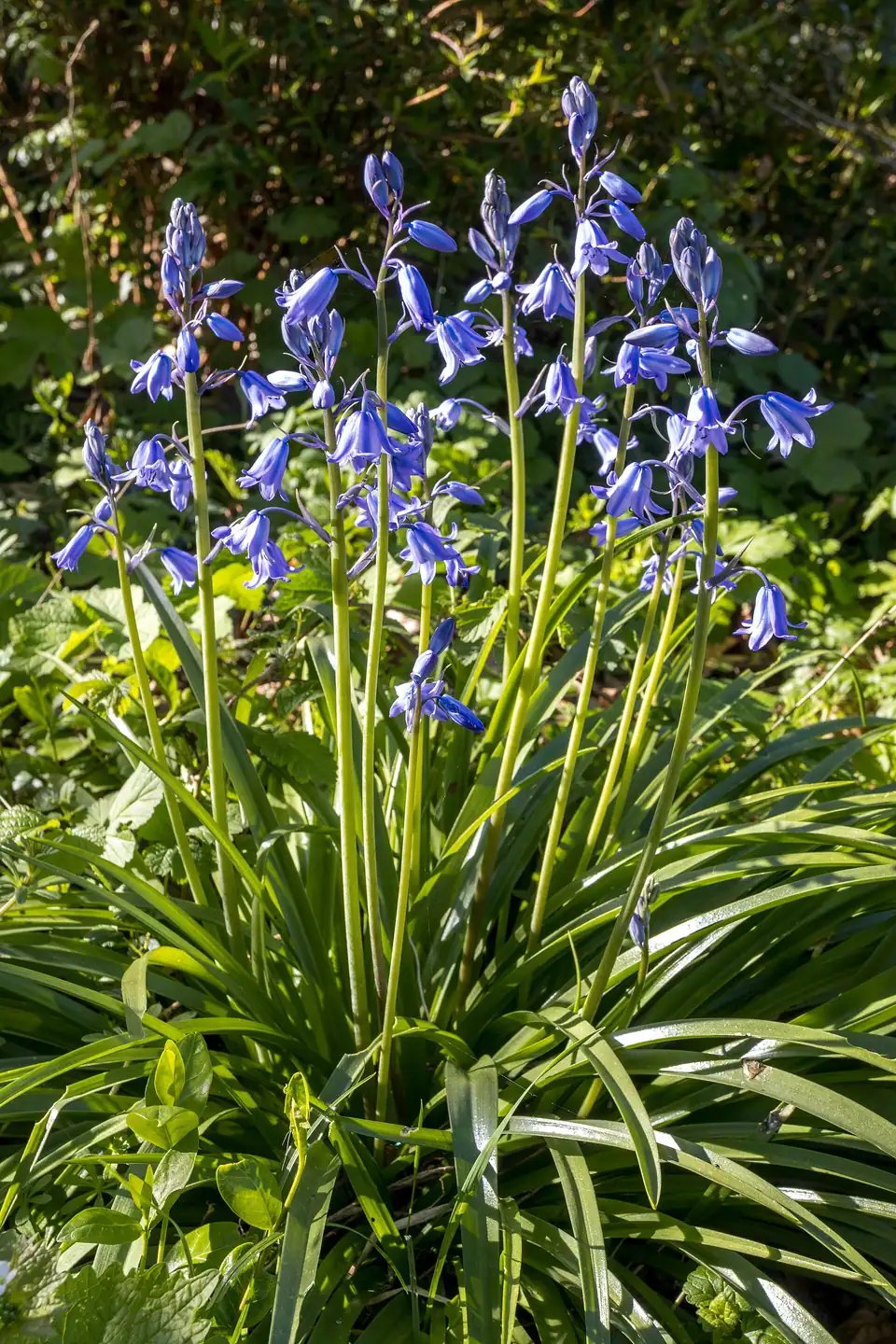
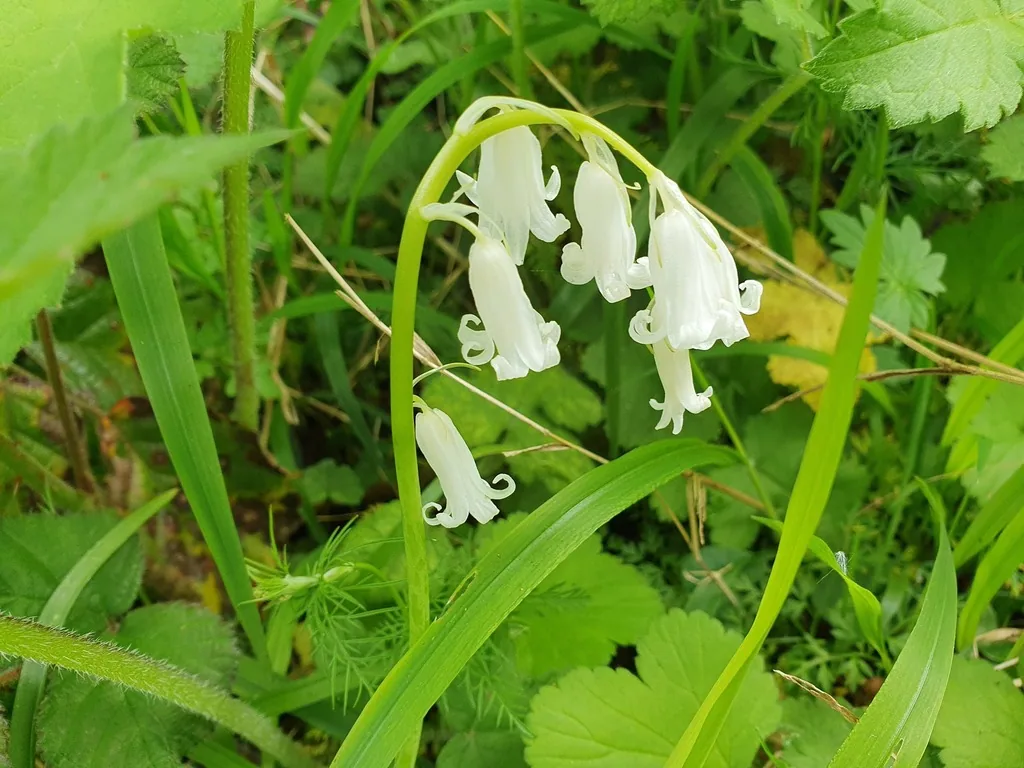
Hyacinthoides non-scripta (campanilla inglesa) es una planta perenne bulbosa originaria de Europa occidental que florece a mediados o finales de la primavera con campanillas fragantes, colgantes y de color azul violeta en un lado del tallo. [1][5] Se adapta a jardines boscosos y lugares sombreados bajo árboles de hoja caduca, y se extiende fácilmente para formar matas densas. [3] Las plantas silvestres están legalmente protegidas en el Reino Unido, y puede hibridarse con la campanilla española, por lo que se deben utilizar bulbos cultivados, no recolectados en la naturaleza. [3]
Citado en inglés, como en la fuente.
Esta ficha está incompleta: las fuentes consultadas aún no cubren todos los campos.
Aún no cubierto por nuestras fuentes: Poda
Cuidados
Las medidas entre corchetes son nuestra conversión al otro sistema de unidades; el texto citado no cambia.
Riego
Riego
Riega cuando el suelo esté seco a una profundidad de dos pulgadas [5,1 cm]; mantén el suelo húmedo pero no mojado
Qué dicen las fuentes (1)
They tolerate a pH range of 5.5 to 7.5 but do best in slightly acidic soils.
Water when the soil is dry to a depth of two inches.Notas sobre el riego
Riega bien después de plantar; suelo húmedo pero bien drenado; los contenedores se secan más rápido y pueden necesitar riego más frecuente
Qué dicen las fuentes (2)
Choose partial shade and moist but well-drained soil. Enrich soil with leaf mould, manure or garden compost.
- Water well after planting.Containers tend to dry out more quickly than garden soil, so you may need to water more frequently.Luz
Semisombra o sombra moteada; tolera pleno sol
Qué dicen las fuentes (3)
H. non-scripta prefers dappled shade, but will grow in full sun as well.Grow Hyacinthoides non-scripta in moist but well-drained soil in sun to partial shade.bluebells thrive in partial shade, under deciduous trees or shrubs and need moist but well-drained soil.Clima y frío
Rusticidad, zona más fría
Las fuentes dan valores distintos según la región, la zona o las condiciones de cultivo.
Lo que dice cada fuente
Según Kwantlen Polytechnic University: 4 [mínima invernal de −34,4 a −28,9 °C (de −30 a −20 °F)]
Según Gardener's Path: 5 [mínima invernal de −28,9 a −23,3 °C (de −20 a −10 °F)]
Qué dicen las fuentes (2)
Según Kwantlen Polytechnic University: | Hardiness Zone:
| Zone 4: (-34 to -29 °C)
| Plant Type:
| Herbaceous perennialSegún Gardener's Path: These classic spring bloomers are suitable for cultivation in USDA Hardiness Zones 5 to 8, and will transform any shady gardenRusticidad, zona más cálida
8 [mínima invernal de −12,2 a −6,7 °C (de 10 a 20 °F)]
Qué dicen las fuentes (1)
These classic spring bloomers are suitable for cultivation in USDA Hardiness Zones 5 to 8, and will transform any shady gardenSuelo
pH del suelo, mínimo
5.5
Qué dicen las fuentes (1)
They tolerate a pH range of 5.5 to 7.5 but do best in slightly acidic soils.pH del suelo, máximo
7.5
Qué dicen las fuentes (1)
They tolerate a pH range of 5.5 to 7.5 but do best in slightly acidic soils.Dónde cultivarla
En maceta
Sí
Qué dicen las fuentes (1)
Why not try growing them in containers? As long as the pots have drainage holes and the medium is high in organic matterDistancia de plantación
Las fuentes dan valores distintos según la región, la zona o las condiciones de cultivo.
Lo que dice cada fuente
Según Woodland Trust (dry bulbs): 10 cm [3,9 in]
Según Gardener's Path (bulb offsets and bulbs): 10.2-15.2 cm (4-6 pulgadas)
Qué dicen las fuentes (3)
Según Woodland Trust (dry bulbs): Plant dry bulbs at least 10cm deep and space 10cm apart; ensure the pointed growing tip is facing upwards.Según Gardener's Path (bulb offsets and bulbs): Make sure you plant the offsets root side down, three to four inches deep, and spaced four to six inches apart.Plant dry bulbs at least 10cm deep and space 10cm apart; ensure the pointed growing tip is facing upwards.Propagación
Semilla, bulbos hijos, división de matas 'en verde' después de la floración
Qué dicen las fuentes (2)
English bluebell can be propagated by seed or bulb offsets.Grow Hyacinthoides non-scripta in moist but well-drained soil in sun to partial shade. Divide and transplant clumps 'in the green' after flowering.Cultivo
La planta
Ciclo de vida
perenne (bulbosa)
Qué dicen las fuentes (1)
Bluebells are bulbous perennials, flowering in mid- to late-springFamilia
Asparagáceas
Qué dicen las fuentes (1)
Checklist: 1023880
- Asparagaceae
- Hyacinthoides
- Hyacinthoides non-scripta (L.) Rothm.Raíces
Sistema radicular
Perenne bulbosa; la mayoría de los bulbos se encuentran en los 20 cm [7,9 in] superiores del suelo; se propaga por semillas y bulbillos
Qué dicen las fuentes (3)
Bluebells are bulbous perennials, flowering in mid- to late-springMost bulbs will be in the top 20cm (8in) of soil but it is worth checking a bit deeper.However, bluebells spread readily by seed and bulb offsetsProblemas
Babosas y caracoles
Síntoma: Daños durante primaveras húmedas
Qué hacer: Protege las plantas de babosas y caracoles
Qué dicen las fuentes (1)
Slugs and snails can become an issue during wet springs.
— How to Plant and Grow English Bluebells | Gardener’s Path [5] Roya del jacinto silvestre (Uromyces muscari)
Síntoma: Pequeñas zonas amarillentas en las hojas con puntos oscuros que forman un círculo u óvalo en el centro
Qué hacer: No afecta seriamente la salud de la planta
Qué dicen las fuentes (1)
If you notice small yellowed areas on the leaves, with dark colored specks forming a circle or oval in the middle, that’s rust.
— How to Plant and Grow English Bluebells | Gardener’s Path [5] Hibridación con el jacinto español
Síntoma: Plantas híbridas que amenazan poblaciones nativas cerca de zonas boscosas
Qué hacer: No plantes jacintos silvestres no nativos cerca de zonas boscosas; retira las flores marchitas si hay jacintos españoles cerca
Qué dicen las fuentes (2)
Don’t buy or plant non-native bluebells, particularly if you live near a local woodland to prevent hybridisation.
— How to Grow Native Bluebells in Your Garden - Woodland Trust [3] Remove spent flowers to avoid self seeding of hybrids if Spanish bluebells are situated nearby.
— How to Plant and Grow English Bluebells | Gardener’s Path [5] Extenderse
Síntoma: Mata densa que puede ahogar a plantas más pequeñas
Qué hacer: Elimina las flores marchitas para evitar la auto-siembra; desentierra los bulbos no deseados; los herbicidas no son efectivos
Qué dicen las fuentes (2)
Picking and deadheading some of the flowers from your garden will prevent self-seeding and help control their spread.
— Bluebells in Gardens | RHS Advice [1] No – bluebells are strongly resistant to weedkillers and it appears that no garden weedkiller is effective at controlling them.
— Bluebells in Gardens | RHS Advice [1]
Remedios
Cada remedio indica qué dicen las fuentes oficiales; los remedios tradicionales sin fuente oficial aparecen marcados. Los perjudiciales están para que sepas evitarlos.
Primeros auxilios
Primeros auxilios: no sustituyen al médico
ingestión
Eliminación de partes de plantas de la boca Fuente oficial, sin prueba independiente
Give them a few sips of water or milk. - Call the poison center at 1-800-222-1222.
— nnepc.org [8] Cómo: Saca todos los trozos de la planta de la boca de la persona y da algunos sorbos de agua o leche.
What should I do if someone has swallowed part of a harmful plant? - Take all pieces of the plant out of the person’s mouth.
— nnepc.org [8]
contacto de la piel con la savia
lavarse la piel con jabón y agua Fuente oficial, sin prueba independiente
Wash the person’s skin gently with soap and water. - Call the poison center at 1-800-222-1222.
— nnepc.org [8] Cómo: Lava suavemente la piel de la persona con jabón y agua.
What should I do if someone has touched a plant that may be harmful? - Wash the person’s skin gently with soap and water.
— nnepc.org [8]
Cómo eliminarla
propagación no deseada
desenterrando matas enteras Fuente oficial, sin prueba independiente
All parts of the plant are toxic and the sap can cause skin irritation, so it is advisable to wear gloves when handling bluebells.
— Bluebells in Gardens | RHS Advice [1] Cómo: Usa una pala o un tenedor de jardín para desenterrar los grupos y retira todos los bulbos y partes subterráneas, buscando con atención los bulbillos pequeños; la mayoría de los bulbos están en los primeros 20 cm (8 pulgadas) del suelo. Entre otras plantas, marca dónde crecen las campanillas y retira los bulbos en otoño o invierno cuando están en reposo.
Dig out whole clumps – use a spade or garden fork to dig up clumps and remove all the bulbs
— Bluebells in Gardens | RHS Advice [1] extracción de plantas individuales con tenedor Fuente oficial, sin prueba independiente
All parts of the plant are toxic and the sap can cause skin irritation, so it is advisable to wear gloves when handling bluebells.
— Bluebells in Gardens | RHS Advice [1] Cómo: Inserta un tenedor de mano a toda su profundidad cerca del brote, mueve el mango para aflojar el bulbo, luego agarra el brote y sácalo suavemente del suelo.
Work the handle of the fork to loosen the bulb then, grasping the shoot, gently ease it out of the soil.
— Bluebells in Gardens | RHS Advice [1] Césped y siega regular Fuente oficial, sin prueba independiente
Cómo: Corta el césped regularmente en primavera y verano donde haya campanillas para debilitar los bulbos y evitar la floración y la auto-siembra; si colocas césped sobre una zona con muchos bulbos y lo cortas regularmente durante varios años, minimizas la alteración del suelo.
regularly mow lawns containing bluebells in spring and summer to weaken bulbs, prevent flowering and self-seeding, and eventually eradicate them.
— Bluebells in Gardens | RHS Advice [1] Eliminación de bulbos en residuos verdes Fuente oficial, sin prueba independiente
Cómo: Pon los bulbos desenterrados en el contenedor de residuos vegetales o llévalos al sitio local de residuos de jardín, no al contenedor de compost doméstico, donde pueden tardar muchos años en descomponerse y propagarse con el compost.
Dispose of bluebell bulbs by adding them to your green waste collection bin or taking them to your local garden waste site.
— Bluebells in Gardens | RHS Advice [1]
autosiembra
Recolección y eliminación de flores marchitas Fuente oficial, sin prueba independiente
Cómo: Recoge campanillas para exhibirlas en interiores y quita las flores marchitas para evitar la auto-siembra; las plantas cultivadas en un contenedor y con las flores marchitas quitadas no se propagan por semillas.
Picking and deadheading some of the flowers from your garden will prevent self-seeding and help control their spread.
— Bluebells in Gardens | RHS Advice [1]
Venenosa para los animales
Según la fuente, citada textualmente. No es un consejo médico ni veterinario: si una persona o un animal pudo haber ingerido esta planta, contacta con un centro de toxicología o con un veterinario.
Animales
Hyacinthoides ‘Non-scripta’ causes an upset stomach and is harmful if ingested. Toxic to: Is known to attract Cats
[4]- Síntomas
Hyacinthoides ‘Non-scripta’ causes an upset stomach and is harmful if ingested. Toxic to: Is known to attract Cats
[4]
Hyacinthoides ‘Non-scripta’ causes an upset stomach and is harmful if ingested. Toxic to: Is known to attract Cats Cats Is known to attract Dogs
[4]- Síntomas
Hyacinthoides ‘Non-scripta’ causes an upset stomach and is harmful if ingested. Toxic to: Is known to attract Cats Cats Is known to attract Dogs
[4]
Personas
Every part of the plant is poisonous, thanks to the presence of cardiac glycosides, and they are toxic to humans and animals.
[5]
Calendario
Verano, tan pronto como se recolecte la semilla (junio)
Qué dicen las fuentes (2)
Sow the seeds as soon as you collect them in the summer. Broadcast over rich loam that’s high in organic matter| | Jan | Feb | Mar | Apr | May | Jun | Jul | Aug | Sep | Oct | Nov | Dec
| Sow | | | | | | yes |Las fuentes dan valores distintos según la región, la zona o las condiciones de cultivo.
Lo que dice cada fuente
Según Woodland Trust: Bulbos secos en otoño; bulbos 'en verde' en primavera
Según BBC Gardeners' World: Junio, septiembre, octubre
Bulbos hijos (fuente: Gardener's Path): Mediados a finales del verano, tan pronto como las hojas hayan muerto
Qué dicen las fuentes (5)
Según Woodland Trust: Ensure bulbs are sourced and grown in the UK to reduce the risk of pests and diseases.
- Plant dry bulbs in autumn and ‘in the green’ bulbs in spring.Según BBC Gardeners' World: | Sow | | | | | | yes | | | | | |
| Plant | | | | | | yes | | | yes | yes | |Bulbos hijos (fuente: Gardener's Path): Remove bulb offsets in mid to late summer, as soon as the leaves have died. Carefully dig up the bulb and remove the offsets with your hands.Ensure bulbs are sourced and grown in the UK to reduce the risk of pests and diseases.
- Plant dry bulbs in autumn and ‘in the green’ bulbs in spring.Plant purchased bulbs and potted plants in the garden in the fall.No figura en las fuentes consultadas.
Meses tal como los dan las fuentes, en su mayoría de Estados Unidos (hemisferio norte). En el hemisferio sur se desplazan unos seis meses.
Plantas similares
- Escila española Hyacinthoides hispanica
- Palma de aguja Yucca flaccida
- American Agave Agave virginica
- Esparraguera Asparagus officinalis
- Helecho plumoso Asparagus setaceus
- Beaked Yucca Yucca rostrata
- Beschorneria Beschorneria yuccoides
- Brodiaea Triteleia laxa
Fuentes
Cada valor anterior se cita de estos documentos. Los enlaces llevan al editor original.
- Bluebells in Gardens | RHS Advice · rhs.org.uk, consultado
- Hyacinthoides non-scripta (L.) Rothm. · infoflora.ch, consultado
- How to Grow Native Bluebells in Your Garden - Woodland Trust · woodlandtrust.org.uk, consultado
- Hyacinthoides non-scripta (English Bluebell) | BBC Gardeners World Magazine · gardenersworld.com, consultado
- How to Plant and Grow English Bluebells | Gardener’s Path · gardenerspath.com, consultado
- Hyacinthoides non-scripta - Kwantlen Polytechnic University, School of Horticulture - Plant Database · plantdatabase.kpu.ca, consultado
- Bluebell - Plantlife · plantlife.org.uk, consultado
- nnepc.org · nnepc.org
Escrito por Emilio Marruso · última revisión