
Cómo cultivar y cuidar Quiebra-cajete
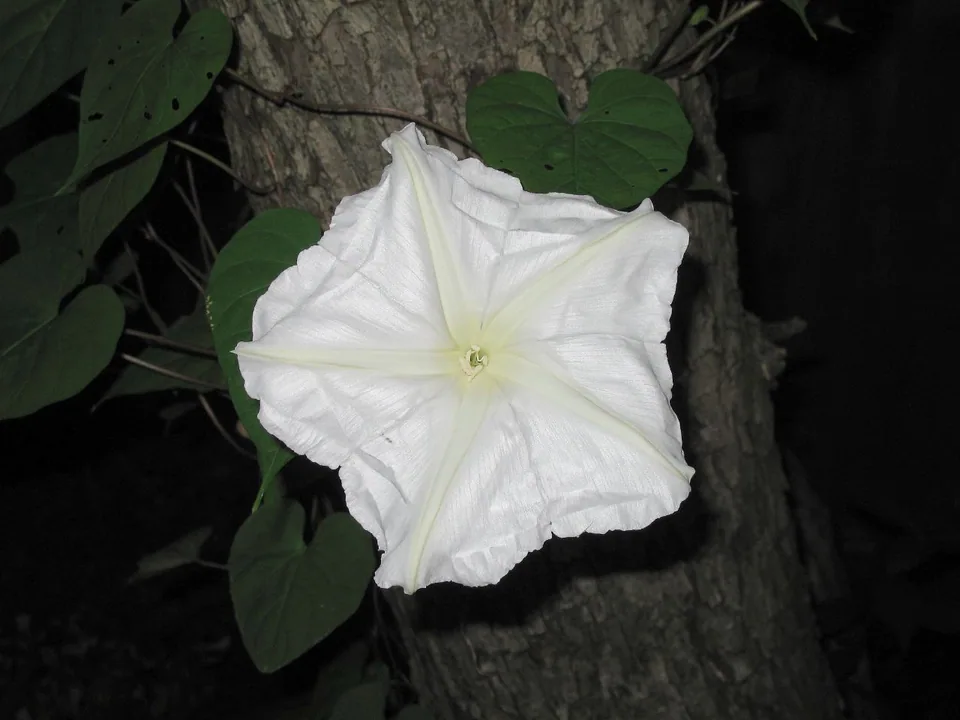
Ipomoea alba
Escrito por Emilio Marruso · última revisión
Tóxica para: Gatos, Perros, Caballos, Personas · Por qué
De un vistazo
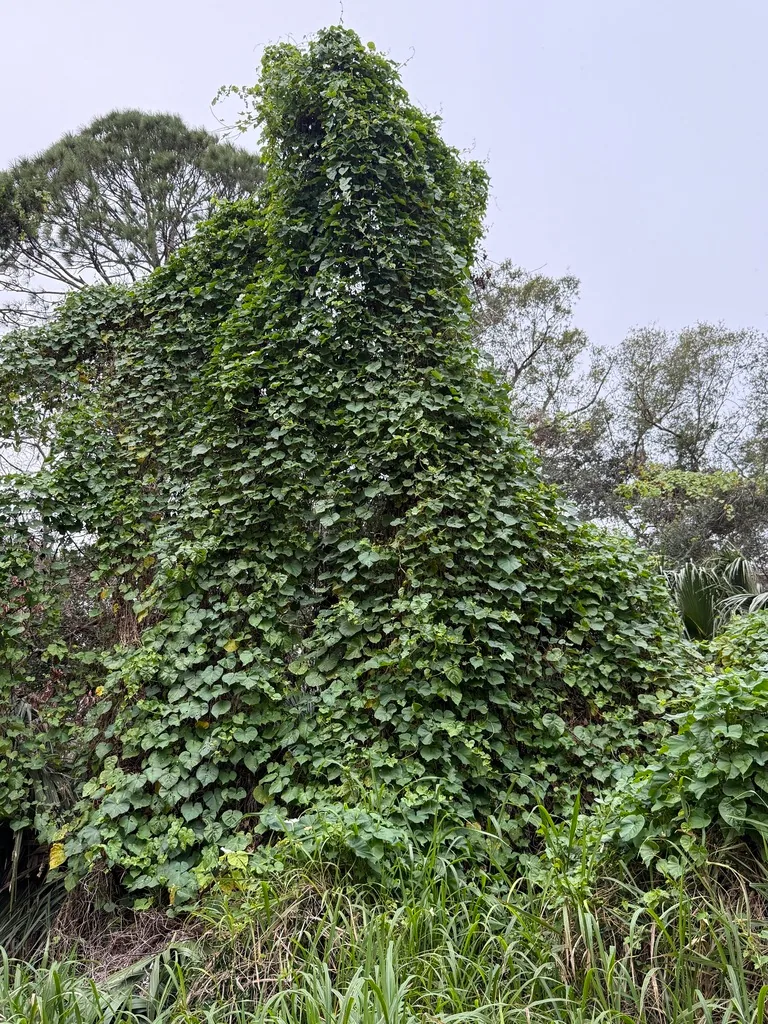
Esta trepadora perenne puede subir hasta 4,6 m y crece a gusto a pleno sol o en semisombra, incluso en maceta. Plántala 1–2 semanas después de la última helada, mantén la tierra húmeda pero bien drenada y te regalará su mejor floración. Guarda las semillas de las vainas maduras y podrás cultivarla otra vez.
- Sol
De pleno sol a semisombra
Qué dicen las fuentes (2)
Luz: Pleno sol a semisombra
Full sun (6 or more hours of direct sunlight a day) Soil Texture:
— Ipomoea alba (Moonflower, Moonvine, Tropical White Morning Glory) | North Carolina Extension Gardener Plant Toolbox [1] does best in full sun or partial shade with moist, well-drained soils.
— Moonflower – Gardening Solutions [3] - Riego
No dejes que se seque demasiado: florece mejor con la tierra húmeda
Qué dicen las fuentes (2)
Notas sobre el riego: Crece mejor en suelos húmedos y bien drenados; florece mejor siempre que no se seque demasiado
does best in full sun or partial shade with moist, well-drained soils.
— Moonflower – Gardening Solutions [3] The moonflower blooms best in late summer and early fall, provided it doesn’t get too dry.
— Moonflower [2] - Frío
Trepadora perenne que se cultiva como anual en climas más fríos
Qué dicen las fuentes (1)
Ciclo de vida: enredadera perenne, cultivada como anual en climas más fríos
Moonflower is a tender, low-maintenance, perennial vine grown as an annual in North Carolina.
— Ipomoea alba (Moonflower, Moonvine, Tropical White Morning Glory) | North Carolina Extension Gardener Plant Toolbox [1] - Suelo
Suelo húmedo y bien drenado
Qué dicen las fuentes (2)
Notas sobre el riego: Crece mejor en suelos húmedos y bien drenados; florece mejor siempre que no se seque demasiado
does best in full sun or partial shade with moist, well-drained soils.
— Moonflower – Gardening Solutions [3] The moonflower blooms best in late summer and early fall, provided it doesn’t get too dry.
— Moonflower [2] - Plantación
Planta 1–2 semanas después de la última helada o cuando la tierra se caliente en primavera
Qué dicen las fuentes (1)
Plantación: 1-2 semanas después de la última helada, o una vez que el suelo se calienta en primavera
then transfer the plants to their outside location 1-2 weeks after the last frost, or once the soil warms up in the spring.
— Moonflower – Gardening Solutions [3] - Tamaño
Hasta 4,6 m de alto y 0,9–1,8 m de ancho
Qué dicen las fuentes (4)
Altura adulta: hasta 457 cm (15 pies)
Moonflower can grow to 15 feet in height and 3 to 6 feet in width.
— Ipomoea alba (Moonflower, Moonvine, Tropical White Morning Glory) | North Carolina Extension Gardener Plant Toolbox [1] The vines usually grow up to 15 feet in height and 3 to 6 feet in width in a single season as an annual.
— Moonflower – Gardening Solutions [3] Anchura adulta: 91-183 cm (3 a 6 pies)
Moonflower can grow to 15 feet in height and 3 to 6 feet in width.
— Ipomoea alba (Moonflower, Moonvine, Tropical White Morning Glory) | North Carolina Extension Gardener Plant Toolbox [1] The vines usually grow up to 15 feet in height and 3 to 6 feet in width in a single season as an annual.
— Moonflower – Gardening Solutions [3] - Multiplicación
Por semilla o esquejes de tallo; seca las vainas maduras para sacar las semillas
Qué dicen las fuentes (2)
Propagación: Semilla, esqueje de tallo
Life Cycle: Annual Perennial Recommended Propagation Strategy: Seed Stem Cutting
— Ipomoea alba (Moonflower, Moonvine, Tropical White Morning Glory) | North Carolina Extension Gardener Plant Toolbox [1] Guardar semillas: Recoge las vainas de semillas maduras y sécalas al aire para extraer las semillas; guarda las semillas a temperatura ambiente en un recipiente de almacenamiento como un contenedor de plástico.
You can collect the mature seed pods and air dry them to remove the seeds for future use. It is recommended to keep the seeds at room temperature in a storage bin like a plastic container.
— Moonflower – Gardening Solutions [3] - Maceta
Crece también en maceta
Qué dicen las fuentes (2)
En maceta: Sí
but can also be grown in containers such as hanging baskets.
— Moonflower – Gardening Solutions [3] If you would like to overwinter the plant, then grow it in a large container
— Ipomoea alba (Moonflower, Moonvine, Tropical White Morning Glory) | North Carolina Extension Gardener Plant Toolbox [1] - Seguridad
Poco tóxica: puede provocar vómitos; peligrosa para gatos, perros y caballos
Resumen
La flor de la luna es una enredadera perenne tierna, de bajo mantenimiento, que se cultiva como anual en Carolina del Norte. [1] Se planta en suelo con buen drenaje a pleno sol y necesita un soporte como una cerca, un arco o un enrejado. [1] Se propaga por semilla, y cortar la cubierta de la semilla o remojar las semillas durante la noche en agua tibia ayuda a la germinación. [3]
Citado en inglés, como en la fuente.
Esta ficha está incompleta: las fuentes consultadas aún no cubren todos los campos.
Aún no cubierto por nuestras fuentes: Riego, Poda
Cuidados
Las medidas entre corchetes son nuestra conversión al otro sistema de unidades; el texto citado no cambia.
Riego
Riego
No figura en las fuentes consultadas.
Notas sobre el riego
Crece mejor en suelos húmedos y bien drenados; florece mejor siempre que no se seque demasiado
Luz
Pleno sol a semisombra
Qué dicen las fuentes (2)
Full sun (6 or more hours of direct sunlight a day)
Soil Texture:does best in full sun or partial shade with moist, well-drained soils.Clima y frío
Rusticidad, zona más fría
Las fuentes dan valores distintos según la región, la zona o las condiciones de cultivo.
Lo que dice cada fuente
Según NC State Extension: 10a [mínima invernal de −1,1 a 1,7 °C (de 30 a 35 °F)]
Según UF/IFAS Gardening Solutions: 9a [mínima invernal de −6,7 a −3,9 °C (de 20 a 25 °F)]
Qué dicen las fuentes (2)
Según NC State Extension: USDA Plant Hardiness Zone:
10a, 10b, 11a, 11b, 12a, 12bSegún UF/IFAS Gardening Solutions: The plant is suitable to grow in USDA Zones 11, 10A, 10B, 9A, and 9BRusticidad, zona más cálida
Las fuentes dan valores distintos según la región, la zona o las condiciones de cultivo.
Lo que dice cada fuente
Según NC State Extension: 12b [mínima invernal de 12,8 a 15,6 °C (de 55 a 60 °F)]
Según UF/IFAS Gardening Solutions: 11 [mínima invernal de 4,4 a 10 °C (de 40 a 50 °F)]
Qué dicen las fuentes (2)
Según NC State Extension: USDA Plant Hardiness Zone:
10a, 10b, 11a, 11b, 12a, 12bSegún UF/IFAS Gardening Solutions: The plant is suitable to grow in USDA Zones 11, 10A, 10B, 9A, and 9BDónde cultivarla
Sí
Qué dicen las fuentes (2)
but can also be grown in containers such as hanging baskets.If you would like to overwinter the plant, then grow it in a large containerPropagación
Semilla, esqueje de tallo
Qué dicen las fuentes (1)
Life Cycle:
Annual
Perennial
Recommended Propagation Strategy:
Seed
Stem CuttingCultivo
La planta
Ciclo de vida
enredadera perenne, cultivada como anual en climas más fríos
Qué dicen las fuentes (1)
Moonflower is a tender, low-maintenance, perennial vine grown as an annual in North Carolina.Familia
Convolvulaceae
Qué dicen las fuentes (1)
It is a member of the morning glory family (Convolvulaceae).Altura adulta
hasta 457 cm (15 pies)
Qué dicen las fuentes (2)
Moonflower can grow to 15 feet in height and 3 to 6 feet in width.The vines usually grow up to 15 feet in height and 3 to 6 feet in width in a single season as an annual.Anchura adulta
91-183 cm (3 a 6 pies)
Qué dicen las fuentes (2)
Moonflower can grow to 15 feet in height and 3 to 6 feet in width.The vines usually grow up to 15 feet in height and 3 to 6 feet in width in a single season as an annual.Cosecha y conservación
Guardar semillas
Recoge las vainas de semillas maduras y sécalas al aire para extraer las semillas; guarda las semillas a temperatura ambiente en un recipiente de almacenamiento como un contenedor de plástico.
Qué dicen las fuentes (1)
You can collect the mature seed pods and air dry them to remove the seeds for future use. It is recommended to keep the seeds at room temperature in a storage bin like a plastic container.Remedios
Cada remedio indica qué dicen las fuentes oficiales; los remedios tradicionales sin fuente oficial aparecen marcados. Los perjudiciales están para que sepas evitarlos.
Cuidar la planta
pulgones
chorro fuerte de agua No verificado
Remedio tradicional, no verificado por una fuente oficial.
Cómo: Rocía la planta con un chorro fuerte de agua de la manguera de jardín para desalojar los pulgones.
spray de jabón insecticida Funciona
it’s essential to follow the product instructions carefully and apply them in the evening to avoid harming beneficial insects
— svzoo.org [4] Cómo: Rocía con jabón insecticida, siguiendo las instrucciones del producto y aplicando por la tarde.
Insecticidal soaps and neem oil are effective organic options for controlling aphids
— svzoo.org [4] Qué dicen las pruebas insecticidal soap is a safe, effective organic insecticide with minimal environmental impact.
— extension.psu.edu [5] spray de aceite de neem Funciona en parte
it’s essential to follow the product instructions carefully and apply them in the evening to avoid harming beneficial insects
— svzoo.org [4] Cómo: Rocía con aceite de neem, siguiendo las instrucciones del producto y aplicándolo por la tarde.
Insecticidal soaps and neem oil are effective organic options for controlling aphids
— svzoo.org [4] Qué dicen las pruebas However, neem oil is not effective against every insect and disease, and often must be frequently reapplied to reach the desired outcome.
— extension.unh.edu [6]
orugas
Recolección manual de orugas. Funciona
Outdoors, some larvae may be part of the plant’s pollinator relationships, so identify them before deciding on control.
— houseplantcentral.com [7] Cómo: Algunas orugas pueden recogerse a mano de la planta y reubicarse.
Some caterpillars can be handpicked from the plant and relocated.
— svzoo.org [4] Qué dicen las pruebas Many insect and disease issues can be solved in the home garden by hand-picking insects or clipping and disposing of diseased plant parts.
— extension.unh.edu [6]
ácaros araña
rociando el follaje con agua No verificado
Remedio tradicional, no verificado por una fuente oficial.
Cómo: Rocía regularmente el follaje con agua para aumentar la humedad alrededor de la planta.
Venenosa para los animales
Según la fuente, citada textualmente. No es un consejo médico ni veterinario: si una persona o un animal pudo haber ingerido esta planta, contacta con un centro de toxicología o con un veterinario.
Animales
Problems: Problem for Cats Problem for Dogs Problem for Horses
[1]La fuente señala el riesgo para este animal pero no explica por qué.
Personas
Poison Severity: Low Poison Symptoms: Vomiting, large amounts of seeds may cause hallucinations
[1]- Partes venenosas
Poison Toxic Principle: Indole alkaloids (Lysergic acid, lysergamide, elymoclavine and chanoclavine) Causes Contact Dermatitis: No Poison Part: Seeds
[1]- Principio tóxico
Poison Symptoms: Vomiting, large amounts of seeds may cause hallucinations Poison Toxic Principle: Indole alkaloids (Lysergic acid, lysergamide, elymoclavine and chanoclavine)
[1]- Síntomas
Vomiting, large amounts of seeds may cause hallucinations
[1]- Gravedad
Poison Severity: Low Poison Symptoms: Vomiting, large amounts of seeds may cause hallucinations
[1]
Calendario
Siembra
Las fuentes dan valores distintos según la región, la zona o las condiciones de cultivo.
Lo que dice cada fuente
En interiores, fuente: NC State Extension: 4 a 6 semanas antes de la última helada de primavera
En interiores, fuente: UF/IFAS Gardening Solutions: 6-8 semanas antes de la última helada de primavera
Siembra directa al aire libre, fuente: UF/IFAS Gardening Solutions: Después de la última helada
Al aire libre, fuente: University of Arkansas Extension: Una vez que la temperatura del suelo haya superado los 65 grados Fahrenheit [18 °C]
Qué dicen las fuentes (7)
En interiores, fuente: NC State Extension: Start 4 to 6 weeks before the last spring frost by soaking seeds overnight in warm waterEn interiores, fuente: UF/IFAS Gardening Solutions: start the seed indoors about 6-8 weeks before the last spring frost dateSiembra directa al aire libre, fuente: UF/IFAS Gardening Solutions: You can also plant the seeds directly in the ground after the last frost instead of starting inside, but flower blooms will be delayed to later in the summer.Al aire libre, fuente: University of Arkansas Extension: don’t plant until the soil temperature
has warmed above 65 degrees Fahrenheit.Start 4 to 6 weeks before the last spring frost by soaking seeds overnight in warm waterstart the seed indoors about 6-8 weeks before the last spring frost datedon’t plant until the soil temperature
has warmed above 65 degrees Fahrenheit.Plantación
1-2 semanas después de la última helada, o una vez que el suelo se calienta en primavera
Qué dicen las fuentes (1)
then transfer the plants to their outside location 1-2 weeks after the last frost, or once the soil warms up in the spring.Poda
No figura en las fuentes consultadas.
Meses tal como los dan las fuentes, en su mayoría de Estados Unidos (hemisferio norte). En el hemisferio sur se desplazan unos seis meses.
Respecto a las heladas
Estimación menos precisa: no hay ninguna estación meteorológica a menos de 300 km.
Busca las fechas de heladas por código postal o ciudad
Siembra en interior: de 4 a 6 semanas antes de la última helada
Start 4 to 6 weeks before the last spring frost by soaking seeds overnight in warm water or nick with a file to break the seed coat.
— Ipomoea alba (Moonflower, Moonvine, Tropical White Morning Glory) | North Carolina Extension Gardener Plant Toolbox [1] Siembra en interior: de 6 a 8 semanas antes de la última helada
start the seed indoors about 6-8 weeks before the last spring frost date, then transfer the plants to their outside location 1-2 weeks after the last frost
— Moonflower – Gardening Solutions [3] Trasplante: de 1 a 2 semanas después de la última helada
start the seed indoors about 6-8 weeks before the last spring frost date, then transfer the plants to their outside location 1-2 weeks after the last frost
— Moonflower – Gardening Solutions [3] Siembra al aire libre: hacia la última helada
You can also plant the seeds directly in the ground after the last frost instead of starting inside
— Moonflower – Gardening Solutions [3]
Cuenta desde las fechas medias de las heladas de tu zona.
Valores orientativos
Valores de una fuente secundaria, no comprobados palabra por palabra como el resto de esta página. Úselos como punto de partida.
- Horas de sol
- 6-7 horasValor orientativo, adáptalo a tu clima · Fuente secundaria
- Riego
- PromedioValor orientativo, adáptalo a tu clima · Fuente secundaria
- pH del suelo
- 6-7.5Valor orientativo, adáptalo a tu clima · Fuente secundaria
- Nivel de cuidado
- MedioValor orientativo, adáptalo a tu clima · Fuente secundaria
- Crecimiento
- AltaValor orientativo, adáptalo a tu clima · Fuente secundaria
- Poda
- Febrero, marzo, abril, marzo, abril, mayo, junio, julio, agosto, septiembreValor orientativo, adáptalo a tu clima · Fuente secundaria
Plantas similares
- Beach Morning-glory Ipomoea imperati
- Gloria de la mañana Ipomoea purpurea
- Cundeamor Ipomoea quamoclit
- Morning Glory Ipomoea sagittata
- Morning Glory Ipomoea tricolor
- Campanita morada Ipomoea indica
- Scarlet Creeper Ipomoea coccinea
- Bandera de fuego Ipomoea lobata
Fuentes
Cada valor anterior se cita de estos documentos. Los enlaces llevan al editor original.
- Ipomoea alba (Moonflower, Moonvine, Tropical White Morning Glory) | North Carolina Extension Gardener Plant Toolbox · plants.ces.ncsu.edu, consultado
- Moonflower · uaex.uada.edu, consultado
- Moonflower – Gardening Solutions · gardeningsolutions.ifas.ufl.edu, consultado
- svzoo.org · svzoo.org
- extension.psu.edu · extension.psu.edu
- extension.unh.edu · extension.unh.edu
- houseplantcentral.com · houseplantcentral.com
Escrito por Emilio Marruso · última revisión