
Cómo cultivar y cuidar Campanita morada
Ipomoea indica
Escrito por Emilio Marruso · última revisión
Tóxica para: Caballos, Ganado vacuno, Ovejas, Cabras, Personas · Por qué
De un vistazo
Esta enredadera perenne es fácil de querer: dale sol pleno, mucha agua y una tierra húmeda, rica y con buen drenaje, y crecerá con muchísimo entusiasmo. Plántala en primavera, cuando ya no haya riesgo de heladas, y consigue plantas nuevas fácilmente con esquejes de tallo. Eso sí, mantenla a raya, porque sus tallos pueden cubrir todo lo que tenga cerca.
- Sol
Sol pleno
Qué dicen las fuentes (1)
Luz: Pleno sol
Plant Care and Propagation | Light Preference | Full Sun | Water Preference | Lots of Water
— NParks | Ipomoea indica [1] - Riego
Mucha agua; también aguanta épocas húmedas o secas
Qué dicen las fuentes (4)
Riego: Mucha agua
Plant Care and Propagation | Light Preference | Full Sun | Water Preference | Lots of Water | Propagation Method | Stem Cutting
— NParks | Ipomoea indica [1] Notas sobre el riego: Crece mejor en suelos húmedos y ricos en nutrientes; tolera condiciones de húmedas a secas; planta en suelo bien drenado
It tolerates a wide variety of soil types though it grows best in moist nutrient-rich soils. It does not grow in temperatures below 7ºC.
— NSW WeedWise [4] This species inhabits wetter tropical, sub-tropical and temperate regions and tolerates hot to cool temperatures, and damp to dry conditions.
— Purple Morning Glory, Blue Morning Glory, Blue Dawnflower, Dunny Creeper, Lear’s Morning Glory, Morning Glory - Weeds Australia [5] Nurseries stock perennial morning glories in pots and sell seeds of annuals. Plant in well-drained soil after all danger of frost has passed.
— How to Use Morning Glory Vines – Sunset Magazine [6] - Suelo
Suelo húmedo, rico en nutrientes y con buen drenaje
Qué dicen las fuentes (3)
Notas sobre el riego: Crece mejor en suelos húmedos y ricos en nutrientes; tolera condiciones de húmedas a secas; planta en suelo bien drenado
It tolerates a wide variety of soil types though it grows best in moist nutrient-rich soils. It does not grow in temperatures below 7ºC.
— NSW WeedWise [4] This species inhabits wetter tropical, sub-tropical and temperate regions and tolerates hot to cool temperatures, and damp to dry conditions.
— Purple Morning Glory, Blue Morning Glory, Blue Dawnflower, Dunny Creeper, Lear’s Morning Glory, Morning Glory - Weeds Australia [5] Nurseries stock perennial morning glories in pots and sell seeds of annuals. Plant in well-drained soil after all danger of frost has passed.
— How to Use Morning Glory Vines – Sunset Magazine [6] - Plantación
Planta en primavera, cuando ya no haya ningún riesgo de heladas
Qué dicen las fuentes (1)
Plantación: Primavera, después de que haya pasado todo peligro de heladas
No matter which variety you choose, spring is the perfect time to plant. Nurseries stock perennial morning glories in pots and sell seeds of annuals. Plant in well-drained soil after all danger of frost has passed.
— How to Use Morning Glory Vines – Sunset Magazine [6] - Poda
En climas cálidos, recórtala a 91 cm en enero
Qué dicen las fuentes (2)
Poda: Enero (poda a 3 pies [91 cm])
cultivadores cerca de San Diego (Sunset Magazine): To keep the vines in check, the Loziers prune them to 3 feet tall each January.
— How to Use Morning Glory Vines – Sunset Magazine [6] To keep the vines in check, the Loziers prune them to 3 feet tall each January.
— How to Use Morning Glory Vines – Sunset Magazine [6] - Atención
Invasora: ahoga la vegetación cercana; arranca tallos, cepa y raíces y sácalos del jardín
- Multiplicación
Por esquejes de tallo o semillas; los tallos echan raíces donde tocan la tierra
Qué dicen las fuentes (3)
Propagación: Esquejes de tallo; semillas o plantas jóvenes; los tallos enraízan en los nudos al contacto con el suelo
| Water Preference | Lots of Water | Propagation Method | Stem Cutting ## Foliar
— NParks | Ipomoea indica [1] I. indica blooms in one year from seed, but you can also start with young plants.
— How to Use Morning Glory Vines – Sunset Magazine [6] However, the plant is capable of vegetative propagation by producing new roots from the nodes on stems that contact the soil (Land Protection 2006).
— Purple Morning Glory, Blue Morning Glory, Blue Dawnflower, Dunny Creeper, Lear’s Morning Glory, Morning Glory - Weeds Australia [5] - Seguridad
Semillas tóxicas: náuseas y problemas de visión; algo tóxica para caballos y ganado
Resumen
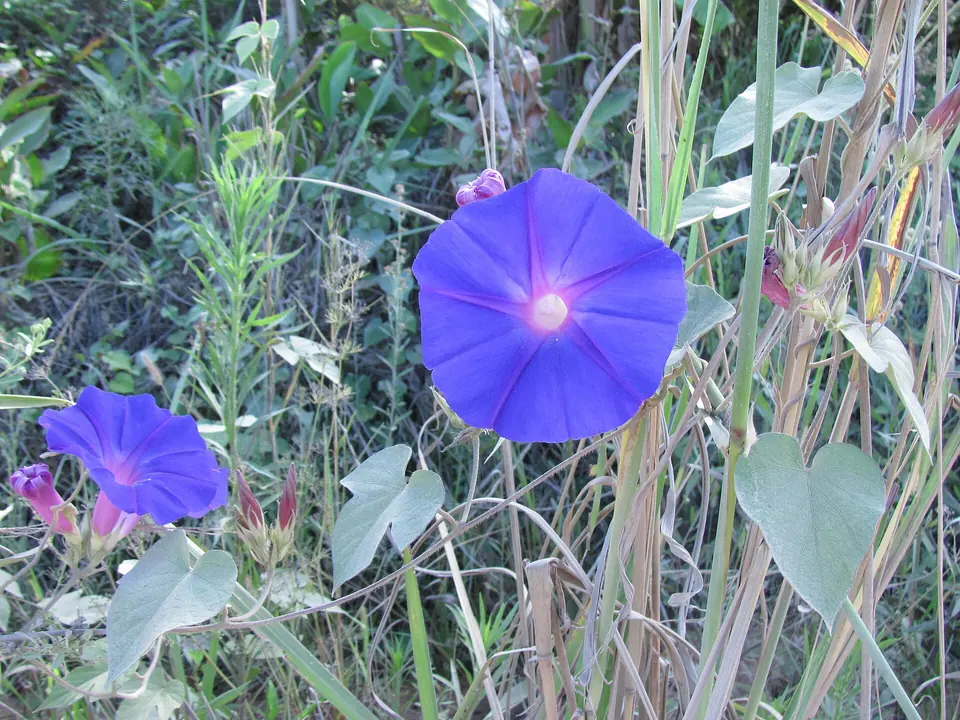
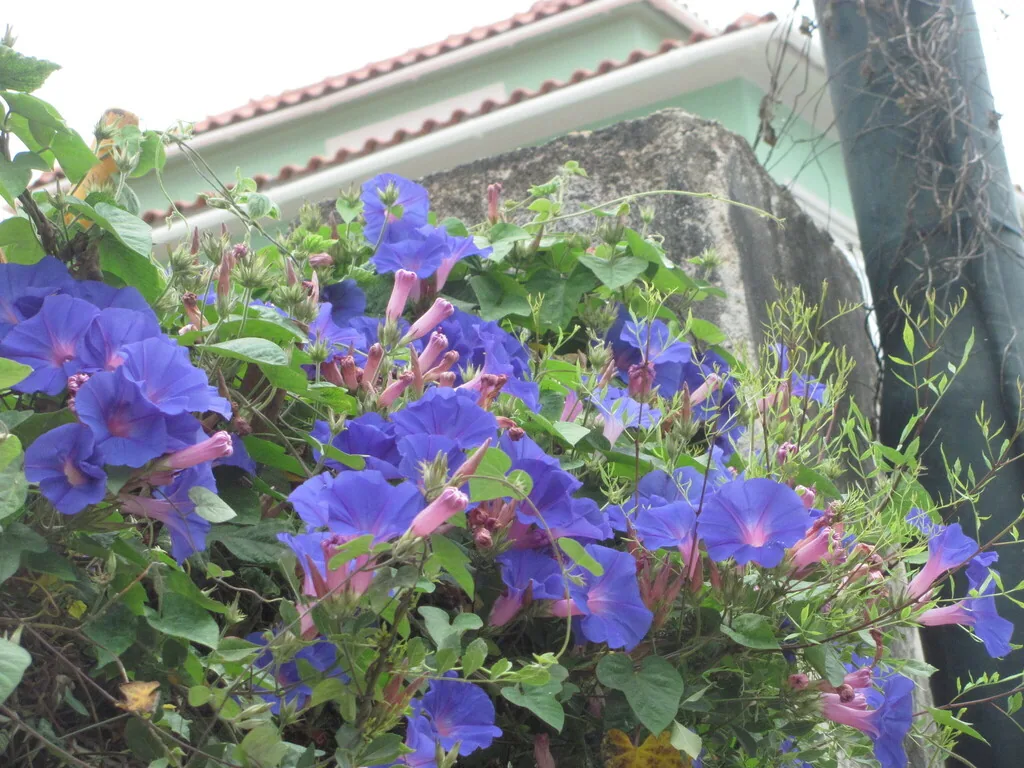
Ipomoea indica es una trepadora perenne vigorosa con flores en forma de embudo de color azul a púrpura, que alcanza hasta 15 m [49,2 ft]. [5][1] Ampliamente cultivada como ornamental, se ha naturalizado en muchas zonas costeras y está catalogada como especie exótica invasora en España. [5][3] Se propaga principalmente por tallos que enraízan en los nudos, por lo que los tallos cortados deben retirarse del sitio. [5]
Citado en inglés, como en la fuente.
Esta ficha está incompleta: las fuentes consultadas aún no cubren todos los campos.
Aún no cubierto por nuestras fuentes: Rusticidad, zona más fría, Rusticidad, zona más cálida
Cuidados
Las medidas entre corchetes son nuestra conversión al otro sistema de unidades; el texto citado no cambia.
Riego
Riego
Mucha agua
Qué dicen las fuentes (1)
Plant Care and Propagation
| Light Preference
| Full Sun
| Water Preference
| Lots of Water
| Propagation Method
| Stem CuttingNotas sobre el riego
Crece mejor en suelos húmedos y ricos en nutrientes; tolera condiciones de húmedas a secas; planta en suelo bien drenado
Qué dicen las fuentes (3)
It tolerates a wide variety of soil types though it grows best in moist nutrient-rich soils. It does not grow in temperatures below 7ºC.This species inhabits wetter tropical, sub-tropical and temperate regions and tolerates hot to cool temperatures, and damp to dry conditions.Nurseries stock perennial morning glories in pots and sell seeds of annuals. Plant in well-drained soil after all danger of frost has passed.Luz
Pleno sol
Qué dicen las fuentes (1)
Plant Care and Propagation
| Light Preference
| Full Sun
| Water Preference
| Lots of WaterClima y frío
Rusticidad, zona más fría
No figura en las fuentes consultadas.
Rusticidad, zona más cálida
No figura en las fuentes consultadas.
Propagación
Esquejes de tallo; semillas o plantas jóvenes; los tallos enraízan en los nudos al contacto con el suelo
Qué dicen las fuentes (3)
| Water Preference
| Lots of Water
| Propagation Method
| Stem Cutting
## FoliarI. indica blooms in one year from seed, but you can also start with young plants.However, the plant is capable of vegetative propagation by producing new roots from the nodes on stems that contact the soil (Land Protection 2006).Cultivo
La planta
Ciclo de vida
perenne
Qué dicen las fuentes (1)
Descripción del hábitat y biología de la especie Planta perenne lianoide. Tallos volubles. Hojas alternas, pecioladasFamilia
Convolvulaceae
Qué dicen las fuentes (2)
Orden: Solanales Familia: Convolvulaceae Observaciones taxonómicas Ipomoea indica ha recibido una veintena de nombres científicosFamily: CONVOLVULACEAE Genus: Ipomoea Catalan common name: Campanetes de jardí.Problemas
Propagación invasiva
Síntoma: Las enredaderas sofocan la vegetación y las estructuras circundantes; los fragmentos de tallo enraízan y forman plantas nuevas
Qué hacer: Retira tallos, corona y raíces y deséchalos fuera del sitio; cubre con mantillo abundante para desalentar el rebrote
Qué dicen las fuentes (1)
Non-chemical control : Purple Morning Glory can be manually removed by pulling up the roots and mulching heavily to discourage regrowth (Land Protection 2006).
— Purple Morning Glory, Blue Morning Glory, Blue Dawnflower, Dunny Creeper, Lear’s Morning Glory, Morning Glory - Weeds Australia [5]
Remedios
Cada remedio indica qué dicen las fuentes oficiales; los remedios tradicionales sin fuente oficial aparecen marcados. Los perjudiciales están para que sepas evitarlos.
Primeros auxilios
Primeros auxilios: no sustituyen al médico
ingestión
Retira los trozos de plantas de la boca y enjuaga. Fuente oficial, sin prueba independiente
Call the NSW Poisons Information Centre on 13 11 26 for immediate support. They will give you information about any first aid you need to do and tell you which emergency department to go to.
— schn.health.nsw.gov.au [7] Cómo: Retira los trozos de la planta de la boca y luego enjuaga con agua.
flushing the eyes with clean, running water for 10-15 minutes - removing plant pieces from your child's mouth, then rinsing with water.
— schn.health.nsw.gov.au [7]
Cómo eliminarla
propagación invasiva
Arranca las raíces y aplica un acolchado pesado Funciona
care should be taken to remove the stem, crown and roots as it can regrow from them if left in the ground.
— Purple Morning Glory, Blue Morning Glory, Blue Dawnflower, Dunny Creeper, Lear’s Morning Glory, Morning Glory - Weeds Australia [5] Cómo: Arranca las raíces y cubre con una capa gruesa de mantillo para desalentar el rebrote, quitando el tallo, la corona y las raíces; desecha las raíces y los tallos fuera del sitio.
Purple Morning Glory can be manually removed by pulling up the roots and mulching heavily to discourage regrowth (Land Protection 2006).
— Purple Morning Glory, Blue Morning Glory, Blue Dawnflower, Dunny Creeper, Lear’s Morning Glory, Morning Glory - Weeds Australia [5] Qué dicen las pruebas Physical control - Hand-pull roots. - Mulch heavily to prevent regrowth.
— business.qld.gov.au [8] Corta los tallos trepadores y desentierra las raíces. Fuente oficial, sin prueba independiente
Take care to ensure your own and others safety when trimming or lopping blue morning glory near power lines.
— business.qld.gov.au [8] Cómo: Corta los tallos trepadores y déjalos colgando para que se marchiten y mueran, sin que los tallos cortados toquen el suelo; desentierra las raíces con cuidado, ya que rebrotan a partir de las partes que quedan en el suelo.
Climbing stems can be cut and left hanging to wither and die. Make sure no cut stems have contact with the soil. Dig out the roots carefully as they will regrow from parts left in the ground.
— NSW WeedWise [4] eliminación de las partes cortadas de la planta No verificado
Remedio tradicional, no verificado por una fuente oficial.
Cómo: Desecha todas las partes (excepto las vides que se dejan morir en los árboles): composta en una bolsa de compost para malezas o llévalas al residuo verde o al vertedero.
Venenosa para los animales
Según la fuente, citada textualmente. No es un consejo médico ni veterinario: si una persona o un animal pudo haber ingerido esta planta, contacta con un centro de toxicología o con un veterinario.
Animales
Purple morning glory may contain calystegines which are mildly poisonous to horses, cattle, sheep and goats.
[4]- Principio tóxico
Purple morning glory may contain calystegines which are mildly poisonous to horses, cattle, sheep and goats.
[4]
Personas
The seeds are poisonous to humans and can cause nausea and temporary vision problems. However, plants rarely produce seeds in Australia.
[4]- Partes venenosas
The seeds are poisonous to humans and can cause nausea and temporary vision problems. However, plants rarely produce seeds in Australia.
[4]- Síntomas
Purple morning glory is toxic to humans, causing discomfort and irritation but is not life-threatening. The seeds are poisonous if ingested, causing visual distortion, restlessness and nausea.
[5]- Gravedad
Purple morning glory is toxic to humans, causing discomfort and irritation but is not life-threatening.
[5]
Calendario
Primavera, después de que haya pasado todo peligro de heladas
Qué dicen las fuentes (1)
No matter which variety you choose, spring is the perfect time to plant. Nurseries stock perennial morning glories in pots and sell seeds of annuals. Plant in well-drained soil after all danger of frost has passed.Enero (poda a 3 pies [91 cm])
Lo que dice cada fuente
cultivadores cerca de San Diego (Sunset Magazine): Enero (poda hasta 91.4 cm (3 pies))
Qué dicen las fuentes (2)
cultivadores cerca de San Diego (Sunset Magazine): To keep the vines in check, the Loziers prune them to 3 feet tall each January.To keep the vines in check, the Loziers prune them to 3 feet tall each January.Meses tal como los dan las fuentes, en su mayoría de Estados Unidos (hemisferio norte). En el hemisferio sur se desplazan unos seis meses.
Plantas similares
- Beach Morning-glory Ipomoea imperati
- Gloria de la mañana Ipomoea purpurea
- Cundeamor Ipomoea quamoclit
- Quiebra-cajete Ipomoea alba
- Morning Glory Ipomoea sagittata
- Morning Glory Ipomoea tricolor
- Scarlet Creeper Ipomoea coccinea
- Bandera de fuego Ipomoea lobata
Fuentes
Cada valor anterior se cita de estos documentos. Los enlaces llevan al editor original.
- NParks | Ipomoea indica · nparks.gov.sg, consultado
- Ipomoea indica (Burm.) Merr. - Herbari Virtual del Mediterrani Occidental · herbarivirtual.uib.cat, consultado
- CATÁLOGO ESPAÑOL DE ESPECIES EXÓTICAS · miteco.gob.es, consultado
- NSW WeedWise · weeds.dpi.nsw.gov.au, consultado
- Purple Morning Glory, Blue Morning Glory, Blue Dawnflower, Dunny Creeper, Lear’s Morning Glory, Morning Glory - Weeds Australia · weeds.org.au, consultado
- How to Use Morning Glory Vines – Sunset Magazine · sunset.com, consultado
- schn.health.nsw.gov.au · schn.health.nsw.gov.au
- business.qld.gov.au · business.qld.gov.au
Escrito por Emilio Marruso · última revisión