
Cómo cultivar y cuidar Fuki
Petasites japonicus
Escrito por Emilio Marruso · última revisión
Tóxica para: Personas · Por qué
De un vistazo
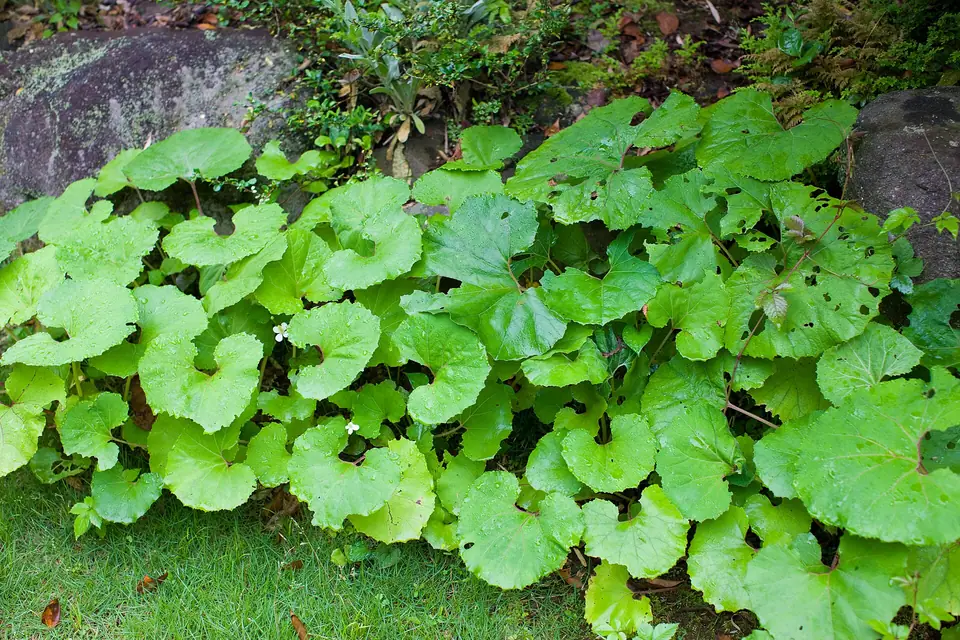
Dale a esta planta un rincón húmedo y resguardado y te lo devolverá con hojas gigantes. Le encanta una tierra rica en humus que se mantenga húmeda, nunca encharcada, y en Japón sus tallos de las hojas se cocinan como verdura. Planta las divisiones en maceta a finales de primavera o principios de verano, en una hondonada húmeda rodeada de suelo seco, para que se quede donde tú quieres.
- Riego
Mantén la tierra siempre húmeda, pero nunca encharcada
Qué dicen las fuentes (1)
Riego: Suelo permanentemente húmedo pero no estancado.
but prefers a deep fertile humus-rich soil that is permanently moist but not stagnant, succeeding in shade, semi-shade or full sun
— Petasites japonicus - Useful Temperate Plants [1] - Suelo
Tierra húmeda y rica en humus, en un sitio resguardado del viento, que rompe sus hojas gigantes
Qué dicen las fuentes (1)
Notas sobre el riego: Crece en suelo húmedo y rico en humus, en un lugar con semisombra.
Bog rhubarb likes moist, humous soil and a sheltered spot, otherwise the giant leaves get torn by the wind.
— Petasites japonicus - bog rhubarb / fuki / sweet coltsfoot / giant butterbur | Arboretum Mustila [3] - Plantación
Plántulas en verano; divisiones en maceta a finales de primavera o principios de verano
Qué dicen las fuentes (3)
Plantación: Plántulas: verano; divisiones en maceta: finales de primavera o principios de verano
Plántulas: prick the seedlings out into individual pots and plant them out in the summer.
— Petasites japonicus - Useful Temperate Plants [1] Divisiones en maceta: We have found that it is better to pot up the smaller divisions and grow them on in light shade in a cold frame until they are well established before planting them out in late spring or early summer.
— Petasites japonicus - Useful Temperate Plants [1] prick the seedlings out into individual pots and plant them out in the summer.
— Petasites japonicus - Useful Temperate Plants [1] - Cosecha
En Japón los tallos de las hojas se cocinan como el ruibarbo; también los botones florales y tallos tiernos
- Atención
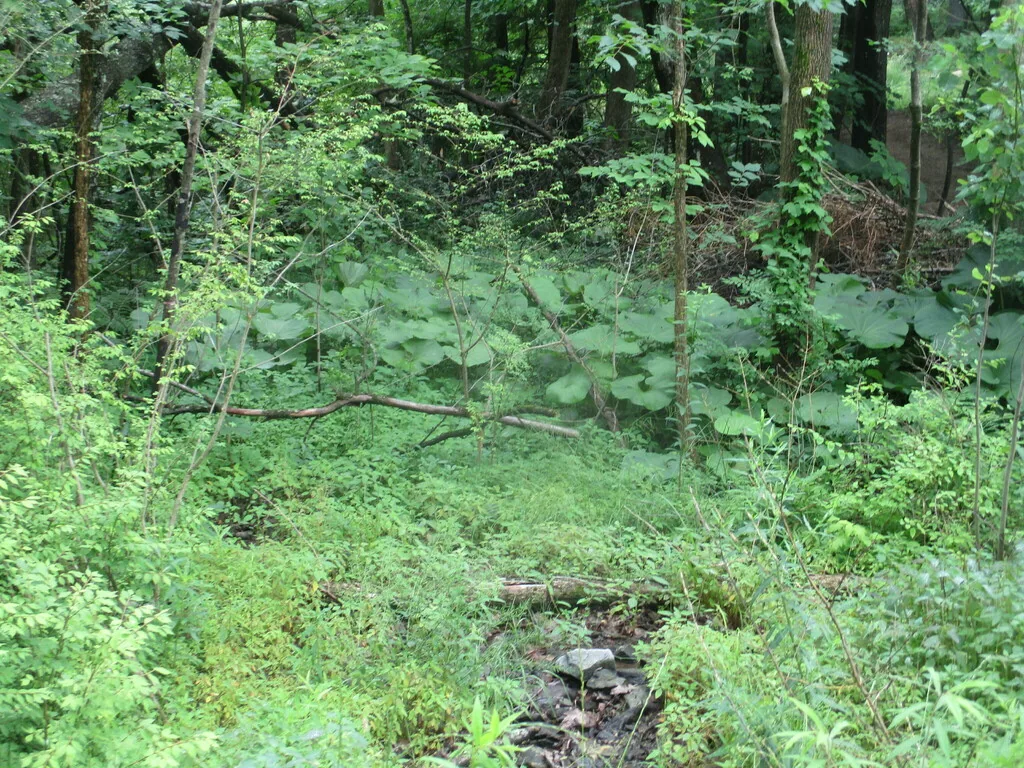
Se extiende con tallos subterráneos y cuesta mucho eliminarla; plántala en una hondonada húmeda con suelo seco alrededor
- Multiplicación
Por división de la planta o por semilla
Qué dicen las fuentes (3)
Propagación: División; semilla
Division succeeds at almost any time of the year. Very easy, larger divisions can be planted out direct into their permanent positions.
— Petasites japonicus - Useful Temperate Plants [1] Seed - we have no information on this species but suggest sowing the seed in a cold frame as soon as it is ripe or in early spring.
— Petasites japonicus - Useful Temperate Plants [1] Vegetative propagation is the only way of growing it in Finland.
— Petasites japonicus - bog rhubarb / fuki / sweet coltsfoot / giant butterbur | Arboretum Mustila [3] - Seguridad
Se han encontrado sustancias dañinas en esta planta: no se recomienda comerla
Resumen
El fuki es una herbácea perenne vigorosa, de rizomas extendidos, que a veces se cultiva como ornamental. [1][2] Prefiere suelo permanentemente húmedo y rico en humus, y es muy difícil de erradicar una vez establecida. [1][3] En Japón los tallos de las hojas se comen como verdura. [2]
Citado en inglés, como en la fuente.
Esta ficha está incompleta: las fuentes consultadas aún no cubren todos los campos.
Aún no cubierto por nuestras fuentes: Luz, Rusticidad, zona más fría, Rusticidad, zona más cálida, Poda
Cuidados
Riego
Riego
Suelo permanentemente húmedo pero no estancado.
Qué dicen las fuentes (1)
but prefers a deep fertile humus-rich soil that is permanently moist but not stagnant, succeeding in shade, semi-shade or full sunNotas sobre el riego
Crece en suelo húmedo y rico en humus, en un lugar con semisombra.
Qué dicen las fuentes (1)
Bog rhubarb likes moist, humous soil and a sheltered spot, otherwise the giant leaves get torn by the wind.Luz
No figura en las fuentes consultadas.
Clima y frío
Rusticidad, zona más fría
No figura en las fuentes consultadas.
Rusticidad, zona más cálida
No figura en las fuentes consultadas.
Propagación
División; semilla
Qué dicen las fuentes (3)
Division succeeds at almost any time of the year. Very easy, larger divisions can be planted out direct into their permanent positions.Seed - we have no information on this species but suggest sowing the seed in a cold frame as soon as it is ripe or in early spring.Vegetative propagation is the only way of growing it in Finland.Problemas
Propagación agresiva
Síntoma: Los rizomas se extienden con el tiempo y son muy difíciles de erradicar
Qué hacer: Planta en una hondonada húmeda donde los alrededores estén secos para evitar que se extienda
Qué dicen las fuentes (2)
Think twice before planting bog rhubarb, because it is extremely difficult to get rid of!
— Petasites japonicus - bog rhubarb / fuki / sweet coltsfoot / giant butterbur | Arboretum Mustila [3] At Mustila we have stopped it spreading by planting it in a damp hollow at the top of the Azalea Slope: it does not try to spread because the surroundings are too dry.
— Petasites japonicus - bog rhubarb / fuki / sweet coltsfoot / giant butterbur | Arboretum Mustila [3] Daño por viento en las hojas
Síntoma: Las hojas gigantes se rasgan con el viento
Qué hacer: Planta en un lugar resguardado
Qué dicen las fuentes (1)
Bog rhubarb likes moist, humous soil and a sheltered spot, otherwise the giant leaves get torn by the wind.
— Petasites japonicus - bog rhubarb / fuki / sweet coltsfoot / giant butterbur | Arboretum Mustila [3]
Remedios
Cada remedio indica qué dicen las fuentes oficiales; los remedios tradicionales sin fuente oficial aparecen marcados. Los perjudiciales están para que sepas evitarlos.
Cómo eliminarla
rizomas invasores que se extienden
Desentierra los rizomas. Funciona en parte
Cómo: Excava la planta; se propaga por rizomas subterráneos y el experto no conoce otra forma orgánica de eliminarla.
Digging it out is the only organic way I know of.
— ask.extension.org [6] Qué dicen las pruebas Digging it out is the only organic way I know of.
— ask.extension.org [6] lona negra No verificado
Remedio tradicional, no verificado por una fuente oficial.
Cómo: Cubre la zona infestada con una lona que excluya la luz; en el jardín del autor no quedó ningún rizoma vivo después de 18 meses.
Toxicidad
Según la fuente, citada textualmente. No es un consejo médico ni veterinario: si una persona o un animal pudo haber ingerido esta planta, contacta con un centro de toxicología o con un veterinario.
Calendario
Plantación
Plántulas: verano; divisiones en maceta: finales de primavera o principios de verano
Lo que dice cada fuente
Plántulas: Verano
Divisiones en maceta: Finales de primavera o principios de verano
Qué dicen las fuentes (3)
Plántulas: prick the seedlings out into individual pots and plant them out in the summer.Divisiones en maceta: We have found that it is better to pot up the smaller divisions and grow them on in light shade in a cold frame until they are well established before planting them out in late spring or early summer.prick the seedlings out into individual pots and plant them out in the summer.Poda
No figura en las fuentes consultadas.
Meses tal como los dan las fuentes, en su mayoría de Estados Unidos (hemisferio norte). En el hemisferio sur se desplazan unos seis meses.
Comestibilidad
Según la fuente, citada textualmente. No comas una planta basándote solo en esta página: los errores de identificación pueden ser peligrosos.
Valores orientativos
Valores de una fuente secundaria, no comprobados palabra por palabra como el resto de esta página. Úselos como punto de partida.
- Ciclo de vida
- Perenne herbáceaValor orientativo, adáptalo a tu clima · Fuente secundaria
- Altura adulta
- 61-91.4 cm (2-3 pies)Valor orientativo, adáptalo a tu clima · Fuente secundaria
- Luz
- Semisombra, sombra completaValor orientativo, adáptalo a tu clima · Fuente secundaria
- pH del suelo
- 5.5-7Valor orientativo, adáptalo a tu clima · Fuente secundaria
- Zonas de rusticidad USDA
- 5-9 [mínima invernal de −28,9 a −1,1 °C (de −20 a 30 °F)]Valor orientativo, adáptalo a tu clima · Fuente secundaria
- Nivel de cuidado
- MedioValor orientativo, adáptalo a tu clima · Fuente secundaria
- Crecimiento
- AltaValor orientativo, adáptalo a tu clima · Fuente secundaria
- Poda
- Febrero, marzo, abrilValor orientativo, adáptalo a tu clima · Fuente secundaria
- Plagas
- Babosas, caracoles, Resistente a plagas, Resistente a enfermedadesValor orientativo, adáptalo a tu clima · Fuente secundaria
Plantas similares
- Common Butterbur Petasites hybridus
- Petasites pyrenaicus Petasites pyrenaicus
- Hipérico rastrero Hypericum calycinum
- Abeto de Vancuver Abies grandis
- Abraham Trachystemon orientalis
- Bananero de Etiopía Ensete ventricosum
- Acacia longifolia Acacia longifolia
- Acacia plateada Acacia retinodes
Fuentes
Cada valor anterior se cita de estos documentos. Los enlaces llevan al editor original.
- Petasites japonicus - Useful Temperate Plants · temperate.theferns.info, consultado
- Petasites japonicus (Japanese sweet-coltsfoot): Go Botany · gobotany.nativeplanttrust.org, consultado
- Petasites japonicus - bog rhubarb / fuki / sweet coltsfoot / giant butterbur | Arboretum Mustila · mustila.fi, consultado
- Ethnobotanical Plant Petasites japonicus | Dr. Duke's Phytochemical and Ethnobotanical Databases · phytochem.nal.usda.gov, consultado
- Petasites japonicus | Manual of the Alien Plants of Belgium · alienplantsbelgium.myspecies.info, consultado
- ask.extension.org · ask.extension.org
Escrito por Emilio Marruso · última revisión