
How to Grow and Care for Fuki
Petasites japonicus
Written by Emilio Marruso · last checked
Toxic to: People · Why
At a glance
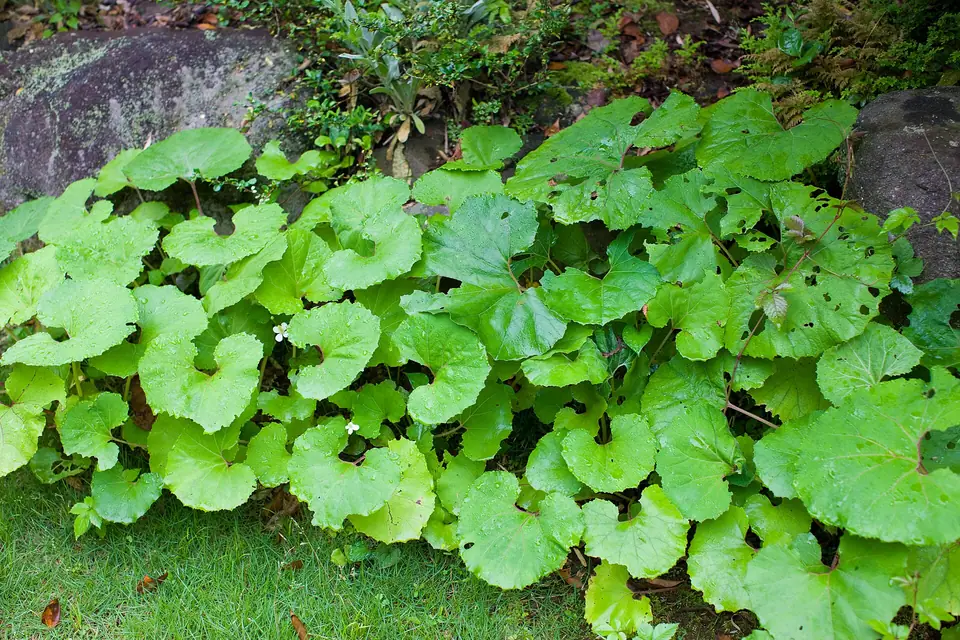
Give this plant a damp, sheltered corner and it repays you with giant leaves. It loves soil that stays moist, never waterlogged, and rich in humus, and in Japan its leaf stalks are cooked as a vegetable. Plant potted divisions in late spring or early summer, in a damp hollow with dry ground around it, so it stays right where you want it.
- Water
Keep the soil always moist, but never waterlogged
What the sources say (1)
Watering: Soil permanently moist but not stagnant
but prefers a deep fertile humus-rich soil that is permanently moist but not stagnant, succeeding in shade, semi-shade or full sun
— Petasites japonicus - Useful Temperate Plants [1] - Soil
Moist, humus-rich soil in a spot sheltered from wind, which tears the giant leaves
What the sources say (1)
Watering notes: Grows in moist, humus-rich soil in a sheltered spot
Bog rhubarb likes moist, humous soil and a sheltered spot, otherwise the giant leaves get torn by the wind.
— Petasites japonicus - bog rhubarb / fuki / sweet coltsfoot / giant butterbur | Arboretum Mustila [3] - Planting
Seedlings in summer; potted divisions in late spring or early summer
What the sources say (3)
Planting: Seedlings: summer; potted divisions: late spring or early summer
Seedlings: prick the seedlings out into individual pots and plant them out in the summer.
— Petasites japonicus - Useful Temperate Plants [1] Potted divisions: We have found that it is better to pot up the smaller divisions and grow them on in light shade in a cold frame until they are well established before planting them out in late spring or early summer.
— Petasites japonicus - Useful Temperate Plants [1] prick the seedlings out into individual pots and plant them out in the summer.
— Petasites japonicus - Useful Temperate Plants [1] - Harvest
In Japan the leaf stalks are cooked like rhubarb; young flower buds and stems are also cooked
- Watch out
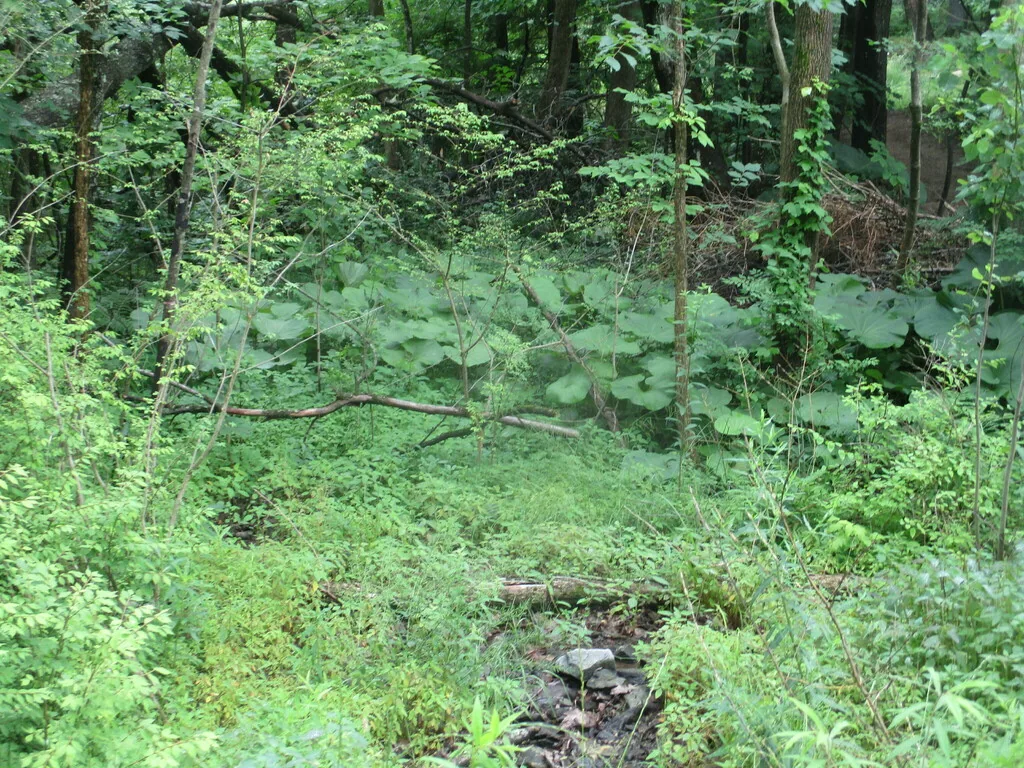
Spreads by underground stems and is very hard to remove; plant it in a damp hollow with dry ground around
- Propagation
By dividing the plant or from seed
What the sources say (3)
Propagation: Division; seed
Division succeeds at almost any time of the year. Very easy, larger divisions can be planted out direct into their permanent positions.
— Petasites japonicus - Useful Temperate Plants [1] Seed - we have no information on this species but suggest sowing the seed in a cold frame as soon as it is ripe or in early spring.
— Petasites japonicus - Useful Temperate Plants [1] Vegetative propagation is the only way of growing it in Finland.
— Petasites japonicus - bog rhubarb / fuki / sweet coltsfoot / giant butterbur | Arboretum Mustila [3] - Safety
Research has found harmful substances in this plant: eating it is not recommended
Overview
Fuki is a vigorous, spreading, rhizomatous herbaceous perennial that is sometimes cultivated as an ornamental. [1][2] It prefers permanently moist, humus-rich soil and is very difficult to eradicate once established. [1][3] In Japan the leaf stalks are eaten as a vegetable. [2]
This record is incomplete: the sources we read do not cover every field yet.
Not yet covered by our sources: Light, Hardiness, coldest zone, Hardiness, warmest zone, Pruning
Fuki care
How to water Fuki
Watering
Soil permanently moist but not stagnant
What the sources say (1)
but prefers a deep fertile humus-rich soil that is permanently moist but not stagnant, succeeding in shade, semi-shade or full sunWatering notes
Grows in moist, humus-rich soil in a sheltered spot
What the sources say (1)
Bog rhubarb likes moist, humous soil and a sheltered spot, otherwise the giant leaves get torn by the wind.How much light Fuki needs
Not stated in the sources we read.
How much cold Fuki can take
Hardiness, coldest zone
Not stated in the sources we read.
Hardiness, warmest zone
Not stated in the sources we read.
How to propagate Fuki
Division; seed
What the sources say (3)
Division succeeds at almost any time of the year. Very easy, larger divisions can be planted out direct into their permanent positions.Seed - we have no information on this species but suggest sowing the seed in a cold frame as soon as it is ripe or in early spring.Vegetative propagation is the only way of growing it in Finland.Fuki pests and problems
Aggressive spread
Symptom: Rhizomes spread over time and are very difficult to eradicate
What to do: Plant in a damp hollow where the surroundings are dry to stop it spreading
What the sources say (2)
Think twice before planting bog rhubarb, because it is extremely difficult to get rid of!
— Petasites japonicus - bog rhubarb / fuki / sweet coltsfoot / giant butterbur | Arboretum Mustila [3] At Mustila we have stopped it spreading by planting it in a damp hollow at the top of the Azalea Slope: it does not try to spread because the surroundings are too dry.
— Petasites japonicus - bog rhubarb / fuki / sweet coltsfoot / giant butterbur | Arboretum Mustila [3] Wind damage to leaves
Symptom: Giant leaves get torn by the wind
What to do: Plant in a sheltered spot
What the sources say (1)
Bog rhubarb likes moist, humous soil and a sheltered spot, otherwise the giant leaves get torn by the wind.
— Petasites japonicus - bog rhubarb / fuki / sweet coltsfoot / giant butterbur | Arboretum Mustila [3]
Remedies
Each remedy shows what official sources say about it; traditional remedies without an official source are marked as such. Harmful ones are listed so you know to avoid them.
Getting rid of it
invasive spreading rhizomes
digging out the rhizomes Partly works
How: Dig the plant out; it spreads by rhizomes underground and the expert knows of no other organic way to remove it.
Digging it out is the only organic way I know of.
— ask.extension.org [6] What the evidence says Digging it out is the only organic way I know of.
— ask.extension.org [6] black tarp Not verified
Traditional remedy, not verified by an official source.
How: Cover the infested area with a light-excluding tarp; in the author's garden no living rhizome was left after 18 months.
Is Fuki poisonous?
Reported by the source, quoted verbatim. This is not medical or veterinary advice: if a person or an animal may have eaten this plant, contact a poison control centre or a veterinarian.
Calendar
Planting
Seedlings: summer; potted divisions: late spring or early summer
What each source says
Seedlings: Summer
Potted divisions: Late spring or early summer
What the sources say (3)
Seedlings: prick the seedlings out into individual pots and plant them out in the summer.Potted divisions: We have found that it is better to pot up the smaller divisions and grow them on in light shade in a cold frame until they are well established before planting them out in late spring or early summer.prick the seedlings out into individual pots and plant them out in the summer.Pruning
Not stated in the sources we read.
Months as given by the sources, which are mostly from the United States (northern hemisphere). In the southern hemisphere they shift by about six months.
Edibility
Reported by the source, quoted verbatim. Do not eat a plant on the basis of this page alone: identification mistakes can be dangerous.
Indicative values
Values from a secondary source, not checked word for word like the rest of this page. Use them as a starting point.
- Life cycle
- Herbaceous PerennialIndicative value, adapt it to your climate · Secondary source
- Mature height
- 61-91.4 cm (2-3 ft)Indicative value, adapt it to your climate · Secondary source
- Light
- Part shade, full shadeIndicative value, adapt it to your climate · Secondary source
- Soil pH
- 5.5-7Indicative value, adapt it to your climate · Secondary source
- USDA hardiness zones
- 5-9 [winter low −28.9 to −1.1 °C (−20 to 30 °F)]Indicative value, adapt it to your climate · Secondary source
- Care level
- MediumIndicative value, adapt it to your climate · Secondary source
- Growth rate
- HighIndicative value, adapt it to your climate · Secondary source
- Pruning
- February, March, AprilIndicative value, adapt it to your climate · Secondary source
- Pests
- Slugs, snails, Pest resistant, Disease resistantIndicative value, adapt it to your climate · Secondary source
Similar plants
- Common Butterbur Petasites hybridus
- Petasites pyrenaicus Petasites pyrenaicus
- Aaron's Beard Hypericum calycinum
- Abies grandis Abies grandis
- Abraham Trachystemon orientalis
- Abyssinian banana Ensete ventricosum
- Acacia longifolia Acacia longifolia
- Acacia retinodes Acacia retinodes
Sources
Every value above is quoted from these documents. Links lead to the original publisher.
- Petasites japonicus - Useful Temperate Plants · temperate.theferns.info, consulted
- Petasites japonicus (Japanese sweet-coltsfoot): Go Botany · gobotany.nativeplanttrust.org, consulted
- Petasites japonicus - bog rhubarb / fuki / sweet coltsfoot / giant butterbur | Arboretum Mustila · mustila.fi, consulted
- Ethnobotanical Plant Petasites japonicus | Dr. Duke's Phytochemical and Ethnobotanical Databases · phytochem.nal.usda.gov, consulted
- Petasites japonicus | Manual of the Alien Plants of Belgium · alienplantsbelgium.myspecies.info, consulted
- ask.extension.org · ask.extension.org
Written by Emilio Marruso · last checked