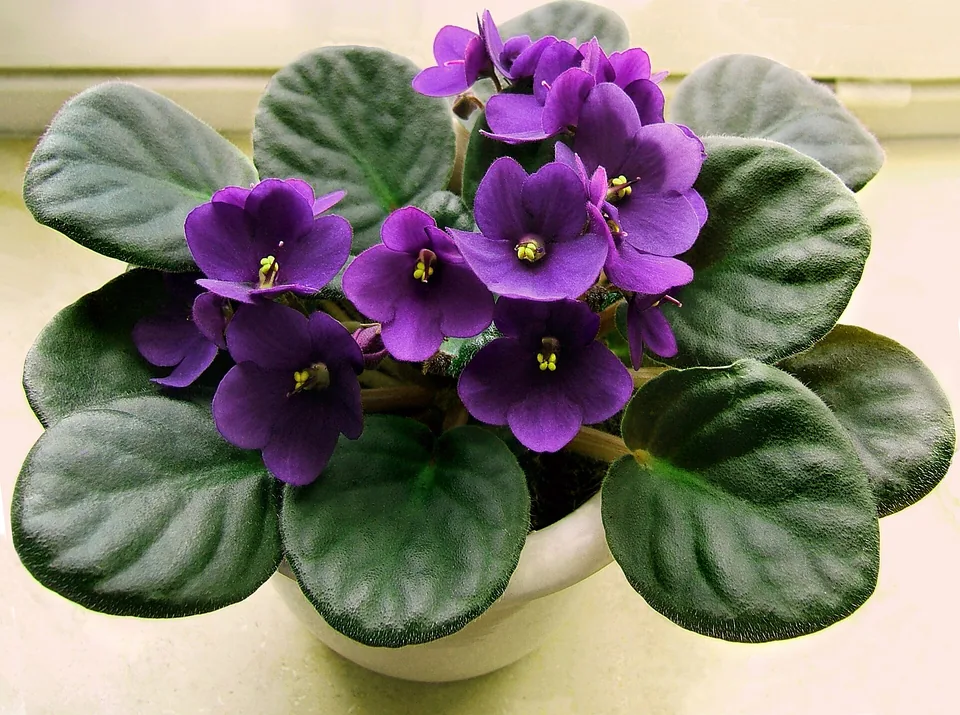
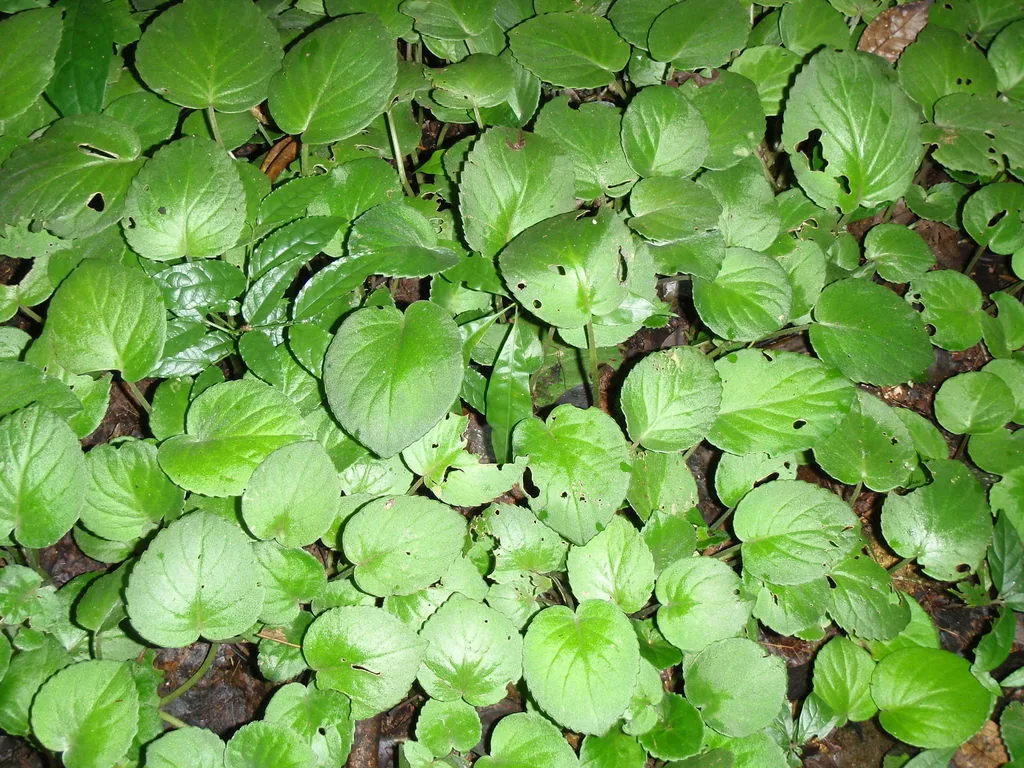

Cómo cultivar y cuidar African Violet
Saintpaulia ionantha
Escrito por Emilio Marruso · última revisión
No tóxica para gatos y perros, según las fuentes · Fuentes
De un vistazo
La violeta africana es una planta de interior encantadora que crece feliz en maceta y forma una roseta de 20–25 cm de ancho. Dale luz intensa pero filtrada, nunca sol directo, y no dejes nunca que se quede encharcada. Y lo mejor: no es tóxica para gatos ni perros, y puedes sacar plantas nuevas a partir de una sola hoja.
- Sol
Luz intensa y filtrada; nunca sol directo
Qué dicen las fuentes (3)
Luz: Luz brillante y filtrada (indirecta); nunca pleno sol
it prefers interior sites with bright, filtered light and moist soil
— Streptocarpus ionanthus (African Violet, Kenya Violet) | North Carolina Extension Gardener Plant Toolbox [1] It thrives in moderate to bright, indirect light
— African Violet: Houseplant How-To [5] they must never have full sun
— Violet, African [3] - Riego
No la dejes nunca encharcada; evita el agua muy fría y no mojes las hojas
Qué dicen las fuentes (3)
Notas sobre el riego: Nunca dejes que la planta repose en agua; evita el agua muy fría; el agua sobre las hojas causa manchas
Never let the African violet sit in water, as this will promote root diseases.
— African Violet: Houseplant How-To [5] It is intolerant of dry air or very cold water.
— Streptocarpus ionanthus (African Violet, Kenya Violet) | North Carolina Extension Gardener Plant Toolbox [1] Try not to get water on the leaves, because this will cause spotting damage.
— African Violet: Houseplant How-To [5] - Frío
Aguanta inviernos de hasta 4,4 °C (40 °F)
Delicada: necesita invernadero sin heladas · USDA 11a · RHS H2 · Z11
Qué dicen las fuentes (2)
Rusticidad, zona más fría: 11a [mínima invernal de 4,4 a 7,2 °C (de 40 a 45 °F)]
USDA Plant Hardiness Zone: 11a, 11b, 12a, 12b
— Streptocarpus ionanthus (African Violet, Kenya Violet) | North Carolina Extension Gardener Plant Toolbox [1] Rusticidad, zona más cálida: 12b [mínima invernal de 12,8 a 15,6 °C (de 55 a 60 °F)]
USDA Plant Hardiness Zone: 11a, 11b, 12a, 12b
— Streptocarpus ionanthus (African Violet, Kenya Violet) | North Carolina Extension Gardener Plant Toolbox [1] - Suelo
Suelo ligeramente ácido, pH 5,8–6,5
- Plagas
Podredumbre del cuello y de la raíz, botritis, cochinillas algodonosas, trips y ácaros
Qué dicen las fuentes (2)
Plagas: gorgojo de la vid, trips, cochinillas harinosas, ácaros ciclamen, saltahojas de invernadero
Insects that may damage this plant include vine weevil, thrips, mealybugs, cyclamen mites and glasshouse leafhoppers.
— Streptocarpus ionanthus (African Violet, Kenya Violet) | North Carolina Extension Gardener Plant Toolbox [1] Enfermedades: pudrición de corona y raíz, tizón de botrytis
Diseases that may harm African violet are crown and root rot and botrytis blight.
— Streptocarpus ionanthus (African Violet, Kenya Violet) | North Carolina Extension Gardener Plant Toolbox [1] - Atención
El exceso de riego es el problema número uno: pudre el cuello y las raíces
- Tamaño
Roseta de 20–25 cm de ancho
Qué dicen las fuentes (1)
Anchura adulta: 20.32-25.4 cm (8-10 pulgadas) roseta
Most plants form rosettes 8-10 inches across, but “minis” are popular with fanciers and make rosettes in the 3-inch range.
— Saintpaulia ionantha, African Violet [4] - Multiplicación
Se multiplica sobre todo por esqueje de hoja; también puedes dividir la planta
Qué dicen las fuentes (3)
Propagación: Esquejes de hoja (el método más común); cultivo de tejidos; semilla (muy pocos cultivares son fieles); división de la corona
The major means of propagation are by leaf cuttings and tissue culture.
— ENH 1096 [2] Very few Saintpaulia cultivars come true from seed.
— ENH 1096 [2] have the ability to produce plantlets from the leaves, the most common means of propagation
— Violet, African [3] - Siembra
Las semillas germinan en 25 días, pero pocas variedades salen iguales a la madre
Qué dicen las fuentes (4)
Días de germinación: 25
Maintain high humidity with mist or fogging. Avoid direct watering. At 70°F media temperature, germination should take approximately 25 days.
— ENH 1096 [2] Propagación: Esquejes de hoja (el método más común); cultivo de tejidos; semilla (muy pocos cultivares son fieles); división de la corona
The major means of propagation are by leaf cuttings and tissue culture.
— ENH 1096 [2] Very few Saintpaulia cultivars come true from seed.
— ENH 1096 [2] have the ability to produce plantlets from the leaves, the most common means of propagation
— Violet, African [3] - Maceta
Crece bien en maceta, dentro de casa
Qué dicen las fuentes (2)
En maceta: Sí
#houseplant #container plant
— Streptocarpus ionanthus (African Violet, Kenya Violet) | North Carolina Extension Gardener Plant Toolbox [1] En interior: Sí
A popular potted houseplant
— Streptocarpus ionanthus (African Violet, Kenya Violet) | North Carolina Extension Gardener Plant Toolbox [1] - Seguridad
No es tóxica para gatos, perros ni caballos
Resumen
La violeta africana es una planta tropical de interior, siempreverde, que prefiere luz brillante y filtrada, suelo húmedo y bien drenado, y alta humedad. [1] Se propaga principalmente por esquejes de hoja, y el riego excesivo es su principal problema. [2][1]
Citado en inglés, como en la fuente.
Esta ficha está incompleta: las fuentes consultadas aún no cubren todos los campos.
Aún no cubierto por nuestras fuentes: Riego
Cuidados
Riego
Riego
No figura en las fuentes consultadas.
Notas sobre el riego
Nunca dejes que la planta repose en agua; evita el agua muy fría; el agua sobre las hojas causa manchas
Qué dicen las fuentes (3)
Never let the African violet sit in water, as this will promote root diseases.It is intolerant of dry air or very cold water.Try not to get water on the leaves, because this will cause spotting damage.Luz
Luz brillante y filtrada (indirecta); nunca pleno sol
Qué dicen las fuentes (3)
it prefers interior sites with bright, filtered light and moist soilIt thrives in moderate to bright, indirect lightthey must never
have full sunClima y frío
Rusticidad, zona más fría
11a [mínima invernal de 4,4 a 7,2 °C (de 40 a 45 °F)]
Qué dicen las fuentes (1)
USDA Plant Hardiness Zone:
11a, 11b, 12a, 12bRusticidad, zona más cálida
12b [mínima invernal de 12,8 a 15,6 °C (de 55 a 60 °F)]
Qué dicen las fuentes (1)
USDA Plant Hardiness Zone:
11a, 11b, 12a, 12bSuelo
pH del suelo, mínimo
5.8
Qué dicen las fuentes (1)
The pH of the substrate should be adjusted to a range of 5.8-6.5.pH del suelo, máximo
6.5
Qué dicen las fuentes (1)
The pH of the substrate should be adjusted to a range of 5.8-6.5.Dónde cultivarla
En interior
Sí
Qué dicen las fuentes (1)
A popular potted houseplantEn maceta
Sí
Qué dicen las fuentes (1)
#houseplant #container plantPropagación
Esquejes de hoja (el método más común); cultivo de tejidos; semilla (muy pocos cultivares son fieles); división de la corona
Cultivo
La planta
Familia
Gesneriaceae
Qué dicen las fuentes (1)
African violet is an evergreen, tropical houseplant in the gloxinia family (Gesneriaceae).Anchura adulta
20.32-25.4 cm (8-10 pulgadas) roseta
Qué dicen las fuentes (1)
Most plants
form rosettes 8-10 inches across, but “minis” are popular with fanciers and make rosettes
in the 3-inch range.Siembra y crecimiento
Días de germinación
25
Qué dicen las fuentes (1)
Maintain high humidity with mist or fogging. Avoid direct watering. At 70°F media temperature, germination should take approximately 25 days.Plagas y enfermedades
Plagas
gorgojo de la vid, trips, cochinillas harinosas, ácaros ciclamen, saltahojas de invernadero
Qué dicen las fuentes (1)
Insects that may damage this plant include vine weevil, thrips, mealybugs, cyclamen mites and glasshouse leafhoppers.Enfermedades
pudrición de corona y raíz, tizón de botrytis
Qué dicen las fuentes (1)
Diseases that may harm African violet are crown and root rot and botrytis blight.Problemas
Pudrición de la corona y de la raíz, tizón por botrytis, plagas de insectos
Síntoma: Pudrición de la corona y de la raíz, y tizón por botritis; gorgojo de la vid, trips, cochinillas, ácaros ciclamen y saltahojas de invernadero.
Qué hacer: El riego excesivo es el problema número uno.
Qué dicen las fuentes (1)
Diseases that may harm African violet are crown and root rot and botrytis blight. Insects that may damage this plant include vine weevil, thrips, mealybugs, cyclamen mites and glasshouse leafhoppers. Overwatering is the number one issue.
— Streptocarpus ionanthus (African Violet, Kenya Violet) | North Carolina Extension Gardener Plant Toolbox [1]
Remedios
Cada remedio indica qué dicen las fuentes oficiales; los remedios tradicionales sin fuente oficial aparecen marcados. Los perjudiciales están para que sepas evitarlos.
Cuidar la planta
cochinillas harinosas
alcohol isopropílico en un hisopo de algodón Funciona en parte
Cómo: Elimina las infestaciones leves con un hisopo de algodón empapado en alcohol isopropílico; repite los tratamientos con alcohol según sea necesario.
Remove light infestations with a cotton swab dipped in rubbing (isopropyl) alcohol
— hgic.clemson.edu [8] Qué dicen las pruebas A few mealybugs found on a plant can be killed by dabbing the visible insects with alcohol on a cotton swab (alcohol dissolves the wax around the insect and its egg masses and kills them). This strategy is not adequate when mealybugs are present in large numbers.
— extension.missouri.edu [9] spray de jabón insecticida Fuente oficial, sin prueba independiente
Certain chemicals, including oils and insecticidal soaps, may cause plant injury if used at the wrong stage of plant development or when temperatures are too high.
— extension.missouri.edu [9] Cómo: El jabón insecticida, el aceite hortícola ultrafino o la resmetrina son los compuestos registrados para esta plaga; se necesitan múltiples aplicaciones y el rocío debe entrar en contacto con el insecto.
Among the compounds registered for control of this pest in Connecticut are insecticidal soap, ultrafine horticultural oil or resmethrin.
— portal.ct.gov [10]
ácaros ciclamen
inmersión en agua caliente Funciona en parte
Cómo: Recorta las partes del planta gravemente dañadas y luego sumerge la planta infestada, maceta incluida, durante 15 minutos en agua mantenida a 110 grados F, con un control cuidadoso de la temperatura del agua.
Badly injured plant parts should be trimmed off where practical before dipping. The infested plant, pot and all, is immersed for 15 minutes in water held at 110 degrees F. Success of the treatment depends on careful control of the water temperature.
— entomology.mgcafe.uky.edu [11] Qué dicen las pruebas Isolate infested plants and trim off or prune damaged parts. Hot water dipping may provide some control.
— entomology.mgcafe.uky.edu [11]
mildiu polvoriento
Retira las hojas afectadas Fuente oficial, sin prueba independiente
Cómo: Retira con cuidado las hojas afectadas en cuanto aparezcan los síntomas y colócalas en una bolsa de plástico para evitar que se propaguen las esporas.
Disease can be minimized by carefully picking off affected leaves as soon as symptoms are evident. Symptomatic leaves can be placed into a plastic bag in order to avoid spreading the spores of the fungus.
— portal.ct.gov [10]
nematodos foliares
Recoge y destruye las hojas afectadas. Fuente oficial, sin prueba independiente
Cómo: Recoge y destruye las hojas afectadas y evita salpicar agua de hoja a hoja o del suelo a la hoja.
Picking and destroying affected leaves and avoiding splashing water from leaf to leaf or from soil to leaf can help to control these nematodes.
— portal.ct.gov [10]
tizón de botrytis
eliminación de flores marchitas y limpieza Fuente oficial, sin prueba independiente
Cómo: Limpia las plantas y elimina las flores marchitas o senescentes; retira los tejidos afectados con cuidado y deséchalos cuando estén secos.
Good sanitation practices including grooming the plants and removing spent or senescing flowers can minimize the potential for infection.
— portal.ct.gov [10]
trips
Recoge a mano las flores infestadas Fuente oficial, sin prueba independiente
Cómo: Recoge a mano las flores infestadas si es necesario, comenzando por las plantas limpias.
Control in the home begins with buying clean plants and if needed, handpicking of infested blossoms.
— portal.ct.gov [10]
Toxicidad
Según la fuente, citada textualmente. No es un consejo médico ni veterinario: si una persona o un animal pudo haber ingerido esta planta, contacta con un centro de toxicología o con un veterinario.
#non-toxic for cats #non-toxic for horses #non-toxic for dogs
[1]La fuente señala el riesgo para este animal pero no explica por qué.
Valores orientativos
Valores de una fuente secundaria, no comprobados palabra por palabra como el resto de esta página. Úselos como punto de partida.
- Ciclo de vida
- Perenne herbáceaValor orientativo, adáptalo a tu clima · Fuente secundaria
- Altura adulta
- 15.2-22.9 cm (0.5-0.75 pies)Valor orientativo, adáptalo a tu clima · Fuente secundaria
- Horas de sol
- 4-6 horasValor orientativo, adáptalo a tu clima · Fuente secundaria
- Riego
- PromedioValor orientativo, adáptalo a tu clima · Fuente secundaria
- Suelo
- Bien drenadoValor orientativo, adáptalo a tu clima · Fuente secundaria
- Nivel de cuidado
- MedioValor orientativo, adáptalo a tu clima · Fuente secundaria
- Crecimiento
- ModeradoValor orientativo, adáptalo a tu clima · Fuente secundaria
- Poda
- Febrero, marzo, abrilValor orientativo, adáptalo a tu clima · Fuente secundaria
Plantas similares
- Flame Violet Episcia cupreata
- Lipstick Plant Aeschynanthus radicans
- Lipstick Vine Aeschynanthus humilis
- African Blood Lily Scadoxus multiflorus
- Agapanto Agapanthus praecox
- Jazmín de Cuba Allamanda cathartica
- Cebra Aechmea chantinii
- Areca Palm Chrysalidocarpus lutescens
Fuentes
Cada valor anterior se cita de estos documentos. Los enlaces llevan al editor original.
- Streptocarpus ionanthus (African Violet, Kenya Violet) | North Carolina Extension Gardener Plant Toolbox · plants.ces.ncsu.edu, consultado
- ENH 1096 · edis.ifas.ufl.edu, consultado
- Violet, African · uaex.uada.edu, consultado
- Saintpaulia ionantha, African Violet · uaex.uada.edu, consultado
- African Violet: Houseplant How-To · extension.sdstate.edu, consultado
- How to Grow African Violets - Saintpaulia · harvesttotable.com, consultado
- Streptocarpus ionanthus ssp. ionanthus var. ionanthus | Gesneriad Reference Web · gesneriads.info, consultado
- hgic.clemson.edu · hgic.clemson.edu
- extension.missouri.edu · extension.missouri.edu
- portal.ct.gov · portal.ct.gov
- entomology.mgcafe.uky.edu · entomology.mgcafe.uky.edu
Escrito por Emilio Marruso · última revisión