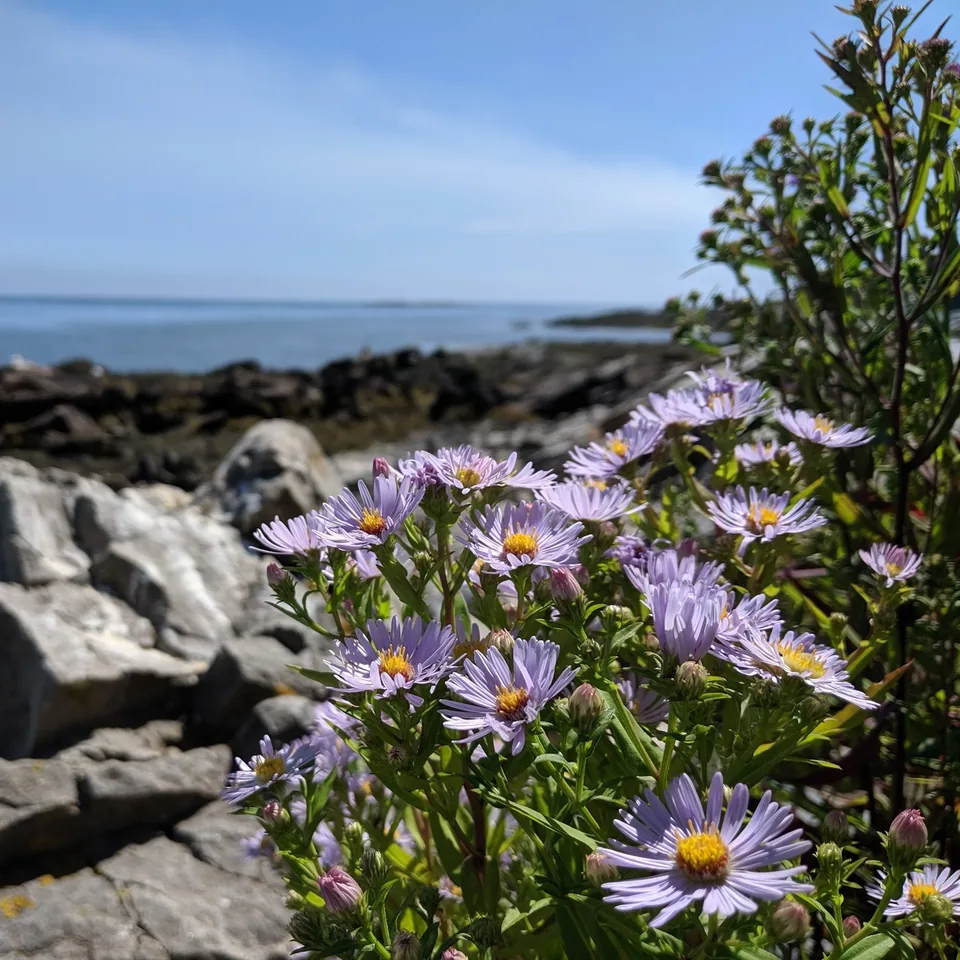
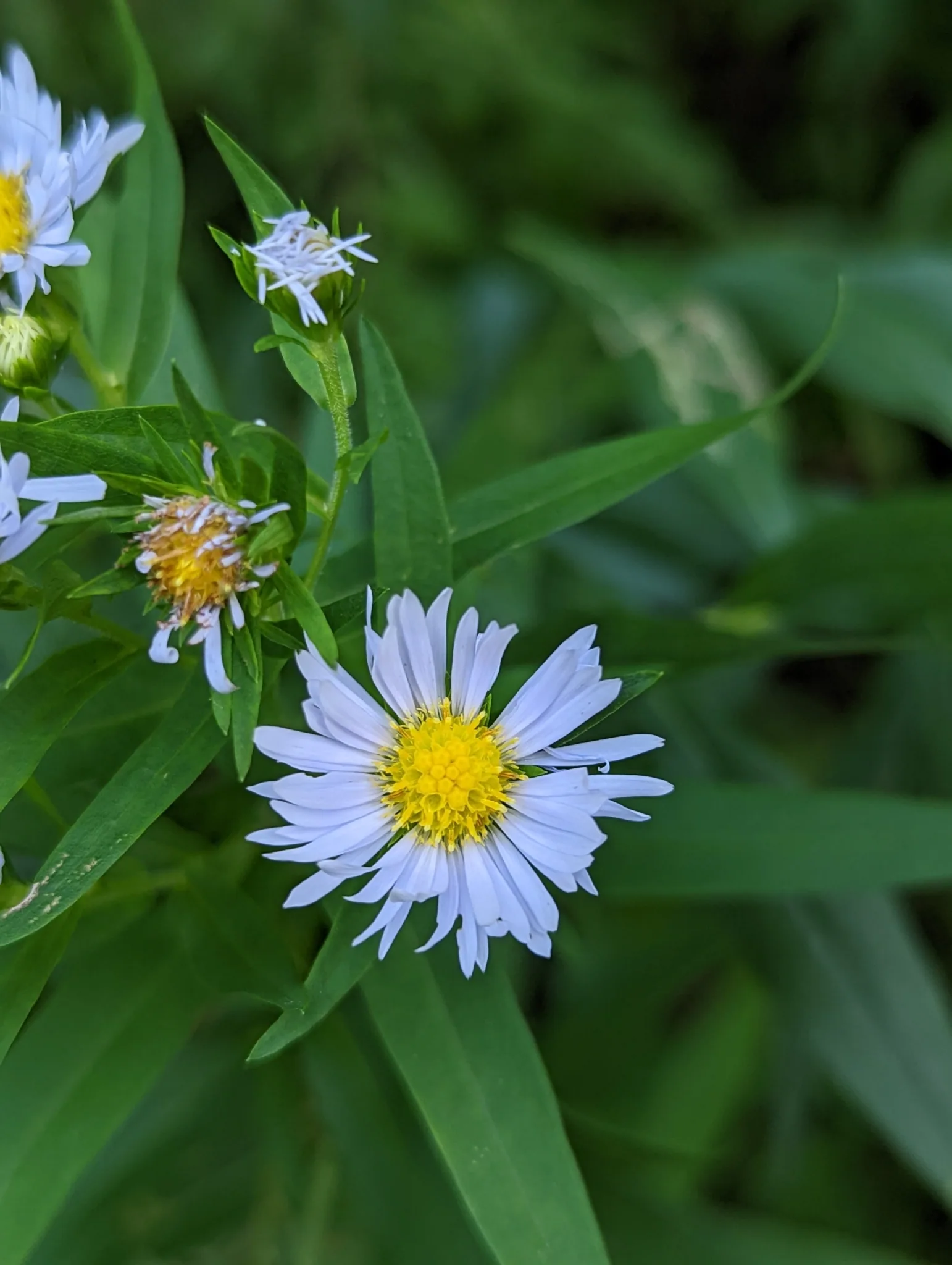

Cómo cultivar y cuidar New York Aster
Symphyotrichum novi-belgii
Escrito por Emilio Marruso · última revisión
De un vistazo
Este áster vivaz es de lo más agradecido: alcanza 0,9–1,5 m de altura y vuelve cada año. Dale un sitio soleado, aunque tolera la semisombra, y un suelo que drene bien. Pide muy poco: basta con un acolchado de compost o estiércol bien descompuesto cada primavera, y puedes conseguir plantas nuevas simplemente dividiendo una mata.
- Sol
Mejor al sol; también tolera la semisombra
Qué dicen las fuentes (1)
Luz: Prefiere una ubicación soleada; tolera la semisombra.
It can grow on nutritionally poor soil, in semi-shade or no shade but prefers a sunny location.
— Symphyotrichum novi-belgii (Michaelmas Daisy, New England Aster, New York Aster, Sapphire Aster) | North Carolina Extension Gardener Plant Toolbox [1] - Frío
Aguanta inviernos de hasta −34,4 °C (−30 °F)
Muy rústica · USDA 4a · RHS H7 · Z4
Qué dicen las fuentes (2)
Rusticidad, zona más fría: 4a [mínima invernal de −34,4 a −31,7 °C (de −30 a −25 °F)]
USDA Plant Hardiness Zone: 4a, 4b, 5a, 5b, 6a, 6b, 7a, 7b, 8a, 8b
— Symphyotrichum novi-belgii (Michaelmas Daisy, New England Aster, New York Aster, Sapphire Aster) | North Carolina Extension Gardener Plant Toolbox [1] Rusticidad, zona más cálida: 8b [mínima invernal de −9,4 a −6,7 °C (de 15 a 20 °F)]
USDA Plant Hardiness Zone: 4a, 4b, 5a, 5b, 6a, 6b, 7a, 7b, 8a, 8b
— Symphyotrichum novi-belgii (Michaelmas Daisy, New England Aster, New York Aster, Sapphire Aster) | North Carolina Extension Gardener Plant Toolbox [1] - Suelo
Necesita un suelo con buen drenaje
Qué dicen las fuentes (1)
Notas sobre el riego: Requiere suelo bien drenado
This plant requires well-drained soil and prefers sandy, loamy and clay soils.
— Symphyotrichum novi-belgii (Michaelmas Daisy, New England Aster, New York Aster, Sapphire Aster) | North Carolina Extension Gardener Plant Toolbox [1] - Abonado
Basta un acolchado de compost o estiércol descompuesto cada primavera; en suelo arenoso, abona al brotar
Qué dicen las fuentes (4)
Cuándo: Primavera (acolchado); en suelos ligeros y arenosos, un abono en primavera cuando comienza el crecimiento
Asters generally do not need regular applications of fertiliser in most garden soils. Mulching plants in borders with well-rotted manure or garden compost each spring should be sufficient.
— [4] If your garden soil is light and sandy your asters can benefit from a feed in spring when they start to come into growth. Use a general-purpose fertiliser
— [4] Frecuencia: No regularmente en la mayoría de los suelos de jardín; un acolchado cada primavera es suficiente
Asters generally do not need regular applications of fertiliser in most garden soils. Mulching plants in borders with well-rotted manure or garden compost each spring should be sufficient.
— [4] Abonos naturales: Estiércol bien descompuesto o compost de jardín como mantillo cada primavera
Asters generally do not need regular applications of fertiliser in most garden soils. Mulching plants in borders with well-rotted manure or garden compost each spring should be sufficient.
— [4] - Plagas
Puede sufrir oídio
Qué dicen las fuentes (1)
Enfermedades: mildiu polvoriento
No serious insect or disease problems but has some susceptibility to powdery mildew.
— Symphyotrichum novi-belgii (Michaelmas Daisy, New England Aster, New York Aster, Sapphire Aster) | North Carolina Extension Gardener Plant Toolbox [1] - Tamaño
0,9–1,5 m de alto
Qué dicen las fuentes (1)
Altura adulta: 91.44-152.4 cm (3-5 pies)
New York Aster is a native herbaceous perennial in the Asteraceae family that may grow 3 to 5 feet high.
— Symphyotrichum novi-belgii (Michaelmas Daisy, New England Aster, New York Aster, Sapphire Aster) | North Carolina Extension Gardener Plant Toolbox [1] - Multiplicación
Divide las matas o siembra sus semillas
Qué dicen las fuentes (1)
Propagación: División, semilla
Life Cycle: Perennial Recommended Propagation Strategy: Division Seed
— Symphyotrichum novi-belgii (Michaelmas Daisy, New England Aster, New York Aster, Sapphire Aster) | North Carolina Extension Gardener Plant Toolbox [1]
Resumen
El aster de Nueva York es una herbácea perenne nativa que prefiere una ubicación soleada pero tolera la semisombra y el suelo pobre en nutrientes. [1] Se propaga por división o semilla y muestra alguna susceptibilidad al oídio. [1]
Citado en inglés, como en la fuente.
Esta ficha está incompleta: las fuentes consultadas aún no cubren todos los campos.
Aún no cubierto por nuestras fuentes: Riego, Poda
Cuidados
Riego
Riego
No figura en las fuentes consultadas.
Notas sobre el riego
Requiere suelo bien drenado
Qué dicen las fuentes (1)
This plant requires well-drained soil and prefers sandy, loamy and clay soils.Luz
Prefiere una ubicación soleada; tolera la semisombra.
Qué dicen las fuentes (1)
It can grow on nutritionally poor soil, in semi-shade or no shade but prefers a sunny location.Clima y frío
Rusticidad, zona más fría
4a [mínima invernal de −34,4 a −31,7 °C (de −30 a −25 °F)]
Qué dicen las fuentes (1)
USDA Plant Hardiness Zone:
4a, 4b, 5a, 5b, 6a, 6b, 7a, 7b, 8a, 8bRusticidad, zona más cálida
8b [mínima invernal de −9,4 a −6,7 °C (de 15 a 20 °F)]
Qué dicen las fuentes (1)
USDA Plant Hardiness Zone:
4a, 4b, 5a, 5b, 6a, 6b, 7a, 7b, 8a, 8bPropagación
División, semilla
Qué dicen las fuentes (1)
Life Cycle:
Perennial
Recommended Propagation Strategy:
Division
SeedCultivo
La planta
Ciclo de vida
perenne
Qué dicen las fuentes (1)
New York Aster is a native herbaceous perennial in the Asteraceae family that may grow 3 to 5 feet high.Familia
Asteraceae
Qué dicen las fuentes (1)
New York Aster is a native herbaceous perennial in the Asteraceae family that may grow 3 to 5 feet high.Altura adulta
91.44-152.4 cm (3-5 pies)
Qué dicen las fuentes (1)
New York Aster is a native herbaceous perennial in the Asteraceae family that may grow 3 to 5 feet high.Plagas y enfermedades
Enfermedades
mildiu polvoriento
Qué dicen las fuentes (1)
No serious insect or disease problems but has some susceptibility to powdery mildew.Abonado
Cuándo
Primavera (acolchado); en suelos ligeros y arenosos, un abono en primavera cuando comienza el crecimiento
Qué dicen las fuentes (2)
Asters generally do not need regular applications of fertiliser in most garden soils. Mulching plants in borders with well-rotted manure or garden compost each spring should be sufficient.If your garden soil is light and sandy your asters can benefit from a feed in spring when they start to come into growth. Use a general-purpose fertiliserFrecuencia
No regularmente en la mayoría de los suelos de jardín; un acolchado cada primavera es suficiente
Qué dicen las fuentes (1)
Asters generally do not need regular applications of fertiliser in most garden soils. Mulching plants in borders with well-rotted manure or garden compost each spring should be sufficient.Abonos naturales
Estiércol bien descompuesto o compost de jardín como mantillo cada primavera
Qué dicen las fuentes (1)
Asters generally do not need regular applications of fertiliser in most garden soils. Mulching plants in borders with well-rotted manure or garden compost each spring should be sufficient.Abonos minerales
Las fuentes dan valores distintos según la región, la zona o las condiciones de cultivo.
Lo que dice cada fuente
en suelos ligeros y arenosos: Abono de uso general en primavera cuando comienza el crecimiento
en contenedores: Fertilizante líquido
Qué dicen las fuentes (2)
en suelos ligeros y arenosos: If your garden soil is light and sandy your asters can benefit from a feed in spring when they start to come into growth. Use a general-purpose fertiliseren contenedores: applying a handful per sq m/yd.
For containers, use a liquid fertiliserProblemas
Mildiu polvoriento
Síntoma: Alguna susceptibilidad al oídio.
Qué dicen las fuentes (1)
No serious insect or disease problems but has some susceptibility to powdery mildew.
— Symphyotrichum novi-belgii (Michaelmas Daisy, New England Aster, New York Aster, Sapphire Aster) | North Carolina Extension Gardener Plant Toolbox [1]
Remedios
Las fuentes consultadas no dan remedios para esta planta.
Calendario
Poda
No figura en las fuentes consultadas.
Meses tal como los dan las fuentes, en su mayoría de Estados Unidos (hemisferio norte). En el hemisferio sur se desplazan unos seis meses.
Plantas similares
- Aromatic Aster Symphyotrichum oblongifolium
- Aster Symphyotrichum lateriflorum
- Barrens Silky Aster Symphyotrichum pratense
- Blue Wood Aster Symphyotrichum cordifolium
- Bushy Aster Symphyotrichum dumosum
- Crooked-stemmed Aster Symphyotrichum prenanthoides
- Eastern Silvery Aster Symphyotrichum concolor
- Frost Aster Symphyotrichum pilosum
Fuentes
Cada valor anterior se cita de estos documentos. Los enlaces llevan al editor original.
- Symphyotrichum novi-belgii (Michaelmas Daisy, New England Aster, New York Aster, Sapphire Aster) | North Carolina Extension Gardener Plant Toolbox · plants.ces.ncsu.edu, consultado
- Aster, Symphyotrichum spp. – Wisconsin Horticulture · hort.extension.wisc.edu, consultado
- Michaelmas Daisy - Symphyotrichum novi-belgii | North Carolina Extension Gardener Plant Toolbox · plants.ces.ncsu.edu, consultado
- rhs.org.uk · rhs.org.uk
Escrito por Emilio Marruso · última revisión