
How to Grow and Care for New York Aster
Symphyotrichum novi-belgii
Written by Emilio Marruso · last checked
At a glance
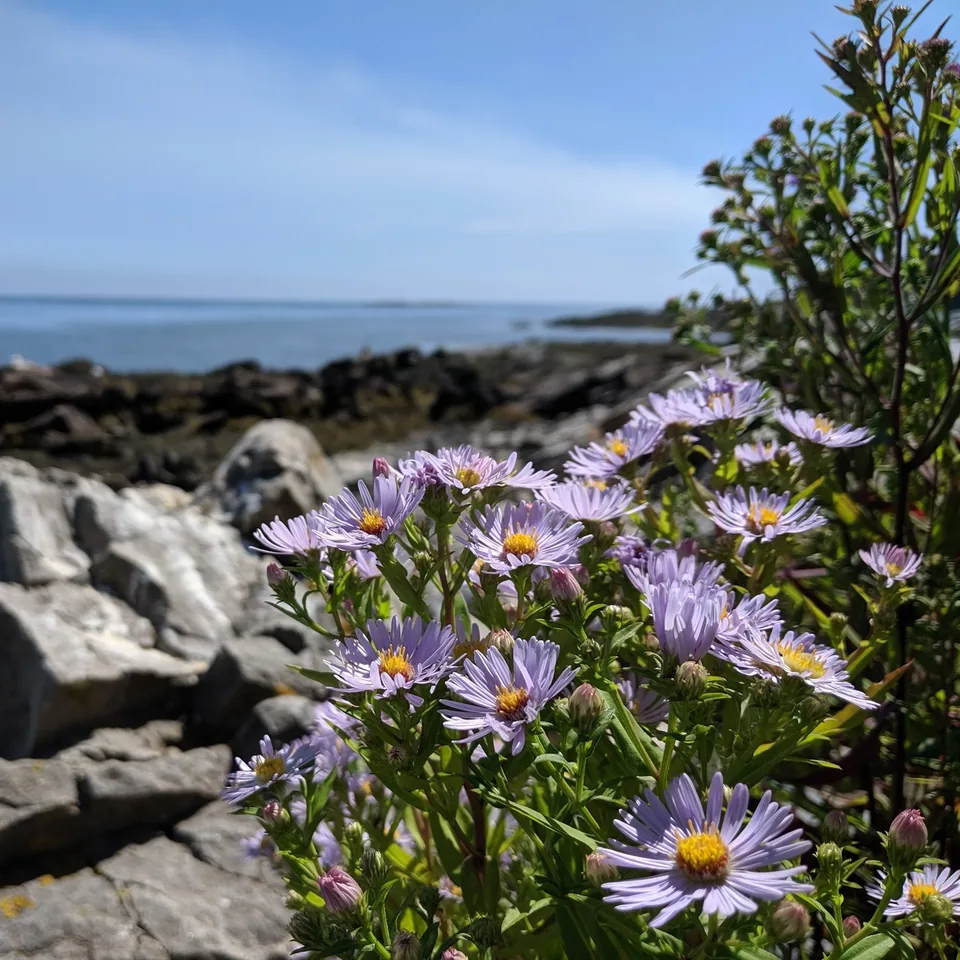
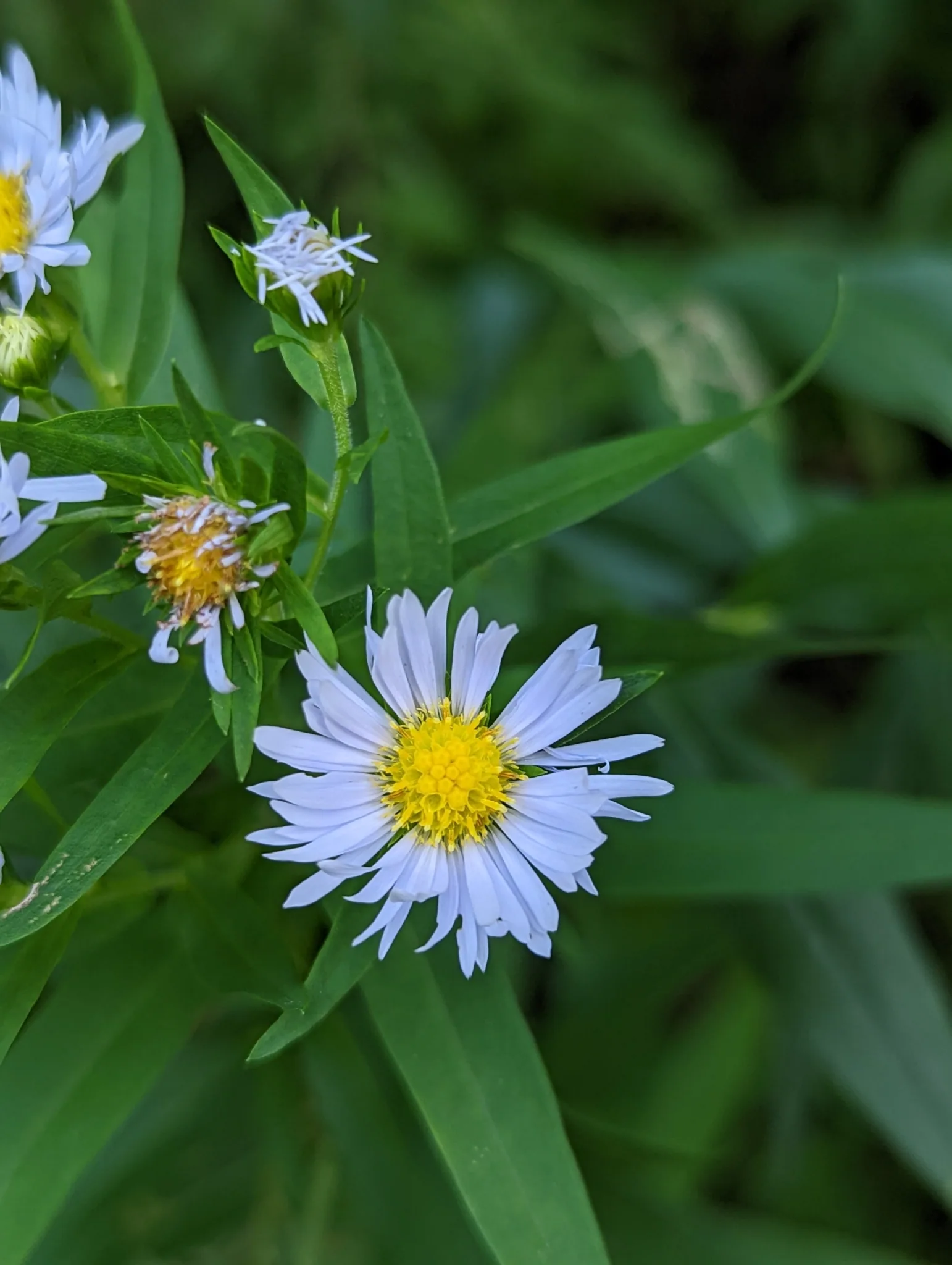
This easygoing perennial aster grows 3–5 ft tall and comes back year after year. Give it a sunny spot, though it copes with partial shade, and soil that drains well. It asks for very little: a mulch of compost or well-rotted manure each spring is enough, and you can make new plants simply by dividing a clump.
- Sun
Sun is best; it also handles partial shade
What the sources say (1)
Light: Prefers a sunny location; tolerates semi-shade
It can grow on nutritionally poor soil, in semi-shade or no shade but prefers a sunny location.
— Symphyotrichum novi-belgii (Michaelmas Daisy, New England Aster, New York Aster, Sapphire Aster) | North Carolina Extension Gardener Plant Toolbox [1] - Cold
Survives winters down to −30 °F (−34.4 °C)
Very hardy · USDA 4a · RHS H7 · Z4
What the sources say (2)
Hardiness, coldest zone: 4a [winter low −34.4 to −31.7 °C (−30 to −25 °F)]
USDA Plant Hardiness Zone: 4a, 4b, 5a, 5b, 6a, 6b, 7a, 7b, 8a, 8b
— Symphyotrichum novi-belgii (Michaelmas Daisy, New England Aster, New York Aster, Sapphire Aster) | North Carolina Extension Gardener Plant Toolbox [1] Hardiness, warmest zone: 8b [winter low −9.4 to −6.7 °C (15 to 20 °F)]
USDA Plant Hardiness Zone: 4a, 4b, 5a, 5b, 6a, 6b, 7a, 7b, 8a, 8b
— Symphyotrichum novi-belgii (Michaelmas Daisy, New England Aster, New York Aster, Sapphire Aster) | North Carolina Extension Gardener Plant Toolbox [1] - Soil
Needs soil that drains well
What the sources say (1)
Watering notes: Requires well-drained soil
This plant requires well-drained soil and prefers sandy, loamy and clay soils.
— Symphyotrichum novi-belgii (Michaelmas Daisy, New England Aster, New York Aster, Sapphire Aster) | North Carolina Extension Gardener Plant Toolbox [1] - Feeding
A compost or rotted manure mulch each spring is enough; on sandy soil, feed as growth starts
What the sources say (4)
When: Spring (mulch); on light, sandy soils a feed in spring as growth starts
Asters generally do not need regular applications of fertiliser in most garden soils. Mulching plants in borders with well-rotted manure or garden compost each spring should be sufficient.
— [4] If your garden soil is light and sandy your asters can benefit from a feed in spring when they start to come into growth. Use a general-purpose fertiliser
— [4] How often: Not regularly in most garden soils; a mulch each spring is sufficient
Asters generally do not need regular applications of fertiliser in most garden soils. Mulching plants in borders with well-rotted manure or garden compost each spring should be sufficient.
— [4] Natural fertilizers: Well-rotted manure or garden compost as a mulch each spring
Asters generally do not need regular applications of fertiliser in most garden soils. Mulching plants in borders with well-rotted manure or garden compost each spring should be sufficient.
— [4] - Pests
Can get powdery mildew
What the sources say (1)
Diseases: powdery mildew
No serious insect or disease problems but has some susceptibility to powdery mildew.
— Symphyotrichum novi-belgii (Michaelmas Daisy, New England Aster, New York Aster, Sapphire Aster) | North Carolina Extension Gardener Plant Toolbox [1] - Size
3–5 ft tall
What the sources say (1)
Mature height: 91.44-152.4 cm (3-5 ft)
New York Aster is a native herbaceous perennial in the Asteraceae family that may grow 3 to 5 feet high.
— Symphyotrichum novi-belgii (Michaelmas Daisy, New England Aster, New York Aster, Sapphire Aster) | North Carolina Extension Gardener Plant Toolbox [1] - Propagation
Divide the clumps or grow it from seed
What the sources say (1)
Propagation: Division, seed
Life Cycle: Perennial Recommended Propagation Strategy: Division Seed
— Symphyotrichum novi-belgii (Michaelmas Daisy, New England Aster, New York Aster, Sapphire Aster) | North Carolina Extension Gardener Plant Toolbox [1]
Overview
New York aster is a native herbaceous perennial that prefers a sunny location but tolerates semi-shade and nutritionally poor soil. [1] It is propagated by division or seed and shows some susceptibility to powdery mildew. [1]
This record is incomplete: the sources we read do not cover every field yet.
Not yet covered by our sources: Watering, Pruning
New York Aster care
How to water New York Aster
Watering
Not stated in the sources we read.
Watering notes
Requires well-drained soil
What the sources say (1)
This plant requires well-drained soil and prefers sandy, loamy and clay soils.How much light New York Aster needs
Prefers a sunny location; tolerates semi-shade
What the sources say (1)
It can grow on nutritionally poor soil, in semi-shade or no shade but prefers a sunny location.How much cold New York Aster can take
Hardiness, coldest zone
4a [winter low −34.4 to −31.7 °C (−30 to −25 °F)]
What the sources say (1)
USDA Plant Hardiness Zone:
4a, 4b, 5a, 5b, 6a, 6b, 7a, 7b, 8a, 8bHardiness, warmest zone
8b [winter low −9.4 to −6.7 °C (15 to 20 °F)]
What the sources say (1)
USDA Plant Hardiness Zone:
4a, 4b, 5a, 5b, 6a, 6b, 7a, 7b, 8a, 8bHow to propagate New York Aster
Division, seed
What the sources say (1)
Life Cycle:
Perennial
Recommended Propagation Strategy:
Division
SeedHow to grow New York Aster
The plant
Life cycle
perennial
What the sources say (1)
New York Aster is a native herbaceous perennial in the Asteraceae family that may grow 3 to 5 feet high.Family
Asteraceae
What the sources say (1)
New York Aster is a native herbaceous perennial in the Asteraceae family that may grow 3 to 5 feet high.Mature height
91.44-152.4 cm (3-5 ft)
What the sources say (1)
New York Aster is a native herbaceous perennial in the Asteraceae family that may grow 3 to 5 feet high.Pests and diseases
Diseases
powdery mildew
What the sources say (1)
No serious insect or disease problems but has some susceptibility to powdery mildew.Fertilizing
When
Spring (mulch); on light, sandy soils a feed in spring as growth starts
What the sources say (2)
Asters generally do not need regular applications of fertiliser in most garden soils. Mulching plants in borders with well-rotted manure or garden compost each spring should be sufficient.If your garden soil is light and sandy your asters can benefit from a feed in spring when they start to come into growth. Use a general-purpose fertiliserHow often
Not regularly in most garden soils; a mulch each spring is sufficient
What the sources say (1)
Asters generally do not need regular applications of fertiliser in most garden soils. Mulching plants in borders with well-rotted manure or garden compost each spring should be sufficient.Natural fertilizers
Well-rotted manure or garden compost as a mulch each spring
What the sources say (1)
Asters generally do not need regular applications of fertiliser in most garden soils. Mulching plants in borders with well-rotted manure or garden compost each spring should be sufficient.Mineral fertilizers
The sources give different values depending on region, zone or growing conditions.
What each source says
on light, sandy soils: General-purpose fertilizer in spring as growth starts
in containers: Liquid fertilizer
What the sources say (2)
on light, sandy soils: If your garden soil is light and sandy your asters can benefit from a feed in spring when they start to come into growth. Use a general-purpose fertiliserin containers: applying a handful per sq m/yd.
For containers, use a liquid fertiliserNew York Aster pests and problems
Powdery mildew
Symptom: Some susceptibility to powdery mildew
What the sources say (1)
No serious insect or disease problems but has some susceptibility to powdery mildew.
— Symphyotrichum novi-belgii (Michaelmas Daisy, New England Aster, New York Aster, Sapphire Aster) | North Carolina Extension Gardener Plant Toolbox [1]
Remedies
The sources we checked give no remedies for this plant.
Calendar
Pruning
Not stated in the sources we read.
Months as given by the sources, which are mostly from the United States (northern hemisphere). In the southern hemisphere they shift by about six months.
Similar plants
- Aromatic Aster Symphyotrichum oblongifolium
- Aster Symphyotrichum lateriflorum
- Barrens Silky Aster Symphyotrichum pratense
- Blue Wood Aster Symphyotrichum cordifolium
- Bushy Aster Symphyotrichum dumosum
- Crooked-stemmed Aster Symphyotrichum prenanthoides
- Eastern Silvery Aster Symphyotrichum concolor
- Frost Aster Symphyotrichum pilosum
Sources
Every value above is quoted from these documents. Links lead to the original publisher.
- Symphyotrichum novi-belgii (Michaelmas Daisy, New England Aster, New York Aster, Sapphire Aster) | North Carolina Extension Gardener Plant Toolbox · plants.ces.ncsu.edu, consulted
- Aster, Symphyotrichum spp. – Wisconsin Horticulture · hort.extension.wisc.edu, consulted
- Michaelmas Daisy - Symphyotrichum novi-belgii | North Carolina Extension Gardener Plant Toolbox · plants.ces.ncsu.edu, consulted
- rhs.org.uk · rhs.org.uk
Written by Emilio Marruso · last checked