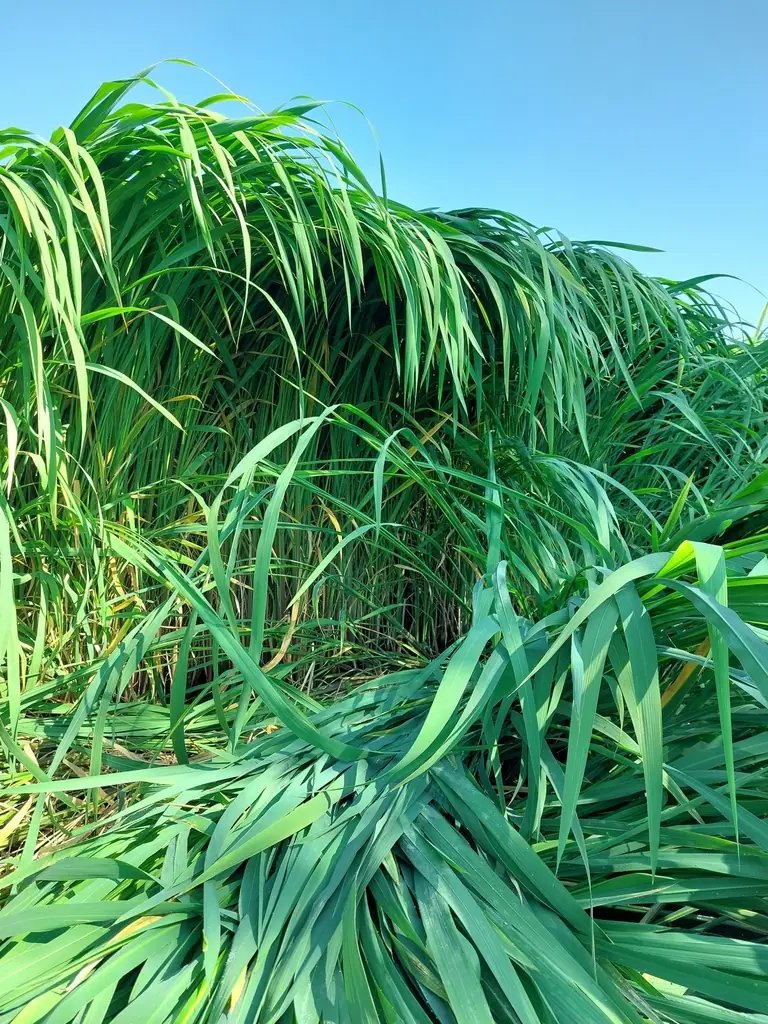
Cómo cultivar y cuidar Manchurian wild rice
Zizania latifolia
Escrito por Emilio Marruso · última revisión
De un vistazo
Esta planta de pantano disfruta en agua poco profunda, quieta o de corriente lenta, y además aguanta la sequía. A cambio llena tu cocina: las bases hinchadas de los tallos se saltean y tienen un sabor a fruto seco que recuerda al coco, la semilla se cocina como el arroz y los brotes jóvenes son dulces, crudos o cocinados. Vigílala, porque puede formar matas densas e invasoras.
- Riego
Crece en agua poco profunda, quieta o de corriente lenta; también aguanta la sequía
Qué dicen las fuentes (4)
Riego: Crece en aguas poco profundas estancadas o de flujo lento (planta de pantano o acuática)
A marsh or water plant requiring shallow stagnant or slowly flowing water, it is easily grown in most soils in a sunny position
— Zizania latifolia - Useful Temperate Plants [1] A marsh or water plant requiring shallow stagnant or slowly flowing water, it is easily grown in most soils in a sunny position
— Zizania latifolia - Useful Tropical Plants [5] Notas sobre el riego: Muy tolerante al mal drenaje; puede crecer en aguas poco profundas una vez establecida; también tolerante a la sequía
Tolerant of drought and frost; highly tolerant of poor drainage and intolerant of shade.
— Zizania latifolia • New Zealand Plant Conservation Network [2] It is adaptable to many soil types and can even grow in shallow water once established.
— Manchurian Wild Rice | Zizania latifolia | Pest Rating Proposals and Final Ratings [4] - Frío
Trasplanta las plántulas solo cuando hayan pasado las últimas heladas
Qué dicen las fuentes (2)
Plantación: Plántulas: finales de primavera o principios de verano, después de las últimas heladas esperadas; divisiones pequeñas: verano o la primavera siguiente
Plant them out into their permanent positions in late spring or early summer, after the last expected frosts.
— Zizania latifolia - Useful Temperate Plants [1] grow them on in light shade in a greenhouse or cold frame until they are growing away well. Plant them out in the summer or the following spring.
— Zizania latifolia - Useful Temperate Plants [1] - Suelo
Tolera suelos ácidos, hasta pH 4,5
Qué dicen las fuentes (3)
pH del suelo, mínimo: 4.5
Según Useful Tropical Plants (preferred range): It prefers a pH in the range 5.5 - 6, but tolerates 4.5 - 7
— Zizania latifolia - Useful Tropical Plants [5] Según Useful Tropical Plants (tolerated range): It prefers a pH in the range 5.5 - 6, but tolerates 4.5 - 7
— Zizania latifolia - Useful Tropical Plants [5] It prefers a pH in the range 5.5 - 6, but tolerates 4.5 - 7
— Zizania latifolia - Useful Tropical Plants [5] - Plantación
Plántulas a finales de primavera o inicios de verano; divisiones pequeñas en verano o la primavera siguiente
Qué dicen las fuentes (2)
Plantación: Plántulas: finales de primavera o principios de verano, después de las últimas heladas esperadas; divisiones pequeñas: verano o la primavera siguiente
Plant them out into their permanent positions in late spring or early summer, after the last expected frosts.
— Zizania latifolia - Useful Temperate Plants [1] grow them on in light shade in a greenhouse or cold frame until they are growing away well. Plant them out in the summer or the following spring.
— Zizania latifolia - Useful Temperate Plants [1] - Cosecha
Cosecha las bases hinchadas antes de que el hongo suelte esporas; la semilla se cocina como el arroz
Qué dicen las fuentes (1)
Cosecha: Bases de tallo hinchadas: antes de que el hongo del carbón comience a producir esporas
They must be harvested before the fungus starts to produce spores, as the stems deteriorate once the smut reaches reproductive maturity.
— Manchurian Wild Rice | Zizania latifolia | Pest Rating Proposals and Final Ratings [4] - Atención
Invasora: forma matas densas que ahogan otras plantas y encharcan los prados; arranca los rodales pequeños
- Multiplicación
Por semilla, que no debe secarse, o por división en primavera
Qué dicen las fuentes (3)
Propagación: Semilla (no debe secarse); división en primavera; rizomas y macollas
Division in spring. Larger divisions can be planted out direct into their permanent positions.
— Zizania latifolia - Useful Temperate Plants [1] Seed - it must not be allowed to dry out or it will quickly lose its viability, usually within 4 weeks
— Zizania latifolia - Useful Temperate Plants [1] Large amounts of seed is produced which germinated quickly. Reproduces through seed or vegetatively through tailoring and rhizome extension.
— Zizania latifolia • New Zealand Plant Conservation Network [2] - Siembra
Siembra en primavera en invernadero, en macetas sumergidas bajo 5 cm de agua
Qué dicen las fuentes (1)
Siembra: En primavera, en un invernadero, en macetas sumergidas bajo unos 5 cm [2 in] de agua
Sow the seed in a greenhouse in spring. Immerse the pots so that they are covered by about 5cm of water.
— Zizania latifolia - Useful Temperate Plants [1]
Resumen
Zizania latifolia es una hierba acuática perenne que crece en aguas poco profundas estancadas o de movimiento lento y se extiende por rizomas. [6][1] En Asia oriental se cultiva como verdura por las bases de sus tallos, que se hinchan cuando son infectadas por el hongo del carbón Ustilago esculenta. [4] Fuera de su área de distribución nativa se considera una maleza invasora grave de humedales y vías fluviales. [4]
Citado en inglés, como en la fuente.
Esta ficha está incompleta: las fuentes consultadas aún no cubren todos los campos.
Aún no cubierto por nuestras fuentes: Distancia de plantación
Cuidados
Las medidas entre corchetes son nuestra conversión al otro sistema de unidades; el texto citado no cambia.
Riego
Riego
Crece en aguas poco profundas estancadas o de flujo lento (planta de pantano o acuática)
Qué dicen las fuentes (2)
A marsh or water plant requiring shallow stagnant or slowly flowing water, it is easily grown in most soils in a sunny positionA marsh or water plant requiring shallow stagnant or slowly flowing water, it is easily grown in most soils in a sunny positionNotas sobre el riego
Muy tolerante al mal drenaje; puede crecer en aguas poco profundas una vez establecida; también tolerante a la sequía
Qué dicen las fuentes (2)
Tolerant of drought and frost; highly tolerant of poor drainage and intolerant of shade.It is adaptable to many soil types and can even grow in shallow water once established.Luz
Las fuentes dan valores distintos según la región, la zona o las condiciones de cultivo.
Lo que dice cada fuente
Según Useful Temperate Plants: Posición soleada
Según New Zealand Plant Conservation Network: Pleno sol (intolerante a la sombra)
Según Global Invasive Species Database: Pleno sol o semisombra
Según California Department of Food and Agriculture: Tolera semisombra
Qué dicen las fuentes (4)
Según Useful Temperate Plants: A marsh or water plant requiring shallow stagnant or slowly flowing water, it is easily grown in most soils in a sunny positionSegún New Zealand Plant Conservation Network: Tolerant of drought and frost; highly tolerant of poor drainage and intolerant of shade.Según Global Invasive Species Database: It does well in sandy, loamy or clayey soils; in acid, neutral or alkaline soils and can grow in full sun or semi-shadeSegún California Department of Food and Agriculture: It is extremely tolerant of damage, grazing, cold or heat, wind, fire, different soil types, moderate shade and moderate salinity.Suelo
pH del suelo, mínimo
4.5
Lo que dice cada fuente
Según Useful Tropical Plants (preferred range): 5.5
Según Useful Tropical Plants (tolerated range): 4.5
Qué dicen las fuentes (3)
Según Useful Tropical Plants (preferred range): It prefers a pH in the range 5.5 - 6, but tolerates 4.5 - 7Según Useful Tropical Plants (tolerated range): It prefers a pH in the range 5.5 - 6, but tolerates 4.5 - 7It prefers a pH in the range 5.5 - 6, but tolerates 4.5 - 7pH del suelo, máximo
Las fuentes dan valores distintos según la región, la zona o las condiciones de cultivo.
Lo que dice cada fuente
Según Useful Tropical Plants (preferred range): 6
Según Useful Tropical Plants (tolerated range): 7
Según Global Invasive Species Database: Ácido, neutro o alcalino
Qué dicen las fuentes (3)
Según Useful Tropical Plants (preferred range): It prefers a pH in the range 5.5 - 6, but tolerates 4.5 - 7Según Useful Tropical Plants (tolerated range): It prefers a pH in the range 5.5 - 6, but tolerates 4.5 - 7Según Global Invasive Species Database: It does well in sandy, loamy or clayey soils; in acid, neutral or alkaline soils and can grow in full sun or semi-shadeDónde cultivarla
No figura en las fuentes consultadas.
Propagación
Semilla (no debe secarse); división en primavera; rizomas y macollas
Qué dicen las fuentes (3)
Division in spring. Larger divisions can be planted out direct into their permanent positions.Seed - it must not be allowed to dry out or it will quickly lose its viability, usually within 4 weeksLarge amounts of seed is produced which germinated quickly. Reproduces through seed or vegetatively through tailoring and rhizome extension.Problemas
Propagación invasiva
Síntoma: Los rodales densos cubren otras plantas marginales, bloquean el drenaje y convierten la pradera en pantano
Qué hacer: Excava las infestaciones pequeñas o trata con herbicida; las áreas más grandes requieren tratamientos repetidos
Qué dicen las fuentes (1)
Where only a few plants are established they can be carefully dug out and disposed of, or can be treated with herbicide.
— GISD [6]
Remedios
Cada remedio indica qué dicen las fuentes oficiales; los remedios tradicionales sin fuente oficial aparecen marcados. Los perjudiciales están para que sepas evitarlos.
Cómo eliminarla
propagación invasiva
Excavando. No verificado
Remedio tradicional, no verificado por una fuente oficial.
Do not attempt to control the plants yourself. This pest plant is under an active national eradication programme, and any attempt to get rid of it could accidentally spread the pest.
— weedbusters.org.nz [7] Cómo: Arranca las plantas para sitios muy pequeños; los rizomas persisten durante años y el banco de semillas puede reinfectar las zonas desnudas, por lo que el control continuo es importante.
Labranza con azada para secar los rizomas No verificado
Remedio tradicional, no verificado por una fuente oficial.
Do not attempt to control the plants yourself. This pest plant is under an active national eradication programme, and any attempt to get rid of it could accidentally spread the pest.
— weedbusters.org.nz [7] Cómo: Una azada remolcada detrás de un tractor desgarra las raíces y las expulsa, dejando los rizomas secarse al sol; una segunda pasada en verano después de que broten nuevos brotes, y luego se resiembra el potrero.
escarda rotativa No verificado
Remedio tradicional, no verificado por una fuente oficial.
Do not attempt to control the plants yourself. This pest plant is under an active national eradication programme, and any attempt to get rid of it could accidentally spread the pest.
— weedbusters.org.nz [7] Cómo: Una azada rotatoria sacó los rizomas a la superficie, pero los terrones cubiertos de tierra siguieron creciendo.
Aplica mantillo al césped. No verificado
Remedio tradicional, no verificado por una fuente oficial.
Do not attempt to control the plants yourself. This pest plant is under an active national eradication programme, and any attempt to get rid of it could accidentally spread the pest.
— weedbusters.org.nz [7] Cómo: La cobertura con mantillo no detuvo el crecimiento del pasto.
Calendario
Siembra
En primavera, en un invernadero, en macetas sumergidas bajo unos 5 cm [2 in] de agua
Qué dicen las fuentes (1)
Sow the seed in a greenhouse in spring. Immerse the pots so that they are covered by about 5cm of water.Plantación
Plántulas: finales de primavera o principios de verano, después de las últimas heladas esperadas; divisiones pequeñas: verano o la primavera siguiente
Qué dicen las fuentes (2)
Plant them out into their permanent positions in late spring or early summer, after the last expected frosts.grow them on in light shade in a greenhouse or cold frame until they are growing away well. Plant them out in the summer or the following spring.Cosecha
Bases de tallo hinchadas: antes de que el hongo del carbón comience a producir esporas
Qué dicen las fuentes (1)
They must be harvested before the fungus starts to produce spores, as the stems deteriorate once the smut reaches reproductive maturity.Meses tal como los dan las fuentes, en su mayoría de Estados Unidos (hemisferio norte). En el hemisferio sur se desplazan unos seis meses.
Comestibilidad
Según la fuente, citada textualmente. No comas una planta basándote solo en esta página: los errores de identificación pueden ser peligrosos.
The swollen stem bases, infected with the smut fungus Ustilago esculenta , are eaten as a vegetable by the Chinese.
[4]They are parboiled then sautéed with other vegetables and have a nutty flavour reminiscent of coconut
[1]The seed can be cooked. It can be used like rice in sweet or savoury dishes. The seed can also be ground into a flour and used in making cakes, biscuits etc.
[6]Young inflorescences can be cooked and used as a vegetable. Young shoots can be eaten either raw or cooked and have a pleasant sweet taste.
[6]
Plantas similares
- Abraham Trachystemon orientalis
- Bananero de Etiopía Ensete ventricosum
- Acacia longifolia Acacia longifolia
- Agapanto Agapanthus praecox
- Iris africano Dietes bicolor
- African lovegrass Eragrostis curvula
- Tulipero africano Spathodea campanulata
- Agretti Soda inermis
Fuentes
Cada valor anterior se cita de estos documentos. Los enlaces llevan al editor original.
- Zizania latifolia - Useful Temperate Plants · temperate.theferns.info, consultado
- Zizania latifolia • New Zealand Plant Conservation Network · nzpcn.org.nz, consultado
- Wild Rice, Manchurian Wild Rice, Asian Wild Rice, Water Bamboo, Texas Wild Rice, Northern Wild Rice, Southern Wild Rice - Weeds Australia · weeds.org.au, consultado
- Manchurian Wild Rice | Zizania latifolia | Pest Rating Proposals and Final Ratings · blogs.cdfa.ca.gov, consultado
- Zizania latifolia - Useful Tropical Plants · tropical.theferns.info, consultado
- GISD · iucngisd.org, consultado
- weedbusters.org.nz · weedbusters.org.nz
Escrito por Emilio Marruso · última revisión