
How to Grow and Care for Hollowroot
Corydalis cava
Written by Emilio Marruso · last checked
Toxic to: People · Why
At a glance
This plant is a gentle choice for a spot in partial shade, where moderate watering keeps it happy. Plant it while it is dormant, and later you can make more: divide clumps after flowering or sow fresh seed as soon as it ripens. Just keep the soil from drying out, because it does not tolerate drought.
- Sun
Partial shade
- Water
Moderate watering; do not let it dry out, it does not tolerate drought
- Cold
Survives winters down to −10 °F (−23.3 °C)
Very hardy · USDA 6 · RHS H7 · Z6
What the sources say (1)
Hardiness, coldest zone: 6 [winter low −23.3 to −17.8 °C (−10 to 0 °F)]
Water moderate Hardiness Zone 6+
— Corydalis cava — Practical Plants [2] - Planting
Plant while it is dormant
What the sources say (1)
Planting: When dormant
Plant them out into their permanent positions when they are dormant. Division after flowering.
— Corydalis cava — Practical Plants [2] - Propagation
From seed, or divide the clumps after flowering
What the sources say (2)
Propagation: Seed; division after flowering
Seed - best sown as soon as it is ripe, the seed rapidly loses viability if it is allowed to become dry
— Corydalis cava — Practical Plants [2] Plant them out into their permanent positions when they are dormant. Division after flowering.
— Corydalis cava — Practical Plants [2] - Sowing
Sow the seed as soon as it is ripe
What the sources say (1)
Sowing: As soon as the seed is ripe
Seed - best sown as soon as it is ripe, the seed rapidly loses viability if it is allowed to become dry
— Corydalis cava — Practical Plants [2] - Safety
Poisonous: the tubers especially contain substances that cause seizures
Overview
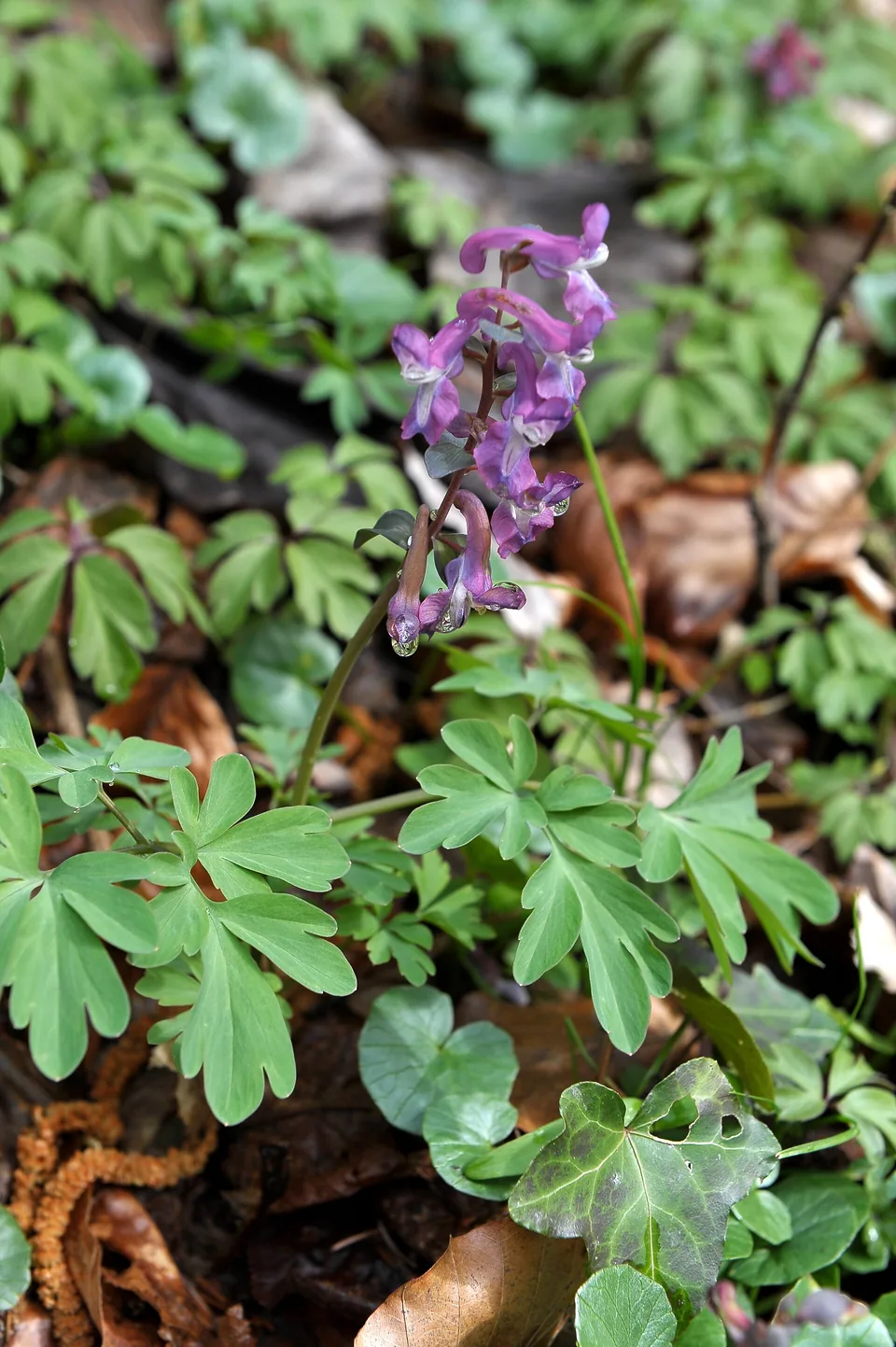
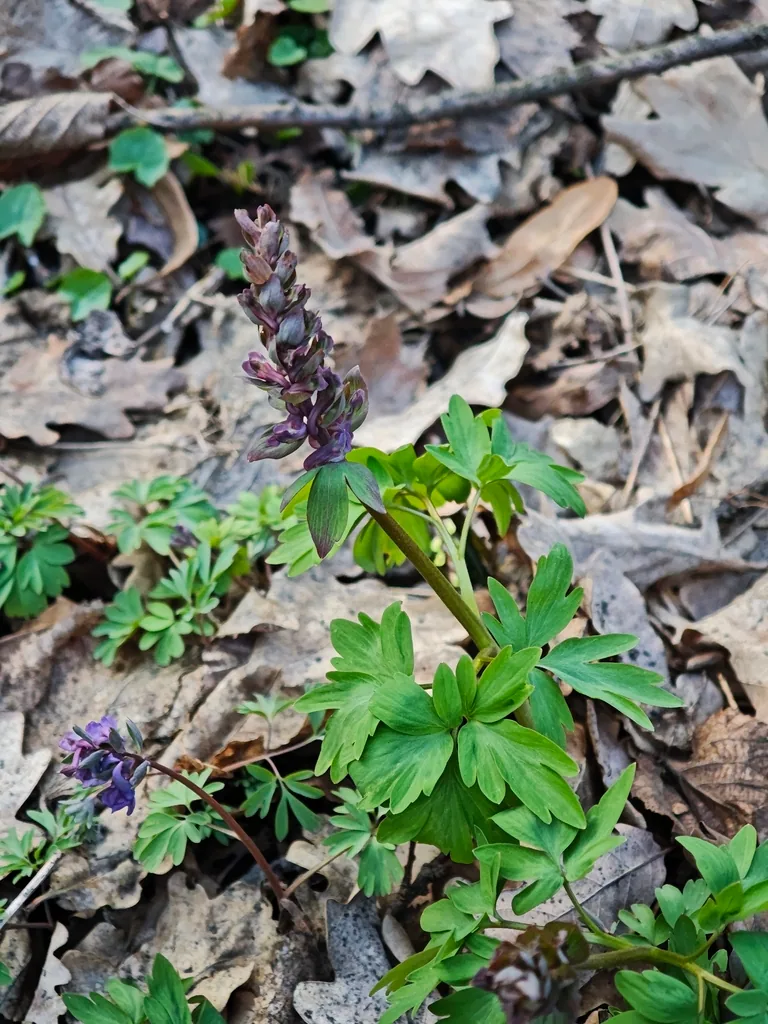
Corydalis cava is a perennial plant that grows up to 0.15 metres [0.5 ft] tall. [1] It prefers a moist, well-drained soil in partial shade. [1] The tubers contain poisonous alkaloids that cause seizures. [6]
This record is incomplete: the sources we read do not cover every field yet.
Not yet covered by our sources: Hardiness, warmest zone, Pruning
Hollowroot care
Measurements in square brackets are our conversion into the other unit system; the quoted text is unchanged.
How to water Hollowroot
Watering
Moderate
What the sources say (1)
Water moderate Hardiness Zone 6+Watering notes
Drought intolerant
What the sources say (1)
Drainage well drained Tolerates Nutritionally Poor Soil No Drought intolerantHow much light Hollowroot needs
How much cold Hollowroot can take
Hardiness, coldest zone
6 [winter low −23.3 to −17.8 °C (−10 to 0 °F)]
What the sources say (1)
Water moderate Hardiness Zone 6+Hardiness, warmest zone
Not stated in the sources we read.
How to propagate Hollowroot
Seed; division after flowering
Remedies
Each remedy shows what official sources say about it; traditional remedies without an official source are marked as such. Harmful ones are listed so you know to avoid them.
First aid
First aid: not a substitute for a doctor
plant ingestion
do not induce vomiting Official source, not independently tested
Symptoms of poisoning may take time to develop. However, if you think someone has been poisoned, DO NOT wait for symptoms to develop. Get medical help right away.
— medlineplus.gov [8] How: DO NOT make a person throw up unless told to do so by poison control or a health care professional.
DO NOT make a person throw up unless told to do so by poison control or a health care professional.
— medlineplus.gov [8]
Is Hollowroot poisonous?
Reported by the source, quoted verbatim. This is not medical or veterinary advice: if a person or an animal may have eaten this plant, contact a poison control centre or a veterinarian.
The tubers in particular contain poisonous alkaloids that cause seizures.
[6]
Calendar
Sowing
As soon as the seed is ripe
What the sources say (1)
Seed - best sown as soon as it is ripe, the seed rapidly loses viability if it is allowed to become dryPlanting
When dormant
What the sources say (1)
Plant them out into their permanent positions when they are dormant. Division after flowering.Pruning
Not stated in the sources we read.
Months as given by the sources, which are mostly from the United States (northern hemisphere). In the southern hemisphere they shift by about six months.
Similar plants
- Yellow Fumewort Corydalis flavula
- Spring fumewort Corydalis solida
- Abies grandis Abies grandis
- Acanthus hungaricus Acanthus hungaricus
- Achlys triphylla Achlys triphylla
- Aconite Aconitum napellus
- Afghan Redbud Cercis griffithii
- African Blood Lily Scadoxus multiflorus
Sources
Every value above is quoted from these documents. Links lead to the original publisher.
- Corydalis cava - Useful Temperate Plants · temperate.theferns.info, consulted
- Corydalis cava — Practical Plants · practicalplants.org, consulted
- The jewel-like Corydalis is perfect for dainty colour in the garden: here's how to care for and plant it plus the best types to grow | Gardens Illustrated · gardensillustrated.com, consulted
- Corydalis Species | Pacific Bulb Society · pacificbulbsociety.org, consulted
- How to Grow Corydalis - Fumewort · harvesttotable.com, consulted
- · naturblick.museumfuernaturkunde.berlin, consulted
- Corydalis cava | Euro+Med-Plantbase · europlusmed.org, consulted
- medlineplus.gov · medlineplus.gov
Written by Emilio Marruso · last checked