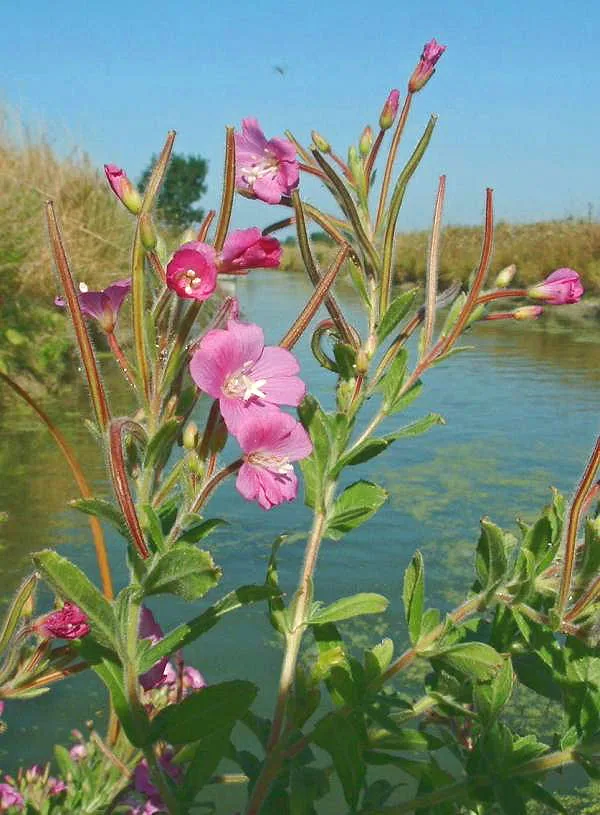
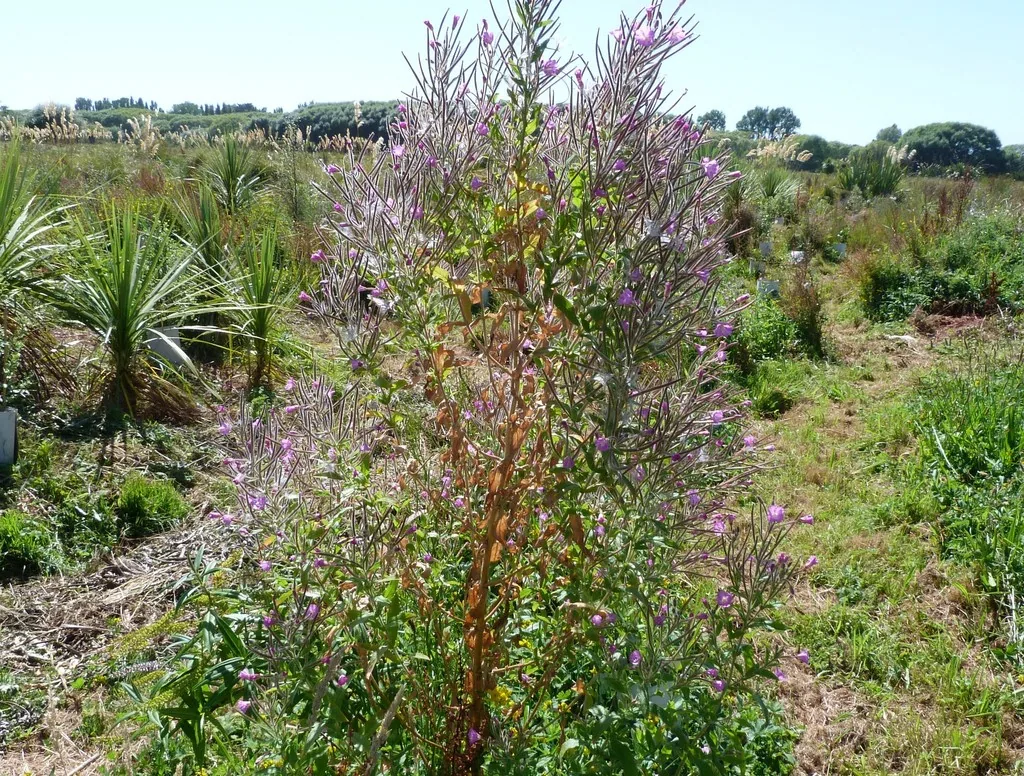

How to Grow and Care for Hairy Willowherb
Epilobium hirsutum
Written by Emilio Marruso · last checked
At a glance
Great willowherb loves the sun and can reach 6 feet tall, bringing real height to a sunny spot. It can live for one season or come back year after year. Give it full sun and keep an eye on it: it spreads fast by roots and wind-blown seed, so cut it before it goes to seed and never compost it.
- Sun
Full sun
What the sources say (2)
Light: Full sun
Light: Full sun (6 or more hours of direct sunlight a day)
— Epilobium hirsutum (Codlins and Cream, European Fireweed, Fiddle Grass, Hairy Willowherb, Hairy Willow Herb) | North Carolina Extension Gardener Plant Toolbox [1] is often found growing in full sun in wetlands, low areas, in ditches, along roadsides, and along stream beds.
— Epilobium hirsutum (Codlins and Cream, European Fireweed, Fiddle Grass, Hairy Willowherb, Hairy Willow Herb) | North Carolina Extension Gardener Plant Toolbox [1] - Watch out
Spreads fast by roots and wind-blown seed; don't let it go to seed, and bin it, never compost it
- Size
Up to 6 ft tall
What the sources say (1)
Mature height: 183 cm (6 ft)
This plant reaches a mature height of 6 feet tall.
— Epilobium hirsutum (Codlins and Cream, European Fireweed, Fiddle Grass, Hairy Willowherb, Hairy Willow Herb) | North Carolina Extension Gardener Plant Toolbox [1]
Overview
Epilobium hirsutum is a semi-aquatic annual or perennial native to North Africa and Eurasia. [1] It is described as weedy and can spread aggressively, and is marked as invasive in some regions. [1] It grows in moist soils in full sun, often in wetlands, ditches and along stream beds. [1]
This record is incomplete: the sources we read do not cover every field yet.
Not yet covered by our sources: Hardiness, coldest zone, Hardiness, warmest zone, Propagation
Hairy Willowherb care
How much light Hairy Willowherb needs
Full sun
What the sources say (2)
Light:
Full sun (6 or more hours of direct sunlight a day)is often found growing in full sun in wetlands, low areas, in ditches, along roadsides, and along stream beds.How much cold Hairy Willowherb can take
Hardiness, coldest zone
Not stated in the sources we read.
Hardiness, warmest zone
Not stated in the sources we read.
How to propagate Hairy Willowherb
Not stated in the sources we read.
How to grow Hairy Willowherb
The plant
Life cycle
annual or perennial
What the sources say (1)
Hairywillow herb is a semi-aquatic annual or perennial in the Onagraceae family native to North Africa and Eurasia.Family
Onagraceae
What the sources say (1)
Hairywillow herb is a semi-aquatic annual or perennial in the Onagraceae family native to North Africa and Eurasia.Mature height
183 cm (6 ft)
What the sources say (1)
This plant reaches a mature height of 6 feet tall.Hairy Willowherb pests and problems
Weedy spread
Symptom: Spreads aggressively by rhizomes and wind-dispersed seed; marked as invasive in some regions
What to do: Inspect liners to prevent introduction; prevent plants from going to seed; do not compost, dispose of in the garbage; not well managed by currently labeled herbicides
What the sources say (3)
Inspect liners to prevent introduction. Prevent plants from going to seed. Willowherbs are not well managed by herbicides currently labeled for use.
— Epilobium hirsutum (Codlins and Cream, European Fireweed, Fiddle Grass, Hairy Willowherb, Hairy Willow Herb) | North Carolina Extension Gardener Plant Toolbox [1] Do not compost, dispose of this plant in the garbage.
— Epilobium hirsutum (Codlins and Cream, European Fireweed, Fiddle Grass, Hairy Willowherb, Hairy Willow Herb) | North Carolina Extension Gardener Plant Toolbox [1] it reproduces through rhizomes or by wind dispersed seed.
— Epilobium hirsutum (Codlins and Cream, European Fireweed, Fiddle Grass, Hairy Willowherb, Hairy Willow Herb) | North Carolina Extension Gardener Plant Toolbox [1]
Remedies
Each remedy shows what official sources say about it; traditional remedies without an official source are marked as such. Harmful ones are listed so you know to avoid them.
Getting rid of it
hairy willowherb infestation
hand pulling and digging up Works
Bag and dispose of all plant material in the garbage, not compost.
— kingcounty.gov [4] How: Small infestations can be dug up, removing all roots and rhizomes so the plants do not re-sprout; bag and dispose of the plant material in the garbage, not compost.
Small infestations can be dug up. Make sure to remove all roots and rhizomes (root system that spreads outwards and can grow new stems) to prevent plants from re-sprouting.
— kingcounty.gov [4] What the evidence says Willowherbs can be controlled in the garden by hand pulling or cultivation before they set seed.
— sonomamg.ucanr.edu [5]
seed spread during removal
bagging the plant before cutting Official source, not independently tested
How: Place a bag over the plant and cut the stems before removing the roots, so seeds are not spread.
If plants have seeds they will spread easily if disturbed, so place a bag over the plant and cut the stems before removing the roots.
— kingcounty.gov [4]
Similar plants
- Fireweed Epilobium angustifolium
- Fringed Willowherb Epilobium ciliatum
- Creeping Water Primrose Ludwigia hexapetala
- Marsh Purslane Ludwigia palustris
- Showy Evening Primrose Oenothera speciosa
- Hardy Fushia Fuchsia magellanica
- Mosaic Plant Ludwigia sedoides
- Seedbox Ludwigia alternifolia
Sources
Every value above is quoted from these documents. Links lead to the original publisher.
- Epilobium hirsutum (Codlins and Cream, European Fireweed, Fiddle Grass, Hairy Willowherb, Hairy Willow Herb) | North Carolina Extension Gardener Plant Toolbox · plants.ces.ncsu.edu, consulted
- European Fireweed - Epilobium hirsutum | North Carolina Extension Gardener Plant Toolbox · plants.ces.ncsu.edu, consulted
- Hairy Willowherb - Epilobium hirsutum | North Carolina Extension Gardener Plant Toolbox · plants.ces.ncsu.edu, consulted
- kingcounty.gov · kingcounty.gov
- sonomamg.ucanr.edu · sonomamg.ucanr.edu
Written by Emilio Marruso · last checked