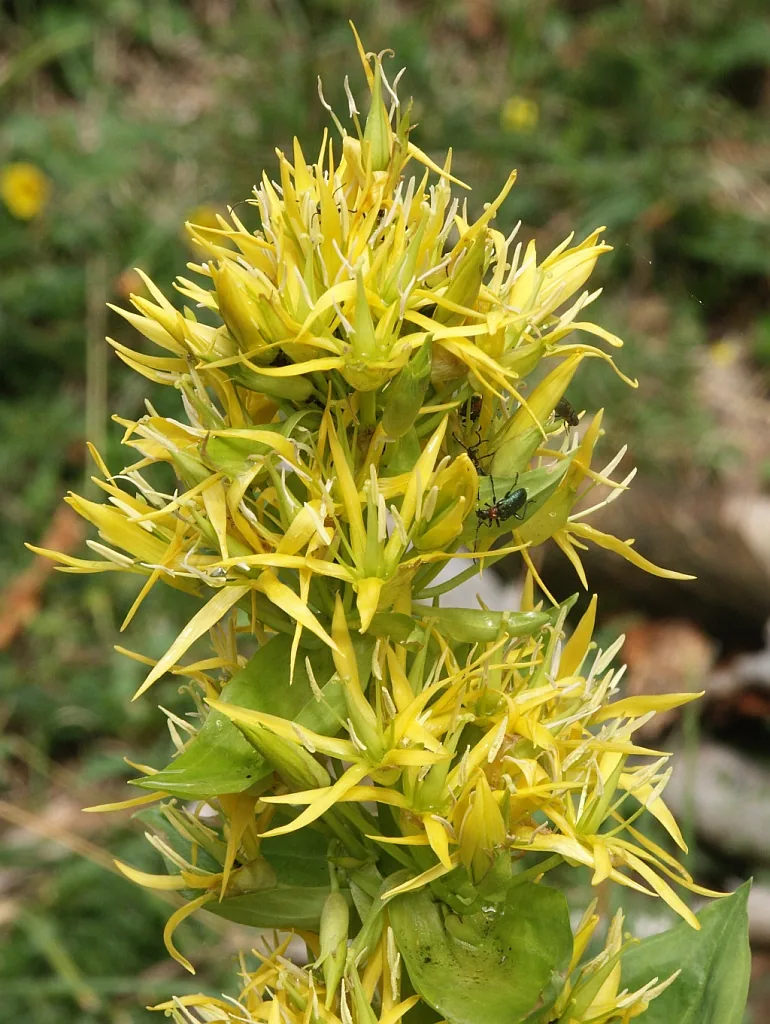
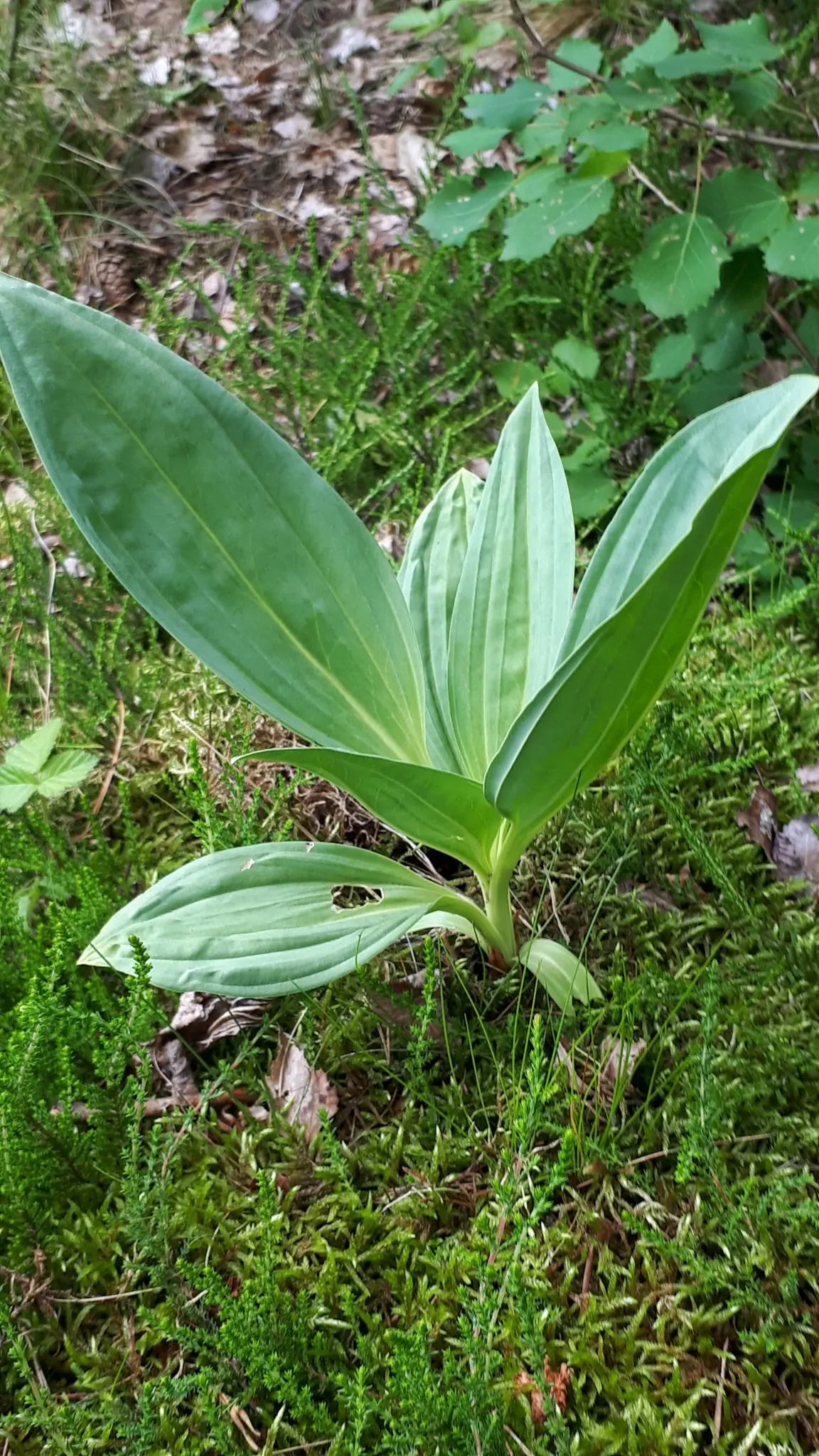

How to Grow and Care for Great Yellow Gentian
Gentiana lutea
Written by Emilio Marruso · last checked
Toxic to: People · Why
At a glance
Gentian keeps its treasure in its roots: they taste intensely bitter and are used to make gentian bitters and gentian brandy, and even to flavor rice dishes. Give it full sun or partial shade and plenty of moisture deep in the soil in summer. Sow the seeds as soon as they ripen, then dig up the roots in autumn.
- Sun
Full sun; also does well in partial shade
What the sources say (1)
Light: Full sun, succeeds in partial shade
It prefers full sun but succeeds in partial shade
— Gentiana lutea - Useful Temperate Plants [3] - Water
Keep the soil moist deep down in summer; it hates drying out
What the sources say (2)
Watering: Plenty of underground moisture in summer; very low tolerance of summer water stress
it prefers to grow with full exposure to the sun but with plenty of underground moisture in the summer
— Gentiana lutea - Useful Temperate Plants [3] The relatively low values of soil water deficit (mostly lower than 30 mm yr(-1)) indicated a very low tolerance of the species to summer water stress.
— Pedo-climatic and land use preferences of Gentiana lutea subsp lutea in central Italy [2] - Harvest
Dig the roots in autumn; they are very bitter and flavor liqueurs and rice dishes
What the sources say (1)
Harvest: Roots harvested in autumn
is harvested in the autumn and dried for later use
— Gentiana lutea - Useful Temperate Plants [3] - Propagation
Grow it from seed; don't divide it, the roots are delicate
What the sources say (1)
Propagation: Seed (division not recommended: sensitive roots)
Seed - best sown as soon as it is ripe in a light position in a cold frame
— Gentiana lutea - Useful Temperate Plants [3] - Sowing
Sow as soon as seeds ripen, in a bright cold frame; late winter or early spring also works
What the sources say (2)
Sowing: Best sown as soon as ripe in a light position in a cold frame (also possible in late winter or early spring)
Seed - best sown as soon as it is ripe in a light position in a cold frame
— Gentiana lutea - Useful Temperate Plants [3] It can also be sown in late winter or early spring but the seed germinates best if given a period of cold stratification
— Gentiana lutea - Useful Temperate Plants [3] - Safety
No known hazards to people
Overview
Yellow gentian is a slow-growing perennial of European mountains whose roots are used for bitter liqueurs. [5][3] It prefers full sun but tolerates partial shade, needs plenty of summer moisture and does not tolerate high temperatures. [3][2]
This record is incomplete: the sources we read do not cover every field yet.
Not yet covered by our sources: Hardiness, coldest zone, Hardiness, warmest zone, Pruning
Great Yellow Gentian care
How to water Great Yellow Gentian
Plenty of underground moisture in summer; very low tolerance of summer water stress
What the sources say (2)
it prefers to grow with full exposure to the sun but with plenty of underground moisture in the summerThe relatively low values of soil water deficit (mostly lower than 30 mm yr(-1)) indicated a very low tolerance of the species to summer water stress.How much light Great Yellow Gentian needs
Full sun, succeeds in partial shade
What the sources say (1)
It prefers full sun but succeeds in partial shadeHow much cold Great Yellow Gentian can take
Hardiness, coldest zone
Not stated in the sources we read.
Hardiness, warmest zone
Not stated in the sources we read.
How to propagate Great Yellow Gentian
Seed (division not recommended: sensitive roots)
What the sources say (1)
Seed - best sown as soon as it is ripe in a light position in a cold frameRemedies
The sources we checked give no remedies for this plant.
Is Great Yellow Gentian poisonous?
Reported by the source, quoted verbatim. This is not medical or veterinary advice: if a person or an animal may have eaten this plant, contact a poison control centre or a veterinarian.
Known Hazards None known ## Botanical References 50 Title Flora Europaea
[3]
Calendar
Sowing
Best sown as soon as ripe in a light position in a cold frame (also possible in late winter or early spring)
What the sources say (2)
Seed - best sown as soon as it is ripe in a light position in a cold frameIt can also be sown in late winter or early spring but the seed germinates best if given a period of cold stratificationHarvest
Roots harvested in autumn
What the sources say (1)
is harvested in the autumn and dried for later usePruning
Not stated in the sources we read.
Months as given by the sources, which are mostly from the United States (northern hemisphere). In the southern hemisphere they shift by about six months.
Edibility
Reported by the source, quoted verbatim. Do not eat a plant on the basis of this page alone: identification mistakes can be dangerous.
Similar plants
- Gentian Gentiana acaulis
- Gentiana clusii Gentiana clusii
- Willow Gentian Gentiana asclepiadea
- Closed bottle gentian Gentiana andrewsii
- Spring gentian Gentiana verna
- Abies grandis Abies grandis
- Abraham Trachystemon orientalis
- Abyssinian banana Ensete ventricosum
Sources
Every value above is quoted from these documents. Links lead to the original publisher.
- Domenico Scarlattilaan 6 ● 1083 HS ● Amsterdam ● United Kingdom · ema.europa.eu, consulted
- Pedo-climatic and land use preferences of Gentiana lutea subsp lutea in central Italy · pubblicazioni.unicam.it, consulted
- Gentiana lutea - Useful Temperate Plants · temperate.theferns.info, consulted
- NEW TRENDS OF GENTIANA LUTEA CULTIVATION GENTIANA LUTEA L. - ishs · ishs.org, consulted
- CULTIVATION ASPECTS OF GENTIANA LUTEA L. - ishs · ishs.org, consulted
- Come coltivare la Genziana in balcone e giardino - GreenStyle · greenstyle.it, consulted
- Genziana, cura e coltivazione - Cose di Casa · cosedicasa.com, consulted
Written by Emilio Marruso · last checked