
How to Grow and Care for Helleborus dumetorum
Helleborus dumetorum
Written by Emilio Marruso · last checked
Classified as poisonous · Why
At a glance
This hellebore is a plant you can start yourself from seed, and it grows happily in a container too, so even a patio or balcony can make room for it. Its seeds usually need a spell of cold before they sprout, a simple step that turns sowing into a patient, rewarding little project you can follow from the very first seedling.
- Propagation
Grow it from seed; the seeds usually need a spell of cold before they sprout
What the sources say (1)
Propagation: Seed (cold stratification usually recommended)
Stratify seeds: Cold stratification may not be necessary but is usually recommended
— Hellebore (Helleborus dumetorum) in the Hellebores Database - Garden.org [2] - Containers
Grows in containers too
What the sources say (1)
In containers: Yes
Suitable in 3 gallon or larger
— Hellebore (Helleborus dumetorum) in the Hellebores Database - Garden.org [2]
Overview
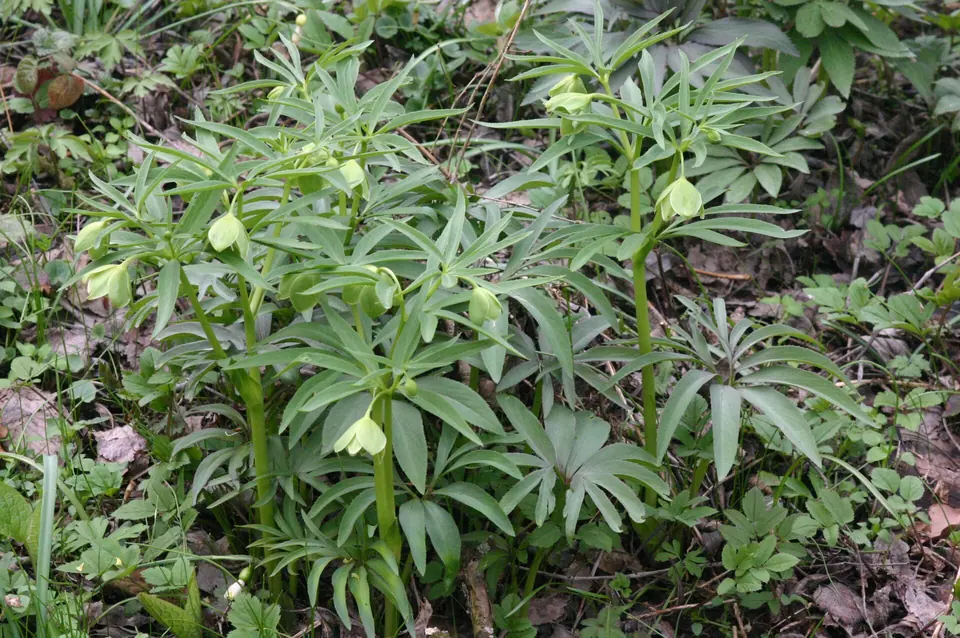
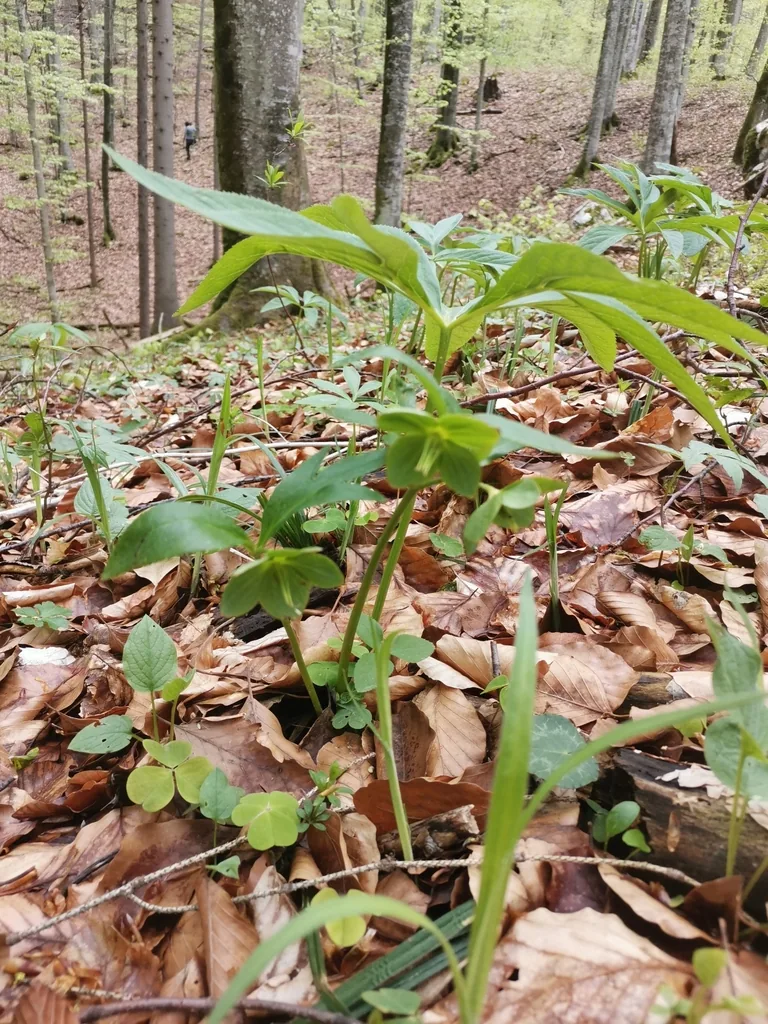
Helleborus dumetorum is listed as a perennial herb that provides winter interest and is used as a cut flower. [2] The Vienna Botanical Garden notes that it occurs sparsely in the foothills of the south-eastern Alps, with pale green flowers, growing in riparian woodland. [1] Garden.org states that all parts of the plant can be highly toxic if ingested and can cause eye and skin irritation. [2]
This record is incomplete: the sources we read do not cover every field yet.
Not yet covered by our sources: Watering, Light, Hardiness, coldest zone, Hardiness, warmest zone, Pruning
Helleborus dumetorum care
How to water Helleborus dumetorum
Not stated in the sources we read.
How much light Helleborus dumetorum needs
Not stated in the sources we read.
How much cold Helleborus dumetorum can take
Hardiness, coldest zone
Not stated in the sources we read.
Hardiness, warmest zone
Not stated in the sources we read.
Where to grow Helleborus dumetorum
Yes
What the sources say (1)
Suitable in 3 gallon or largerHow to propagate Helleborus dumetorum
Seed (cold stratification usually recommended)
What the sources say (1)
Stratify seeds: Cold stratification may not be necessary but is usually recommendedHow to grow Helleborus dumetorum
Fertilizing
When
The sources give different values depending on region, zone or growing conditions.
What each source says
Helleborus in general: Late winter or early spring
What the sources say (1)
Helleborus in general: Use a slow-release fertilizer high in potassium in late winter or early spring to encourage flowering.How often
The sources give different values depending on region, zone or growing conditions.
What each source says
Helleborus in general, in borders: Seldom needed
Helleborus in general, in containers: Regular feeding
What the sources say (2)
Helleborus in general, in borders: Feeding - Hellebores in borders seldom need additional feedingHelleborus in general, in containers: Plants in containers have less access to nutrients, so need regular feeding with a balanced liquid fertiliser.Natural fertilizers
The sources give different values depending on region, zone or growing conditions.
What each source says
Helleborus in general, at planting: 5.08-7.62 cm [2–3 in] of organic compost worked gently into the top layer of soil
What the sources say (1)
Helleborus in general, at planting: The hellebore is best planted with a topping of two or three inches of organic compost worked gently into the top layer of soil.Mineral fertilizers
The sources give different values depending on region, zone or growing conditions.
What each source says
Helleborus in general: Slow-release fertilizer high in potassium
Helleborus in general, in containers: Balanced liquid fertilizer; a potassium-rich fertilizer to encourage flowering
What the sources say (2)
Helleborus in general: Use a slow-release fertilizer high in potassium in late winter or early spring to encourage flowering.Helleborus in general, in containers: need regular feeding with a balanced liquid fertiliser. To encourage flowering, use a potassium-rich fertiliser, such as tomato feedAvoid
The sources give different values depending on region, zone or growing conditions.
What each source says
Helleborus in general: High-nitrogen fertilizers
Helleborus in general: Overloading the plant with nitrogen
Signs of excess
The sources give different values depending on region, zone or growing conditions.
What each source says
Helleborus in general: Too much nitrogen gives lush foliage and few blooms
What the sources say (1)
Helleborus in general: Too much nitrogen will cause the plant to produce lush foliage, but will leave you disappointed with a shortage of blooms.Remedies
Each remedy shows what official sources say about it; traditional remedies without an official source are marked as such. Harmful ones are listed so you know to avoid them.
First aid
First aid: not a substitute for a doctor
skin-irritation
wash sap off skin with running water Official source, not independently tested
if you think someone has been poisoned, DO NOT wait for symptoms to develop. Get medical help right away.
— medlineplus.gov [7] How: If you have plant material, juices, or sap on your skin, wash quickly with plenty of running water.
If you have plant material, juices, or sap on your skin, wash quickly with plenty of running water.
— poison.org [6]
Calendar
Pruning
Not stated in the sources we read.
Months as given by the sources, which are mostly from the United States (northern hemisphere). In the southern hemisphere they shift by about six months.
Similar plants
- Corsican Hellebore Helleborus argutifolius
- Green hellebore Helleborus viridis
- Hellebore Helleborus niger
- Helleborus multifidus Helleborus multifidus
- Lenten Rose Helleborus orientalis
- Stinking Hellebore Helleborus foetidus
- Aaron's Beard Hypericum calycinum
- Abies grandis Abies grandis
Sources
Every value above is quoted from these documents. Links lead to the original publisher.
- Nieswurz und Schneerose · botanischergarten.univie.ac.at, consulted
- Hellebore (Helleborus dumetorum) in the Hellebores Database - Garden.org · garden.org, consulted
- beaufort.ces.ncsu.edu · beaufort.ces.ncsu.edu
- rhs.org.uk · rhs.org.uk
- union.ces.ncsu.edu · union.ces.ncsu.edu
- poison.org · poison.org
- medlineplus.gov · medlineplus.gov
Written by Emilio Marruso · last checked