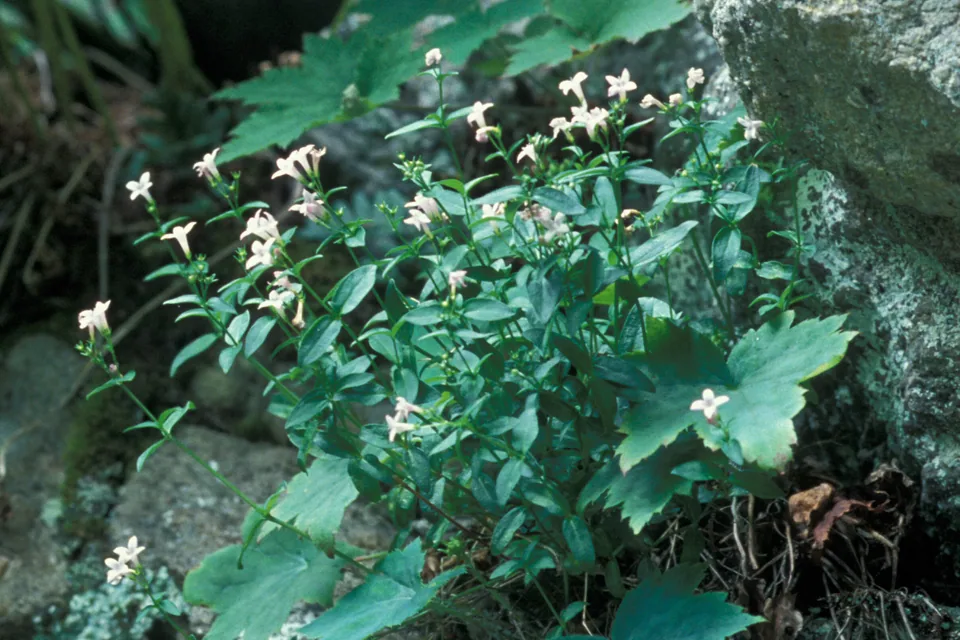


How to Grow and Care for Summer Bluet
Houstonia purpurea
Written by Emilio Marruso · last checked
At a glance
This small perennial stays compact, just 4–12 inches tall and up to 1 foot wide, so it fits almost anywhere in the garden. It's happy in full sun or partial shade, in fertile, well-drained soil that can be moist or dry. Plant it once and it may sow itself, and you can easily grow more from seed or by dividing it.
- Sun
Full sun to partial shade or dappled light
What the sources say (1)
Light: Full sun to partial shade or dappled sunlight
It prefers well-drained, moist to dry, fertile soil in full sun to partial shade or dappled sunlight.
— Houstonia purpurea (Large Bluet, Large Houstonia, Mountain Bluets, Purple Bluets, Summer Bluet, Venus' Pride, Woodland Bluets) | North Carolina Extension Gardener Plant Toolbox [1] - Water
Fine with soil from moist to dry, as long as water drains away
What the sources say (1)
Watering notes: Prefers well-drained, moist to dry, fertile soil
It prefers well-drained, moist to dry, fertile soil in full sun to partial shade or dappled sunlight.
— Houstonia purpurea (Large Bluet, Large Houstonia, Mountain Bluets, Purple Bluets, Summer Bluet, Venus' Pride, Woodland Bluets) | North Carolina Extension Gardener Plant Toolbox [1] - Cold
Survives winters down to −40 °F (−40 °C)
Very hardy · USDA 3a · RHS H7 · Z3
What the sources say (2)
Hardiness, coldest zone: 3a [winter low −40 to −37.2 °C (−40 to −35 °F)]
USDA Plant Hardiness Zone: 3a, 3b, 4a, 4b, 5a, 5b, 6a, 6b, 7a, 7b, 8a, 8b
— Houstonia purpurea (Large Bluet, Large Houstonia, Mountain Bluets, Purple Bluets, Summer Bluet, Venus' Pride, Woodland Bluets) | North Carolina Extension Gardener Plant Toolbox [1] Hardiness, warmest zone: 8b [winter low −9.4 to −6.7 °C (15 to 20 °F)]
USDA Plant Hardiness Zone: 3a, 3b, 4a, 4b, 5a, 5b, 6a, 6b, 7a, 7b, 8a, 8b
— Houstonia purpurea (Large Bluet, Large Houstonia, Mountain Bluets, Purple Bluets, Summer Bluet, Venus' Pride, Woodland Bluets) | North Carolina Extension Gardener Plant Toolbox [1] - Soil
Fertile, well-drained soil
What the sources say (1)
Watering notes: Prefers well-drained, moist to dry, fertile soil
It prefers well-drained, moist to dry, fertile soil in full sun to partial shade or dappled sunlight.
— Houstonia purpurea (Large Bluet, Large Houstonia, Mountain Bluets, Purple Bluets, Summer Bluet, Venus' Pride, Woodland Bluets) | North Carolina Extension Gardener Plant Toolbox [1] - Pests
Watch out for snails and slugs
What the sources say (1)
Pests: snails and slugs
Insects, Diseases, and Other Plant Problems: Snails and slugs are common pests of this plant.
— Houstonia purpurea (Large Bluet, Large Houstonia, Mountain Bluets, Purple Bluets, Summer Bluet, Venus' Pride, Woodland Bluets) | North Carolina Extension Gardener Plant Toolbox [1] - Size
4–12 in tall, up to 1 ft wide
What the sources say (2)
Mature height: 10.16-30.48 cm (4-12 in)
It forms low mounds and spreads slowly, growing 4 to 12 inches tall and spreading up to 1 foot.
— Houstonia purpurea (Large Bluet, Large Houstonia, Mountain Bluets, Purple Bluets, Summer Bluet, Venus' Pride, Woodland Bluets) | North Carolina Extension Gardener Plant Toolbox [1] Mature width: up to 30.48 cm (1 ft)
It forms low mounds and spreads slowly, growing 4 to 12 inches tall and spreading up to 1 foot.
— Houstonia purpurea (Large Bluet, Large Houstonia, Mountain Bluets, Purple Bluets, Summer Bluet, Venus' Pride, Woodland Bluets) | North Carolina Extension Gardener Plant Toolbox [1] - Propagation
Grow more from seed or by dividing the plant; it also sows itself
What the sources say (2)
Propagation: Seed or division; self-seeds
Propagation is by seed or division.
— Houstonia purpurea (Large Bluet, Large Houstonia, Mountain Bluets, Purple Bluets, Summer Bluet, Venus' Pride, Woodland Bluets) | North Carolina Extension Gardener Plant Toolbox [1] its self-seeding properties allow the plant to appear year after year.
— Houstonia purpurea (Large Bluet, Large Houstonia, Mountain Bluets, Purple Bluets, Summer Bluet, Venus' Pride, Woodland Bluets) | North Carolina Extension Gardener Plant Toolbox [1]
Overview
Houstonia purpurea is a short-lived native herbaceous perennial that forms low mounds and self-seeds. [1] It grows 4 to 12 inches [10–30 cm] tall and can be used as a ground cover or in rock and pollinator gardens. [1]
This record is incomplete: the sources we read do not cover every field yet.
Not yet covered by our sources: Watering, Pruning
Summer Bluet care
Measurements in square brackets are our conversion into the other unit system; the quoted text is unchanged.
How to water Summer Bluet
Watering
Not stated in the sources we read.
Watering notes
Prefers well-drained, moist to dry, fertile soil
What the sources say (1)
It prefers well-drained, moist to dry, fertile soil in full sun to partial shade or dappled sunlight.How much light Summer Bluet needs
Full sun to partial shade or dappled sunlight
What the sources say (1)
It prefers well-drained, moist to dry, fertile soil in full sun to partial shade or dappled sunlight.How much cold Summer Bluet can take
Hardiness, coldest zone
3a [winter low −40 to −37.2 °C (−40 to −35 °F)]
What the sources say (1)
USDA Plant Hardiness Zone:
3a, 3b, 4a, 4b, 5a, 5b, 6a, 6b, 7a, 7b, 8a, 8bHardiness, warmest zone
8b [winter low −9.4 to −6.7 °C (15 to 20 °F)]
What the sources say (1)
USDA Plant Hardiness Zone:
3a, 3b, 4a, 4b, 5a, 5b, 6a, 6b, 7a, 7b, 8a, 8bHow to propagate Summer Bluet
Seed or division; self-seeds
What the sources say (2)
Propagation is by seed or division.its self-seeding properties allow the plant to appear year after year.How to grow Summer Bluet
The plant
Life cycle
perennial
What the sources say (1)
Family:
Rubiaceae
Uses (Ethnobotany):
Native wildflower makes a great ground cover.
Life Cycle:
Perennial
Recommended Propagation Strategy:
Division
SeedFamily
Rubiaceae
What the sources say (1)
Family:
Rubiaceae
Uses (Ethnobotany):
Native wildflower makes a great ground cover.
Life Cycle:
Perennial
Recommended Propagation Strategy:
Division
SeedMature height
10.16-30.48 cm (4-12 in)
What the sources say (1)
It forms low mounds and spreads slowly, growing 4 to 12 inches tall and spreading up to 1 foot.Mature width
up to 30.48 cm (1 ft)
What the sources say (1)
It forms low mounds and spreads slowly, growing 4 to 12 inches tall and spreading up to 1 foot.Pests and diseases
Pests
snails and slugs
What the sources say (1)
Insects, Diseases, and Other Plant Problems: Snails and slugs are common pests of this plant.Summer Bluet pests and problems
Snails and slugs
Symptom: Snails and slugs are common pests of this plant
What the sources say (1)
Snails and slugs are common pests of this plant.
— Houstonia purpurea (Large Bluet, Large Houstonia, Mountain Bluets, Purple Bluets, Summer Bluet, Venus' Pride, Woodland Bluets) | North Carolina Extension Gardener Plant Toolbox [1]
Remedies
Each remedy shows what official sources say about it; traditional remedies without an official source are marked as such. Harmful ones are listed so you know to avoid them.
Treating the plant
slugs and snails
handpicking Works
How: Pick the slugs and snails up and seal them in a plastic bag or drop them in a bucket of soapy water.
Pick them up and seal them in a plastic bag or drop them in a bucket of soapy water.
— extension.usu.edu [5] What the evidence says Handpicking is a time consuming but effective method of controlling slugs and snails when done regularly.
— extension.usu.edu [5] bait traps using beer Official source, not independently tested
How: Use a pie plate with the edges buried at ground level so the pests crawl in and are drowned.
Bait traps using beer, yeast water or even plain water also attract slugs. Use a pie plate with the edges buried at ground level so the pests crawl in and are drowned.
— extension.usu.edu [5] salt Harmful
How: Putting salt on slugs is a promoted method.
One often promoted method of controlling the pests is to put salt on them. This is not recommended because salt is very damaging to plants and might build up in the soil.
— extension.usu.edu [5] What the evidence says The use of salt, vinegar solutions, or boiling water is not recommended as it can cause plant damage.
— extension.umd.edu [6]
Calendar
Pruning
Not stated in the sources we read.
Months as given by the sources, which are mostly from the United States (northern hemisphere). In the southern hemisphere they shift by about six months.
Similar plants
- Azure Bluet Houstonia caerulea
- Buttonbush Cephalanthus occidentalis
- Chinese Buttonbush Adina rubella
- Coffee Coffea arabica
- Firebush Hamelia patens
- Gardenia Gardenia jasminoides
- Jungle Geranium Ixora coccinea
- Snowrose Serissa japonica
Sources
Every value above is quoted from these documents. Links lead to the original publisher.
- Houstonia purpurea (Large Bluet, Large Houstonia, Mountain Bluets, Purple Bluets, Summer Bluet, Venus' Pride, Woodland Bluets) | North Carolina Extension Gardener Plant Toolbox · plants.ces.ncsu.edu, consulted
- Mountain Bluets - Houstonia purpurea | North Carolina Extension Gardener Plant Toolbox · plants.ces.ncsu.edu, consulted
- Woodland Bluets - Houstonia purpurea | North Carolina Extension Gardener Plant Toolbox · plants.ces.ncsu.edu, consulted
- Summer Bluet - Houstonia purpurea | North Carolina Extension Gardener Plant Toolbox · plants.ces.ncsu.edu, consulted
- extension.usu.edu · extension.usu.edu
- extension.umd.edu · extension.umd.edu
Written by Emilio Marruso · last checked