
How to Grow and Care for Lilium carniolicum
Lilium carniolicum
Written by Emilio Marruso · last checked
Toxic to: Cats · Why
At a glance
This lily is easy to place in the garden: it grows happily anywhere from full sun to light shade. Give it well-drained soil, keep it evenly moist while it grows and let it stay drier once it rests. You can even multiply it yourself from seed or from the scales of its bulb, but keep it away from cats.
- Sun
Full sun to light shade
What the sources say (1)
Light: Full sun to light shade
Soil: Lime-rich, well-drained loam with added grit; avoid heavy clay or peat. - Light: Full sun to light shade.
— Lilium carniolicum – Lilium Species Foundation [2] - Water
Keep evenly moist while growing; let it stay drier when resting
What the sources say (1)
Watering: Evenly moist during growth; drier in dormancy
Light: Full sun to light shade. - Moisture: Evenly moist during growth; drier in dormancy.
— Lilium carniolicum – Lilium Species Foundation [2] - Soil
Well-drained soil; it can't stand heavy, soggy ground
What the sources say (2)
Watering notes: Intolerant of heavy, waterlogged soils; needs well-drained soil
Its bulbs prefer cool conditions and are intolerant of prolonged summer heat or heavy, waterlogged soils.
— Lilium carniolicum – Lilium Species Foundation [2] Soil: Lime-rich, well-drained loam with added grit; avoid heavy clay or peat.
— Lilium carniolicum – Lilium Species Foundation [2] - Propagation
From seed or from bulb scales
What the sources say (1)
Propagation: Seed, scaling
Propagation: From seed or scaling; bulbs prefer undisturbed sites and slowly naturalize.
— Lilium carniolicum – Lilium Species Foundation [2] - Safety
Every part is poisonous to cats; the bulbs can harm any pet
Overview
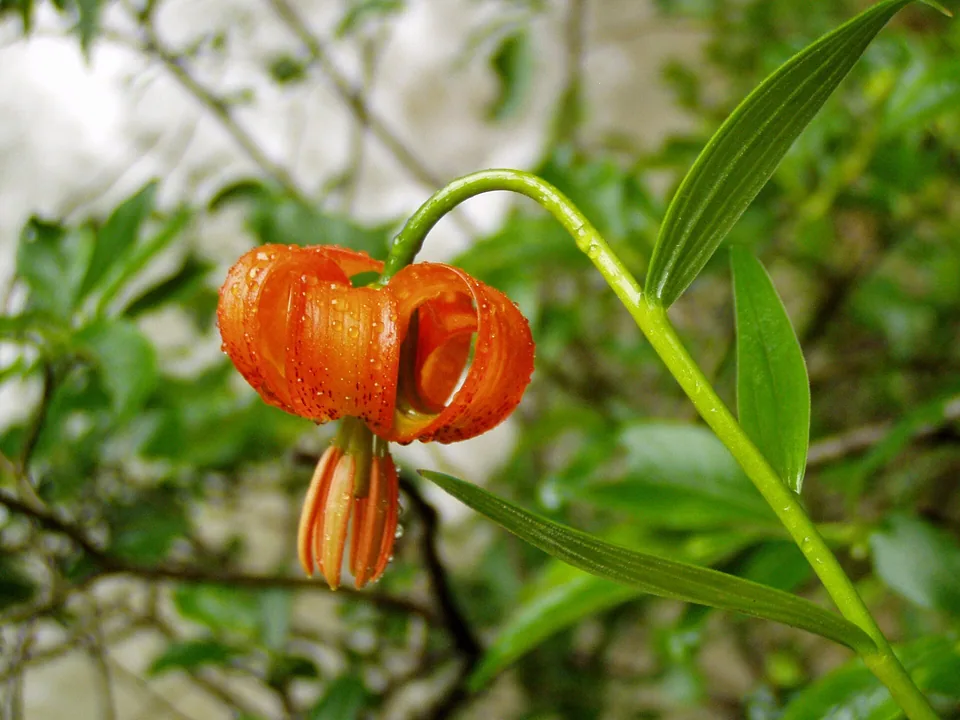
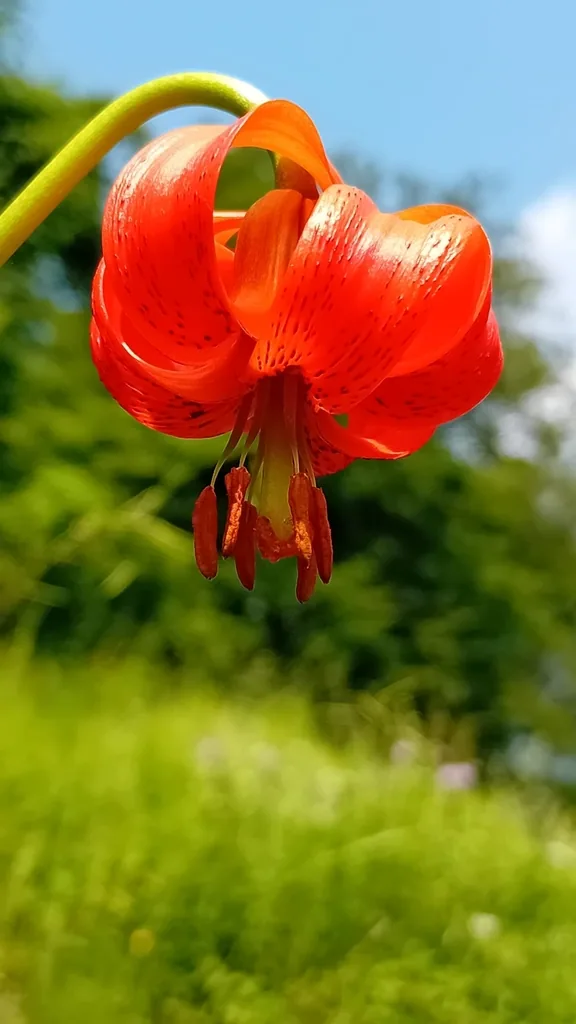
Carniolan lily is a mountain lily with nodding orange, dark-spotted flowers, distributed from northeastern Italy to western Bosnia. [1][3] It grows in open mountain meadows, forest margins and limestone slopes, in well-drained calcareous to neutral soils. [2] It is protected in Slovenia, where it is on the Red List of endangered plants. [3]
This record is incomplete: the sources we read do not cover every field yet.
Not yet covered by our sources: Hardiness, coldest zone, Hardiness, warmest zone, Pruning
Lilium carniolicum care
How to water Lilium carniolicum
Watering
Evenly moist during growth; drier in dormancy
What the sources say (1)
Light: Full sun to light shade.
-
Moisture: Evenly moist during growth; drier in dormancy.Watering notes
Intolerant of heavy, waterlogged soils; needs well-drained soil
What the sources say (2)
Its bulbs prefer cool conditions and are intolerant of prolonged summer heat or heavy, waterlogged soils.Soil: Lime-rich, well-drained loam with added grit; avoid heavy clay or peat.How much light Lilium carniolicum needs
Full sun to light shade
What the sources say (1)
Soil: Lime-rich, well-drained loam with added grit; avoid heavy clay or peat.
-
Light: Full sun to light shade.How much cold Lilium carniolicum can take
Hardiness, coldest zone
Not stated in the sources we read.
Hardiness, warmest zone
Not stated in the sources we read.
How to propagate Lilium carniolicum
Seed, scaling
What the sources say (1)
Propagation: From seed or scaling; bulbs prefer undisturbed sites and slowly naturalize.How to grow Lilium carniolicum
Fertilizing
When
The sources give different values depending on region, zone or growing conditions.
What each source says
Lilium in general, in containers: During the growing season, until the stems die down naturally
What the sources say (1)
Lilium in general, in containers: Continue to water and feed lilies in pots until the stems die down naturally; this will help to ensure good flowering next year.How often
The sources give different values depending on region, zone or growing conditions.
What each source says
Lilium in general, in containers: Every two weeks during the growing season
What the sources say (1)
Lilium in general, in containers: A potassium-rich liquid feed to encourage flowering and fruiting in various plants, not just tomatoes. Take care to follow the instructions on the packet.
) every two weeks during the growing seasonNatural fertilizers
The sources give different values depending on region, zone or growing conditions.
What each source says
Lilium in general, in borders: A 7.5–10 cm [3–3.9 in] mulch of well-rotted garden compost or leafmould in spring
What the sources say (1)
Lilium in general, in borders: borders and woodland areas with a 7.5–10cm layer of well-rotted garden compost or leafmould in spring.Mineral fertilizers
The sources give different values depending on region, zone or growing conditions.
What each source says
Lilium in general, in containers: Liquid high-potassium fertilizer
What the sources say (1)
Lilium in general, in containers: For good flowering in future years, feed plants in containers with liquid, high-potassium fertiliserSpacing
Between plants
The sources give different values depending on region, zone or growing conditions.
What each source says
Lilium in general (garden plants): Bulbs 15 cm [5.9 in] apart, or three times the bulb diameter
What the sources say (1)
Lilium in general (garden plants): Space bulbs 15cm, or three times the diameter of the bulb, apart.Propagation
Germination
The sources give different values depending on region, zone or growing conditions.
What each source says
Lilium in general (garden plants): Seed germinates best when sown fresh; leaves appear the following spring
What the sources say (1)
Lilium in general (garden plants): Seed germinates best when sown fresh, although leaves won't appear until the following spring.Heat and drought
Drought
The sources give different values depending on region, zone or growing conditions.
What each source says
Lilium in general (garden plants): In the ground, water only in very dry periods during summer
What the sources say (1)
Lilium in general (garden plants): Lilies in the ground should only need watering in very dry periods during summer.Remedies
The sources we checked give no remedies for this plant.
Is Lilium carniolicum toxic to pets?
Reported by the source, quoted verbatim. This is not medical or veterinary advice: if a person or an animal may have eaten this plant, contact a poison control centre or a veterinarian.
All parts of lilies are poisonous to cats and bulbs are a potential risk to all pets
[6]Genus-level warning: refers to the whole genus, not documented for this species
The source flags the risk for this animal but does not explain why.
Calendar
Pruning
Not stated in the sources we read.
Months as given by the sources, which are mostly from the United States (northern hemisphere). In the southern hemisphere they shift by about six months.
Similar plants
- Easter Lily Lilium longiflorum
- Formosan Lily Lilium formosanum
- Gold rayed lily Lilium auratum
- Gray's Lily Lilium grayi
- Henry's lily Lilium henryi
- Lilium pomponium Lilium pomponium
- Lilium pumilum Lilium pumilum
- Michigan lily Lilium michiganense
Sources
Every value above is quoted from these documents. Links lead to the original publisher.
- Pagina 59 - Juliana_Book_eng · dryades.units.it, consulted
- Lilium carniolicum – Lilium Species Foundation · liliumspeciesfoundation.org, consulted
- Carniolan lily or golden apple - Notranjski park - EN · notranjski-park.si, consulted
- Lilium | Pacific Bulb Society · pacificbulbsociety.org, consulted
- A beautiful flower is named for a Slovenian region - RTV SLO · rtvslo.si, consulted
- How to grow lilies | RHS Growing Guide · rhs.org.uk, consulted
Written by Emilio Marruso · last checked