
How to Grow and Care for Lilium pumilum
Lilium pumilum
Written by Emilio Marruso · last checked
Toxic to: Cats · Why
At a glance
This lily is a joy to plant: set the bulbs in early to mid fall, 4–6 inches apart, in soil that drains well. It is happy in full sun to light shade and only asks you to keep it out of soggy ground. You can even grow more from seed or bulb scales, and the starchy bulb can be cooked like a potato.
- Sun
Full sun to light shade
What the sources say (2)
- Water
Hates soggy soil: never let it sit in water
What the sources say (2)
- Cold
Survives winters down to −30 °F (−34.4 °C)
Very hardy · USDA 4 · RHS H7 · Z4
What the sources say (1)
Hardiness, coldest zone: 4 [winter low −34.4 to −28.9 °C (−30 to −20 °F)]
seed and by scales, flowering 2-3 years after sowing. Tolerates partial shade. Short-lived plant (5-7 years). Introduced in 1728. Z 4.
— MBG: Research: Russia: Ornamental plants from Russia [3] - Soil
Soil that drains well
What the sources say (2)
- Spacing
4–6 in between bulbs
What the sources say (1)
Spacing: 10-15 cm [3.9–5.9 in]
Plant species lilies with smaller bulbs, such as L. pumilum , 8cm deep and 10-15cm apart.
— How to grow lilies | RHS Growing Guide [4] - Planting
Plant bulbs in early to mid fall; in warm climates, up to late fall
What the sources say (3)
Planting: Early to mid autumn; as late as late autumn in warmer areas
cool temperate areas: Early to mid autumn is the best time to plant out the bulbs in cool temperate areas, in warmer areas they can be planted out as late as late autumn
— Lilium pumilum - Useful Temperate Plants [1] warmer areas: Early to mid autumn is the best time to plant out the bulbs in cool temperate areas, in warmer areas they can be planted out as late as late autumn
— Lilium pumilum - Useful Temperate Plants [1] Early to mid autumn is the best time to plant out the bulbs in cool temperate areas, in warmer areas they can be planted out as late as late autumn
— Lilium pumilum - Useful Temperate Plants [1] - Harvest
The bulb is edible: rich in starch, use it like a potato
- Pests
Lily beetles, slugs, aphids and vine weevils; give it good air flow against fungal diseases
What the sources say (3)
Pests: lily beetle, slugs, aphids, vine weevil
Lily beetle , slugs and aphids may feed on the leaves.
— How to grow lilies | RHS Growing Guide [4] Vine weevil larvae can damage roots in containers.
— How to grow lilies | RHS Growing Guide [4] Diseases: fungal diseases, viral diseases
Lilies can be affected by fungal and viral diseases, for more information see lily diseases .
— How to grow lilies | RHS Growing Guide [4] - Watch out
Rabbits and slugs eat the new shoots in early spring: protect the plants then
- Propagation
From seed, bulb scales, or by dividing the bulbs in fall
What the sources say (3)
Propagation: Seed; bulb scales; division of bulbs in autumn
seed and by scales, flowering 2-3 years after sowing.
— MBG: Research: Russia: Ornamental plants from Russia [3] Division with care in the autumn once the leaves have died down. Replant immediately
— Lilium pumilum - Useful Temperate Plants [1] Bulb scales can be removed from the bulbs in early autumn. If they are kept in a warm dark place in a bag of moist peat, they will produce bulblets.
— Lilium pumilum - Useful Temperate Plants [1] - Sowing
Sow in pots in a cold frame, late winter to early spring; fresh seed sprouts best
What the sources say (4)
Sowing: Late winter to early spring (pots in a cold frame)
Sow thinly in pots from late winter to early spring in a cold frame.
— Lilium pumilum - Useful Temperate Plants [1] Saving seeds: Let the seed pods ripen and turn brown before harvesting; ripe pods crack at the top, showing the disc-shaped seeds. Seed germinates best when sown fresh.
To collect lily seeds, allow the seed pods to ripen and turn brown before harvesting.
— How to grow lilies | RHS Growing Guide [4] When ripe, the pods will begin to crack at the top and you will be able to see the disc-shaped seeds inside.
— How to grow lilies | RHS Growing Guide [4] Seed germinates best when sown fresh, although leaves won't appear until the following spring.
— How to grow lilies | RHS Growing Guide [4] - Safety
Every part is poisonous to cats, and the bulbs are a risk to all pets
Overview
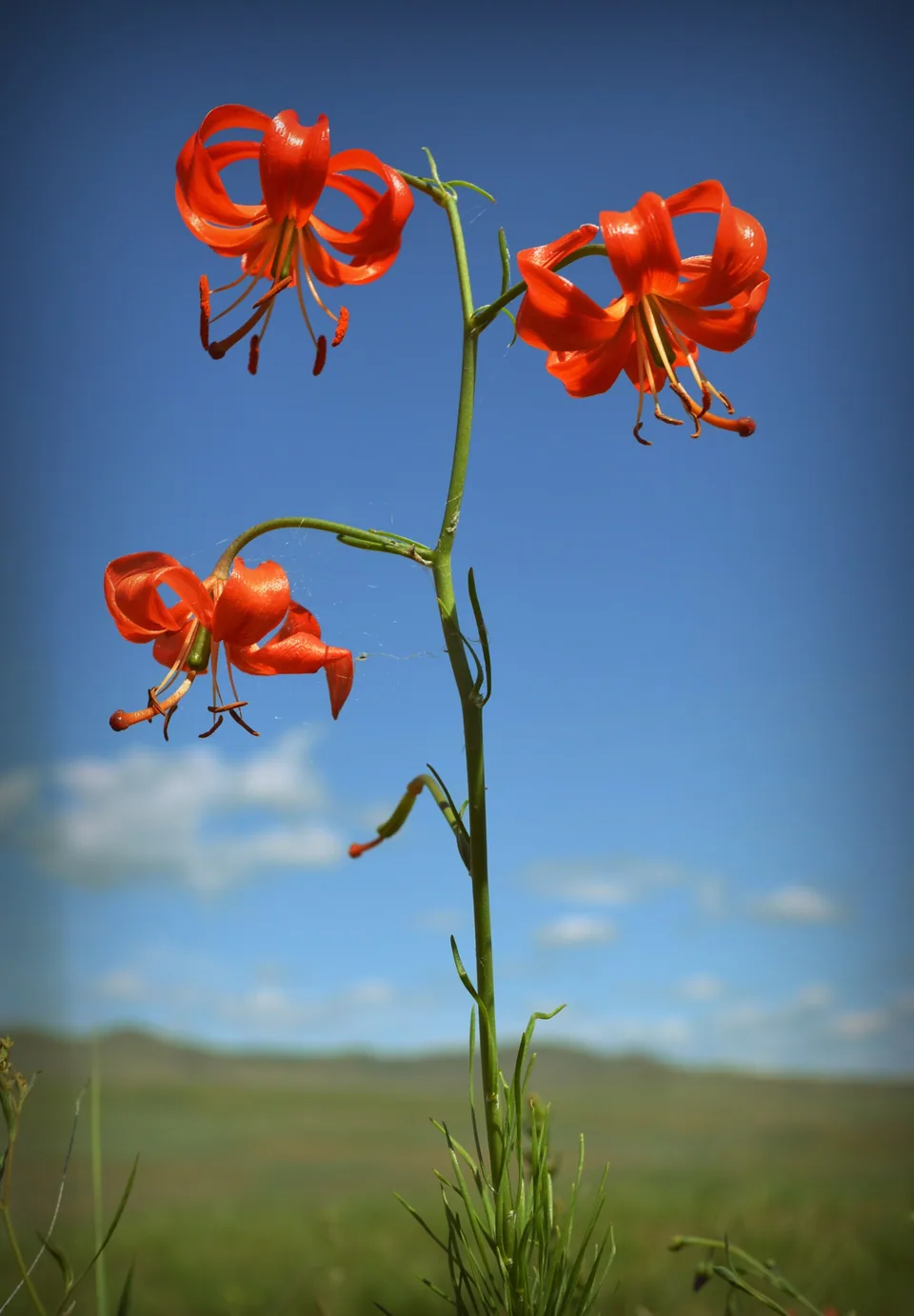
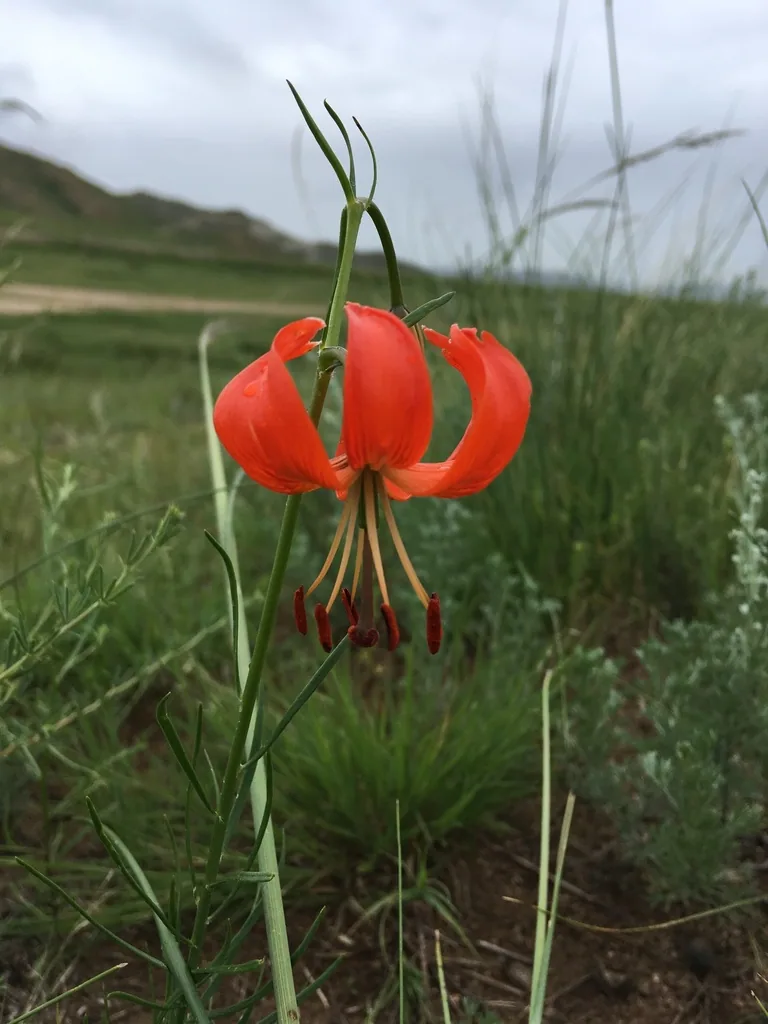
Lilium pumilum, the coral lily, is a small lily from Siberia, the Russian Far East, Mongolia, China and Korea, with nodding bright red turk's-cap flowers. [3] It is among the hardiest lilies and prefers full sun to light shade in sharp-draining, humus-rich soil. [2] It is a short-lived plant, flowering 2-3 years after sowing. [3]
This record is incomplete: the sources we read do not cover every field yet.
Not yet covered by our sources: Watering, Hardiness, warmest zone, Pruning
Lilium pumilum care
Measurements in square brackets are our conversion into the other unit system; the quoted text is unchanged.
How to water Lilium pumilum
Watering
Not stated in the sources we read.
Watering notes
Requires well-drained soil; dislikes saturated soils
How much light Lilium pumilum needs
Full sun to light shade
How much cold Lilium pumilum can take
Hardiness, coldest zone
4 [winter low −34.4 to −28.9 °C (−30 to −20 °F)]
What the sources say (1)
seed and by scales, flowering 2-3 years after sowing. Tolerates
partial shade. Short-lived plant (5-7 years). Introduced in 1728.
Z 4.Hardiness, warmest zone
Not stated in the sources we read.
Where to grow Lilium pumilum
10-15 cm [3.9–5.9 in]
What the sources say (1)
Plant species lilies with smaller bulbs, such as L. pumilum , 8cm deep and 10-15cm apart.How to propagate Lilium pumilum
Seed; bulb scales; division of bulbs in autumn
What the sources say (3)
seed and by scales, flowering 2-3 years after sowing.Division with care in the autumn once the leaves have died down. Replant immediatelyBulb scales can be removed from the bulbs in early autumn. If they are kept in a warm dark place in a bag of moist peat, they will produce bulblets.How to grow Lilium pumilum
Harvest and storage
Saving seeds
Let the seed pods ripen and turn brown before harvesting; ripe pods crack at the top, showing the disc-shaped seeds. Seed germinates best when sown fresh.
What the sources say (3)
To collect lily seeds, allow the seed pods to ripen and turn brown before harvesting.When ripe, the pods will begin to crack at the top and you will be able to see the disc-shaped seeds inside.Seed germinates best when sown fresh, although leaves won't appear until the following spring.Pests and diseases
Pests
lily beetle, slugs, aphids, vine weevil
Diseases
fungal diseases, viral diseases
What the sources say (1)
Lilies can be affected by fungal and viral diseases, for more information see lily diseases .Lilium pumilum pests and problems
Rabbits and slugs
Symptom: Shoot tip eaten in early spring; bulb does not grow that year and loses vigour
What to do: Protect plants in early spring
What the sources say (1)
The plant should be protected against rabbits and slugs in early spring. If the shoot tip is eaten out the bulb will not grow in that year and will lose vigour
— Lilium pumilum - Useful Temperate Plants [1] Fungal stress
What to do: Provide good air movement
What the sources say (1)
Cold winter dormancy and snow cover or mulch - Good air movement to avoid fungal stress
— Lilium pumilum – Lilium Species Foundation [2]
Remedies
The sources we checked give no remedies for this plant.
Is Lilium pumilum toxic to pets?
Reported by the source, quoted verbatim. This is not medical or veterinary advice: if a person or an animal may have eaten this plant, contact a poison control centre or a veterinarian.
All parts of lilies are poisonous to cats and bulbs are a potential risk to all pets
[4]Genus-level warning: refers to the whole genus, not documented for this species
The source flags the risk for this animal but does not explain why.
Calendar
Sowing
Late winter to early spring (pots in a cold frame)
What the sources say (1)
Sow thinly in pots from late winter to early spring in a cold frame.Planting
Early to mid autumn; as late as late autumn in warmer areas
What each source says
cool temperate areas: Early to mid autumn
warmer areas: Up to late autumn
What the sources say (3)
cool temperate areas: Early to mid autumn is the best time to plant out the bulbs in cool temperate areas, in warmer areas they can be planted out as late as late autumnwarmer areas: Early to mid autumn is the best time to plant out the bulbs in cool temperate areas, in warmer areas they can be planted out as late as late autumnEarly to mid autumn is the best time to plant out the bulbs in cool temperate areas, in warmer areas they can be planted out as late as late autumnPruning
Not stated in the sources we read.
Months as given by the sources, which are mostly from the United States (northern hemisphere). In the southern hemisphere they shift by about six months.
Edibility
Reported by the source, quoted verbatim. Do not eat a plant on the basis of this page alone: identification mistakes can be dangerous.
Rich in starch, it can be used as a vegetable in similar ways to potatoes (Solanum tuberosum).
[1]
Indicative values
Values from a secondary source, not checked word for word like the rest of this page. Use them as a starting point.
- Life cycle
- PerennialIndicative value, adapt it to your climate · Secondary source
- Mature height
- 30.5-61 cm (1-2 ft)Indicative value, adapt it to your climate · Secondary source
- Hours of sun
- 6-8 hoursIndicative value, adapt it to your climate · Secondary source
- Watering
- AverageIndicative value, adapt it to your climate · Secondary source
- Drought tolerant
- yesIndicative value, adapt it to your climate · Secondary source
- Soil pH
- 6-7Indicative value, adapt it to your climate · Secondary source
- Care level
- MediumIndicative value, adapt it to your climate · Secondary source
- Growth rate
- LowIndicative value, adapt it to your climate · Secondary source
- Pruning
- December, January, February, MayIndicative value, adapt it to your climate · Secondary source
Similar plants
- Easter Lily Lilium longiflorum
- Formosan Lily Lilium formosanum
- Gold rayed lily Lilium auratum
- Gray's Lily Lilium grayi
- Henry's lily Lilium henryi
- Lilium carniolicum Lilium carniolicum
- Lilium pomponium Lilium pomponium
- Michigan lily Lilium michiganense
Sources
Every value above is quoted from these documents. Links lead to the original publisher.
- Lilium pumilum - Useful Temperate Plants · temperate.theferns.info, consulted
- Lilium pumilum – Lilium Species Foundation · liliumspeciesfoundation.org, consulted
- MBG: Research: Russia: Ornamental plants from Russia · mobot.org, consulted
- How to grow lilies | RHS Growing Guide · rhs.org.uk, consulted
Written by Emilio Marruso · last checked