
How to Grow and Care for White lupin
Lupinus albus
Written by Emilio Marruso · last checked
Toxic to: People · Why
At a glance
White lupin is a patient, rewarding crop: soak the seeds in warm water for 24 hours, sow them, and let them grow in acidic soil, pH 4.5–6.5, with no nitrogen fertilizer needed. Winter types take 11 months to ripen, and modern sweet varieties give seeds that enrich pasta, cereals, cake mixes and other baked goods.
- Water
Don't let it go dry while it flowers and sets seed; 16–39 in of rain over the season is ideal
What the sources say (2)
Watering notes: Moisture deficiency is harmful during the reproductive period; a rainfall of 400-1,000 mm [15.7–39.4 in] during the growing period is optimal for yield
Moisture deficiency is harmful during the reproductive period
— White lupin (Lupinus albus) forage | Feedipedia [5] A rainfall of 400 - 1,000mm during the growing period is optimal for yield
— Lupinus albus - Useful Temperate Plants [4] - Soil
Acidic soil, pH 4.5–6.5
What the sources say (2)
Soil pH, minimum: 4.5
White lupin does well on moderately fertile, well-drained, light or medium textured and mildly acidic or mildly calcareous soils with a pH ranging from 4.5 to 6.5 (-7.5)
— White lupin (Lupinus albus) forage | Feedipedia [5] Soil pH, maximum: 6.5
White lupin does well on moderately fertile, well-drained, light or medium textured and mildly acidic or mildly calcareous soils with a pH ranging from 4.5 to 6.5 (-7.5)
— White lupin (Lupinus albus) forage | Feedipedia [5] - Feeding
Test the soil first; never give nitrogen fertilizer, it slows the plant down and feeds weeds
What the sources say (6)
Mineral fertilizers: Based on a soil test; no nitrogen for a well-nodulated crop; superphosphate on phosphorus-deficient soils, in a deep band before sowing when more than 202 kg [445.3 lb]/ha is needed
A well-nodulated lupin crop does not need nitrogen fertilizer.
— Dryland Cropping Systems [1] Good levels of soil phosphate are needed for maximum vegetative growth and yield. Lupins will respond to high rates of superphos-phate on phosphorus-deficient soils.
— Dryland Cropping Systems [1] If more than 180 pounds per acre of superphosphate are needed, apply it in a deep band before sowing.
— Dryland Cropping Systems [1] Avoid: Nitrogen fertilizer and nitrogen-containing starter fertilizer at planting: they delay nodulation, suppress seedling emergence and stimulate weeds; high rates of superphosphate, or superphosphate with copper sulfate, at sowing can cause nodulation failure
Excess applied nitrogen may promote vigorous early growth, but it can inhibit or delay nodulation and nitrogen fixation even when nodules form. Nitrogen application rarely increases yield, but often stimulates weed growth.
— Dryland Cropping Systems [1] the application of N-containing starter fertilizer at planting greatly suppressed lupin seedling emergence, thereby affecting seed yield.
— Dryland Cropping Systems [1] Sowing with high rates of superphosphate or with superphos-phate containing trace amounts of copper sulfate may lead to nodulation failure.
— Dryland Cropping Systems [1] - Harvest
Winter types take 11 months; sweet varieties' seeds go into pasta, cereals and baked goods
What the sources say (1)
Harvest: 11 months to mature and be harvested (slow-growing winter type)
White lupin is a slow growing legume that needs 11 months to become mature and to be harvested.
— White lupin (Lupinus albus) forage | Feedipedia [5] - Pests
Anthracnose can wipe out the crop: sow tested seeds and treat with fungicide if it appears
- Propagation
From seed, soaked 24 hours in warm water before sowing
What the sources say (1)
Propagation: Seed (pre-soaked 24 hours in warm water)
Pre-soak the seed for 24 hours in warm water and sow in mid spring in situ
— Lupinus albus - Useful Temperate Plants [4] - Safety
Seeds of old bitter varieties had to be soaked before cooking; modern sweet ones don't need it
Overview
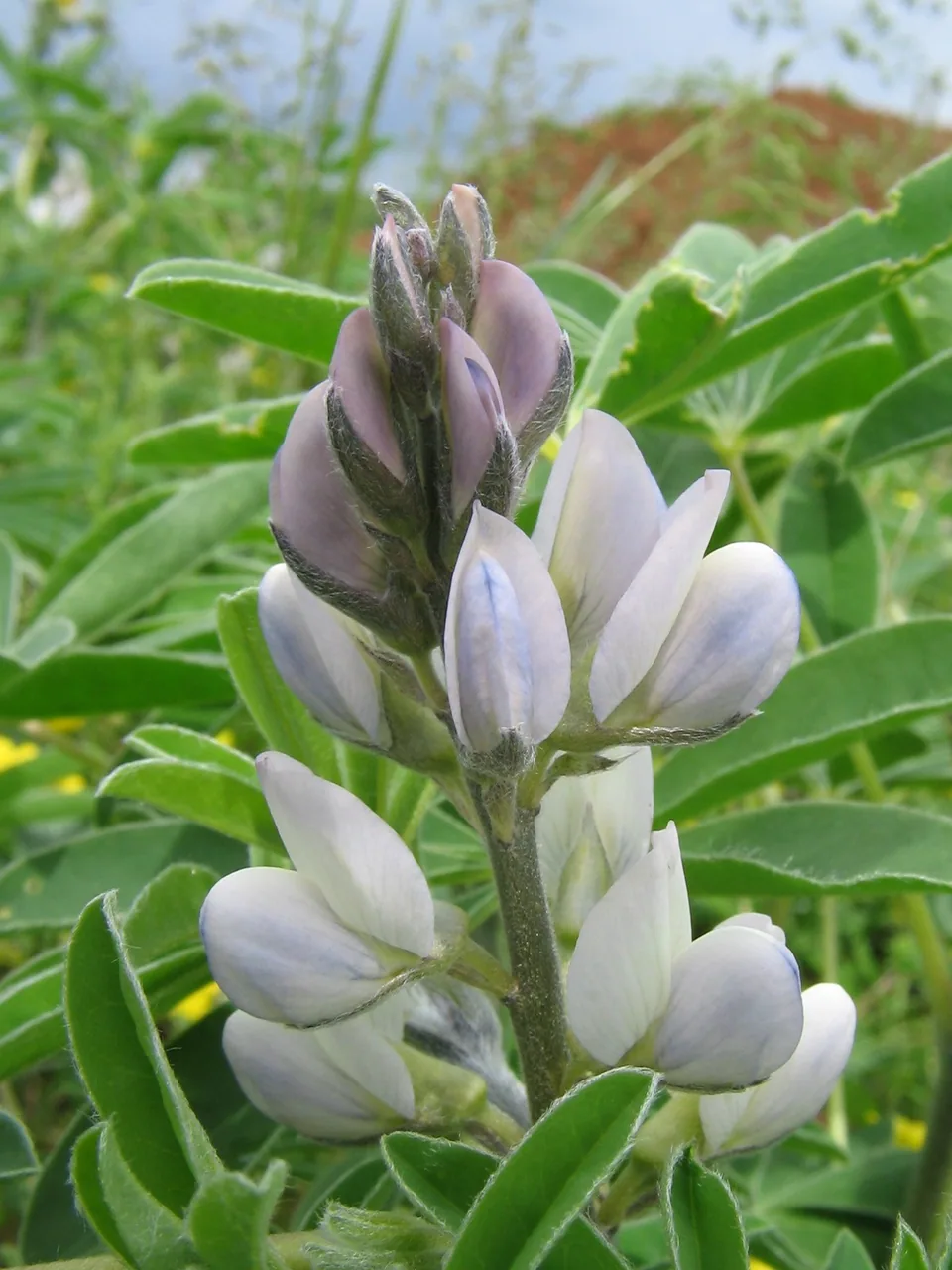
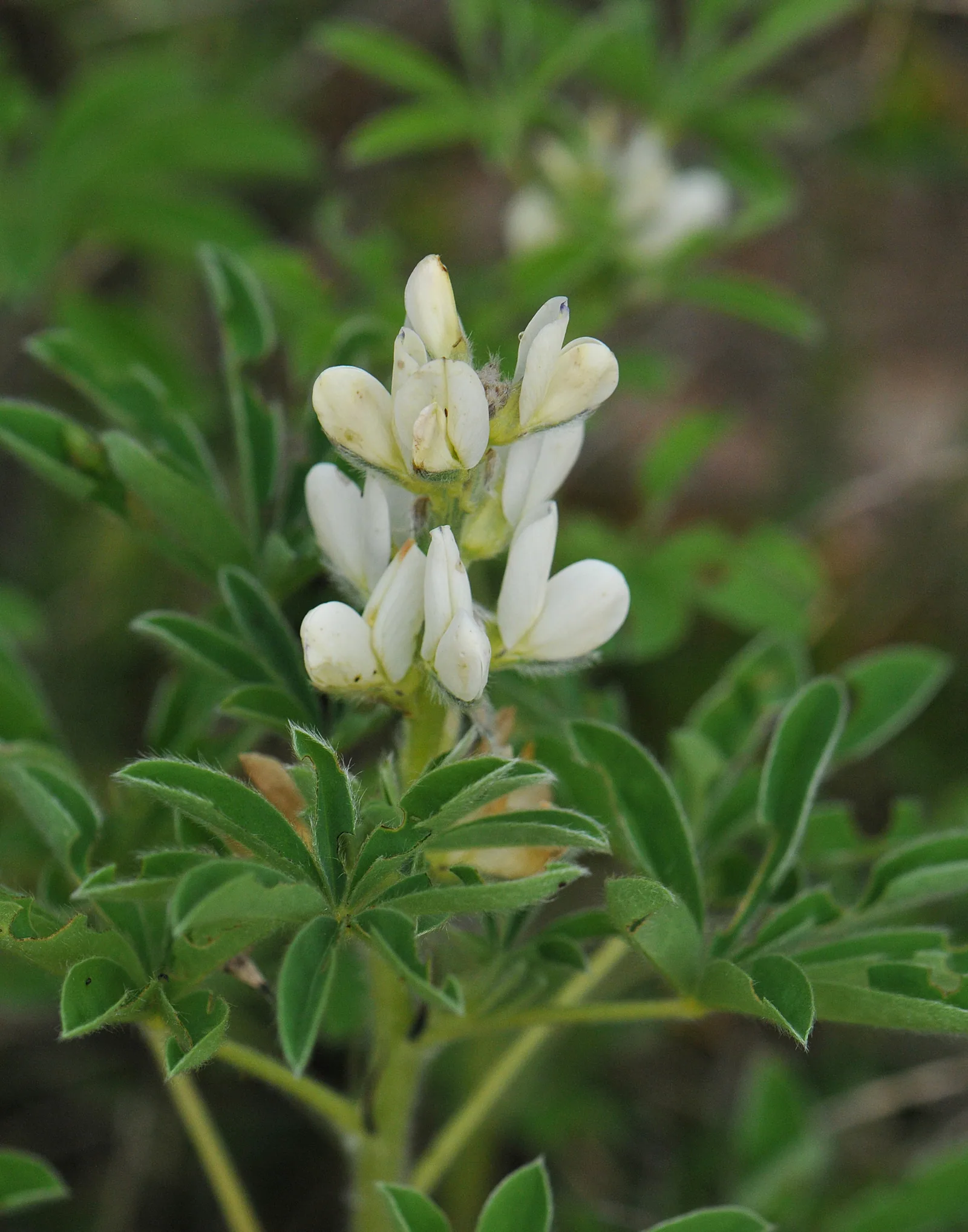
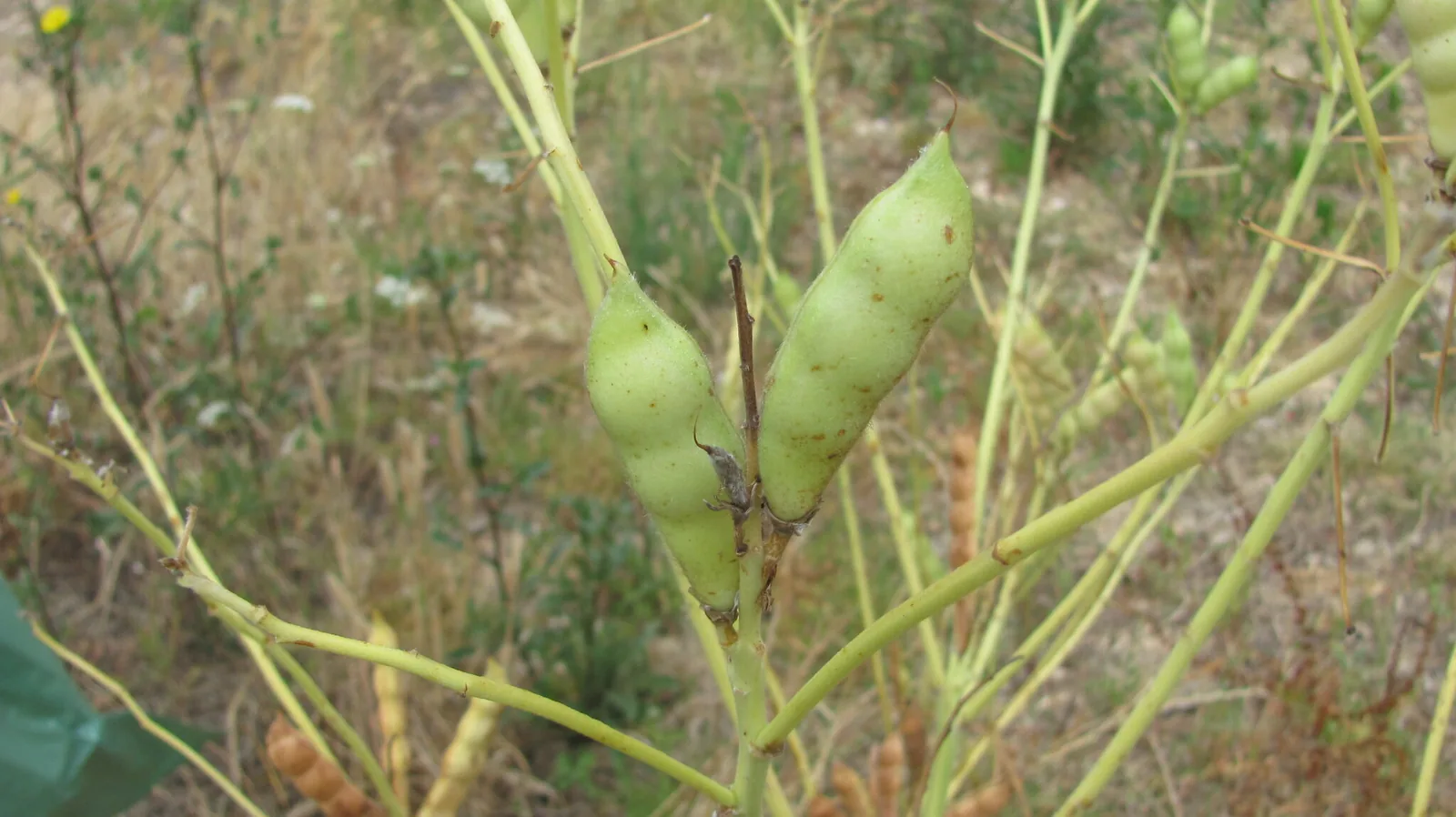
White lupin (Lupinus albus) is an erect, bushy, annual legume that can reach 1.2 m [4 ft] high. [5] It does well on well-drained, mildly acidic or mildly calcareous soils and is harmed by moisture deficiency in the reproductive period. [5] Its seeds are used for food and feed, and earlier alkaloid-rich bitter varieties had to be detoxified by soaking. [5]
This record is incomplete: the sources we read do not cover every field yet.
Not yet covered by our sources: Watering, Light, Spacing
White lupin care
Measurements in square brackets are our conversion into the other unit system; the quoted text is unchanged.
How to water White lupin
Watering
Not stated in the sources we read.
Watering notes
Moisture deficiency is harmful during the reproductive period; a rainfall of 400-1,000 mm [15.7–39.4 in] during the growing period is optimal for yield
How much light White lupin needs
Not stated in the sources we read.
Best soil for White lupin
Soil pH, minimum
4.5
What the sources say (1)
White lupin does well on moderately fertile, well-drained, light or medium textured and mildly acidic or mildly calcareous soils with a pH ranging from 4.5 to 6.5 (-7.5)Soil pH, maximum
6.5
What the sources say (1)
White lupin does well on moderately fertile, well-drained, light or medium textured and mildly acidic or mildly calcareous soils with a pH ranging from 4.5 to 6.5 (-7.5)Where to grow White lupin
Not stated in the sources we read.
How to propagate White lupin
Seed (pre-soaked 24 hours in warm water)
What the sources say (1)
Pre-soak the seed for 24 hours in warm water and sow in mid spring in situHow to grow White lupin
Fertilizing
Mineral fertilizers
Based on a soil test; no nitrogen for a well-nodulated crop; superphosphate on phosphorus-deficient soils, in a deep band before sowing when more than 202 kg [445.3 lb]/ha is needed
What the sources say (3)
A well-nodulated lupin crop does not need nitrogen fertilizer.Good levels of soil phosphate are needed for maximum vegetative growth and yield. Lupins will respond to high rates of superphos-phate on phosphorus-deficient soils.If more than 180 pounds per acre of superphosphate are needed, apply it in a deep band before sowing.Avoid
Nitrogen fertilizer and nitrogen-containing starter fertilizer at planting: they delay nodulation, suppress seedling emergence and stimulate weeds; high rates of superphosphate, or superphosphate with copper sulfate, at sowing can cause nodulation failure
What the sources say (3)
Excess applied nitrogen may promote vigorous early growth, but it can inhibit or delay nodulation and nitrogen fixation even when nodules form. Nitrogen application rarely increases yield, but often stimulates weed growth.the application of N-containing starter fertilizer at planting greatly suppressed lupin seedling emergence, thereby affecting seed yield.Sowing with high rates of superphosphate or with superphos-phate containing trace amounts of copper sulfate may lead to nodulation failure.White lupin pests and problems
Anthracnose
Symptom: Seed-borne disease that spreads rapidly by wind, rain, soil-borne spores, clothing and equipment; can cause almost total crop loss when severe and untreated
What to do: Easy to detect and can be efficiently controlled with fungicide applications; seeds intended for sowing should be tested for anthracnose infection
What the sources say (2)
White lupin is higly susceptible to anthracnose ( Colletotrichum gloeosporioides or C. acutatum ), a common seed-borne disease in countries with humid summers.
— White lupin (Lupinus albus) forage | Feedipedia [5] White lupin seeds intended for sowing should be tested for anthracnose infection and inoculated with Rhizobium lupini if the crop has not been cultivated in the stand before.
— White lupin (Lupinus albus) forage | Feedipedia [5]
Remedies
The sources we checked give no remedies for this plant.
Is White lupin poisonous?
Reported by the source, quoted verbatim. This is not medical or veterinary advice: if a person or an animal may have eaten this plant, contact a poison control centre or a veterinarian.
The seeds of earlier, alkaloid-rich bitter varieties used to be detoxified by soaking before being cooked for food
[5]- Poisonous parts
Lupinus species in general (and especially the seeds) contain a range of bitter-tasting alkaloids such as lupine, anagyrine, sparteine and hydroxylupanine.
[4]- Toxic principle
Lupinus species in general (and especially the seeds) contain a range of bitter-tasting alkaloids such as lupine, anagyrine, sparteine and hydroxylupanine.
[4]
Calendar
Sowing
The sources give different values depending on region, zone or growing conditions.
What each source says
winter lupin: End of summer, as soon as possible
According to Useful Temperate Plants: Mid spring
Ethiopia: July or September
What the sources say (3)
winter lupin: Winter white lupin should be sown as soon as possible at the end of summer to promote sufficient growth and gain enough cold resistance before winterAccording to Useful Temperate Plants: Pre-soak the seed for 24 hours in warm water and sow in mid spring in situEthiopia: In Ethiopia, farmers usually broadcast the seeds of white lupin at 34-40 seeds/m² in July or SeptemberPlanting
Not stated in the sources we read.
Harvest
11 months to mature and be harvested (slow-growing winter type)
What the sources say (1)
White lupin is a slow growing legume that needs 11 months to become mature and to be harvested.Months as given by the sources, which are mostly from the United States (northern hemisphere). In the southern hemisphere they shift by about six months.
Edibility
Reported by the source, quoted verbatim. Do not eat a plant on the basis of this page alone: identification mistakes can be dangerous.
Similar plants
- European yellow lupine Lupinus luteus
- Garden lupin Lupinus polyphyllus
- Lady Lupine Lupinus villosus
- Skyblue Lupine Lupinus diffusus
- Wild Lupine Lupinus perennis
- Aaron's Beard Hypericum calycinum
- Abies grandis Abies grandis
- Abraham Trachystemon orientalis
Sources
Every value above is quoted from these documents. Links lead to the original publisher.
- Dryland Cropping Systems · extension.oregonstate.edu, consulted
- Risposta agronomica di lupino bianco e lupino azzurro in un terreno con pH sub-alcalino · thesis.unipd.it, consulted
- UNIVERSITY OF MILAN · air.unimi.it, consulted
- Lupinus albus - Useful Temperate Plants · temperate.theferns.info, consulted
- White lupin (Lupinus albus) forage | Feedipedia · feedipedia.org, consulted
Written by Emilio Marruso · last checked