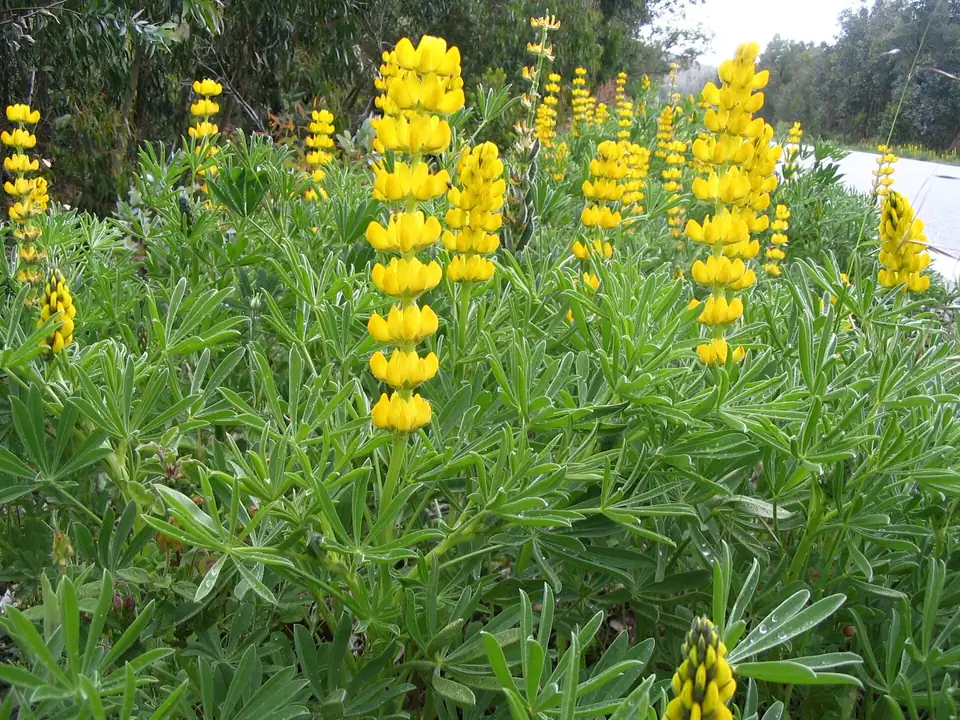
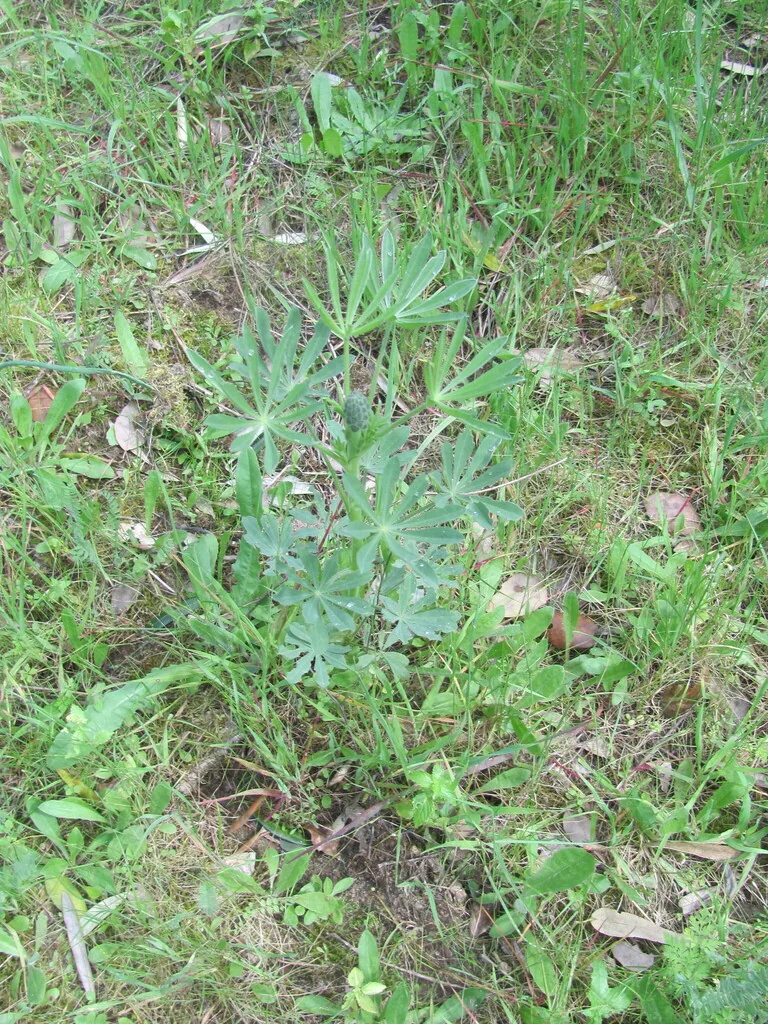

How to Grow and Care for European yellow lupine
Lupinus luteus
Written by Emilio Marruso · last checked
Classified as poisonous · Why
At a glance
Yellow lupine is an easy plant to start: sow the seeds straight in the garden in mid spring, in a sunny spot. Once its roots are settled, it handles drought well. Its cooked seeds, from low-alkaloid types or soaked to remove bitterness, make a protein-rich dish like beans, and the young leafy tops can be cooked as greens.
- Sun
A sunny spot
What the sources say (1)
Light: Sunny position
Photophilous. Requires moisture during root system development. Drought-resistant. Does not require high soil fertility.
— AgroAtlas - Crops - Lupinus luteus L. - European yellow lupin [6] - Water
Handles drought, but keep the soil moist while the roots are growing
What the sources say (1)
Watering: Drought-resistant; requires moisture during root system development
Photophilous. Requires moisture during root system development. Drought-resistant. Does not require high soil fertility.
— AgroAtlas - Crops - Lupinus luteus L. - European yellow lupin [6] - Harvest
Eat seeds only cooked, from low-alkaloid types or soaked first; young tops cooked as greens
- Propagation
Grows from seed
What the sources say (1)
Propagation: Seed
Pre-soak the seed for 24 hours in warm water and sow in mid spring in situ
— Lupinus luteus - Useful Temperate Plants [1] - Sowing
Sow straight in the garden in mid spring; up to early summer as green manure
What the sources say (2)
Sowing: Mid spring, in situ; as late as early summer when grown as a green manure
Pre-soak the seed for 24 hours in warm water and sow in mid spring in situ
— Lupinus luteus - Useful Temperate Plants [1] The seed can also be sown in situ as late as early summer as a green manure crop.
— Lupinus luteus - Useful Temperate Plants [1]
Overview
Lupinus luteus is an annual legume 25-80 cm [10–31 in] tall, native to the Mediterranean region. [1][3] It is grown as a green manure and as an ornamental in gardens. [1]
This record is incomplete: the sources we read do not cover every field yet.
Not yet covered by our sources: Hardiness, coldest zone, Hardiness, warmest zone, Pruning
European yellow lupine care
Measurements in square brackets are our conversion into the other unit system; the quoted text is unchanged.
How to water European yellow lupine
Drought-resistant; requires moisture during root system development
What the sources say (1)
Photophilous. Requires moisture during root system development. Drought-resistant. Does not require high soil fertility.How much light European yellow lupine needs
Sunny position
What the sources say (1)
Photophilous. Requires moisture during root system development. Drought-resistant. Does not require high soil fertility.How much cold European yellow lupine can take
Hardiness, coldest zone
Not stated in the sources we read.
Hardiness, warmest zone
Not stated in the sources we read.
How to propagate European yellow lupine
Seed
What the sources say (1)
Pre-soak the seed for 24 hours in warm water and sow in mid spring in situRemedies
Each remedy shows what official sources say about it; traditional remedies without an official source are marked as such. Harmful ones are listed so you know to avoid them.
Treating the plant
aphids
squashing colonies by hand Official source, not independently tested
How: Use finger and thumb to squash aphid colonies where practical.
Use finger and thumb to squash aphid colonies where practical
— rhs.org.uk [7] encouraging natural predators Official source, not independently tested
How: Encourage aphid predators in the garden, such as ladybirds, ground beetles, hoverflies, parasitoid wasps and earwigs.
Encourage aphid predators in the garden, such as ladybirds , ground beetles , hoverflies, parasitoid wasps and earwigs
— rhs.org.uk [7]
fusarium wilt
long crop rotation Official source, not independently tested
How: Rotate out of lupine for at least four years.
Long rotations are required to rid infested ground of these Fusarium strain; rotate out of lupine for at least four years.
— pnwhandbooks.org [8]
Calendar
Sowing
Mid spring, in situ; as late as early summer when grown as a green manure
Pruning
Not stated in the sources we read.
Months as given by the sources, which are mostly from the United States (northern hemisphere). In the southern hemisphere they shift by about six months.
Edibility
Reported by the source, quoted verbatim. Do not eat a plant on the basis of this page alone: identification mistakes can be dangerous.
Similar plants
- Garden lupin Lupinus polyphyllus
- Lady Lupine Lupinus villosus
- Skyblue Lupine Lupinus diffusus
- White lupin Lupinus albus
- Wild Lupine Lupinus perennis
- Aaron's Beard Hypericum calycinum
- Abies grandis Abies grandis
- Abraham Trachystemon orientalis
Sources
Every value above is quoted from these documents. Links lead to the original publisher.
- Lupinus luteus - Useful Temperate Plants · temperate.theferns.info, consulted
- Lupinus luteus / [Species detail] / Plant Atlas · florida.plantatlas.usf.edu, consulted
- Yellow lupin - World Crops Database · world-crops.com, consulted
- Flora of New Zealand | Taxon Profile | Lupinus luteus · nzflora.info, consulted
- Yellow Lupin · herbiguide.com.au, consulted
- AgroAtlas - Crops - Lupinus luteus L. - European yellow lupin · agroatlas.ru, consulted
- rhs.org.uk · rhs.org.uk
- pnwhandbooks.org · pnwhandbooks.org
Written by Emilio Marruso · last checked