
How to Grow and Care for Starry false lily of the valley
Maianthemum stellatum
Written by Emilio Marruso · last checked
At a glance
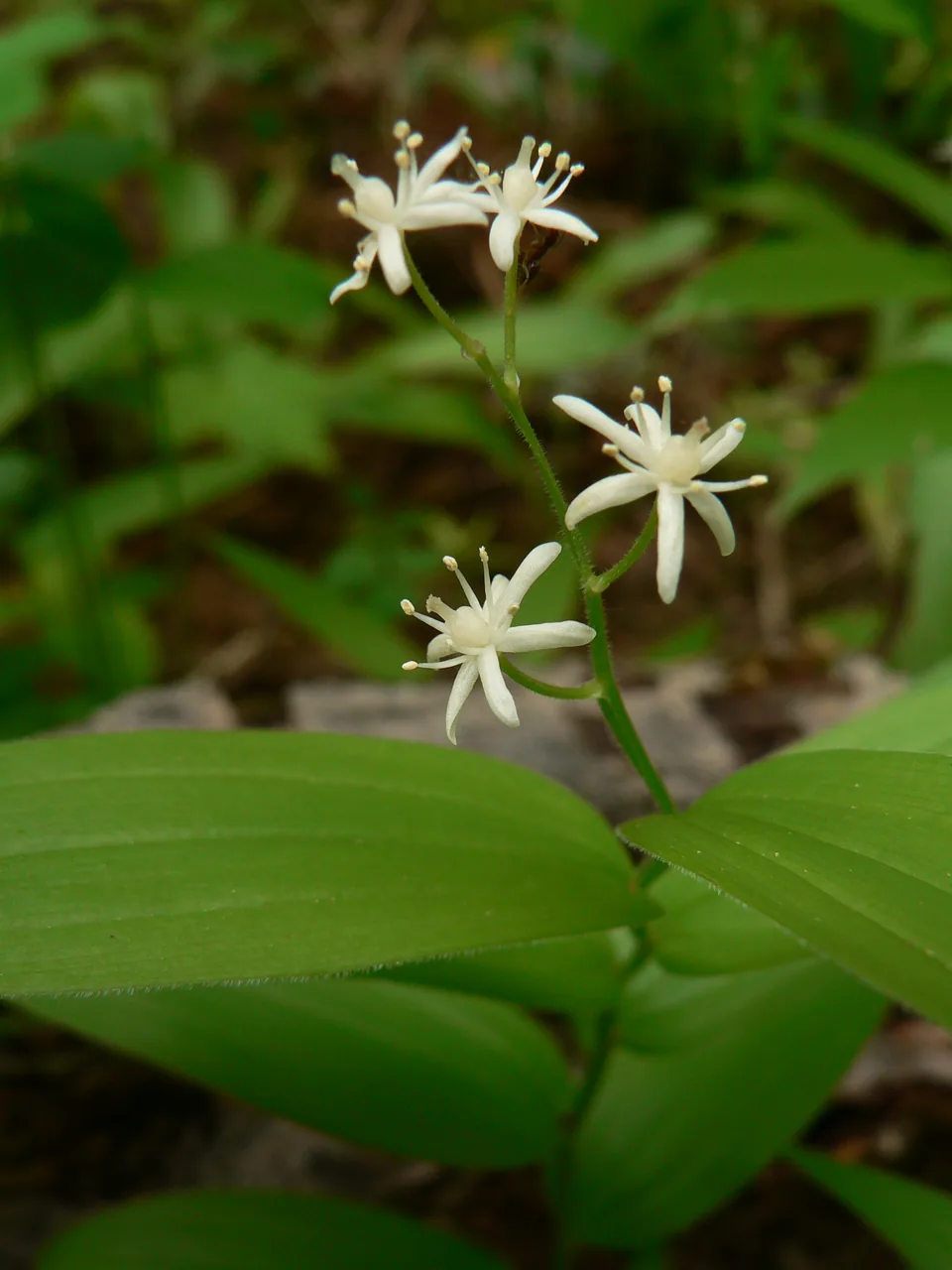
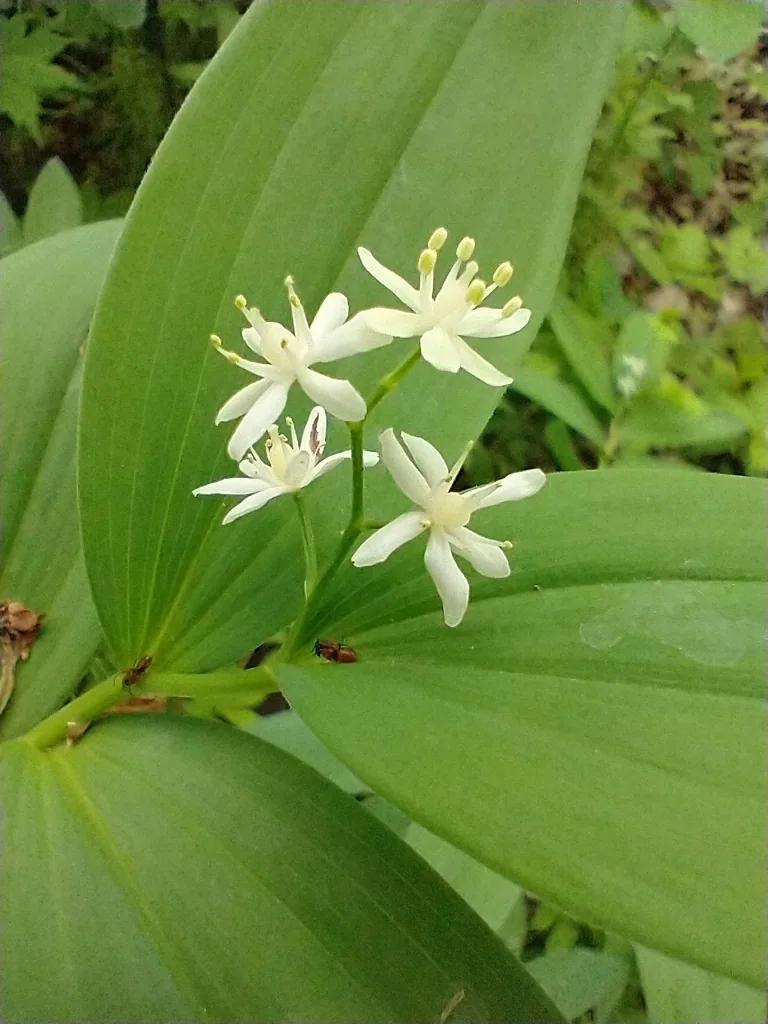
Starry false Solomon's seal is an easygoing perennial that grows anywhere from full sun to full shade and copes with dry soil once settled. Give young plants an occasional drink in hot summers and watch them grow 6 to 26 inches tall. Later, dark blue to purple berries appear, edible when ripe with a pleasantly tart taste.
- Sun
Anywhere from full sun to full shade
What the sources say (1)
Light: Full sun to full shade
Light: Full sun to full shade.
— "Liliaceae : Maianthemum stellatum" by R. Neil Reese [8] - Water
Handles dry soil; water young plants now and then in hot summers, more often in sandy soil
What the sources say (2)
Watering: Medium moist to dry soils; more water needed in sands and rocky soils
Moisture: Medium moist to dry soils. They need more water in sands and rocky soils.
— "Liliaceae : Maianthemum stellatum" by R. Neil Reese [8] Watering notes: Can tolerate dry soil, but young plants should be watered occasionally during hot summers
It is tolerant of shade and can tolerate dry soil but young plants should be watered occasionally during hot summers.
— Star Flowered Solomon's Seal - Natural Edge [5] - Harvest
The berries are edible when ripe, but quite tart
- Size
6 to 26 inches tall
What the sources say (1)
Mature height: 15-65 cm [6–26 in]
Maianthemum stellatum is a perennial herb from a whitish rhizome with simple, erect stems growing 15-65 cm tall.
— "Liliaceae : Maianthemum stellatum" by R. Neil Reese [8] - Propagation
Divide pieces of the underground stems: it works far better than seed
What the sources say (1)
Propagation: Seed; rhizome cuttings (rhizomes far more effective than seed)
By seed or rhizome cuttings. Rhizomes are far more effective as seed germination is slow.
— Species (common name, Latin name) [3] - Sowing
Pick dark blue berries in June–July, clean the seeds, sow in fall; they sprout the second year
What the sources say (2)
Sowing: Fall (germination expected in the second year)
Plant them in the fall and expect germination in the second year.
— "Liliaceae : Maianthemum stellatum" by R. Neil Reese [8] Saving seeds: Collect the berries when dark blue to purple in June and July, remove the fruit tissues and store in the refrigerator.
Seed collection: Collect the berries when they are dark blue to purple in June and July. Remove the fruit tissues and store in the refrigerator.
— "Liliaceae : Maianthemum stellatum" by R. Neil Reese [8]
Overview
Maianthemum stellatum is a native perennial that spreads by rhizomes and grows in moist meadows, woodland edges and shorelines. [5] It grows in full sun to full shade on medium moist to dry, well-drained soils. [8] It is propagated by seed or, more effectively, by rhizome cuttings. [3]
This record is incomplete: the sources we read do not cover every field yet.
Not yet covered by our sources: Hardiness, coldest zone, Hardiness, warmest zone, Pruning
Starry false lily of the valley care
How to water Starry false lily of the valley
Watering
Medium moist to dry soils; more water needed in sands and rocky soils
What the sources say (1)
Moisture: Medium moist to dry soils. They need more water in sands and rocky soils.Watering notes
Can tolerate dry soil, but young plants should be watered occasionally during hot summers
What the sources say (1)
It is tolerant of shade and can tolerate dry soil but young plants should be watered occasionally during hot summers.How much light Starry false lily of the valley needs
Full sun to full shade
What the sources say (1)
Light: Full sun to full shade.How much cold Starry false lily of the valley can take
Hardiness, coldest zone
Not stated in the sources we read.
Hardiness, warmest zone
Not stated in the sources we read.
How to propagate Starry false lily of the valley
Seed; rhizome cuttings (rhizomes far more effective than seed)
What the sources say (1)
By seed or
rhizome cuttings. Rhizomes are far more effective as seed germination is
slow.How to grow Starry false lily of the valley
The plant
Life cycle
perennial
What the sources say (1)
Maianthemum stellatum is a perennial herb from a whitish rhizome with simple, erect stems growing 15-65 cm tall.Family
Liliaceae
What the sources say (1)
Family Name
Liliaceae
## Common Name
Starry False Solomon's Seal, Starry false lily of the valleyMature height
15-65 cm [6–26 in]
What the sources say (1)
Maianthemum stellatum is a perennial herb from a whitish rhizome with simple, erect stems growing 15-65 cm tall.Harvest and storage
Saving seeds
Collect the berries when dark blue to purple in June and July, remove the fruit tissues and store in the refrigerator.
What the sources say (1)
Seed collection: Collect the berries when they are dark blue to purple in June and July. Remove the fruit tissues and store in the refrigerator.Remedies
The sources we checked give no remedies for this plant.
Calendar
Sowing
Fall (germination expected in the second year)
What the sources say (1)
Plant them in the fall and expect germination in the second year.Pruning
Not stated in the sources we read.
Months as given by the sources, which are mostly from the United States (northern hemisphere). In the southern hemisphere they shift by about six months.
Edibility
Reported by the source, quoted verbatim. Do not eat a plant on the basis of this page alone: identification mistakes can be dangerous.
Indicative values
Values from a secondary source, not checked word for word like the rest of this page. Use them as a starting point.
- Soil
- Sandy Loamy Clay RockyIndicative value, adapt it to your climate · Secondary source
- Soil pH
- 5.5-7Indicative value, adapt it to your climate · Secondary source
- USDA hardiness zones
- 3-7 [winter low −40 to −12.2 °C (−40 to 10 °F)]Indicative value, adapt it to your climate · Secondary source
- Care level
- MediumIndicative value, adapt it to your climate · Secondary source
- Growth rate
- HighIndicative value, adapt it to your climate · Secondary source
- Pruning
- December, January, February, FebruaryIndicative value, adapt it to your climate · Secondary source
- Pests
- Pest resistant, Disease resistantIndicative value, adapt it to your climate · Secondary source
Similar plants
- False Solomon's Seal Maianthemum racemosum
- Canada Mayflower Maianthemum canadense
- False lily of the valley Maianthemum dilatatum
- Bluebead Lily Clintonia borealis
- Crown Imperial Fritillary Fritillaria imperialis
- Dog's-tooth-violet Erythronium dens-canis
- Easter Lily Lilium longiflorum
- Formosan Lily Lilium formosanum
Sources
Every value above is quoted from these documents. Links lead to the original publisher.
- Maianthemum stellatum (Starry False Solomon's Seal): Minnesota Wildflowers · minnesotawildflowers.info, consulted
- Plant Propagation Protocol for Maianthemum stellatum · courses.washington.edu, consulted
- Species (common name, Latin name) · depts.washington.edu, consulted
- Maianthemum stellatum | Star Solomon's Seal | Wildflowers of the Pacific Northwest · pnwflowers.com, consulted
- Star Flowered Solomon's Seal - Natural Edge · naturaledge.watersheds.ca, consulted
- Maianthemum stellatum (star-like false Solomon's-seal): Go Botany · gobotany.nativeplanttrust.org, consulted
- Starry spikenard | Kansas Wildflowers · kswildflower.org, consulted
- "Liliaceae : Maianthemum stellatum" by R. Neil Reese · openprairie.sdstate.edu, consulted
Written by Emilio Marruso · last checked