
How to Grow and Care for False Solomon's Seal
Maianthemum racemosum
Written by Emilio Marruso · last checked
At a glance
False Solomon's seal is a perennial that brings life to shady corners, happy in part to full shade and evenly moist, well-drained soil. It forms clumps 2–3 ft tall that you can divide in spring or fall, and its fruit can be eaten raw, cooked or made into jelly. Plant it in a good spot once, then let it settle in and enjoy it for years.
- Sun
Part shade to full shade
What the sources say (2)
Light: Part shade to full shade
False Solomon's Seal does best in evenly moist, well-drained soils in part shade to full shade.
— Maianthemum racemosum (Eastern Solomon's-plume, False Solomon's Seal, False Spikenard, Feathery False Lily of the Valley, Smilacina, Solomon's Plume) | North Carolina Extension Gardener Plant Toolbox [1] moist, rich, well-drained soils in partial to full shade
— False Solomon’s Seal, Maianthemum racemosum – Wisconsin Horticulture [2] - Water
Keep the soil evenly moist; it also puts up with drier, rocky spots
What the sources say (4)
Watering: Evenly moist, well-drained soil
False Solomon's Seal does best in evenly moist, well-drained soils in part shade to full shade.
— Maianthemum racemosum (Eastern Solomon's-plume, False Solomon's Seal, False Spikenard, Feathery False Lily of the Valley, Smilacina, Solomon's Plume) | North Carolina Extension Gardener Plant Toolbox [1] moist, rich, well-drained soils in partial to full shade, but it also tolerates drier, rockier conditions
— False Solomon’s Seal, Maianthemum racemosum – Wisconsin Horticulture [2] Watering notes: Does not do well during hot, humid summers in the southern states; tolerates drier, rockier conditions
It does not do well during hot, humid summers in the southern states.
— Maianthemum racemosum (Eastern Solomon's-plume, False Solomon's Seal, False Spikenard, Feathery False Lily of the Valley, Smilacina, Solomon's Plume) | North Carolina Extension Gardener Plant Toolbox [1] but it also tolerates drier, rockier conditions
— False Solomon’s Seal, Maianthemum racemosum – Wisconsin Horticulture [2] - Soil
Moist soil that drains well
What the sources say (2)
Watering: Evenly moist, well-drained soil
False Solomon's Seal does best in evenly moist, well-drained soils in part shade to full shade.
— Maianthemum racemosum (Eastern Solomon's-plume, False Solomon's Seal, False Spikenard, Feathery False Lily of the Valley, Smilacina, Solomon's Plume) | North Carolina Extension Gardener Plant Toolbox [1] moist, rich, well-drained soils in partial to full shade, but it also tolerates drier, rockier conditions
— False Solomon’s Seal, Maianthemum racemosum – Wisconsin Horticulture [2] - Harvest
The fruit can be eaten raw, cooked or made into jelly
- Watch out
Roots hate being moved: after transplanting it may not flower for a year or two
What the sources say (2)
Watering notes: Does not do well during hot, humid summers in the southern states; tolerates drier, rockier conditions
It does not do well during hot, humid summers in the southern states.
— Maianthemum racemosum (Eastern Solomon's-plume, False Solomon's Seal, False Spikenard, Feathery False Lily of the Valley, Smilacina, Solomon's Plume) | North Carolina Extension Gardener Plant Toolbox [1] but it also tolerates drier, rockier conditions
— False Solomon’s Seal, Maianthemum racemosum – Wisconsin Horticulture [2] - Size
2–3 ft tall and 1.5–3 ft wide
What the sources say (2)
Mature height: 61-91 cm (2-3 ft)
Dimensions: Height: 2 ft. 0 in. - 3 ft. 0 in. Width: 1 ft. 6 in. - 3 ft. 0 in.
— Maianthemum racemosum (Eastern Solomon's-plume, False Solomon's Seal, False Spikenard, Feathery False Lily of the Valley, Smilacina, Solomon's Plume) | North Carolina Extension Gardener Plant Toolbox [1] Mature width: 46-91 cm (1.5-3 ft)
Dimensions: Height: 2 ft. 0 in. - 3 ft. 0 in. Width: 1 ft. 6 in. - 3 ft. 0 in.
— Maianthemum racemosum (Eastern Solomon's-plume, False Solomon's Seal, False Spikenard, Feathery False Lily of the Valley, Smilacina, Solomon's Plume) | North Carolina Extension Gardener Plant Toolbox [1] - Propagation
Divide the clumps in spring or fall
What the sources say (2)
Propagation: Division of clumps in spring or fall; fresh seed sown in the fall
Plants can be propagated from fresh seed sown in the fall or by division of the clumps in spring or fall.
— False Solomon’s Seal, Maianthemum racemosum – Wisconsin Horticulture [2] Recommended Propagation Strategy: Division Seed
— Maianthemum racemosum (Eastern Solomon's-plume, False Solomon's Seal, False Spikenard, Feathery False Lily of the Valley, Smilacina, Solomon's Plume) | North Carolina Extension Gardener Plant Toolbox [1] - Sowing
Sow fresh seed in the fall
What the sources say (3)
Sowing: Fall (fresh seed)
Plants can be propagated from fresh seed sown in the fall or by division of the clumps in spring or fall.
— False Solomon’s Seal, Maianthemum racemosum – Wisconsin Horticulture [2] Propagation: Division of clumps in spring or fall; fresh seed sown in the fall
Plants can be propagated from fresh seed sown in the fall or by division of the clumps in spring or fall.
— False Solomon’s Seal, Maianthemum racemosum – Wisconsin Horticulture [2] Recommended Propagation Strategy: Division Seed
— Maianthemum racemosum (Eastern Solomon's-plume, False Solomon's Seal, False Spikenard, Feathery False Lily of the Valley, Smilacina, Solomon's Plume) | North Carolina Extension Gardener Plant Toolbox [1]
Overview
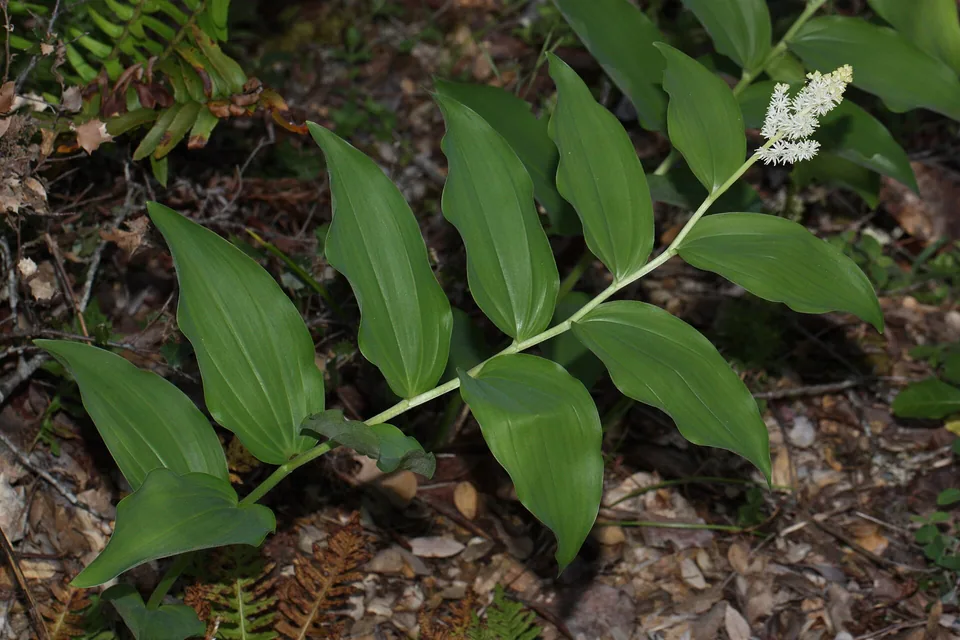
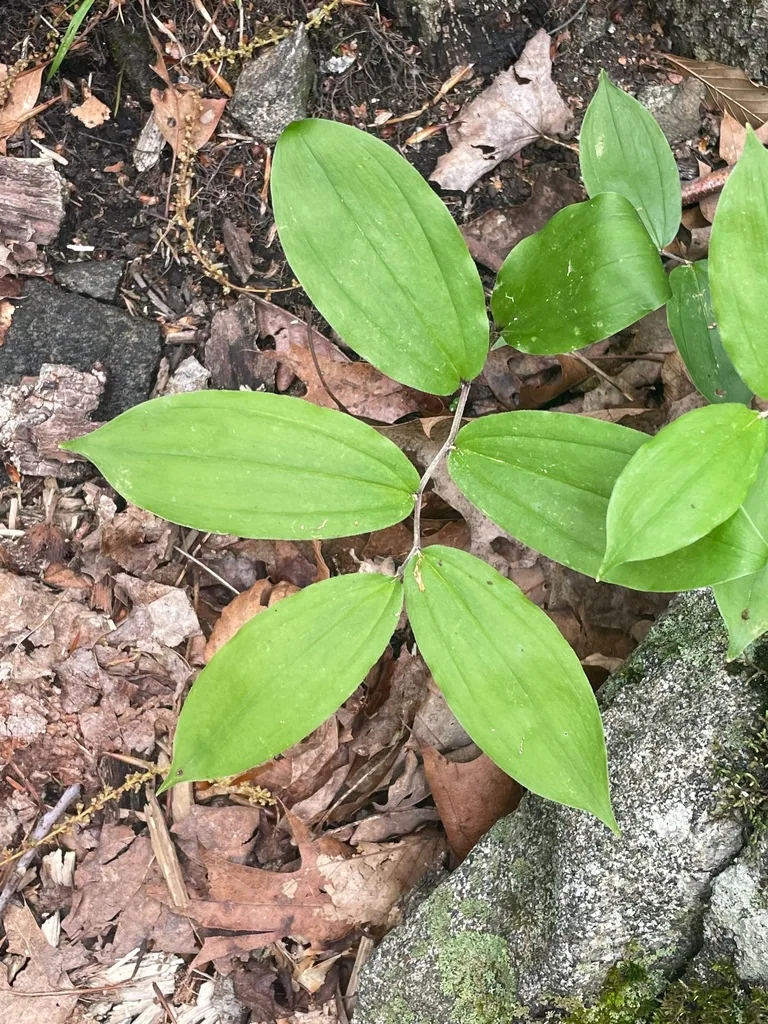
False Solomon's seal is an unbranched herbaceous perennial wildflower native to North America. [1] It does best in evenly moist, well-drained soil in part to full shade. [1] It is propagated by division or seed. [1]
This record is incomplete: the sources we read do not cover every field yet.
Not yet covered by our sources: Pruning
False Solomon's Seal care
How to water False Solomon's Seal
Watering
Evenly moist, well-drained soil
What the sources say (2)
False Solomon's Seal does best in evenly moist, well-drained soils in part shade to full shade.moist, rich, well-drained soils in partial to full shade, but it also tolerates drier, rockier conditionsWatering notes
Does not do well during hot, humid summers in the southern states; tolerates drier, rockier conditions
What the sources say (2)
It does not do well during hot, humid summers in the southern states.but it also tolerates drier, rockier conditionsHow much light False Solomon's Seal needs
Part shade to full shade
What the sources say (2)
False Solomon's Seal does best in evenly moist, well-drained soils in part shade to full shade.moist, rich, well-drained soils in partial to full shadeHow much cold False Solomon's Seal can take
Hardiness, coldest zone
The sources give different values depending on region, zone or growing conditions.
What each source says
According to NC State Extension: 2a [winter low −45.6 to −42.8 °C (−50 to −45 °F)]
According to University of Wisconsin Extension: 3 [winter low −40 to −34.4 °C (−40 to −30 °F)]
What the sources say (2)
According to NC State Extension: USDA Plant Hardiness Zone:
2a, 2b, 3a, 3b, 4a, 4b, 5a, 5b, 6a, 6b, 7a, 7b, 8a, 8bAccording to University of Wisconsin Extension: this plant that ranges across most of North America north of Mexico in zones 3-9Hardiness, warmest zone
The sources give different values depending on region, zone or growing conditions.
What each source says
According to NC State Extension: 8b [winter low −9.4 to −6.7 °C (15 to 20 °F)]
According to University of Wisconsin Extension: 9 [winter low −6.7 to −1.1 °C (20 to 30 °F)]
What the sources say (2)
According to NC State Extension: USDA Plant Hardiness Zone:
2a, 2b, 3a, 3b, 4a, 4b, 5a, 5b, 6a, 6b, 7a, 7b, 8a, 8bAccording to University of Wisconsin Extension: this plant that ranges across most of North America north of Mexico in zones 3-9How to propagate False Solomon's Seal
Division of clumps in spring or fall; fresh seed sown in the fall
What the sources say (2)
Plants can be propagated from fresh seed sown in the fall or by division of the clumps in spring or fall.Recommended Propagation Strategy:
Division
SeedHow to grow False Solomon's Seal
The plant
Life cycle
perennial
What the sources say (1)
Genus:
Maianthemum
Species:
racemosa
Family:
Asparagaceae
Life Cycle:
PerennialFamily
Mature height
61-91 cm (2-3 ft)
What the sources say (1)
Dimensions:
Height: 2 ft. 0 in. - 3 ft. 0 in.
Width: 1 ft. 6 in. - 3 ft. 0 in.Mature width
46-91 cm (1.5-3 ft)
What the sources say (1)
Dimensions:
Height: 2 ft. 0 in. - 3 ft. 0 in.
Width: 1 ft. 6 in. - 3 ft. 0 in.False Solomon's Seal pests and problems
Transplant disturbance
Symptom: Roots do not take well to being disturbed; flowering affected for a year or two if transplanted
What to do: Take caution when transplanting
What the sources say (2)
Caution should be taken when attempting to transplant as the roots don't take well to being disturbed, particularly when the plant has yet to become established.
— Maianthemum racemosum (Eastern Solomon's-plume, False Solomon's Seal, False Spikenard, Feathery False Lily of the Valley, Smilacina, Solomon's Plume) | North Carolina Extension Gardener Plant Toolbox [1] The roots do not like to be disturbed and flowering will be affected for a year or two if transplanted.
— False Solomon’s Seal, Maianthemum racemosum – Wisconsin Horticulture [2]
Remedies
The sources we checked give no remedies for this plant.
Calendar
Sowing
Fall (fresh seed)
What the sources say (1)
Plants can be propagated from fresh seed sown in the fall or by division of the clumps in spring or fall.Pruning
Not stated in the sources we read.
Months as given by the sources, which are mostly from the United States (northern hemisphere). In the southern hemisphere they shift by about six months.
Edibility
Reported by the source, quoted verbatim. Do not eat a plant on the basis of this page alone: identification mistakes can be dangerous.
Indicative values
Values from a secondary source, not checked word for word like the rest of this page. Use them as a starting point.
- Hours of sun
- 2-5 hoursIndicative value, adapt it to your climate · Secondary source
- Soil
- Sandy Loamy Humus RockyIndicative value, adapt it to your climate · Secondary source
- Soil pH
- 5.5-6.5Indicative value, adapt it to your climate · Secondary source
- Care level
- MediumIndicative value, adapt it to your climate · Secondary source
- Growth rate
- HighIndicative value, adapt it to your climate · Secondary source
- Pruning
- February, March, AprilIndicative value, adapt it to your climate · Secondary source
- Pests
- Pest resistant, Disease resistantIndicative value, adapt it to your climate · Secondary source
Similar plants
- Canada Mayflower Maianthemum canadense
- False lily of the valley Maianthemum dilatatum
- Starry false lily of the valley Maianthemum stellatum
- Abies grandis Abies grandis
- Abraham Trachystemon orientalis
- Acanthus hungaricus Acanthus hungaricus
- Achlys triphylla Achlys triphylla
- Afghan Redbud Cercis griffithii
Sources
Every value above is quoted from these documents. Links lead to the original publisher.
- Maianthemum racemosum (Eastern Solomon's-plume, False Solomon's Seal, False Spikenard, Feathery False Lily of the Valley, Smilacina, Solomon's Plume) | North Carolina Extension Gardener Plant Toolbox · plants.ces.ncsu.edu, consulted
- False Solomon’s Seal, Maianthemum racemosum – Wisconsin Horticulture · hort.extension.wisc.edu, consulted
- Solomon's Plume - Maianthemum racemosum | North Carolina Extension Gardener Plant Toolbox · plants.ces.ncsu.edu, consulted
- False Spikenard - Maianthemum racemosum | North Carolina Extension Gardener Plant Toolbox · plants.ces.ncsu.edu, consulted
Written by Emilio Marruso · last checked