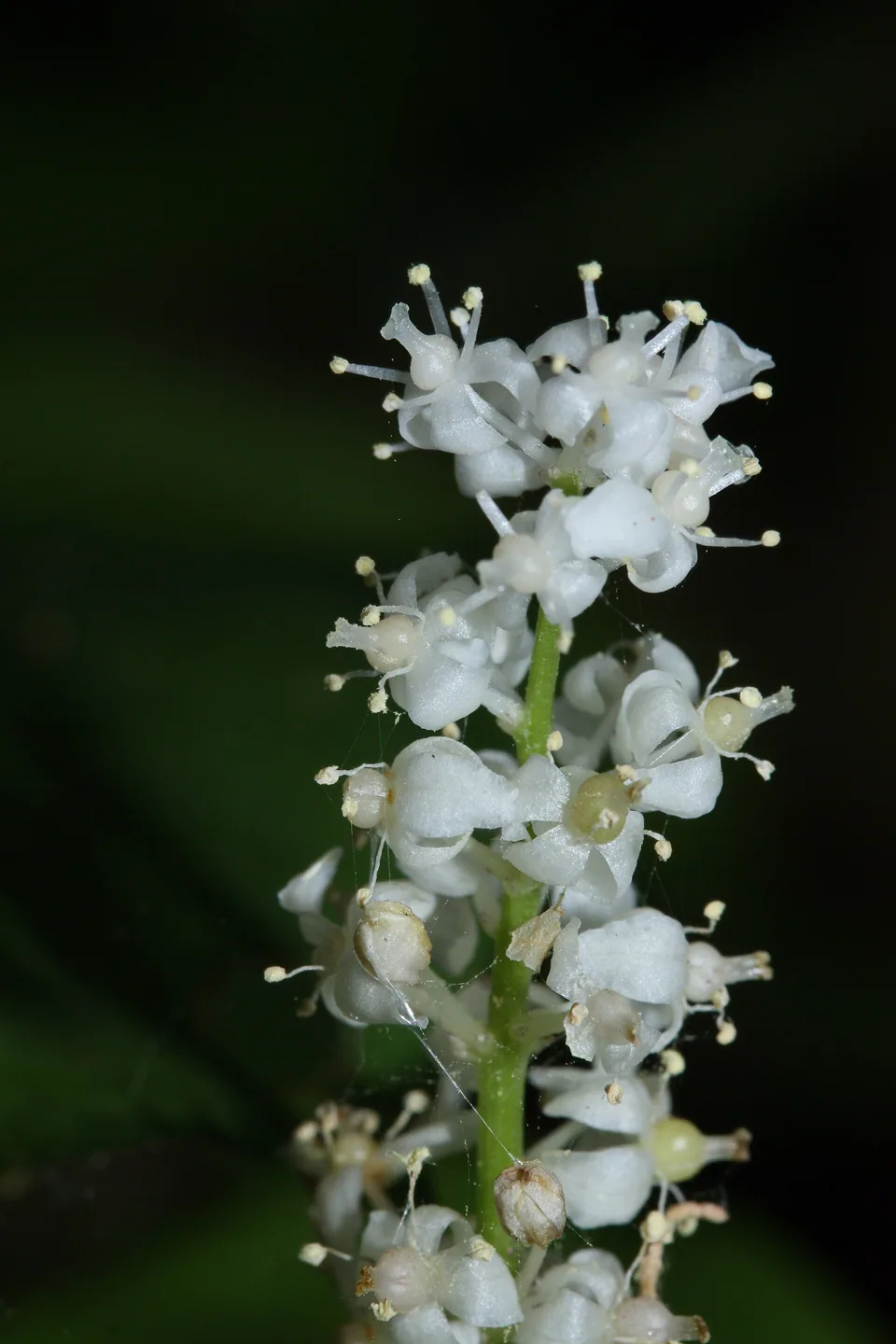
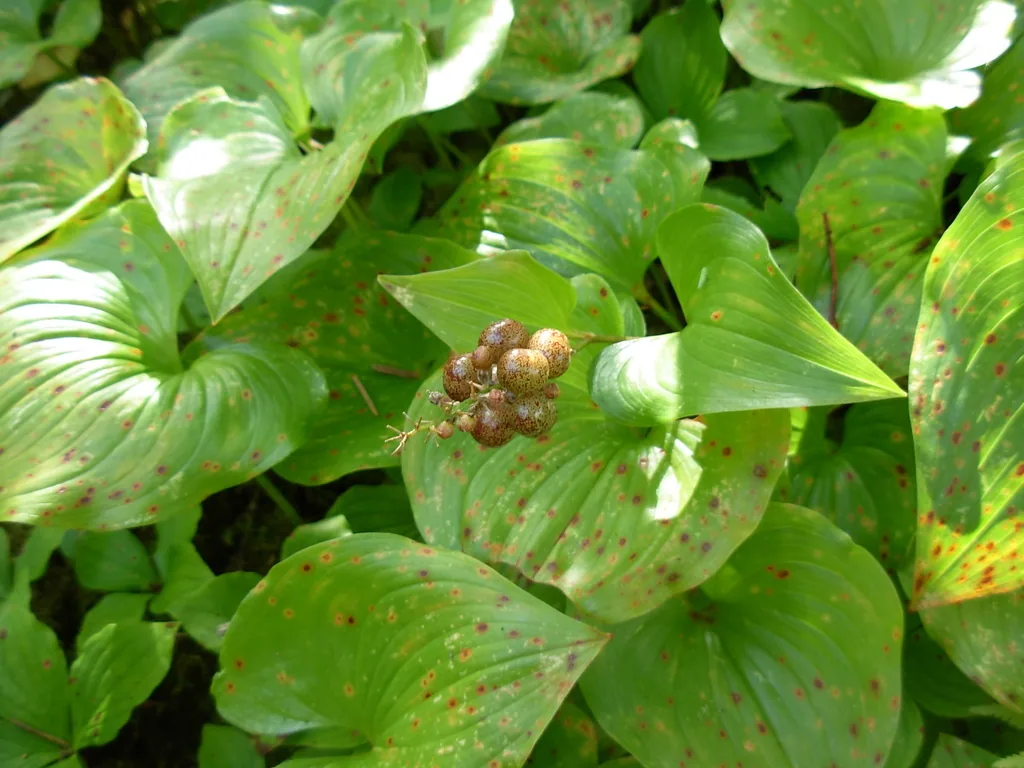

How to Grow and Care for False lily of the valley
Maianthemum dilatatum
Written by Emilio Marruso · last checked
At a glance
Looking for something green for the shady corners of your garden? This plant thrives in full to partial shade and asks only for soil that stays moist but not wet. Plant divided rhizomes in spring or fall, or sow fresh seed in late summer, just when the berries turn red, and enjoy a quiet, easygoing companion.
- Sun
Full to partial shade
What the sources say (1)
Light: Full to partial shade
Grows in forested ecosystems and can tolerate full to partial shade.
— Plant Propagation Protocol for Maianthemum dilatatum [1] - Water
Keep the soil moist but not wet, especially in warm summers
What the sources say (3)
Watering: Moist but not wet soil
That means that the best planting bed will be an area that is cool and shady, with moist, but not wet, soil.
— False Lily Of The Valley Facts: Caring For Wild Lily Of The Valley Flowers | Gardening Know How [2] Requires a cool shady moist but not wet position
— Maianthemum dilatatum - Useful Temperate Plants [5] Watering notes: Tolerates warm summers only if the soil remains moist
Plants tolerate warm summers only if the soil remains moist
— Maianthemum dilatatum - Useful Temperate Plants [5] - Planting
Plant divided rhizomes in spring or fall
What the sources say (2)
Planting: Spring or fall (divided rhizomes)
Dig up and divide the rhizomes in fall or spring, planting big ones immediately in the new location.
— False Lily Of The Valley Facts: Caring For Wild Lily Of The Valley Flowers | Gardening Know How [2] Larger clumps can be replanted direct into their permanent positions, though it is best to pot up smaller clumps and grow them on in a cold frame until they are rooting well.
— Maianthemum dilatatum - Useful Temperate Plants [5] - Harvest
Native American children ate the raw, unripe green berries
- Propagation
Divide the rhizomes, sow seed or take cuttings
What the sources say (2)
Propagation: Rhizome division, seed, cuttings
Propagate by rhizome division or seed. Plant seeds fresh (when berries turn red) in late summer
— Lady Bird Johnson Wildflower Center - The University of Texas at Austin [4] You can grow false lily of the valley flowers from seeds or cuttings.
— False Lily Of The Valley Facts: Caring For Wild Lily Of The Valley Flowers | Gardening Know How [2] - Sowing
Sow fresh seed in late summer, when the berries turn red
What the sources say (1)
Sowing: Late summer, with fresh seed when the berries turn red
Propagate by rhizome division or seed. Plant seeds fresh (when berries turn red) in late summer
— Lady Bird Johnson Wildflower Center - The University of Texas at Austin [4]
Overview
Maianthemum dilatatum is a perennial herb of moist, shaded woods and stream banks in northwestern North America. [4][3] It spreads by rhizomes and can be an aggressive, mat-forming ground cover in gardens. [4]
This record is incomplete: the sources we read do not cover every field yet.
Not yet covered by our sources: Hardiness, coldest zone, Hardiness, warmest zone, Pruning
False lily of the valley care
How to water False lily of the valley
Watering
Moist but not wet soil
What the sources say (2)
That means that the best planting bed will be an area that is cool and shady, with moist, but not wet, soil.Requires a cool shady moist but not wet positionWatering notes
Tolerates warm summers only if the soil remains moist
What the sources say (1)
Plants tolerate warm summers only if the soil remains moistHow much light False lily of the valley needs
Full to partial shade
What the sources say (1)
Grows in forested ecosystems and can tolerate full to partial shade.How much cold False lily of the valley can take
Hardiness, coldest zone
Not stated in the sources we read.
Hardiness, warmest zone
Not stated in the sources we read.
How to propagate False lily of the valley
Rhizome division, seed, cuttings
What the sources say (2)
Propagate by rhizome division or seed. Plant seeds fresh (when berries turn red) in late summerYou can grow false lily of the valley flowers from seeds or cuttings.Remedies
The sources we checked give no remedies for this plant.
Calendar
Sowing
Late summer, with fresh seed when the berries turn red
What the sources say (1)
Propagate by rhizome division or seed. Plant seeds fresh (when berries turn red) in late summerPlanting
Spring or fall (divided rhizomes)
What the sources say (2)
Dig up and divide the rhizomes in fall or spring, planting big ones immediately in the new location.Larger clumps can be replanted direct into their permanent positions, though it is best to pot up smaller clumps and grow them on in a cold frame until they are rooting well.Pruning
Not stated in the sources we read.
Months as given by the sources, which are mostly from the United States (northern hemisphere). In the southern hemisphere they shift by about six months.
Edibility
Reported by the source, quoted verbatim. Do not eat a plant on the basis of this page alone: identification mistakes can be dangerous.
North American Indian children would eat the raw unripe green berries straight from the plant
[5]
Indicative values
Values from a secondary source, not checked word for word like the rest of this page. Use them as a starting point.
- Life cycle
- Herbaceous PerennialIndicative value, adapt it to your climate · Secondary source
- Drought tolerant
- yesIndicative value, adapt it to your climate · Secondary source
- Soil
- Humus richIndicative value, adapt it to your climate · Secondary source
- Soil pH
- 5-6.5Indicative value, adapt it to your climate · Secondary source
- Care level
- MediumIndicative value, adapt it to your climate · Secondary source
- Growth rate
- ModerateIndicative value, adapt it to your climate · Secondary source
- Pruning
- May, June, JulyIndicative value, adapt it to your climate · Secondary source
- Pests
- Fungal leaf spot, Rust, Slugs, snails, Drought resistantIndicative value, adapt it to your climate · Secondary source
Similar plants
- Canada Mayflower Maianthemum canadense
- False Solomon's Seal Maianthemum racemosum
- Starry false lily of the valley Maianthemum stellatum
- Abies grandis Abies grandis
- Acanthus hungaricus Acanthus hungaricus
- Achlys triphylla Achlys triphylla
- Aconite Aconitum napellus
- Afghan Redbud Cercis griffithii
Sources
Every value above is quoted from these documents. Links lead to the original publisher.
- Plant Propagation Protocol for Maianthemum dilatatum · courses.washington.edu, consulted
- False Lily Of The Valley Facts: Caring For Wild Lily Of The Valley Flowers | Gardening Know How · gardeningknowhow.com, consulted
- Indicator Plants – Coastal Indicator Plants of BC (FRST 201) · blogs.ubc.ca, consulted
- Lady Bird Johnson Wildflower Center - The University of Texas at Austin · wildflower.org, consulted
- Maianthemum dilatatum - Useful Temperate Plants · temperate.theferns.info, consulted
- False Lily of the Valley | Maianthemum dilatatum - Benton Soil And Water Conservation District · bentonswcd.org, consulted
Written by Emilio Marruso · last checked