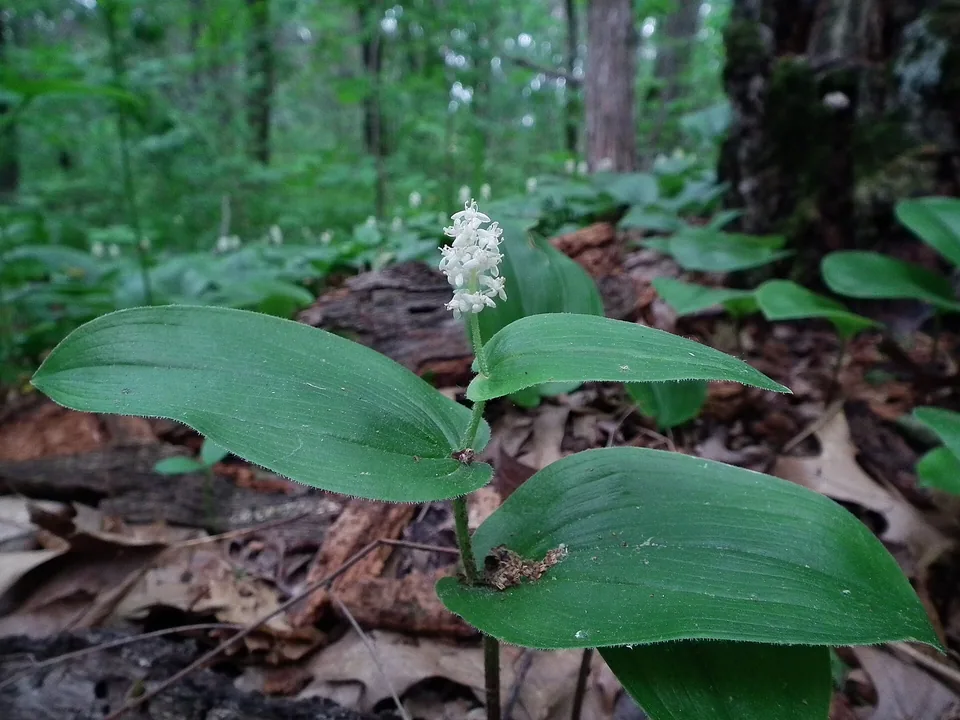


How to Grow and Care for Canada Mayflower
Maianthemum canadense
Written by Emilio Marruso · last checked
At a glance
Canada mayflower is a small perennial made for shady and partly shaded corners of the garden. It stays just 5 to 8 inches tall, enjoys moist, acidic soil and comes back year after year. Its berries are a treat for birds and small mammals, and you can easily make new plants by dividing clumps or sowing seed.
- Sun
Shade to partial shade
What the sources say (1)
Light: Shade to partial shade
The Canada Mayflower likes cool temperatures and moist soils and does best in shade or part shade.
— Maianthemum canadense (Canada Beadruby, Canada Mayflower, False Lily-of-the-valley) | North Carolina Extension Gardener Plant Toolbox [1] - Water
Keep the soil moist
What the sources say (1)
Watering: Moist soil
The Canada Mayflower likes cool temperatures and moist soils and does best in shade or part shade.
— Maianthemum canadense (Canada Beadruby, Canada Mayflower, False Lily-of-the-valley) | North Carolina Extension Gardener Plant Toolbox [1] - Cold
Survives winters down to −60 °F (−51.1 °C)
Very hardy · USDA 1a · RHS H7 · Z1
What the sources say (2)
Hardiness, coldest zone: 1a [winter low −51.1 to −48.3 °C (−60 to −55 °F)]
USDA Plant Hardiness Zone: 1a, 1b, 2a, 2b, 3a, 3b, 4a, 4b, 5a, 5b, 6a, 6b, 7a, 7b, 8a, 8b
— Maianthemum canadense (Canada Beadruby, Canada Mayflower, False Lily-of-the-valley) | North Carolina Extension Gardener Plant Toolbox [1] Hardiness, warmest zone: 8b [winter low −9.4 to −6.7 °C (15 to 20 °F)]
USDA Plant Hardiness Zone: 1a, 1b, 2a, 2b, 3a, 3b, 4a, 4b, 5a, 5b, 6a, 6b, 7a, 7b, 8a, 8b
— Maianthemum canadense (Canada Beadruby, Canada Mayflower, False Lily-of-the-valley) | North Carolina Extension Gardener Plant Toolbox [1] - Soil
Acidic soil, pH up to 6.0
What the sources say (1)
Soil pH, maximum: 6.0
Soil pH: Acid (<6.0)
— Maianthemum canadense (Canada Beadruby, Canada Mayflower, False Lily-of-the-valley) | North Carolina Extension Gardener Plant Toolbox [1] - Size
5 to 8 in tall
What the sources say (1)
Mature height: 13-20 cm (5 to 8 in)
It is a relatively short, 5 to 8 inch plant that spreads by its rhizomes or creeping roots.
— Maianthemum canadense (Canada Beadruby, Canada Mayflower, False Lily-of-the-valley) | North Carolina Extension Gardener Plant Toolbox [1] - Propagation
Divide the clumps or grow from seed
What the sources say (1)
Propagation: Division; seed
Recommended Propagation Strategy: Division Seed
— Maianthemum canadense (Canada Beadruby, Canada Mayflower, False Lily-of-the-valley) | North Carolina Extension Gardener Plant Toolbox [1]
Overview
Canada mayflower is a short herbaceous perennial wildflower that spreads by rhizomes. [1] It does best in shade or part shade and moist soils. [1]
This record is incomplete: the sources we read do not cover every field yet.
Not yet covered by our sources: Pruning
Canada Mayflower care
How to water Canada Mayflower
Moist soil
What the sources say (1)
The Canada Mayflower likes cool temperatures and moist soils and does best in shade or part shade.How much light Canada Mayflower needs
Shade to partial shade
What the sources say (1)
The Canada Mayflower likes cool temperatures and moist soils and does best in shade or part shade.How much cold Canada Mayflower can take
Hardiness, coldest zone
1a [winter low −51.1 to −48.3 °C (−60 to −55 °F)]
What the sources say (1)
USDA Plant Hardiness Zone:
1a, 1b, 2a, 2b, 3a, 3b, 4a, 4b, 5a, 5b, 6a, 6b, 7a, 7b, 8a, 8bHardiness, warmest zone
8b [winter low −9.4 to −6.7 °C (15 to 20 °F)]
What the sources say (1)
USDA Plant Hardiness Zone:
1a, 1b, 2a, 2b, 3a, 3b, 4a, 4b, 5a, 5b, 6a, 6b, 7a, 7b, 8a, 8bBest soil for Canada Mayflower
6.0
What the sources say (1)
Soil pH:
Acid (<6.0)How to propagate Canada Mayflower
Division; seed
What the sources say (1)
Recommended Propagation Strategy:
Division
SeedHow to grow Canada Mayflower
The plant
Life cycle
perennial
What the sources say (1)
The Canada Mayflower is a flowering, herbaceous perennial wildflower in the asparagus family (Asparagaceae), native to Canada, where it grows in colonies among deciduous trees or mixed woods, bog edges, and in some wetland areas.Family
Asparagaceae
What the sources say (1)
The Canada Mayflower is a flowering, herbaceous perennial wildflower in the asparagus family (Asparagaceae), native to Canada, where it grows in colonies among deciduous trees or mixed woods, bog edges, and in some wetland areas.Mature height
13-20 cm (5 to 8 in)
What the sources say (1)
It is a relatively short, 5 to 8 inch plant that spreads by its rhizomes or creeping roots.Remedies
Each remedy shows what official sources say about it; traditional remedies without an official source are marked as such. Harmful ones are listed so you know to avoid them.
Getting rid of it
lawn encroachment
soil test and pH adjustment Partly works
How: Take a soil test and follow the directions for adjusting pH and fertility so the grass competes better.
take a soil test and follow the directions for adjusting pH and fertility. This won’t get rid of the ferns and other broadleaf species but it will help the grass compete better.
— extension.umaine.edu [3] What the evidence says take a soil test and follow the directions for adjusting pH and fertility. This won’t get rid of the ferns and other broadleaf species but it will help the grass compete better.
— extension.umaine.edu [3] reseeding with tall and fine fescue Official source, not independently tested
How: Reseed with species better adapted to the conditions; tall and fine fescue are better for shade and drought.
You could also reseed with species that are better adapted to the conditions, tall and fine fescue are both better for shade and drought conditions than the grasses available in common mixes.
— extension.umaine.edu [3]
unwanted spreading
straw mulch Partly works
How: Mulching with various straws suppressed Canada mayflower growth.
Balsam fir (Abies balsamea)-birch stands were mulched with various straws following clearcutting. Canada mayflower growth was suppressed in all treatments and had an average frequency of 1.1 percent
— fs.usda.gov [4] What the evidence says Balsam fir (Abies balsamea)-birch stands were mulched with various straws following clearcutting. Canada mayflower growth was suppressed in all treatments and had an average frequency of 1.1 percent
— fs.usda.gov [4] disking the soil Partly works
How: After disking, Canada mayflower was absent two years later.
Methods of site preparation can decrease Canada mayflower populations. Two years after clearcutting, Canada mayflower occurred at 10 percent frequency on V-bladed sites and was absent from sites prepared by toothed brush rake or disking
— fs.usda.gov [4] What the evidence says Methods of site preparation can decrease Canada mayflower populations. Two years after clearcutting, Canada mayflower occurred at 10 percent frequency on V-bladed sites and was absent from sites prepared by toothed brush rake or disking
— fs.usda.gov [4]
Calendar
Pruning
Not stated in the sources we read.
Months as given by the sources, which are mostly from the United States (northern hemisphere). In the southern hemisphere they shift by about six months.
Edibility
Reported by the source, quoted verbatim. Do not eat a plant on the basis of this page alone: identification mistakes can be dangerous.
Indicative values
Values from a secondary source, not checked word for word like the rest of this page. Use them as a starting point.
- Hours of sun
- 4-6 hoursIndicative value, adapt it to your climate · Secondary source
- Drought tolerant
- yesIndicative value, adapt it to your climate · Secondary source
- Soil
- Sandy, Loamy, Humus, RockyIndicative value, adapt it to your climate · Secondary source
- Care level
- MediumIndicative value, adapt it to your climate · Secondary source
- Growth rate
- LowIndicative value, adapt it to your climate · Secondary source
- Pruning
- December, January, February, March, AprilIndicative value, adapt it to your climate · Secondary source
Similar plants
- False lily of the valley Maianthemum dilatatum
- False Solomon's Seal Maianthemum racemosum
- Starry false lily of the valley Maianthemum stellatum
- American Agave Agave virginica
- Asparagus Fern Asparagus setaceus
- Brodiaea Triteleia laxa
- Cabbage Tree Cordyline australis
- Chinese Lucky Grass Reineckea carnea
Sources
Every value above is quoted from these documents. Links lead to the original publisher.
- Maianthemum canadense (Canada Beadruby, Canada Mayflower, False Lily-of-the-valley) | North Carolina Extension Gardener Plant Toolbox · plants.ces.ncsu.edu, consulted
- Canada mayflower - Cooperative Extension: Maine Wild Blueberries - University of Maine Cooperative Extension · extension.umaine.edu, consulted
- extension.umaine.edu · extension.umaine.edu
- fs.usda.gov · fs.usda.gov
Written by Emilio Marruso · last checked