
How to Grow and Care for Pacific ninebark
Physocarpus capitatus
Written by Emilio Marruso · last checked
At a glance
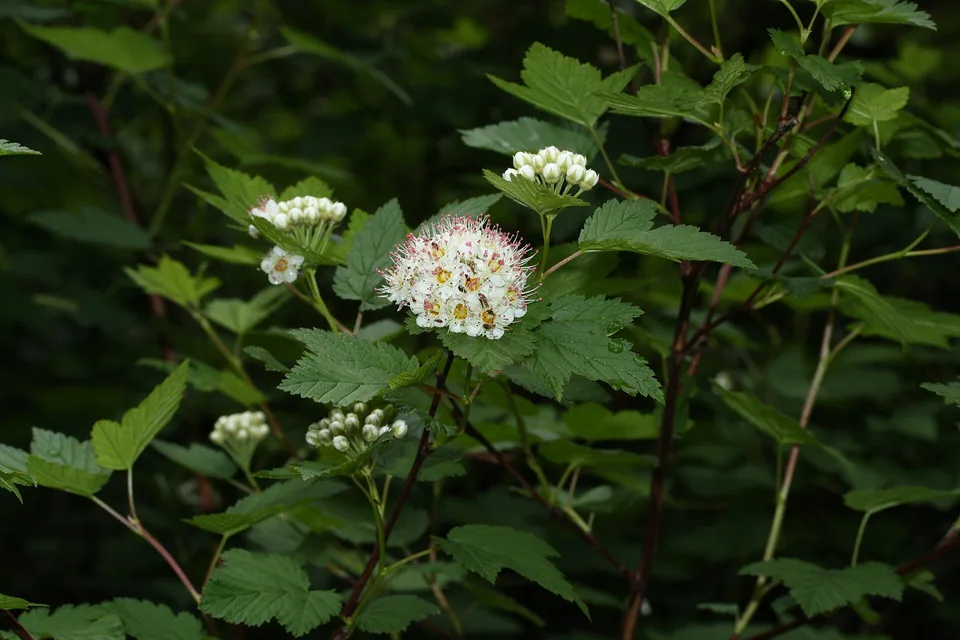
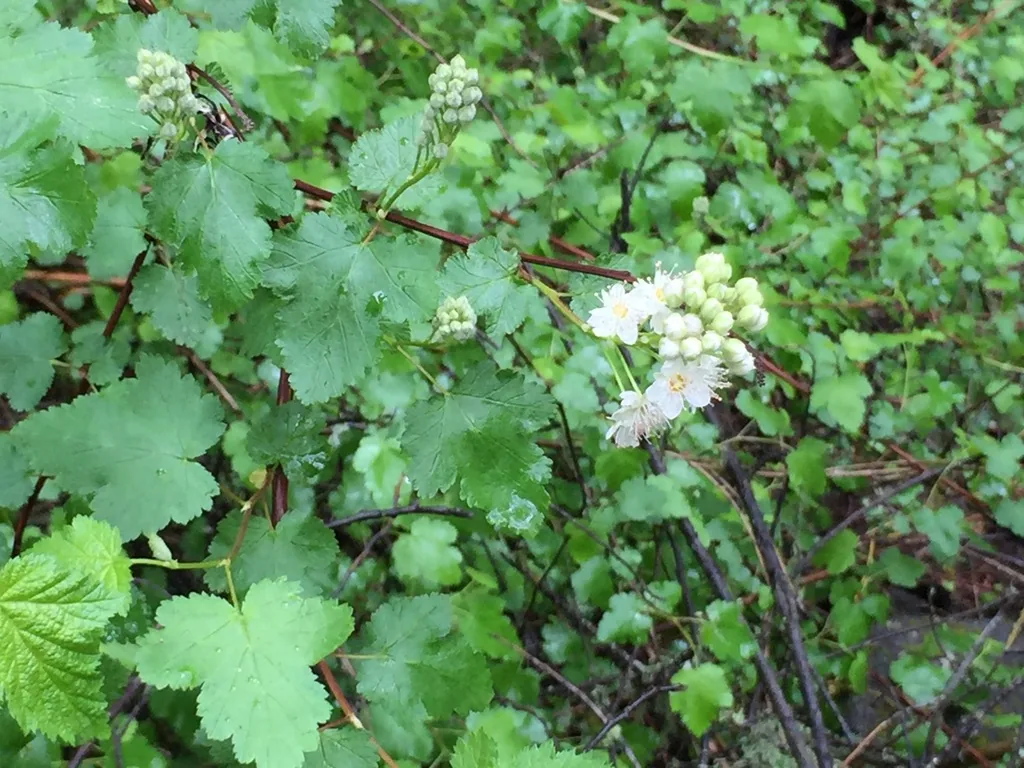
Pacific ninebark is a perennial member of the rose family that grows 6 to 12 feet tall. It loves moist soil and even handles spots that turn wet in some seasons, yet it can tolerate some drought too. It is easy to share: grow new plants from seed, from hardwood cuttings, or from live stakes pushed into the ground.
- Water
Likes moist soil, even wet in some seasons; it can handle some drought
What the sources say (2)
Watering: Moist, seasonally wet
Water Requirements: Moist, Seasonally Wet
— Pacific Ninebark • East Multnomah Soil and Water Conservation District [5] Watering notes: Can tolerate some drought
It can also tolerate some drought.
— Pacific Ninebark • East Multnomah Soil and Water Conservation District [5] - Cold
Survives winters down to −10 °F (−23.3 °C)
Very hardy · USDA 6 · RHS H7 · Z6
What the sources say (1)
Hardiness, coldest zone: 6 [winter low −23.3 to −17.8 °C (−10 to 0 °F)]
Zone 6: (-23 to -18
— Physocarpus capitatus - Kwantlen Polytechnic University, School of Horticulture - Plant Database [1] - Size
6 to 12 ft tall
What the sources say (1)
Mature height: 183-366 cm (6-12 ft)
- Plant Type: deciduous upright/spreading shrub - Height: 6-12 feet tall
— Pacific ninebark - North Creek Wetland [4] - Propagation
From seed, hardwood cuttings or live stakes pushed into the ground
What the sources say (1)
Propagation: Seed, hardwood cuttings, live staking
This plant grows well from seed, hardwood cuttings, and live staking.
— Pacific ninebark - North Creek Wetland [4]
Overview
Pacific ninebark is a dense deciduous shrub native to the Pacific coast of North America, with peeling bark. [5][4] It is used in screens, shrub borders and stream-bank restoration, where its fibrous roots hold the soil. [1][4]
This record is incomplete: the sources we read do not cover every field yet.
Not yet covered by our sources: Hardiness, warmest zone, Pruning
Pacific ninebark care
How to water Pacific ninebark
Watering
Moist, seasonally wet
What the sources say (1)
Water Requirements: Moist, Seasonally WetWatering notes
Can tolerate some drought
What the sources say (1)
It can also tolerate some drought.How much light Pacific ninebark needs
The sources disagree:
Light Requirements: Part Shade
[5]
How much cold Pacific ninebark can take
Hardiness, coldest zone
6 [winter low −23.3 to −17.8 °C (−10 to 0 °F)]
What the sources say (1)
Zone 6: (-23 to -18Hardiness, warmest zone
Not stated in the sources we read.
How to propagate Pacific ninebark
Seed, hardwood cuttings, live staking
What the sources say (1)
This plant grows well from seed, hardwood cuttings, and live staking.How to grow Pacific ninebark
The plant
Life cycle
perennial
What the sources say (1)
- Flowering Season: April-July - Generation: PerennialFamily
Rosaceae
What the sources say (1)
Morphology - Family: Rosaceae - Plant Type: deciduous upright/spreading shrubMature height
183-366 cm (6-12 ft)
What the sources say (1)
- Plant Type: deciduous upright/spreading shrub - Height: 6-12 feet tallRemedies
Each remedy shows what official sources say about it; traditional remedies without an official source are marked as such. Harmful ones are listed so you know to avoid them.
Treating the plant
powdery mildew
space plants, full sun Works
How: Grow resistant cultivars, space plants for good air circulation and plant in full sun.
Cultural control - Grow resistant cultivars. - Space plants for good air circulation. - Plant in full sun.
— pnwhandbooks.org [6] What the evidence says Cultural control - Grow resistant cultivars. - Space plants for good air circulation. - Plant in full sun.
— pnwhandbooks.org [6]
Calendar
Pruning
Not stated in the sources we read.
Months as given by the sources, which are mostly from the United States (northern hemisphere). In the southern hemisphere they shift by about six months.
Indicative values
Values from a secondary source, not checked word for word like the rest of this page. Use them as a starting point.
- Hours of sun
- 6-8 hoursIndicative value, adapt it to your climate · Secondary source
- Soil
- Acidic, Bog, Humus richIndicative value, adapt it to your climate · Secondary source
- Soil pH
- 5.5-7.5Indicative value, adapt it to your climate · Secondary source
- Care level
- MediumIndicative value, adapt it to your climate · Secondary source
- Growth rate
- HighIndicative value, adapt it to your climate · Secondary source
- Pruning
- February, June, July, February, June, JulyIndicative value, adapt it to your climate · Secondary source
- Pests
- Fungal leaf spot, Pest resistant, Disease resistant, Drought resistantIndicative value, adapt it to your climate · Secondary source
Similar plants
- Ninebark Physocarpus opulifolius
- Afghan Cherry Prunus jacquemontii
- Agrimony Agrimonia eupatoria
- Alabama Snow Wreath Neviusia alabamensis
- Allegheny Serviceberry Amelanchier laevis
- American Ipecac Porteranthus trifoliatus
- American Plum Prunus americana
- Amur chokecherry Prunus maackii
Sources
Every value above is quoted from these documents. Links lead to the original publisher.
- Physocarpus capitatus - Kwantlen Polytechnic University, School of Horticulture - Plant Database · plantdatabase.kpu.ca, consulted
- Pacific Ninebark | Physocarpus capitatus - Benton Soil And Water Conservation District · bentonswcd.org, consulted
- Physocarpus capitatus - Calflora · calflora.org, consulted
- Pacific ninebark - North Creek Wetland · uwb.edu, consulted
- Pacific Ninebark • East Multnomah Soil and Water Conservation District · emswcd.org, consulted
- pnwhandbooks.org · pnwhandbooks.org
Written by Emilio Marruso · last checked